
Top Generative AI Video Tools for Creators in 2026
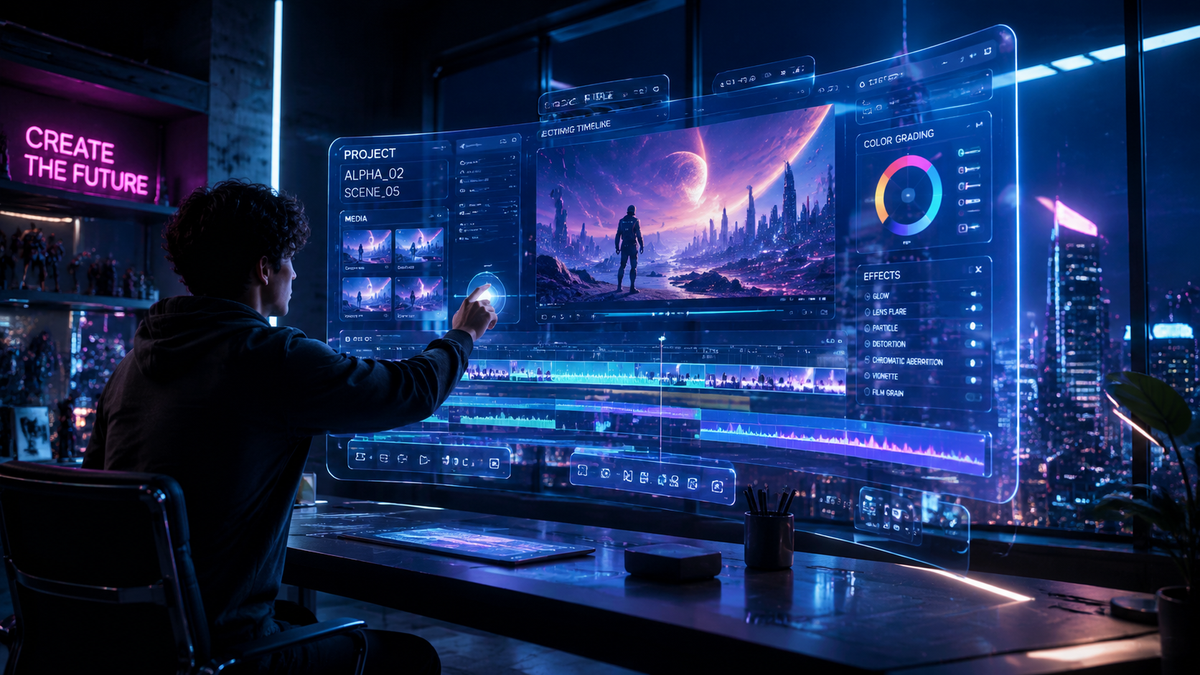
The landscape of digital content has shifted dramatically in 2026, making generative ai video tools for creators the essential engine behind modern storytelling. These advanced platforms allow users to synthesize high-definition cinematic footage from simple text prompts, transform static images into dynamic scenes, and even convert spoken dialogue into fully produced musical compositions. As of early 2026, the gap between professional studio output and independent creator content has effectively closed, thanks to the democratization of high-fidelity video synthesis.
Generative AI video tools for creators are software platforms that utilize deep learning models to generate, edit, and enhance video content automatically. In 2026, these tools focus on multimodal generation—converting text, photos, and audio into photorealistic video—while integrating directly into social platforms like YouTube to streamline the production workflow for influencers and brands alike.
- ✓ Hyper-realistic video synthesis has officially moved past the "uncanny valley," specifically through new innovations from global developers in early 2026.
- ✓ YouTube has integrated native AI tools that allow creators to transform photos into videos and dialogue into songs directly within the platform.
- ✓ The "multimodal" trend is the standard for 2026, where a single prompt can dictate visual style, musical score, and character consistency.
- ✓ AI music video creators have become a specialized niche, helping independent musicians produce high-budget visuals on shoestring budgets.
How to Use Generative AI Video Tools for Creators
Navigating the sophisticated ecosystem of generative video requires a strategic approach to ensure brand consistency and high-quality output. While the technology has become more intuitive, the best creators follow a structured pipeline to move from a conceptual spark to a finished, high-resolution asset ready for distribution.
- Define the Visual Seed: Start by providing a text prompt or an initial "seed" image. In 2026, most tools prefer a high-resolution reference photo to maintain character consistency.
- Configure Motion Parameters: Adjust the "motion brush" or "fluidity sliders" to dictate how much movement occurs in the frame, preventing the warping effects common in older models.
- Apply Multimodal Layers: Use integrated tools to overlay AI-generated dialogue or music. For instance, YouTube's native tools now allow for dialogue-to-song transformations.
- Refine with Upscaling: Run the final generation through a 4K or 8K spatial upscaler to ensure the video meets the display standards of modern hardware.
- Export and Format: Finalize the aspect ratio for specific platforms, whether it is 9:16 for vertical shorts or 21:9 for cinematic wide-screen displays.
The Evolution of AI Video Synthesis in 2026
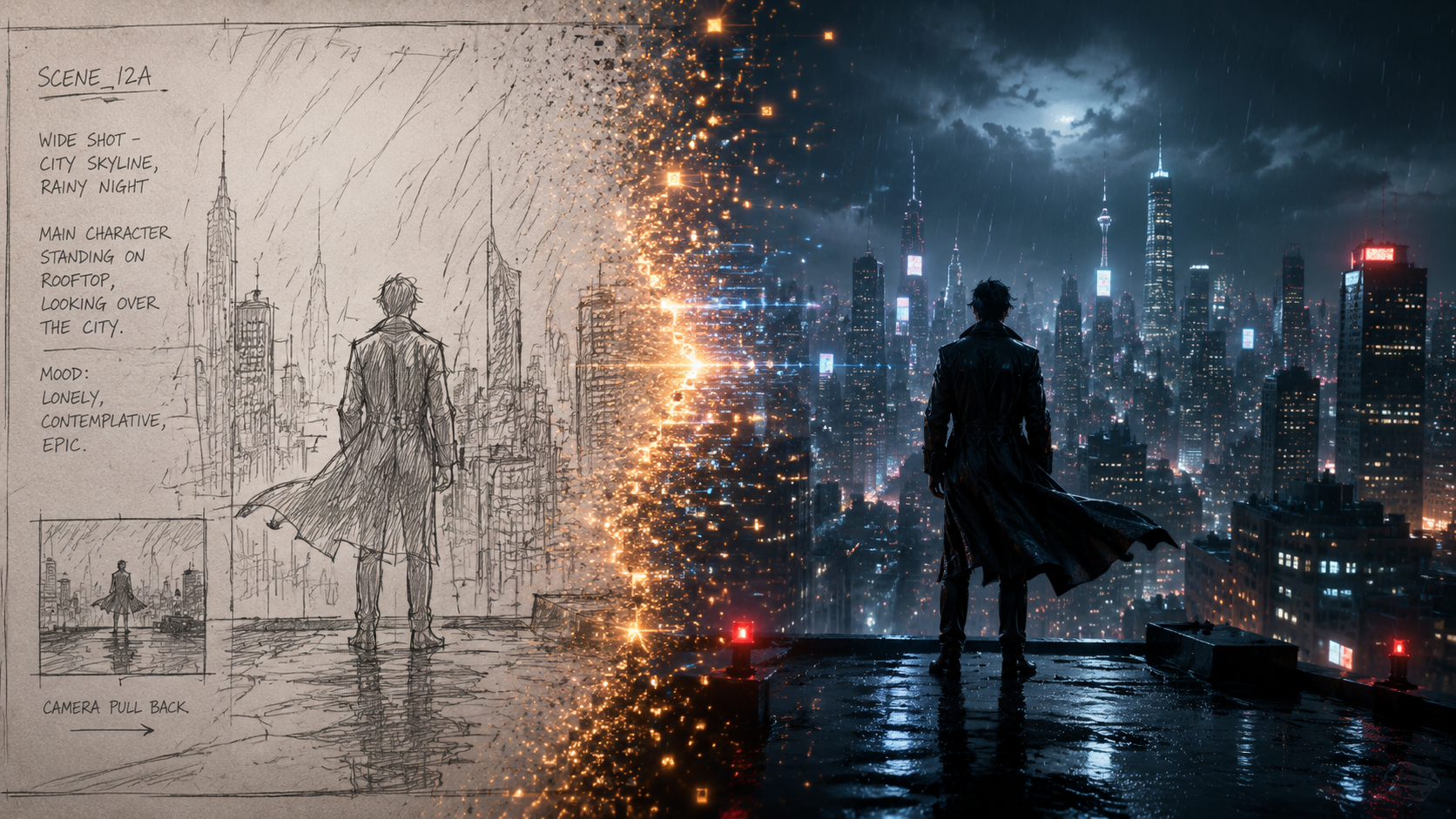
As we move through 2026, the technology powering these tools has reached a pinnacle of realism. According to Fast Company, recent releases from Chinese AI developers have effectively closed the "uncanny valley" for good, producing human movements and facial expressions that are indistinguishable from real-world footage. This breakthrough has significant implications for creators who previously struggled with the "rubbery" or "glitchy" look of early AI video iterations.
The integration of these tools into mainstream platforms has also accelerated. As reported by the YouTube Official Blog in late 2025 and early 2026, the platform's "Dream Screen" and creative suites have moved beyond simple backgrounds. Creators can now use generative AI video tools for creators to build entire sequences from scratch, ensuring that the barrier to entry for high-quality video production is lower than it has ever been in the history of digital media.
The Rise of Multimodal Content Creation
Multimodal AI is the defining trend of the current year. It is no longer enough for a tool to just generate a silent clip. The modern creator expects a holistic environment where video, audio, and text interact. Variety notes that YouTube’s latest AI-powered updates allow creators to turn simple photos into cinematic videos and even transform standard dialogue into melodic songs. This convergence of media types allows a single creator to act as a director, cinematographer, and composer simultaneously.
Comparison of Top Generative AI Video Tools for Creators
To help you choose the right platform for your specific workflow, we have compiled a comparison of the leading tools based on the latest 2026 feature sets and performance metrics.
| Tool Category | Primary Feature | Best For | Platform Availability |
|---|---|---|---|
| Social-Integrated AI | Photo-to-Video & Dialogue-to-Song | YouTube Creators & Shorts | Native (YouTube Studio) |
| Cinematic Synthesis | Hyper-realistic Human Rendering | Short Films & Commercials | Web-based / API |
| Musical Video Creators | Audio-Reactive Visuals | Independent Musicians | Desktop / Mobile App |
| Brand-Centric AI | Automated Product Demos | E-commerce & Marketing | Cloud Platforms |
Key Trends Shaping Generative AI Video Tools for Creators
The current year has seen a massive shift in how brands and individuals perceive AI. According to Business Insider, there are five generative AI trends currently changing the future for brands and creators, including the rise of "hyper-personalization" where video content is tailored in real-time to the viewer's preferences. This is made possible by the speed at which generative ai video tools for creators can now render frames, moving from minutes of processing time to near-instantaneous generation.
Closing the Uncanny Valley
One of the most significant technical milestones of 2026 is the elimination of visual artifacts in human movement. Previous versions of AI video often struggled with "hallucinating" extra limbs or inconsistent lighting. However, the latest models utilize advanced physics engines to simulate how light interacts with skin and fabric. This level of detail has made AI-generated actors a viable alternative for background characters and even lead roles in experimental digital cinema.
AI Music Video Integration
For the music industry, 2026 is the year of the automated music video. New Wave Magazine recently highlighted the 5 best AI music video creators, noting that these tools are specifically designed to sync visual pulses with audio frequencies. This allows musicians to upload a track and receive a fully edited, high-concept music video that reflects the mood and tempo of their sound without the need for a physical film crew or expensive location rentals.
The Impact of YouTube's New Creative Suite
In September 2025, YouTube announced a major overhaul of its creative tools, which have now become the gold standard for creators in 2026. These tools are built directly into the YouTube Studio mobile and desktop apps, providing a seamless experience for those who need to produce content quickly. The ability to "Unpack the magic" of these tools, as the YouTube Official Blog describes it, means that even a novice can produce professional-grade content.
The feature that has garnered the most attention is the "Dialogue-to-Song" capability. This tool uses generative AI to analyze the cadence and tone of a creator's spoken words and then maps them onto a musical scale, creating a custom soundtrack that matches the video's narrative. This is a prime example of how generative ai video tools for creators are expanding the definition of "video editing" to include automated scoring and sound design.
Turning Photos into Cinematic Video
Another breakthrough feature is the ability to take a single static image—perhaps a thumbnail or a personal photo—and use AI to "extrapolate" movement. The AI predicts what would happen in the seconds before and after the photo was taken, creating a 5-to-10 second video clip that looks like it was shot on a high-end gimbal. This has revolutionized the way creators repurpose their existing archives of photography for short-form video platforms.
Future Outlook: What’s Next for Creators?
As we look toward the latter half of 2026, the focus is shifting from "how realistic can it look?" to "how much control can the creator have?" The latest TechRadar analysis, which involved testing over 70 AI tools this year, suggests that "granular control" is the new frontier. Creators are no longer satisfied with "one-click" generation; they want to control camera angles, lighting temperature, and specific character gestures with precision.
Furthermore, the ethical landscape is evolving. With the increase in realism, tools in 2026 have integrated more robust digital watermarking and provenance tracking. This ensures that while generative ai video tools for creators are more powerful than ever, there is a clear distinction between captured reality and synthesized content, protecting both the creator's intellectual property and the viewer's trust.
Frequently Asked Questions
What are the best generative ai video tools for creators in 2026?
The best tools currently include YouTube's integrated AI creative suite for social media, and specialized cinematic synthesis platforms from global developers that offer hyper-realistic human rendering. For musicians, dedicated AI music video creators are the top choice for syncing visuals to audio.
Can AI video tools create realistic human faces?
Yes, as of 2026, AI video technology has officially closed the "uncanny valley." New models use advanced physics and lighting simulations to create human characters that are virtually indistinguishable from real people in high-definition video.
How does YouTube's Dialogue-to-Song feature work?
This tool uses generative AI to analyze the pitch and rhythm of a creator's spoken dialogue and converts it into a musical composition. It allows creators to generate custom background music or "musicalize" their vlogs without needing professional music production skills.
Are generative AI video tools for creators expensive?
While premium cinematic tools require a subscription, many powerful features are now free and integrated directly into platforms like YouTube. This allows creators of all levels to access high-end video generation technology without significant upfront costs.
Is it possible to turn a still photo into a video?
Yes, 2026 technology allows for sophisticated photo-to-video extrapolation. By analyzing the context of a static image, AI can generate several seconds of realistic movement, effectively bringing the photo to life for use in social media and video projects.
Comments ()