
AI Video Content Creation 2026: The Future of Production

AI video content creation 2026 represents the pinnacle of digital transformation, where generative artificial intelligence has shifted from a novel tool to the primary engine of global media production. In 2026, creating high-fidelity video involves using sophisticated neural networks to synthesize realistic visuals, synchronized audio, and complex narratives from simple text or data inputs. This evolution allows brands, Web3 creators, and social media marketers to produce professional-grade cinematic content at a fraction of the traditional cost and time.
AI video content creation 2026 is the automated process of generating high-definition, emotionally resonant video assets using advanced generative models. It encompasses real-time rendering, AI-powered music synchronization, and hyper-personalized marketing videos, enabling creators to scale content production across platforms like Web3 and social media with unprecedented efficiency and technical precision.
- ✓ AI video generators now support full-length music video production and real-time social media post automation.
- ✓ Integration of AI video into retail environments, as seen at NRF 2026, is revolutionizing in-store and digital consumer engagement.
- ✓ Web3 content scaling has become reliant on automated AI workflows to maintain decentralized community presence.
- ✓ High-volume music video creation has surpassed 15 million units for leading platforms like Sondo AI.
To succeed with AI video content creation 2026, creators must follow a structured approach to ensure quality and brand consistency. Below is the standard workflow for modern production:
- Conceptualization and Prompt Engineering: Define the narrative arc and visual style using detailed descriptive prompts within an AI video platform.
- Asset Generation: Utilize generative engines to create the visual sequences, often incorporating built-in AI music generation for a cohesive audio-visual experience.
- Personalization and Localization: Apply AI layers to adapt the video for different demographics, languages, or regional markets automatically.
- Automated Formatting: Use AI tools to resize and optimize the video for specific platforms, such as vertical formats for social media or high-res displays for retail.
- Distribution and Analysis: Deploy the content through automated scheduling tools and monitor engagement metrics to refine future prompts.
The Evolution of AI Video Content Creation 2026
The landscape of digital media has been fundamentally rewritten. According to reports from findarticles.com, video AI generators are no longer just tools for short clips; they are transforming the very fabric of digital content creation in 2026. The move toward "generative-first" workflows means that the barrier between an idea and a finished video product has virtually disappeared. This shift is characterized by the ability of AI to understand context, lighting, and physics, resulting in videos that are indistinguishable from those shot on physical cameras.
Furthermore, the integration of AI into professional sectors has reached a tipping point. At the NRF 2026 (National Retail Federation) conference, Multimedia Plus introduced built-in AI content generation specifically designed for video-enabled posts. This demonstrates that the technology is no longer exclusive to tech enthusiasts but is a core component of corporate communication and retail marketing strategies. The focus has shifted from "can we use AI?" to "how fast can our AI iterate?"
The Rise of AI-Powered Music and Visual Synergy
One of the most significant breakthroughs in 2026 is the seamless fusion of sound and vision. TMX Newsfile recently reported that Sondo AI has surpassed 15 million AI-generated music videos. This milestone highlights a massive trend where AI doesn't just create the video but also composes the accompanying score. This synchronization ensures that every beat and rhythm is perfectly aligned with the visual transitions, a task that previously took human editors dozens of hours to master.
Why Every Brand Needs an AI Video Creation Platform in 2026
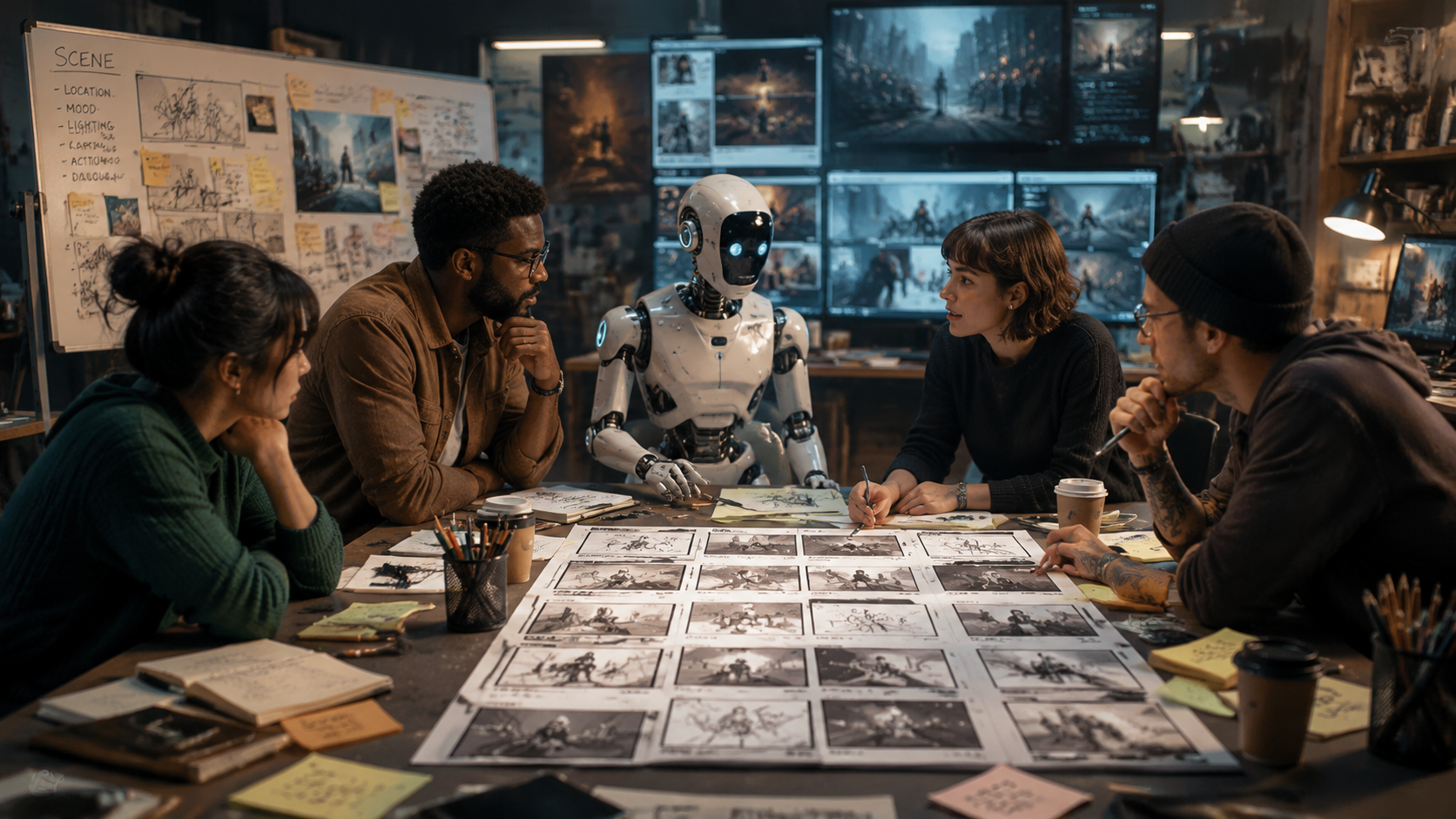
The competitive landscape of 2026 demands a volume of content that human teams alone cannot fulfill. As noted by The AI Journal, every brand now requires a dedicated AI video creation platform to remain relevant. These platforms serve as a centralized hub where brand guidelines are encoded into the AI's "style DNA," ensuring that every generated video stays on-brand regardless of the scale of production. This is particularly vital for global brands that need to produce hundreds of localized variants of a single campaign simultaneously.
Beyond mere volume, these platforms offer sophisticated personalization. In 2026, a single video advertisement can have thousands of versions, each tailored to the specific interests, location, and previous purchasing behavior of the viewer. This level of hyper-personalization was a theoretical goal in the early 2020s, but today it is a standard operational requirement for any marketing department aiming for high conversion rates.
Comparing AI Video Production Methods
To understand the current market, it is helpful to compare traditional video production with the modern AI-driven approach prevalent in 2026.
| Feature | Traditional Production (Pre-2025) | AI Video Creation (2026) |
|---|---|---|
| Turnaround Time | Weeks to Months | Minutes to Hours |
| Cost per Asset | High ($1,000s - $10,000s) | Low ($1s - $10s) |
| Scalability | Limited by Staff/Gear | Infinite via Cloud Computing |
| Personalization | Manual/Generic | Automated/Hyper-targeted |
| Music Integration | Licensing/Manual Edit | Generative/Instant Sync |
Scaling Web3 and Decentralized Content
The intersection of AI and Web3 has created a new paradigm for community-driven content. According to quasa.io, creators are now using automated video creation AI to scale Web3 content at an unprecedented rate. In decentralized ecosystems, where community engagement is the primary currency, the ability to churn out high-quality video updates, governance explainers, and NFT showcases is critical. AI allows these smaller, often decentralized teams to compete with massive media conglomerates in terms of output quality and frequency.
Moreover, the automation of these workflows allows creators to focus on the "Prompt-to-Protocol" pipeline. This involves using AI to translate complex blockchain data into digestible video formats that can be shared across social layers. By automating the technical hurdles of video editing, Web3 pioneers are spending more time on community building and less time in the editing suite, fostering a more vibrant and visually rich decentralized web.
Automating Social Media Marketing
Social media has become an AI-driven battleground. PC Tech Magazine highlights that AI video generators are fundamentally changing social media marketing in 2026 by enabling "reactive content." This refers to the ability of AI systems to monitor trending topics and automatically generate relevant video content in real-time. Brands no longer wait for a creative meeting to discuss a trend; their AI platforms have already drafted, rendered, and posted a video response before the trend peaks.
Technical Breakthroughs in Generative Engines
The power behind AI video content creation 2026 lies in the massive leaps in neural architecture. We have moved beyond the "uncanny valley" where AI humans looked slightly off. Today’s models utilize advanced temporal consistency algorithms, ensuring that characters and environments remain stable across long durations. This has opened the door for long-form storytelling, including AI-generated documentaries and short films that are winning awards at digital-first film festivals.
Another breakthrough is the democratization of high-end visual effects (VFX). In 2026, an individual creator has access to the same visual firepower that a Hollywood studio had a decade ago. Features like "One-Click Environment Swapping" and "Real-time AI Lighting Adjustment" allow for professional cinematography without a physical set. This has led to a surge in independent "solopreneur" studios that produce cinematic universes from their laptops.
AI Video Content Creation 2026: The Role of Data
Data is the fuel for modern AI video. By 2026, the most successful platforms are those that can ingest real-time consumer data to influence the visual output. For instance, if data shows a preference for a specific color palette or music genre in a certain demographic, the AI automatically adjusts the video's aesthetic to match. This data-driven creativity ensures that the content is not just beautiful, but also mathematically optimized for engagement and retention.
Future Outlook: Beyond 2026
As we look toward the end of the decade, the trajectory of AI video content creation 2026 suggests a future of total immersion. We are already seeing the beginnings of interactive AI video, where the viewer can influence the plot or the environment in real-time. The distinction between a "video" and a "simulation" is blurring. For brands and creators, the challenge will no longer be technical execution, but rather the originality of the prompts and the ethical use of synthetic media.
The ethical landscape is also evolving. With the rise of deep-learning video, 2026 has seen the widespread adoption of "Content Provenance" standards. Most AI video platforms now automatically embed digital watermarks and metadata to verify the AI's role in the creation process. This transparency is essential for maintaining trust in an era where seeing is no longer necessarily believing.
What is the primary benefit of AI video content creation 2026?
The primary benefit is the ability to produce high-quality, professional video content at massive scale and significantly lower costs than traditional methods. This allows for hyper-personalized marketing and rapid response to digital trends.
Are AI-generated videos in 2026 realistic enough for professional use?
Yes, by 2026, AI video generators have overcome previous limitations like flickering and distortion. Current models produce high-definition, temporally consistent footage that is indistinguishable from real-world recordings, making them suitable for retail, cinema, and corporate branding.
How is AI video impacting social media marketing?
AI video allows for "reactive content" where brands can automatically generate and post videos based on real-time trending topics. This ensures that marketing remains relevant and highly engaging without the delays of traditional production cycles.
Can AI create music for these videos as well?
Absolutely. Platforms like Sondo AI have already generated over 15 million music videos using integrated AI music creation. In 2026, the audio and visual components are often generated simultaneously to ensure perfect synchronization.
Is AI video content creation 2026 accessible for small businesses?
Yes, the democratization of these tools means that small businesses can access AI video platforms that offer "built-in" generation features. This levels the playing field, allowing smaller entities to produce content that rivals the quality of large corporations.
Comments ()