
Best Text to Video AI for Businesses: 2026 Strategy Guide
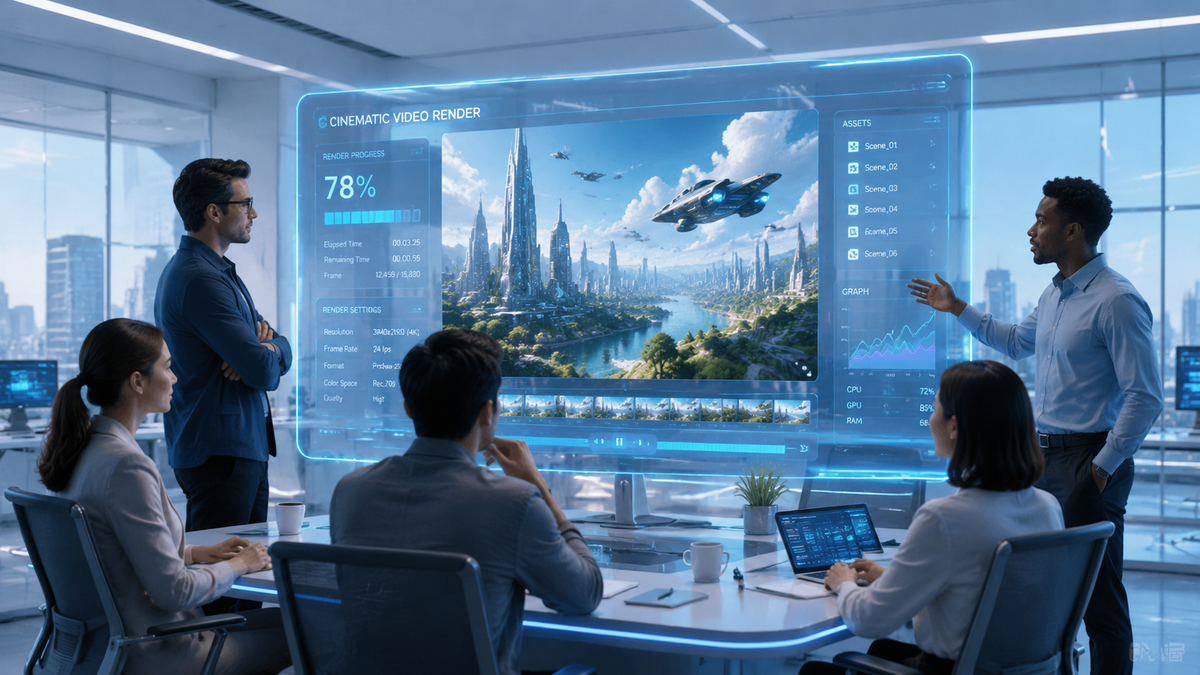
The best text to video AI for businesses in 2026 involves utilizing advanced generative models like Runway Gen-4 and leading Chinese platforms to transform written prompts into high-fidelity marketing assets. By integrating these tools into your workflow, your company can reduce production costs by up to 80% while maintaining a consistent brand voice across social media and internal communications. Selecting the right platform requires balancing visual quality, energy efficiency, and enterprise-grade security features.
Text to video AI for businesses is an automated content generation technology that uses large-scale multimodal models to convert natural language descriptions into professional-grade video files. In 2026, the landscape has shifted toward specialized enterprise tools that prioritize ethical data sourcing and energy-efficient rendering over general-purpose consumer applications.
- ✓ Runway has emerged as the global benchmark leader, surpassing legacy tech giants in visual fidelity.
- ✓ Chinese AI developers have officially pulled ahead of US rivals in video consistency and temporal coherence as of May 2026.
- ✓ OpenAI has pivoted away from the general consumer video market, scrapping its Sora project in favor of enterprise API integrations.
- ✓ Energy consumption and sustainability metrics are now a primary KPI for businesses selecting AI video vendors.
- ✓ Successful implementation requires a "human-in-the-loop" strategy to ensure brand safety and creative nuance.
How to Implement Text to Video AI for Businesses
Adopting AI video technology is no longer about experimentation; it is about building a scalable content engine. For businesses looking to stay competitive in 2026, the transition from text to moving images must be systematic. According to Social Media Examiner, high-quality AI content is currently the primary driver for organic business growth on visual-first platforms, provided the content remains authentic to the brand’s core values.
To get started with a professional text to video workflow, follow these essential steps:
- Define the Visual Identity: Establish a brand-specific prompt library that includes your color palette, lighting preferences, and cinematography style to ensure consistency across all generated clips.
- Select an Enterprise Model: Choose a platform that offers commercial usage rights and robust data protection, such as the latest models from Runway or specialized Chinese enterprise suites.
- Script for Multimodal Output: Write your scripts with visual cues in mind, using descriptive language that helps the AI understand depth, motion, and character expression.
- Iterative Rendering: Generate low-resolution previews to check composition before committing to high-energy, high-resolution final renders.
- Post-Production Enhancement: Use traditional editing software to add "human" touches, such as custom voiceovers, brand logos, and specific call-to-action overlays.
The 2026 Landscape of Text to Video AI for Businesses
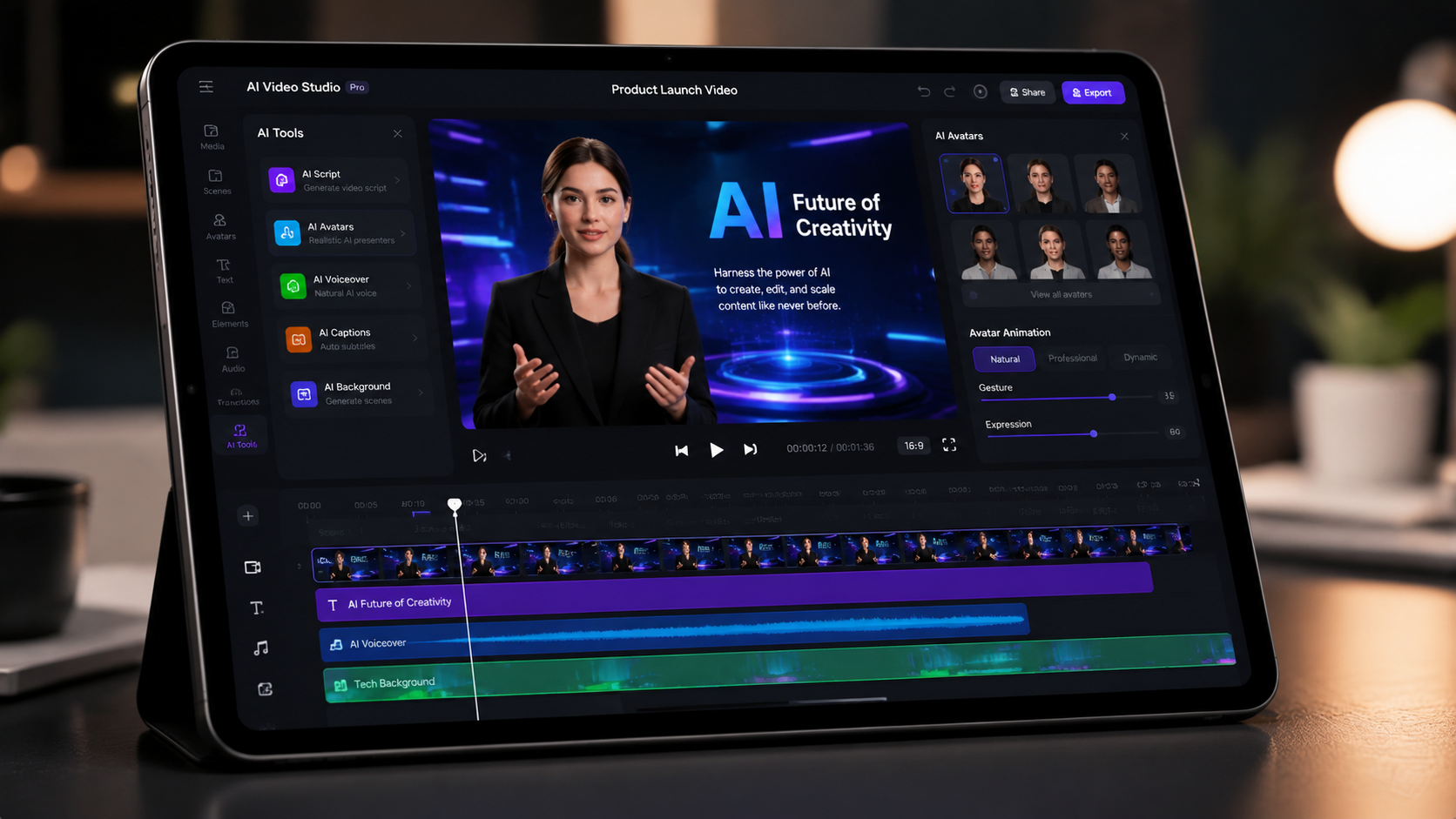
The current year marks a significant turning point in the AI wars. As reported by the Financial Times in May 2026, Chinese AI groups have officially pulled ahead of US rivals in the video generation race. This shift has massive implications for global businesses, as tools originating from the East now offer superior temporal consistency—meaning characters and objects no longer "morph" or flicker during long-form video generation. For Western businesses, this means exploring international APIs to find the highest quality output for their marketing campaigns.
Conversely, the US market has seen a consolidation of players. In a surprising move during March 2026, OpenAI reportedly killed its "Sora" video application. Following what critics described as a "disastrous" initial rollout plagued by "AI slop," Artnet News confirmed that OpenAI scrapped the standalone Sora app to focus on back-end infrastructure. This has left a vacuum that agile companies like Runway have quickly filled, rolling out new models that beat both Google and OpenAI in key benchmarks for realism and motion accuracy.
Comparing Top Text to Video Platforms for 2026
When selecting the best text to video AI for businesses, it is essential to compare the current market leaders based on their 2026 performance metrics. The following table highlights the key differences between the top-tier options currently available for enterprise use.
| Platform | Primary Strength | Energy Efficiency | Best For... |
|---|---|---|---|
| Runway (Latest Gen) | Cinematic Realism | High | High-end Brand Commercials |
| Leading Chinese Models | Temporal Consistency | Medium | Long-form Storytelling & Training |
| Google Veo 2 | Ecosystem Integration | Very High | YouTube & Workspace Users |
| OpenAI (API Only) | Natural Language Logic | Low | Custom App Developers |
Environmental Impact and Sustainable Video Generation
A critical consideration for the modern C-suite is the environmental cost of AI. As Forbes noted in late 2025, while the public was initially concerned about the energy use of text-based LLMs, the energy requirements for video generation are exponentially higher. In 2026, "Green AI" has become a competitive advantage. Businesses are now being asked to report on the carbon footprint of their synthetic media departments.
To mitigate these concerns, many providers have introduced "Eco-Rendering" modes. These modes utilize more efficient algorithms that may take slightly longer to process but reduce the total kilowatt-hours per frame. When choosing your text to video AI for businesses, look for vendors that provide transparent energy-use reports. This not only aids in your Corporate Social Responsibility (CSR) goals but also reduces the long-term operational costs associated with high-compute tasks.
The Rise of "Small" Video Models
To combat energy costs, 2026 has seen the rise of "Small Video Models" (SVMs). Unlike the massive models that attempt to understand the entire world, SVMs are trained on specific domains—such as real estate tours, product showcases, or corporate interviews. By narrowing the scope, these models require less power and often produce more accurate results for niche business applications. According to industry experts, using a domain-specific model can reduce energy consumption by up to 40% compared to general-purpose video generators.
Strategic Benefits of Text to Video AI for Businesses
The primary driver for adopting text to video AI for businesses is the democratization of high-quality video production. In the past, a 30-second professional spot required a film crew, lighting, and weeks of post-production. Today, a single marketing manager can generate a comparable asset in an afternoon. This speed-to-market is invaluable in a digital landscape where trends change in hours, not months.
Furthermore, AI video allows for unprecedented personalization. Businesses can now generate thousands of versions of the same video, each tailored to a specific demographic, language, or geographic location. This level of hyper-personalization was previously cost-prohibitive but is now a standard feature in 2026 enterprise video suites. By speaking directly to the consumer's specific needs through visual storytelling, companies are seeing a marked increase in conversion rates and brand loyalty.
Risk Management and Brand Safety
Despite the advantages, the "slop" factor remains a concern. The term, popularized during the 2026 fallout of early video apps, refers to AI-generated content that is visually impressive but logically incoherent or culturally insensitive. To avoid this, businesses must implement strict editorial oversight. Every video generated should pass through a "Human-in-the-Loop" (HITL) protocol to ensure that the AI hasn't hallucinated incorrect product features or violated copyright standards. Using tools with built-in "Content Credentials" (digital watermarks) is also essential for maintaining transparency with your audience.
Future-Proofing Your Video Strategy
As we move through 2026, the focus is shifting from "how to make a video" to "how to make the right video." Integration is the key. The best text to video AI for businesses should not live in a silo; it should connect directly to your CRM, your asset library, and your social media scheduling tools. This creates a seamless loop where data informs the prompt, the AI generates the video, and the performance metrics of that video automatically refine the next prompt.
Investing in training for your creative team is also paramount. The role of the "Video Editor" is evolving into that of a "Prompt Engineer and AI Director." Empowering your staff to master these tools today ensures that your business won't be left behind as the technology matures toward 2027 and beyond. The goal is to use AI to handle the repetitive, labor-intensive parts of production, freeing your human talent to focus on high-level strategy and creative vision.
Frequently Asked Questions
What is the most reliable text to video AI for businesses in 2026?
Currently, Runway is considered the most reliable for Western businesses due to its high benchmark scores and enterprise-grade security. However, for companies requiring the highest level of motion consistency, certain Chinese models have become the preferred choice for long-form content.
Did OpenAI stop making video AI?
OpenAI scrapped its consumer-facing Sora app in early 2026 following a series of technical setbacks. While they no longer offer a standalone video app, they continue to provide video generation capabilities via specialized APIs for enterprise partners.
Is AI-generated video energy efficient?
Generally, video generation is very energy-intensive. However, 2026 has seen the introduction of "Eco-Rendering" and Small Video Models (SVMs) that allow businesses to significantly reduce their carbon footprint while still producing high-quality content.
Can I use AI video for commercial purposes?
Yes, most enterprise-level text to video AI for businesses includes commercial usage licenses. It is crucial to verify that the training data for the model was ethically sourced to avoid potential copyright disputes.
How long does it take to generate a business video with AI?
In 2026, a 60-second high-definition clip typically takes between 5 to 15 minutes to render, depending on the complexity of the prompt and the energy-efficiency settings selected by the user.



Comments ()