
How to Create AI Deepfakes: 2026 Complete Step-by-Step Guide
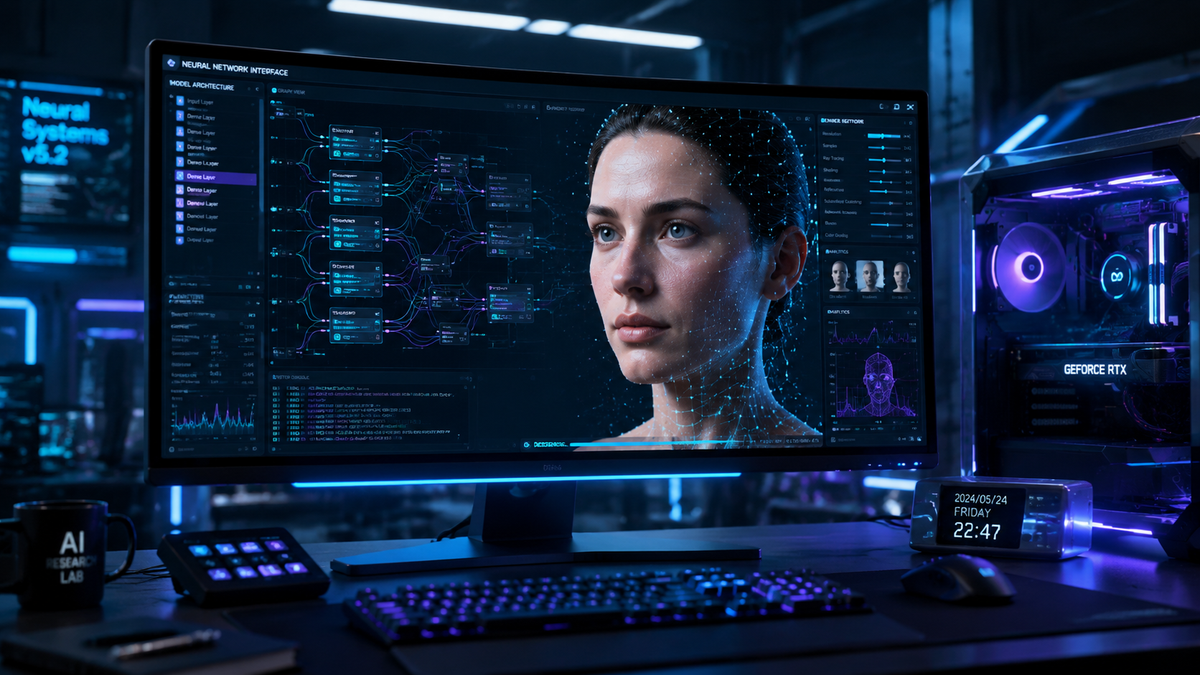
Learning how to create ai deepfakes involves using sophisticated generative adversarial networks (GANs) and diffusion models to overlay a person's likeness onto a source video or audio file. In 2026, the process has become more accessible through cloud-based platforms and localized high-performance software, requiring a target dataset of images and a source video to act as the template for movement and expression.
Creating AI deepfakes is the process of using artificial intelligence to replace the likeness of one person with another in video or audio. By leveraging neural networks, creators can map facial features and voice patterns from a target subject onto a source file, resulting in highly realistic synthetic media used for entertainment, education, and digital art.
- ✓ Deepfake technology in 2026 utilizes real-time rendering and low-latency diffusion models.
- ✓ Legal compliance is mandatory, as EU and US state laws now strictly regulate synthetic content.
- ✓ High-quality deepfakes require a diverse dataset of the target subject's facial expressions.
- ✓ Ethical usage and digital watermarking are standard industry practices for responsible creators.
The 2026 Step-by-Step Guide on How to Create AI Deepfakes
The landscape of synthetic media has shifted dramatically. While early iterations of deepfake technology required extensive coding knowledge, the tools available in 2026 are streamlined. However, the hardware requirements remain significant if you are processing high-definition 4K or 8K video. To understand how to create ai deepfakes effectively, you must follow a structured pipeline that ensures both visual fidelity and temporal consistency.
- Select Your Target and Source Material: Gather a "target" dataset (images or video of the person you want to recreate) and a "source" video (the movement template).
- Pre-processing and Alignment: Use AI tools to extract faces from both sets of media, aligning them to a standard coordinate system so the neural network can recognize features like eyes, nose, and mouth.
- Model Training: Choose a model architecture (such as DF-HD or the latest 2026 Diffusion-Swap) and train the AI to find the commonalities between the source and target faces.
- Merging and Conversion: Once the loss value is sufficiently low, "swap" the faces in the source video. This step involves adjusting skin tone, lighting, and blur to match the original environment.
- Post-Production Refinement: Apply temporal filters to prevent "flickering" and use AI upscalers to ensure the final output matches the resolution of modern displays.
Technical Requirements for High-Fidelity Deepfakes
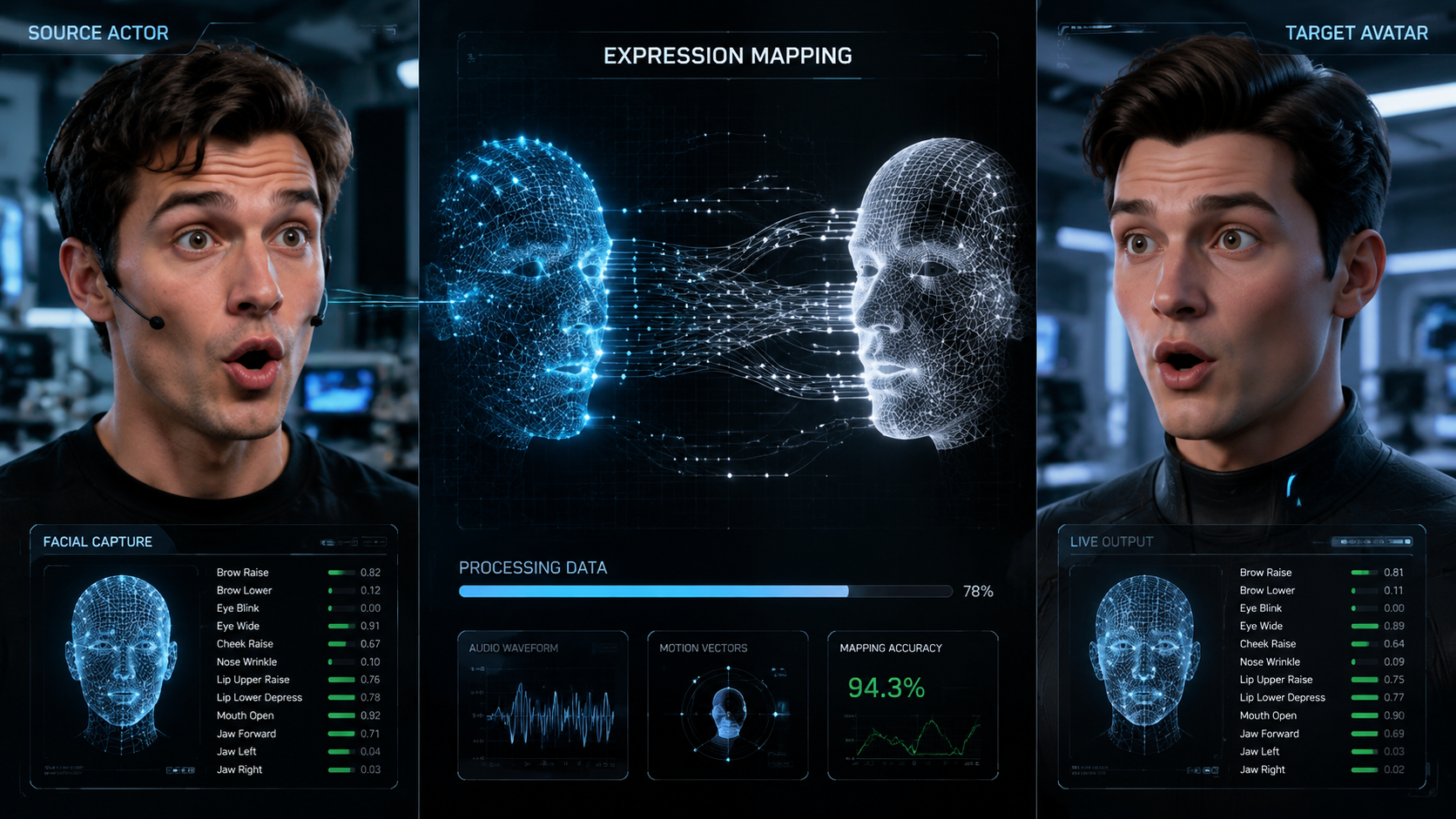
Hardware remains the biggest bottleneck for creators. According to recent technical benchmarks, a GPU with at least 24GB of VRAM is recommended for local training to avoid memory overflow during the "deep learning" phase. Many creators in 2026 have moved to decentralized cloud computing, which allows for faster iteration cycles without the need for expensive local rigs.
Data Collection Strategies
The quality of your deepfake is directly proportional to the quality of your data. To master how to create ai deepfakes, you need a diverse dataset. This includes "angles" (profile, front-on, looking up/down) and "expressions" (smiling, shouting, blinking). In 2026, synthetic data augmentation tools can now take a single high-resolution photo and generate the necessary angles, though real footage is still preferred for the highest level of realism.
Choosing the Right Software Environment
Software options in 2026 range from open-source repositories on GitHub to user-friendly SaaS platforms. While open-source tools offer the most control over hyper-parameters, they require a solid understanding of Python and CUDA libraries. SaaS platforms, on the other hand, provide "one-click" swaps but often come with strict content moderation filters to prevent the creation of non-consensual or harmful media.
Legal and Ethical Landscape in 2026
It is impossible to discuss how to create ai deepfakes without addressing the legal framework. As of May 2026, the regulatory environment has tightened significantly. According to MultiState, state-level deepfake laws have evolved rapidly this year, with many jurisdictions implementing mandatory disclosure requirements for any synthetic media shared on social platforms.
Furthermore, the UN Women organization has highlighted that when justice fails, vulnerable populations often lack protection from deepfake abuse. This has led to the "2026 Digital Integrity Act" in several regions, which criminalizes the creation of non-consensual synthetic content. Creators must ensure they have explicit permission from the subjects involved and include metadata watermarks that identify the content as AI-generated.
According to Harris-Sliwoski, global rules regarding voice cloning and AI impersonation are already in place as of April 2026, though international agreement on enforcement remains a challenge. Additionally, Yahoo News reports that the EU's latest AI legislation now offers direct chatbot support for citizens to report unauthorized deepfakes.
Comparison of Deepfake Creation Methods
There are several ways to approach deepfake creation depending on your goals—whether it's for a cinematic production, a meme, or a historical reenactment. The table below compares the most common methods used in 2026.
| Method | Ease of Use | Quality | Processing Time | Best For |
|---|---|---|---|---|
| GAN-Based Swapping | Moderate | High | 12-24 Hours | Cinematic VFX |
| Latent Diffusion Models | Hard | Ultra-High | 24-48 Hours | Photorealistic Stills/Shorts |
| Real-Time Live Swap | Easy | Medium | Instant | Streaming & Video Calls |
| Cloud SaaS Platforms | Very Easy | High | 1-2 Hours | Marketing & Social Media |
Advanced Techniques: Voice Cloning and Lip Sync
A visual swap is only half the battle. To create a truly immersive experience, you must also master audio deepfakes. Voice cloning technology in 2026 can now replicate a human voice with just a five-second sample. Tools like "Neural-Voice V4" allow creators to map the cadence, pitch, and emotional inflection of a target speaker onto a script.
Achieving Perfect Lip Synchronization
Lip-syncing has seen the most improvement this year. Previous versions often suffered from the "uncanny valley" effect where the mouth movements didn't quite match the phonemes of the audio. Current 2026 models use "Audio-to-Mesh" technology, which generates a 3D mesh of the mouth area based on the audio input before overlaying the skin textures, resulting in a much more natural appearance.
Environmental Lighting and Shadow Matching
One of the tell-tale signs of a deepfake is inconsistent lighting. Advanced creators now use "light-stage" emulation to analyze the light sources in the source video and digitally relight the target face before the merge. This ensures that shadows fall naturally across the nose and cheekbones, making the fake nearly indistinguishable from reality to the naked eye.
Future Trends: The Evolution of Deepfakes
As we move through 2026, the distinction between "real" and "synthetic" continues to blur. Unric notes that deepfakes are increasingly being used for positive applications, such as dubbing films into different languages while maintaining the actor's original performance, or allowing medical patients who have lost their voices to speak again using their original tone.
However, the New Pittsburgh Courier warns that deepfake laws are not moving at the speed of AI. This gap between technological capability and legal recourse means that the responsibility falls on the creator. Ethical "white-hat" deepfaking involves using the technology for creative expression while actively fighting against misinformation by supporting detection tools and blockchain-based media verification.
Frequently Asked Questions
Is it legal to create deepfakes in 2026?
It depends on the context and consent. While creating deepfakes for parody or education is generally protected, many regions like the EU and various US states have passed laws requiring clear labeling and prohibiting non-consensual or defamatory content.
What is the best software for how to create ai deepfakes?
In 2026, the leading tools include open-source frameworks for professionals and cloud-based AI suites for beginners. The "best" software depends on your hardware capabilities and the level of realism required for your project.
How long does it take to train a deepfake model?
With a modern high-end GPU, a high-quality model typically takes between 12 and 48 hours to train. Cloud-based distributed computing can reduce this time significantly, sometimes to under 4 hours for less complex swaps.
Can deepfakes be detected by AI?
Yes, there is a "cat and mouse" game between creators and detectors. In 2026, most major social media platforms use automated detection algorithms that look for artifacts in the biological signals, such as unnatural eye blinking or blood flow patterns in the skin.
Do I need a lot of photos to make a deepfake?
While 2026 technology allows for "few-shot" learning with as little as 10-20 photos, a robust dataset of 500 to 1,000 varied images is still the gold standard for creating a deepfake that holds up under close scrutiny.
By following this guide, you now have a comprehensive understanding of how to create ai deepfakes in 2026. Always remember to use these powerful tools ethically and stay updated on the latest local regulations to ensure your creative projects remain compliant and respectful of digital rights.



Comments ()