
10 Best AI Music Video Creators 2026: Top Tools Ranked
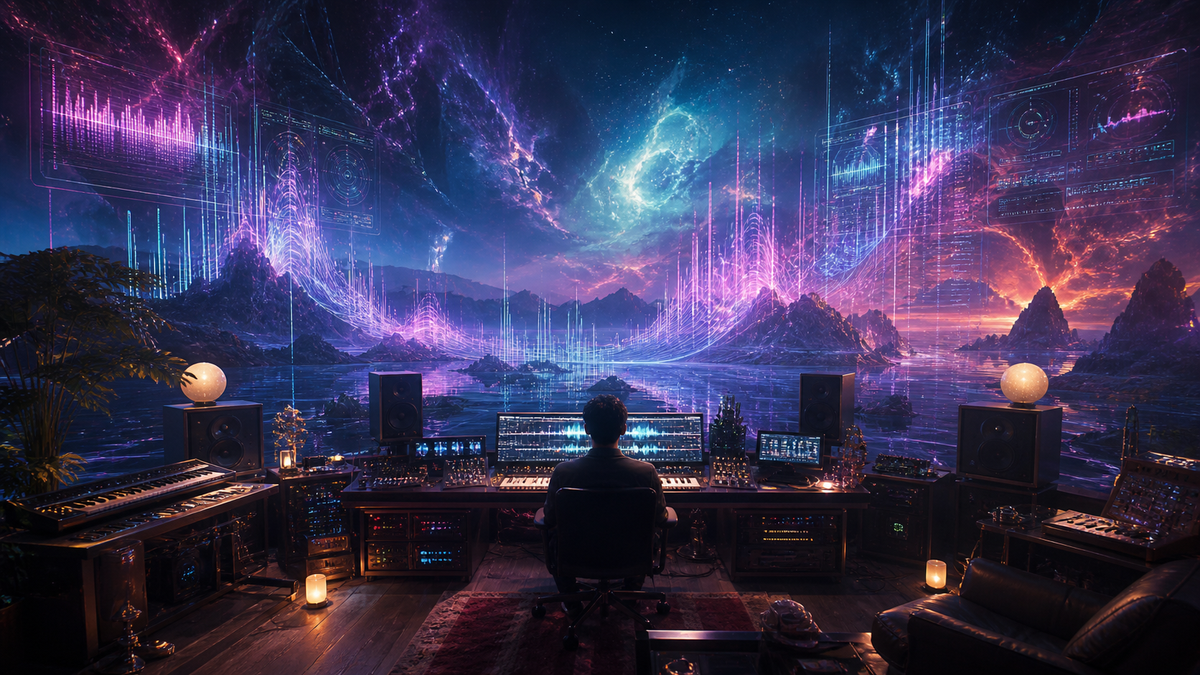
The best ai music video creators 2026 are advanced generative platforms that transform audio files into high-definition, synchronized visual experiences using diffusion models and neural temporal alignment. In 2026, these tools have evolved beyond simple slideshows to offer frame-accurate lip-syncing, physics-based motion, and cinematic lighting that rivals traditional studio productions. Musicians now use these platforms to reduce production costs by up to 90% while maintaining creative control over their visual branding.
An AI music video creator is a specialized software that utilizes machine learning to analyze the rhythm, mood, and lyrics of a song to generate matching cinematic visuals. In 2026, the industry leaders include Sondo AI, Kaiber, and specialized tools featured by TechRadar, which offer real-time rendering and seamless audio-to-video synchronization for independent and professional artists alike.
- ✓ AI music video creators 2026 now support 8K resolution and 120fps output for professional-grade releases.
- ✓ Sondo AI has emerged as a dominant force, marking its one-year milestone in April 2026 with high-performance generative features.
- ✓ Modern tools utilize "Neural Sync" technology to ensure visual transitions align perfectly with BPM and percussion hits.
- ✓ Leading platforms offer "Style Consistency" modes to ensure characters remain identical across different scenes and shots.
How to Use AI Music Video Creators 2026: A Step-by-Step Guide
Creating a professional-grade music video no longer requires a six-figure budget or a massive film crew. With the current generation of generative AI, the workflow has become streamlined, allowing artists to focus on the creative vision rather than technical hurdles. According to a 2026 practical guide from vocal.media, the modern production pipeline is centered on "iterative prompting," where the AI acts as a digital cinematographer responding to the artist's direction.
- Upload Your Audio: Start by uploading a high-fidelity WAV or MP3 file. The AI will analyze the waveform to detect beats per minute (BPM), frequency shifts, and emotional peaks.
- Define the Visual Narrative: Input text prompts or upload reference images to establish the "world" of your video. In 2026, tools allow for "Multi-Prompt Layering" to separate background styles from character actions.
- Configure Temporal Motion: Use settings like "Evolve" or "Motion Sensitivity" to dictate how much the visuals change in response to the music's energy.
- Generate and Refine: Render a low-resolution preview to check for synchronization. Most ai music video creators 2026 now offer "Seed Locking" to keep specific visual elements consistent across different renders.
- Upscale and Export: Once satisfied, use the platform's internal upscaler to export in 4K or 8K resolution, optimized for platforms like YouTube, TikTok, or Instagram Reels.
Comparison of Leading AI Music Video Generators 2026
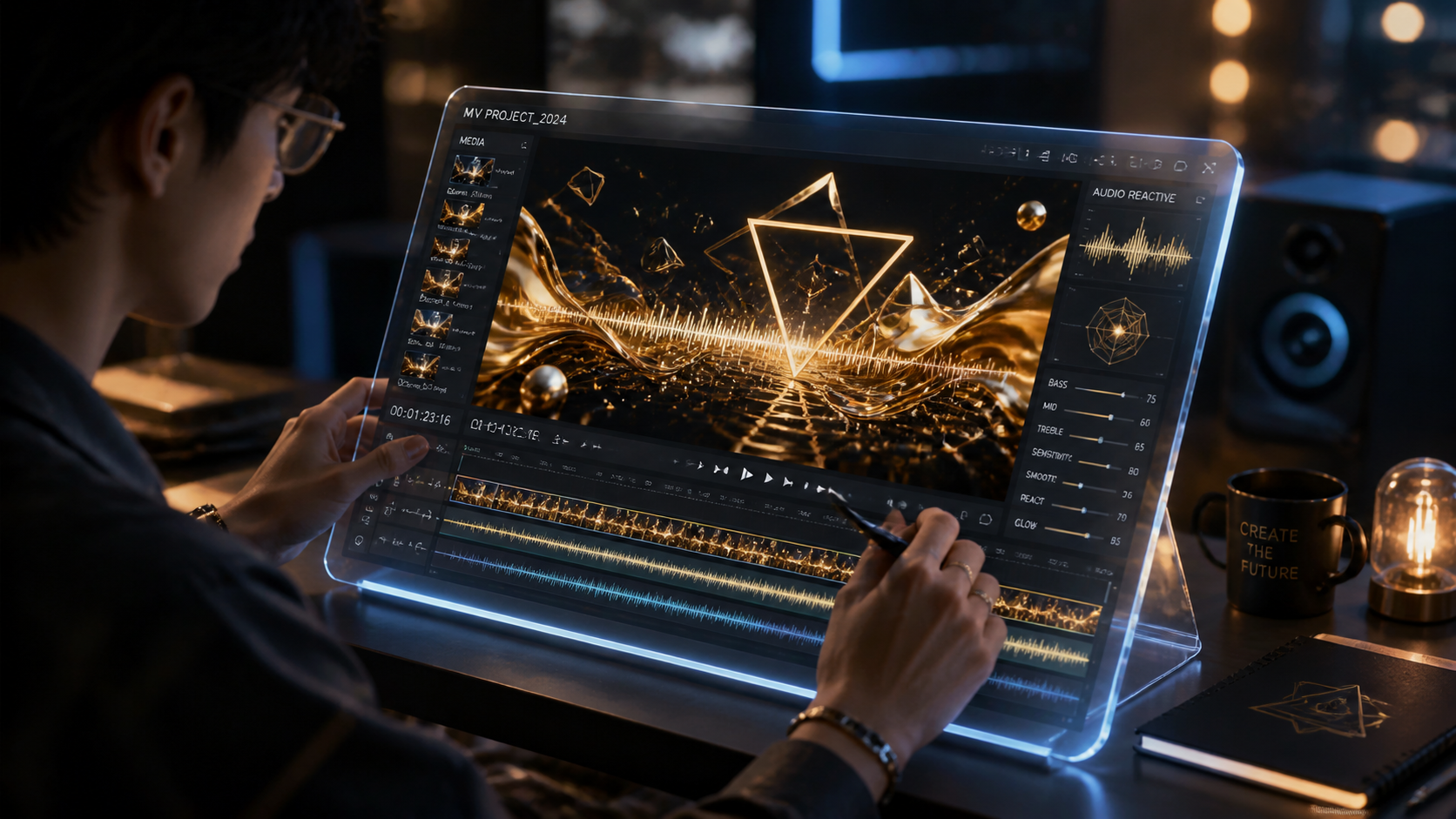
To help you choose the right tool for your specific genre and technical needs, we have compared the top-performing platforms based on recent industry testing. According to NoHo Arts District, which recently tested five major tools for indie musicians, the choice often comes down to the balance between creative freedom and ease of use.
| Platform | Best For | Key Feature | Pricing Model |
|---|---|---|---|
| Sondo AI | Cinematic Realism | One-Year Milestone Stability | Subscription / Pay-per-render |
| Kaiber Pro | Stylized Animation | Audio-Reactive Transformation | Monthly Credits |
| NeuralFrames | Electronic Music | BPM-Locked Modulation | Tiered Membership |
| Sora Muse | Long-form Narrative | Extended Context Window | Enterprise / Pro |
| Wonder Dynamics | VFX & CGI | Auto-Rigging Characters | Professional Suite |
1. Sondo AI: The 2026 Industry Standard
As reported by The Manila Times in April 2026, Sondo AI has officially marked its one-year milestone as one of the hottest AI music video generators on the market. It has gained significant traction due to its ability to transform music video creation from a months-long process into a matter of hours. Sondo AI utilizes a proprietary "Sonic-Visual Bridge" that ensures every snare hit and bass drop corresponds to a specific visual shift or camera movement.
For artists looking for ai music video creators 2026 that offer a balance of realism and abstract art, Sondo AI is the premier choice. Its latest update includes a "Director Mode" where users can specify camera angles (e.g., "dolly zoom" or "low-angle tracking") that respond dynamically to the song's intensity. This level of control was previously only available in expensive 3D animation software.
2. Kaiber: The King of Audio-Reactive Art
Kaiber remains a staple for musicians who want an "illustrated" or "dream-like" aesthetic. In 2026, Kaiber has expanded its feature set to include "Motion Control Maps," allowing users to draw specific paths for the AI to follow. This is particularly useful for psychedelic or electronic genres where the visual movement needs to be as fluid as the synthesizer leads. New Wave Magazine ranks Kaiber as one of the top 5 tools for musicians specifically because of its intuitive interface that doesn't overwhelm the user with technical jargon.
The 2026 version of Kaiber introduces "Live Stream Integration," enabling VJs and performers to generate reactive visuals in real-time during live sets. This bridge between studio production and live performance has made it a favorite at events like the AI Music & Creators Conference at Bennett College held in April 2026.
3. NeuralFrames: Precision for Electronic Producers
NeuralFrames has carved out a niche by focusing on the mathematical relationship between sound and image. For producers who demand that their ai music video creators 2026 respect the exact timing of their MIDI data, NeuralFrames is the go-to solution. It allows for "Neural Modulation," where specific audio frequencies (like sub-bass) can be mapped to visual parameters like "glitch intensity" or "color saturation."
According to TechRadar, which tested over 70 AI tools in early 2026, NeuralFrames stands out for its "Node-Based Workflow." While it has a steeper learning curve than Sondo AI, the granularity of control it offers over the final render is unmatched for those who want to fine-tune every frame of their music video.
4. Runway Gen-4: The Professional's Choice
Runway continues to push the boundaries of "Text-to-Video" and "Video-to-Video" technology. In 2026, the Gen-4 model has perfected the art of "Temporal Consistency," meaning that a person’s face or a specific object will not "melt" or change shape throughout a 3-minute music video. This makes it ideal for narrative-driven videos where a consistent protagonist is required.
5. Sora Muse: Narrative Depth
Sora Muse is the music-specific branch of the famous Sora ecosystem. It excels at creating long-form, coherent stories. If your song is a 7-minute epic, Sora Muse can maintain the setting and character details from the first second to the last, a feat that many other ai music video creators 2026 still struggle with. It is often cited as the primary tool for "Cinematic Visual Albums."
Choosing the Best AI Music Video Creators 2026 for Your Genre
Not all AI tools are created equal, and the "best" tool often depends on the genre of music you produce. For example, Hip-Hop artists often prefer the gritty, realistic textures of Sondo AI, while Lo-Fi producers might lean toward the nostalgic, painterly styles offered by platforms like Artbreeder Video or Kaiber. Studies show that visual consistency is the number one factor in viewer retention on platforms like YouTube and TikTok.
In 2026, the concept of "Hybrid Production" has become the norm. This involves using one AI tool to generate the primary footage and another to apply specialized filters or upscaling. As vocal.media notes in their 2026 guide, the most successful creators are those who treat AI as a collaborator rather than a "set-and-forget" button. By combining different ai music video creators 2026, artists can create a unique visual signature that is impossible to replicate with a single tool.
The Impact of AI on the Music Industry in 2026
The rise of these tools has democratized the visual side of the music industry. As discussed at the AI Music & Creators Conference at Bennett College in April 2026, the barrier to entry for high-quality visual storytelling has effectively vanished. Indie musicians can now compete with major label artists in terms of visual spectacle, allowing the music itself to become the primary differentiator once again.
Frequently Asked Questions about AI Music Video Creators
What is the best AI music video creator in 2026?
Sondo AI is currently considered the top choice for 2026 due to its realistic rendering and its one-year track record of reliability and innovation. Other strong contenders include Kaiber for artistic styles and NeuralFrames for technical, frequency-based precision.
Can I use AI to make a music video for free?
Most ai music video creators 2026 offer a "freemium" model where you can generate short previews or low-resolution clips for free. However, professional features like 4K export, no watermarks, and high-priority rendering typically require a monthly subscription or a per-project fee.
Is it legal to use AI-generated music videos on YouTube?
Yes, it is legal, but you must ensure you have the commercial rights to the AI output, which is usually granted through a paid subscription. In 2026, YouTube requires creators to label content that is significantly altered or generated by AI to maintain transparency with the audience.
How long does it take to generate a 3-minute music video?
With 2026 hardware and cloud processing, a full 3-minute video can be rendered in roughly 30 to 60 minutes depending on the complexity of the prompts. This is a massive improvement over the multi-hour or multi-day render times seen in previous years.
Do these tools work with all music genres?
Yes, modern AI video tools are genre-agnostic. They analyze the mathematical properties of the audio (BPM, dynamics, and frequency) rather than the "style," making them equally effective for everything from heavy metal and classical to trap and ambient music.
As we move further into 2026, the landscape of ai music video creators 2026 will continue to shift. With the integration of real-time 3D engines and even more sophisticated neural networks, the line between "AI-generated" and "human-captured" content will continue to blur. For the modern musician, mastering these tools is no longer an option—it is a necessity for staying relevant in a visually-driven digital economy.
Comments ()