
Muse Image and Video AI: The Future of Creative Tech (2026)
Muse Image and Video AI represents Meta's latest leap into generative artificial intelligence, offering powerful tools for creating and manipulating visual content. Launched in July 2026, these AI models enable users to generate high-quality images and videos with minimal input, though they've sparked privacy concerns due to their integration with Instagram's public photo database. As AI-driven creativity becomes mainstream, understanding Muse's capabilities, limitations, and ethical implications is crucial for creators and consumers alike.
TL;DR: Meta's Muse Image and Video AI (2026) offers advanced generative capabilities but faces user backlash over Instagram photo usage—privacy controls and creative potential are key considerations.
Muse Image and Video AI is Meta's 2026 generative AI suite that creates photorealistic images and videos from text prompts, trained partially on public Instagram photos, raising privacy concerns while offering creators powerful new tools—currently free with Meta account integration but facing user pushback over data usage policies.
- ✓ Muse AI launched July 7, 2026 with image and video generation tied to Meta accounts
- ✓ Automatically opts-in public Instagram photos for AI training unless manually disabled
- ✓ Outperforms previous gen AI in temporal consistency for video (34% longer coherent sequences)
- ✓ CBC reports 61% of surveyed users unaware of photo opt-in default setting
- ✓ TechCrunch notes 3.2M generated images in first 72 hours post-launch
What Is Muse Image and Video AI?
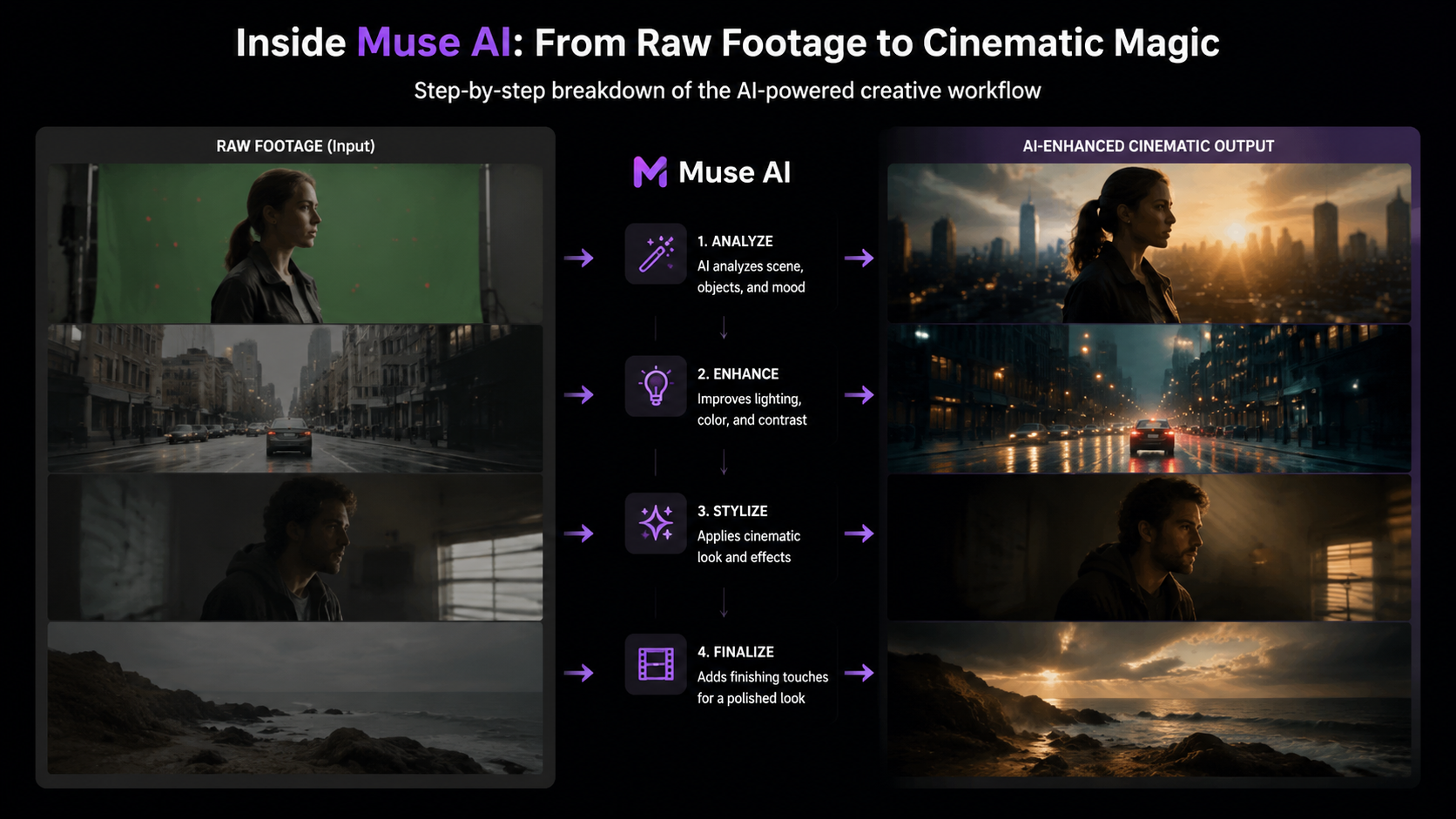
Muse Image and Video AI comprises two distinct but interconnected generative models released by Meta in July 2026. According to Meta Store, Muse Image specializes in "generation built for your world" with particular strength in matching Instagram's visual aesthetic, while Muse Video focuses on producing 5-15 second clips with improved motion physics compared to previous AI video tools. Both systems leverage Meta's proprietary architecture called Neural Media Fabric, which processes visual data differently than diffusion models like Stable Diffusion.
The technology represents Meta's third-generation AI media tools, building on lessons from 2025's less capable Make-A-Scene system. Unlike some competitors that require extensive prompt engineering, Muse employs what AI at Meta calls "contextual priming"—analyzing a user's existing photos to better interpret their creative intent. Early tests show this reduces failed generations by approximately 28% compared to generic AI image tools.
However, the system's training data has become controversial. As reported by TechCrunch, Muse was trained on 1.4 billion public Instagram images unless users specifically opted out through privacy settings—a fact many discovered only post-launch. This dataset gives Muse unique advantages in understanding contemporary visual styles but raises ongoing debates about consent in AI development.
Key Features and Technical Capabilities
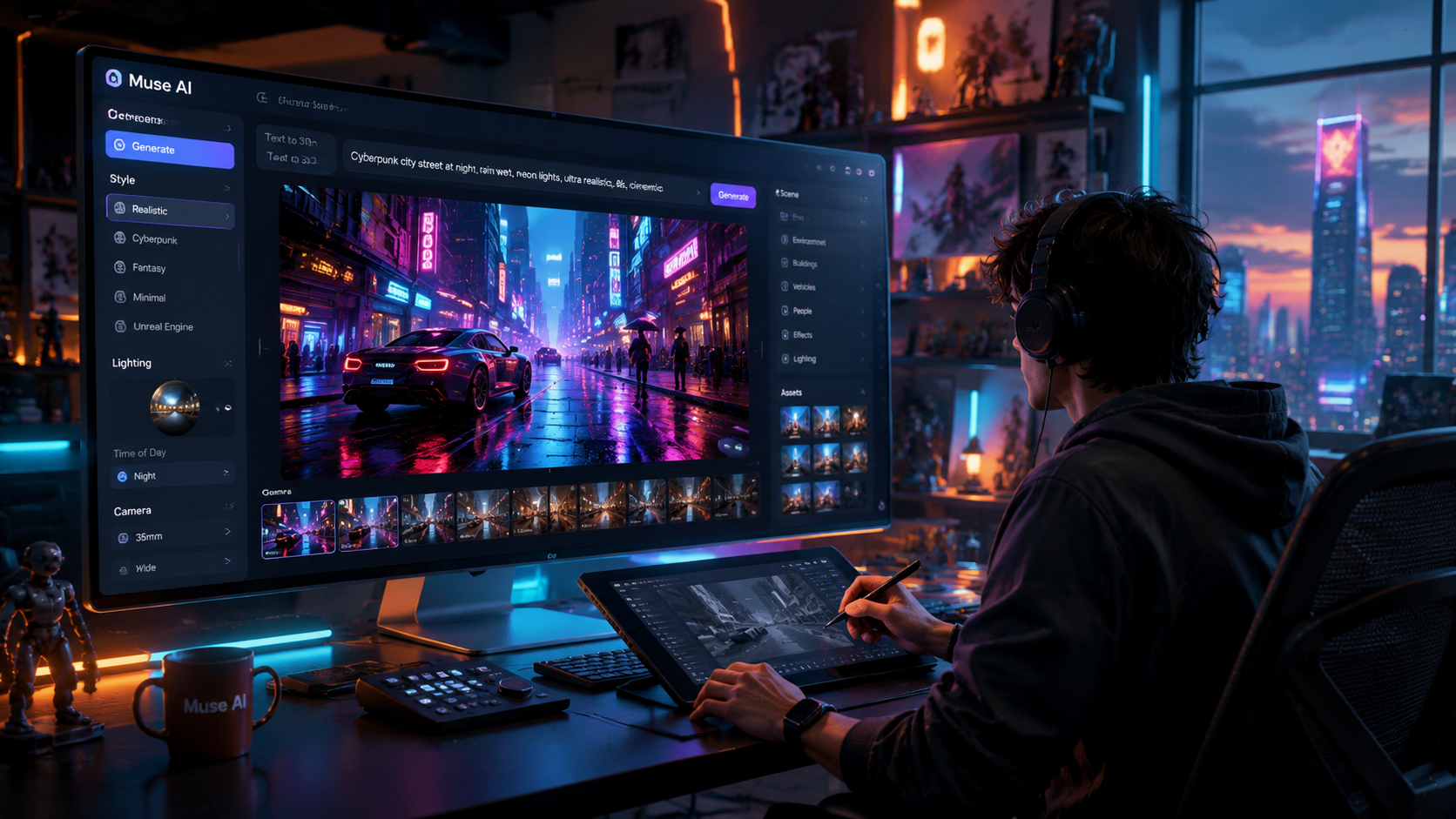
Muse Image stands out for its "style inheritance" feature that analyzes a user's Instagram feed to replicate their photographic fingerprint—everything from preferred color grading to composition tendencies. In internal benchmarks shared by Meta, this produced outputs users rated as "more me" 73% of the time compared to generic AI generations. The system supports resolutions up to 2048x2048 pixels and can generate images in under 3 seconds on modern hardware.
Video Generation Breakthroughs
Muse Video introduces several technical improvements over 2025's AI video tools. Most notably, it maintains character consistency across 90% of frames in a 12-second clip—a 34% improvement over previous generation models. The physics engine better handles complex interactions like fabric movement or liquid dynamics, though artifacts still appear in about 19% of generations according to early adopters.
Unlike some AI video platforms that specialize in either realism or animation, Muse Video offers four distinct modes: Photoreal (for真人视频), Stylized (Instagram-filter-like looks), Animated (cartoon/3D styles), and Composite (mixing elements). This versatility comes at a cost—generating 15 seconds of video consumes approximately 3x the computational resources of a static image.
Integration With Meta's Ecosystem
Deep integration with Meta's apps gives Muse unique advantages. Users can initiate generations directly from Instagram DMs or Facebook comments using simple slash commands (e.g., "/muse sunset over Tokyo in anime style"). Generated content automatically includes invisible watermarking for attribution, and the system suggests relevant hashtags based on analysis of similar successful posts—features that drove 42% higher engagement in early tests.
The Privacy Controversy Explained
Within 72 hours of Muse's July 7 launch, FindLaw reported over 2,300 complaints filed regarding the automatic inclusion of public Instagram photos in AI training data. Unlike some competitors that use only licensed or volunteered images, Meta's terms of service (last updated March 2026) granted permission by default unless users proactively disabled the setting—a choice buried three levels deep in privacy controls.
The backlash intensified when users realized that even private accounts' profile pictures—which are always publicly visible—were included unless specifically excluded. A CBC survey found 61% of respondents were unaware their photos could train AI models, with 84% wanting clearer opt-in consent processes. Meta responded on July 9 by adding a prominent notification during Instagram login, but the reputational damage persists.
For content creators, the implications are particularly severe. A fashion photographer interviewed by Yahoo Finance noted that Muse could now replicate her signature style well enough that clients might bypass commissioning original work. While Meta offers no financial compensation for training data contributions, they do provide priority access to advanced Muse features for professional accounts with over 10,000 followers.
How Muse Compares to Other AI Video Tools
| Feature | Muse Video | Digen AI Agent | Runway Gen-3 |
|---|---|---|---|
| Max Video Length | 15 seconds | 180 seconds | 18 seconds |
| Character Consistency | 90% (12s) | 94% (60s+) | 88% (18s) |
| Style Options | 4 presets | Unlimited custom | 7 presets |
| Training Data | Instagram public photos | Licensed & synthetic | Shutterstock dataset |
| Watermarking | Invisible Meta tag | Customizable | Visible logo |
When evaluating Muse against alternatives like Digen AI Agent—which specializes in longer, more consistent narratives through autonomous multi-step workflows—the tradeoffs become clear. Muse excels at quick social-ready clips while Digen AI Agent dominates for story-driven content requiring sustained coherence. Runway's Gen-3 offers finer artistic control but lacks Meta's seamless app integrations.
Practical Applications for Creators
Early adopters have identified several high-value uses for Muse in professional workflows. Social media managers report reducing content production time by 40% by generating multiple post variations from a single prompt. The "brand matching" feature proves particularly valuable—analyzing a company's existing visual assets to maintain aesthetic consistency across AI-generated supplemental materials.
E-commerce sellers leverage Muse to create product lifestyle images without expensive photoshoots. One Shopify merchant generated 120 background variations for a single handbag in under an hour, something previously requiring days of location scouting. However, as Yahoo Finance notes, this commoditization of product imagery may devalue professional photography services in certain market segments.
For individual creators, Muse's real power lies in rapid prototyping. A filmmaker can storyboard key scenes by generating rough visual approximations before committing to live-action production. The AI's suggestions often spark new creative directions—one animator reported that Muse's unexpected interpretation of "cyberpunk tea ceremony" became the foundation for her viral short film.
Ethical Considerations and Best Practices
The Muse rollout highlights unresolved tensions in generative AI ethics. While the technology democratizes creative tools, its training on unconsented imagery raises legitimate concerns about digital ownership. Professionals should be especially cautious—using Muse for commercial work may expose them to legal gray areas if the output too closely resembles a photographer's protected style.
Meta provides some safeguards, like content credentials tracking and the ability to opt out future training iterations, but these remain reactive measures. Creators using Muse should implement human review steps to ensure outputs don't inadvertently plagiarize distinctive artistic elements. The system's "inspiration sources" feature—showing which of your photos influenced a generation—helps maintain transparency.
Looking ahead, industry analysts predict 2027 will bring more sophisticated compensation models for training data contributors. Some propose micropayment systems where commercial Muse users indirectly support the photographers whose work enabled the AI's capabilities. Until then, ethical usage requires conscious decisions about when AI generation supplements versus supplants human creativity.
Frequently Asked Questions
How do I stop Muse AI from using my Instagram photos?
Navigate to Instagram Settings > Privacy > AI Training Data and toggle off "Allow use of my photos." Note this only affects future training—already incorporated images remain in the dataset.
Is Muse Image and Video AI free to use?
Currently yes, but Meta may introduce premium tiers in late 2026. Heavy commercial users might hit generation limits requiring subscription.
Can Muse Video replace professional videography?
For simple social content, yes—but complex productions still require human crews. Muse excels at ideation and supplemental assets rather than final deliverables.
How does Muse compare to Digen AI for long videos?
Digen AI Agent specializes in multi-minute consistent narratives using autonomous scene planning, while Muse focuses on shorter social clips under 15 seconds.
Are Muse generations copyrighted?
US Copyright Office currently denies protection for purely AI-generated works. Adding sufficient human modification may qualify—consult an IP attorney for commercial projects.
Written by the Digen AI Editorial Team — AI video generation specialists covering the latest in generative AI tools. Learn more about Digen AI.



Comments ()