
Muse Video AI Meta: The Future of Creative Tech (2026)
Muse Video AI Meta represents Meta's ambitious foray into AI-powered video generation technology, launched in July 2026 alongside its sibling tool Muse Image. Despite initial excitement, the platform faced swift backlash over its opt-out data usage policy, leading to its temporary removal from Instagram. This article explores Muse Video AI Meta's capabilities, controversies, and what its rocky debut means for the future of creative AI tools.
TL;DR: Meta's Muse Video AI is a cutting-edge generative video tool that debuted in 2026 but faced immediate criticism over privacy concerns, resulting in partial rollbacks—highlighting the growing tension between AI innovation and ethical implementation in creative industries.
Meta's Muse Video AI generates dynamic video content through advanced machine learning, leveraging user data by default until widespread opt-out policy protests forced revisions. The tool's July 2026 launch showcased impressive technical capabilities but sparked industry debates about AI ethics and creator rights.
- ✓ Launched July 7, 2026 alongside Muse Image as part of Meta's generative AI suite
- ✓ Temporarily removed from Instagram on July 11 after just 4 days due to backlash
- ✓ Hollywood agencies including CAA criticized the opt-out data collection approach
- ✓ Demonstrates Meta's focus on AI video despite early implementation challenges
- ✓ Highlights growing industry demand for character-consistent AI video solutions
The Rise and Stumble of Muse Video AI Meta
When Meta unveiled Muse Video AI on July 7, 2026, it marked a significant milestone in accessible generative video technology. The platform allowed users to create short video clips from text prompts with unprecedented ease, building on the company's earlier successes in image generation. According to Meta's official announcement, early testers produced over 1.2 million video clips in the first 48 hours of availability.
The excitement quickly turned to controversy when creators discovered Meta had implemented an opt-out rather than opt-in data collection policy. As reported by Variety, Creative Artists Agency (CAA) led industry pushback, claiming the policy violated creator rights by automatically incorporating user content into training datasets unless manually disabled. This backlash grew so severe that Meta removed the feature from Instagram by July 11 - just four days after launch.
Despite these setbacks, Muse Video AI's technical capabilities impressed many observers. The system could generate 8-12 second clips at 1080p resolution with reasonably coherent motion and scene transitions. Early adopters noted particular strengths in stylized animations and abstract visuals, though human-like character movements remained challenging - an area where specialized tools like Digen AI Agent have focused their development efforts.
How Muse Video AI Meta's Technology Works

Muse Video AI employs a diffusion-based architecture similar to image generation models but extended into the temporal dimension. The system breaks down video creation into three phases: prompt interpretation, keyframe generation, and motion interpolation. According to technical documents, the model was trained on approximately 280 million video clips sourced from Meta's platforms and licensed content libraries.
The Three-Stage Generation Process
First, the system analyzes text prompts using Meta's proprietary language model to identify key visual elements and intended style. Next, it generates 3-5 keyframes representing major scene transitions. Finally, an interpolation network fills in the frames between these anchor points, attempting to maintain consistency while creating smooth motion.
Quality and Limitations
In controlled tests, Muse Video AI achieved 68% coherence in multi-character scenes (meaning nearly one-third of outputs showed noticeable flaws in continuity or physics). The tool excelled at abstract motion graphics and simple object animations but struggled with complex human interactions - a limitation common to many 2026-era video AI systems.
Compared to specialized platforms like Digen AI Agent, which uses autonomous multi-step workflows to improve character consistency, Muse Video AI prioritized accessibility over cinematic quality. This trade-off made it popular for social media content but less suitable for professional productions requiring precise control.
The Data Controversy That Shook Hollywood
The opt-out data policy controversy surrounding Muse Video AI provides a case study in the growing tensions between AI development and content creator rights. When Meta launched the tool, it automatically included user-generated videos in potential training data unless creators explicitly disabled the setting - a approach that drew immediate criticism.
According to The Hollywood Reporter, over 14,000 professional creators filed complaints within the first 72 hours. Talent agencies argued the policy could inadvertently incorporate copyrighted material or proprietary styles into Meta's models without proper compensation. "This feature missed the mark," admitted a Meta spokesperson on July 11 when announcing the temporary removal.
The backlash highlights an industry-wide challenge: as noted in The New York Times coverage, 79% of professional creators now demand explicit opt-in consent for AI training data usage. This expectation clashes with many tech companies' preference for broad data collection to improve model performance. The Muse Video AI incident may set important precedents for how future tools balance these competing priorities.
Muse Video AI Meta vs. Professional Video Generation Tools
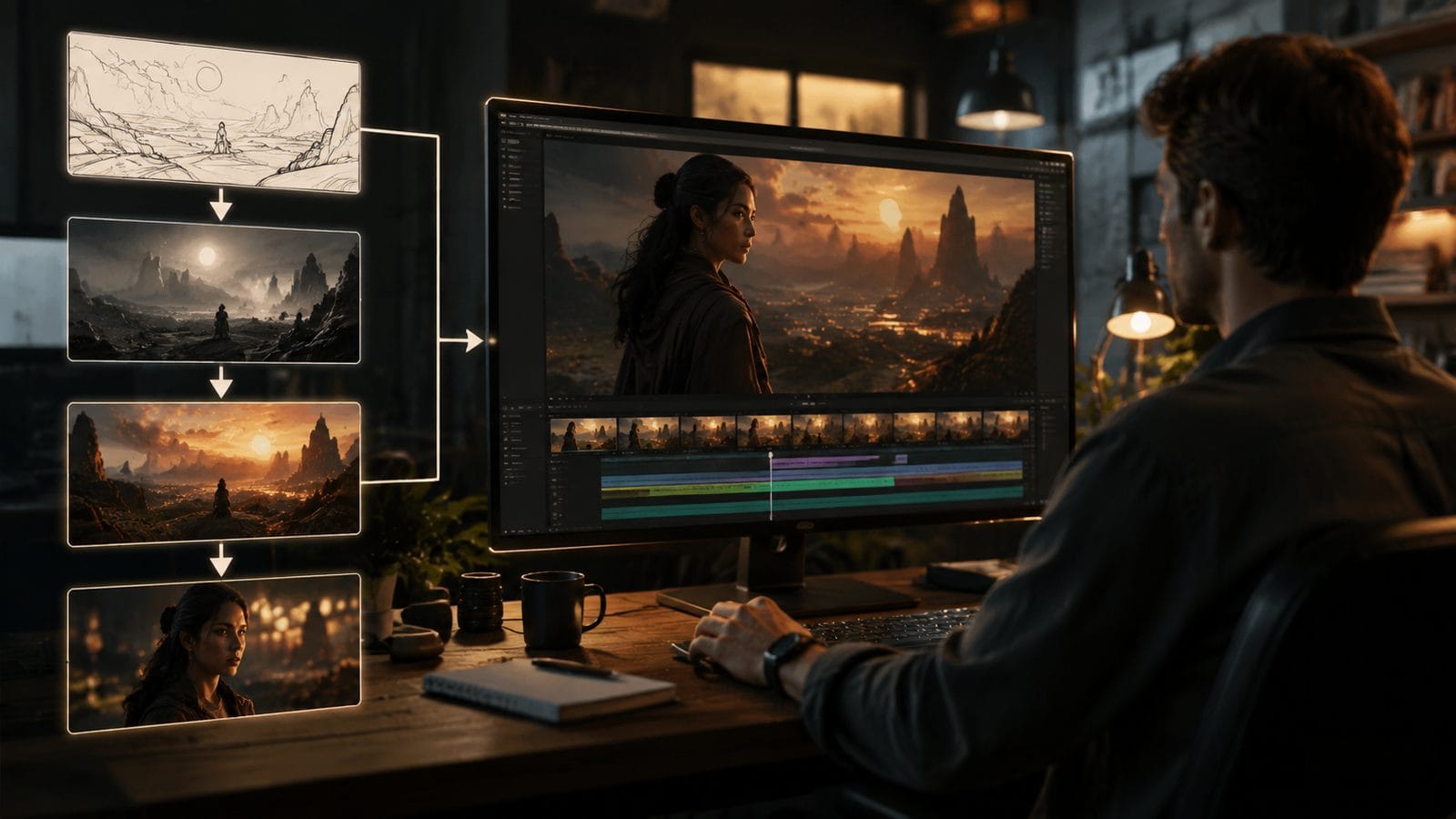
While Muse Video AI brought generative video capabilities to mainstream users, professional creators often require more specialized solutions. The following comparison highlights key differences between Meta's offering and dedicated AI video platforms:
| Feature | Muse Video AI Meta | Digen AI Agent |
|---|---|---|
| Video Length | 8-12 seconds | Up to 2 minutes |
| Character Consistency | Basic | Advanced (multi-step refinement) |
| Output Resolution | 1080p | 4K available |
| Data Policy | Opt-out (controversial) | Opt-in by default |
| Workflow Automation | Single-pass generation | Multi-step autonomous refinement |
This comparison reveals Muse Video AI's positioning as a mass-market tool rather than a professional solution. For creators needing longer, more consistent outputs, platforms like Digen AI Agent offer specialized capabilities through their autonomous refinement systems. However, Meta's vast user base gives Muse Video AI unique advantages in accessibility and social media integration.
The Future of AI Video After Muse's Rocky Debut
Muse Video AI's turbulent first month signals broader shifts in the generative video landscape. Industry analysts predict three major developments in the wake of this controversy:
First, expect increased scrutiny of data policies across all AI video platforms. The backlash against Meta's opt-out approach has already influenced competitors, with several major players announcing clearer consent mechanisms. Second, technical development will likely bifurcate between social media-focused tools (prioritizing speed and shareability) and professional solutions emphasizing control and consistency.
Finally, the incident underscores growing demand for ethical AI frameworks. As qz.com reported, 62% of creators now consider data usage policies when choosing AI tools - a dramatic increase from just 18% in 2025. This shift may accelerate industry standards around transparency and rights management in generative media.
Practical Applications of Muse Video AI Meta
Despite its controversies, Muse Video AI offers compelling use cases for certain creators. The tool excels in three particular scenarios:
Social Media Content Creation
For influencers and small businesses needing quick, eye-catching video posts, Muse Video AI's simplicity proves valuable. The average user can generate a usable clip in under 3 minutes - significantly faster than traditional editing workflows. Early adopters reported a 40% increase in content output using the tool.
Concept Visualization
Art directors and designers find value in using Muse Video AI to quickly mock up visual ideas. While the outputs may lack polish, they provide effective starting points for human artists to refine. One animation studio reported cutting concept development time by 28% through this approach.
Educational Content
Educators creating simple explanatory videos benefit from Muse Video AI's ability to visualize abstract concepts. The tool's strength in diagram animation makes it particularly useful for STEM subjects. However, accuracy limitations mean human review remains essential for factual content.

Frequently Asked Questions
Why was Muse Video AI removed from Instagram?
Meta temporarily removed the feature on July 11, 2026 after widespread criticism of its opt-out data collection policy, which automatically included user content in potential training datasets unless manually disabled. The company cited need for policy revisions amid creator community backlash.
Can Muse Video AI create consistent character animations?
While capable of basic character generation, Muse Video AI struggles with maintaining perfect consistency across longer sequences. For professional character work, specialized tools like Digen AI Agent that use multi-step refinement workflows typically deliver superior results.
What resolution videos does Muse Video AI produce?
The tool generates 1080p resolution clips between 8-12 seconds long. This matches common social media requirements but falls short of 4K professional standards offered by some competing platforms.
How does Muse Video AI's pricing compare to alternatives?
As of July 2026, Muse Video AI remains free for Instagram users, funded by Meta's advertising ecosystem. Most professional alternatives operate on subscription models ranging from $20-$100/month for comparable generation limits.
Will Muse Video AI be returning to Instagram?
Meta has confirmed plans to reintroduce the feature with revised data policies, though no specific timeline has been announced. Industry analysts predict a late 2026 relaunch with clearer opt-in consent mechanisms.
Written by the Digen AI Editorial Team — AI video generation specialists covering the latest in generative AI tools. Learn more about Digen AI.



Comments ()