
AI Video Editing for Filmmakers: 2026 Strategy Guide
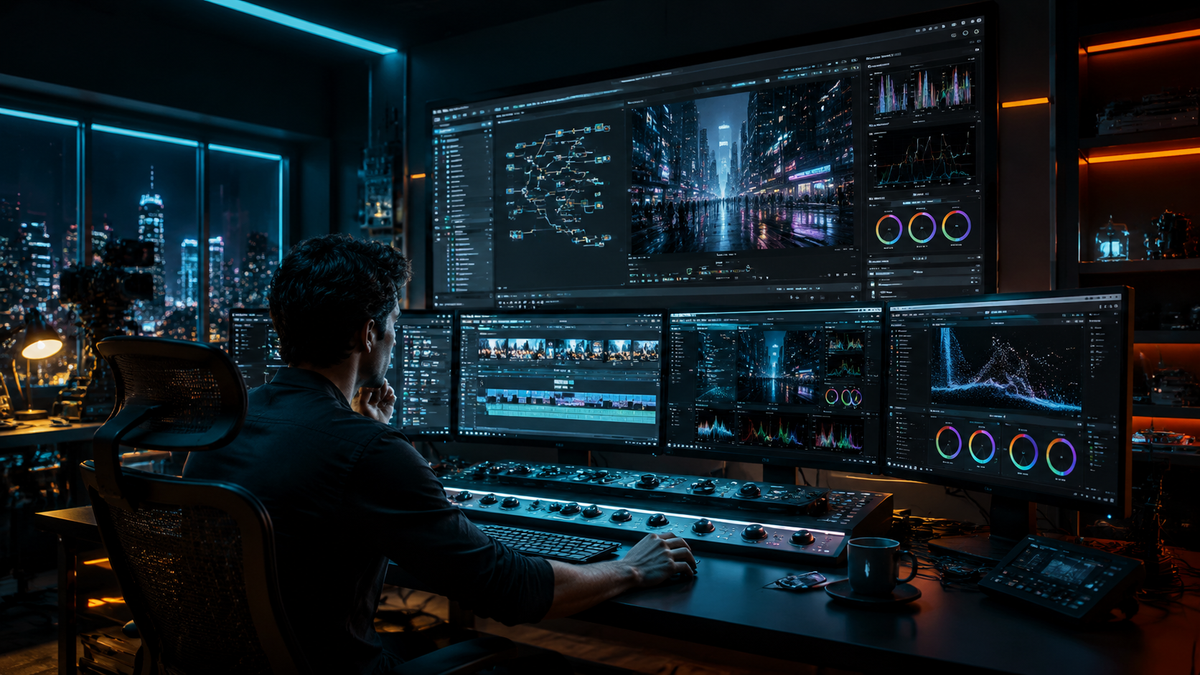
AI video editing for filmmakers is the integration of machine learning algorithms and generative models into the post-production workflow to automate repetitive tasks, enhance visual fidelity, and assist in creative decision-making. In 2026, this technology has evolved from simple automation to "The Synthesis," a phase where AI analyzes raw footage to suggest narrative structures before a single cut is made. By leveraging these tools, filmmakers can significantly reduce the time spent on technical assembly, allowing more resources to be dedicated to high-level storytelling and artistic direction.
AI video editing for filmmakers is a transformative workflow that utilizes neural networks to handle color grading, rotoscoping, and assembly. It is defined by a shift from manual labor to "collaborative curation," where software like Adobe’s 2026 AI suite assists in choosing the best takes based on emotional resonance and technical quality, as highlighted by the International Documentary Association.
- ✓ AI now assists in the "pre-cut" phase, helping filmmakers organize narratives before manual editing begins.
- ✓ Industry adoption is at an all-time high, with 85% of Sundance filmmakers now utilizing Adobe’s AI-integrated tools.
- ✓ The focus has shifted from replacing editors to augmenting them, solving the "blank timeline" problem.
- ✓ Strategic implementation of AI can reduce post-production timelines by up to 40% without sacrificing cinematic quality.
The State of AI Video Editing for Filmmakers in 2026
As we navigate through 2026, the filmmaking landscape has undergone what many experts call an "AI tsunami." This shift isn't just about faster rendering; it’s about a fundamental change in how stories are constructed. According to a recent report by McKinsey & Company, AI's role in film and TV production has moved from the periphery to the core, impacting everything from initial script analysis to the final color pass. Filmmakers are no longer asking if they should use AI, but rather how to integrate it without losing their unique creative voice.
The International Documentary Association (IDA) recently introduced the concept of "The Synthesis," a phenomenon where AI decides what we edit before the first cut is even made. By analyzing hours of raw footage, AI tools can now identify recurring themes, emotional peaks, and technical flaws, presenting a curated selection of clips to the editor. This allows documentary filmmakers, in particular, to manage the overwhelming volume of footage that modern digital cinematography produces, ensuring that the most impactful moments are never lost in the shuffle.
Step-by-Step Guide to Integrating AI into Your 2026 Workflow
- Automated Asset Organization: Use AI-driven metadata tagging to categorize footage by character, emotion, lighting conditions, and dialogue keywords.
- Generative B-Roll Generation: Fill gaps in your narrative by using generative AI to create high-resolution transition shots or environmental plates that match your primary footage’s aesthetic.
- Neural Color Grading: Apply complex color transforms using AI models trained on classic cinema palettes, ensuring visual consistency across different camera sensors.
- AI-Assisted Sound Design: Utilize "vocal isolation" and "environment matching" to clean up location audio and automatically sync Foley effects to on-screen action.
- Final Narrative Review: Run a "Synthesis" pass where the AI suggests alternative cuts based on pacing algorithms and audience engagement data.
The Adobe Dominance and the $10M Creator Grant
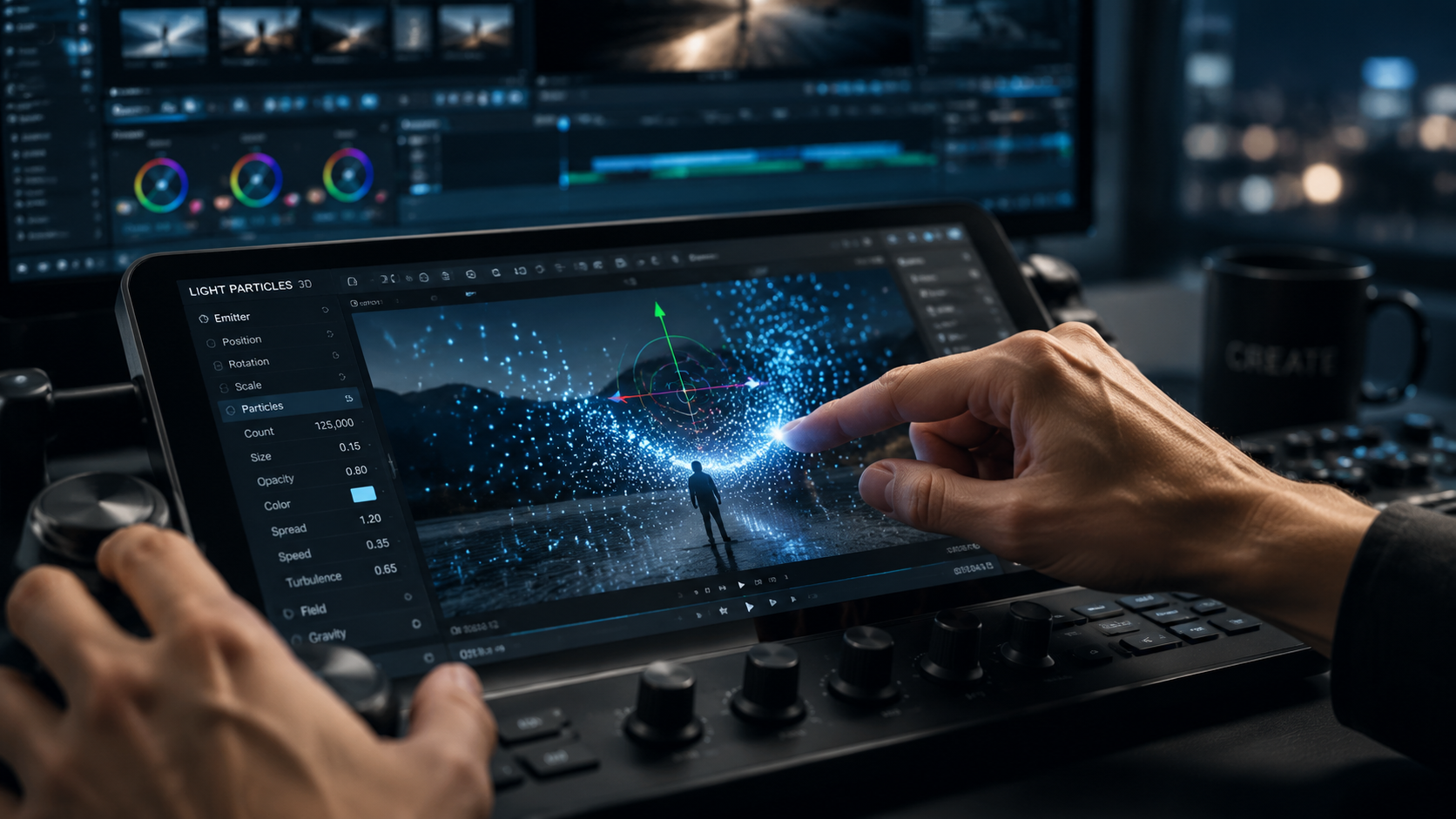
The industry's reliance on established software remains strong, even as new AI startups emerge. Adobe Newsroom recently reported that a staggering 85% of Sundance filmmakers chose Adobe as their primary editing platform in 2026. This is largely due to the seamless integration of new AI video innovations that allow for real-time generative fill within the video timeline. Adobe’s commitment to the creative community was further solidified this year with the release of $10 million in creator grants, specifically targeted at filmmakers exploring the ethical use of AI in storytelling.
This massive adoption rate highlights a critical trend: professional filmmakers prefer AI tools that live within their existing ecosystems. Rather than jumping between disparate apps, the 2026 strategy involves using integrated neural engines that understand the context of a project. Whether it’s automatically removing a boom mic from a shot or extending a background to fit a 16:9 frame, these features are now standard requirements for any competitive production house.
Comparing 2026 AI Video Editing Workflows
| Feature | Traditional Workflow (Pre-2025) | AI-Enhanced Workflow (2026) | Impact on Production |
|---|---|---|---|
| Rotoscoping | Manual frame-by-frame masking | One-click neural object isolation | 90% time reduction |
| Audio Cleanup | Manual EQ and noise gates | Generative vocal reconstruction | Studio-quality sound from location mics |
| B-Roll Sourcing | Stock footage or reshoots | Text-to-video generative inserts | Significant cost savings |
| Dailies Review | Human-led logging and tagging | AI-automated emotional tagging | Faster turnarounds for directors |
Overcoming the "Tsunami": How Artists are Responding
While the technological advancements are impressive, they haven't come without friction. UnderstandingAI.org describes the current era as an "AI tsunami" hitting Hollywood. This metaphor captures both the scale of the change and the potential for it to overwhelm those who aren't prepared. Artists are responding not by retreating, but by redefining the role of the "Editor." In 2026, the editor is increasingly seen as a "Creative Director of Algorithms," someone who steers the AI's output rather than performing the manual labor of cutting and splicing.
At a recent AI filmmaking summit, attendees noted a significant shift in perspective. As reported by Creative Bloq, many filmmakers who were initially skeptical of AI have found that the technology actually empowers independent creators. By lowering the barrier to entry for high-end visual effects and professional-grade sound, AI allows a small team—or even a solo filmmaker—to produce work that rivals the production value of major studios. The focus has moved from "Will AI replace me?" to "How far can AI take my vision?"
The Limits of Automation: Why the Human Touch Still Matters
Despite the power of AI, the human element remains the most critical component of filmmaking. A viral report from No Film School titled "Why I Tried to Replace My Editor with AI (And What Happened Next)" detailed a filmmaker's attempt to let an AI handle a full feature-length edit. The results were technically proficient but emotionally hollow. The AI could identify the "best" shots based on lighting and focus, but it struggled with subtext, irony, and the deliberate breaking of rules that often defines cinematic genius.
This experiment serves as a cautionary tale for the 2026 strategy. AI video editing for filmmakers should be viewed as a sophisticated assistant, not a replacement for the director’s intuition. The most successful projects of 2026 are those that use AI to handle the "drudge work," freeing the human editor to focus on the pacing of a performance or the subtle emotional arc of a scene. The "Synthesis" mentioned by the IDA is most effective when it is a dialogue between human and machine.
Advanced AI Video Editing for Filmmakers: Tactical Implementation
To stay competitive in 2026, filmmakers must adopt a tactical approach to AI. This means moving beyond "fun" filters and focusing on utility. For example, "Neural Scene Re-lighting" allows editors to change the light source in a shot post-capture, potentially saving a scene that was filmed under poor natural light. This level of control was unthinkable just a few years ago but is now a standard part of the AI-augmented toolkit.
Furthermore, the integration of AI into the pre-production phase is becoming a staple of the 2026 strategy. Filmmakers are using AI to generate "living storyboards"—animated sequences that give a much clearer sense of timing and camera movement than traditional sketches. By the time the editor receives the footage, the AI already has a "template" of the director's intent, making the initial assembly much more accurate to the original vision. This synergy between pre-production and post-production is where the greatest efficiency gains are found.
Future-Proofing Your Career in an AI-Driven Industry
As McKinsey & Company suggests, the future of film production is inextricably linked to AI literacy. For filmmakers, this doesn't mean learning to code, but it does mean understanding the capabilities and limitations of different AI models. Understanding which AI is best for "upscaling" versus which is best for "generative fill" is the new technical requirement for the modern editor. In 2026, your "tech stack" is just as important as your "creative eye."
The most resilient filmmakers are those who embrace a hybrid model. They use AI for heavy lifting—such as localized language dubbing and automated subtitling for global markets—while maintaining strict manual control over the "soul" of the film. By staying informed through organizations like the International Documentary Association and keeping an eye on the innovations coming out of major players like Adobe, filmmakers can ensure they stay ahead of the curve rather than being swept away by the "tsunami."
What is the most used AI video editing software in 2026?
Adobe remains the industry leader, with 85% of Sundance filmmakers utilizing its AI-integrated tools. However, many specialized filmmakers also use niche AI platforms for specific tasks like high-end rotoscoping and generative environment building.
Can AI replace a professional film editor?
No, AI cannot replace the emotional intelligence and storytelling nuances of a human editor. While it can automate technical tasks and suggest cuts, the final creative decisions regarding subtext and pacing still require a human touch.
How does "The Synthesis" affect documentary filmmaking?
According to the International Documentary Association, "The Synthesis" allows AI to analyze vast amounts of raw footage to suggest narrative structures and themes. This helps documentary filmmakers organize their stories more efficiently before the manual editing process begins.
What are the ethical considerations of AI in film?
The primary concerns involve the use of generative AI to create likenesses or fill gaps in footage without proper attribution. In response, companies like Adobe have launched grants to encourage the ethical and transparent use of AI in creative projects.
Is AI video editing affordable for independent filmmakers?
Yes, AI has actually lowered the cost of high-end production. Tools that were once only available to major studios, such as advanced noise reduction and visual effects, are now accessible via subscription models, empowering solo creators to produce cinematic work.



Comments ()