
Best Text to Video AI for Marketing: 2026 Strategy Guide
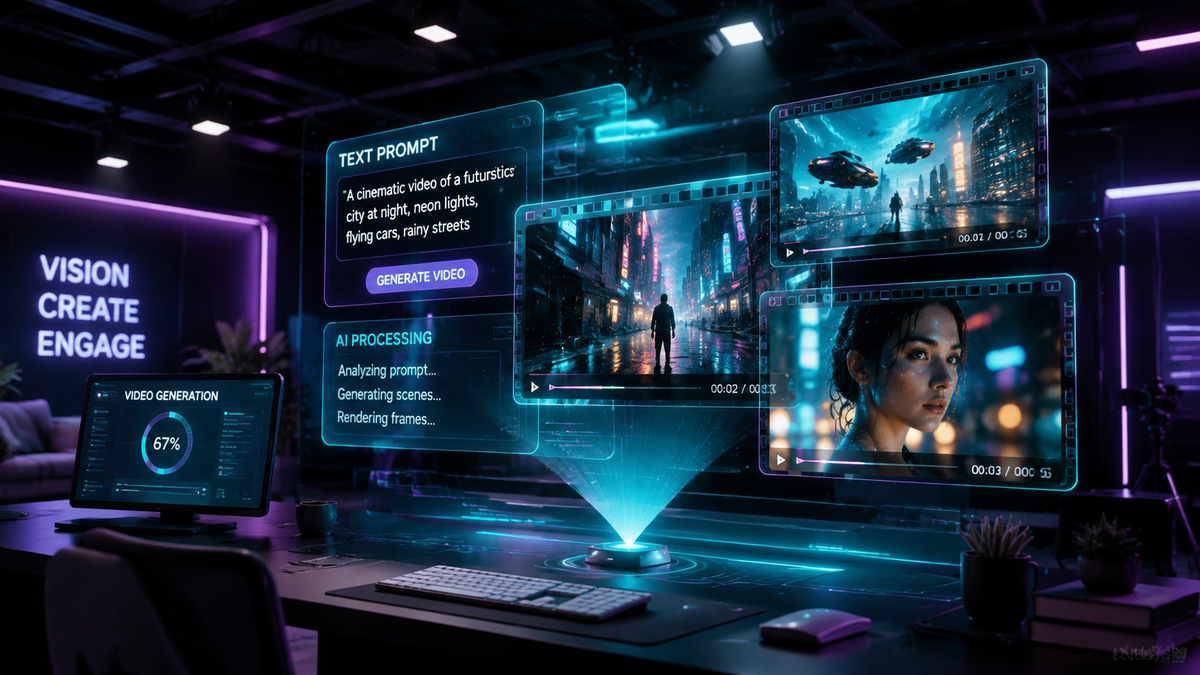
The best text to video AI for marketing in 2026 is a suite of generative tools that transform written prompts into high-fidelity, cinematic video content, allowing brands to scale production without traditional film crews. By leveraging advanced diffusion models and temporal consistency, these tools enable marketers to generate social media ads, product explainers, and personalized video messages in minutes rather than weeks. As the digital landscape shifts toward video-first consumption, integrating text to video AI for marketing has become the primary driver for maintaining competitive engagement rates and reducing content overhead.
Text to video AI for marketing is a generative technology that uses natural language processing and computer vision to convert scripts or descriptions into fully realized video assets. In 2026, these tools provide hyper-realistic avatars, seamless scene transitions, and instant brand-voice synchronization, allowing businesses to produce high-quality visual content at a fraction of the cost of traditional videography.
- ✓ Text to video AI reduces production time from days to seconds, enabling real-time marketing responses.
- ✓ Integration of tools like OpenAI’s Sora into platforms like ChatGPT has democratized professional-grade video creation.
- ✓ AI video search is revolutionizing how consumers discover products in the fashion and beauty sectors.
- ✓ Personalized video at scale is now the industry standard for high-converting email and social campaigns.
How to Implement Text to Video AI for Marketing in 2026
Adopting AI video technology requires a shift in workflow from technical execution to creative direction. Marketers are no longer limited by their ability to operate a camera or edit complex timelines; instead, the focus has shifted toward prompt engineering and strategic storytelling. According to Social Media Examiner (February 2026), creating high-quality content that grows a business now centers on the "Easy AI" workflow, which prioritizes iterative refinement over manual labor.
To successfully integrate these tools into your 2026 marketing strategy, follow this step-by-step process:
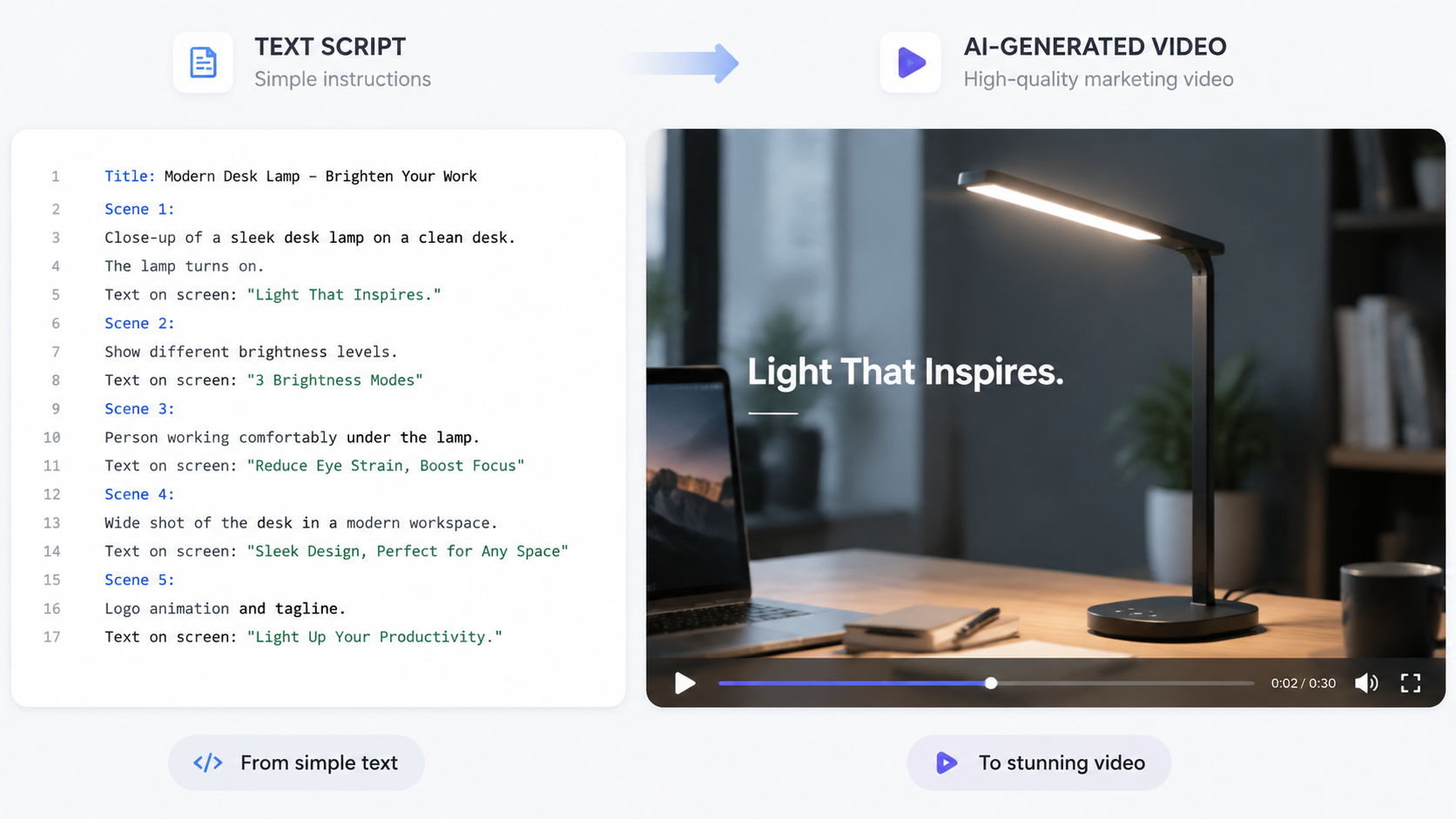
- Define the Objective and Script: Start with a clear marketing goal—whether it is an Instagram Reel or a LinkedIn thought-leadership piece—and feed your core messaging into an AI writer to generate a video-ready script.
- Select the Right AI Model: Choose a platform based on your needs; use avatar-based generators for training and direct-to-camera messages, or cinematic diffusion models for brand storytelling.
- Input Detailed Prompts: Describe the lighting, camera movement, and emotional tone. In 2026, "multi-modal" prompting allows you to upload brand assets like logos and color palettes to ensure visual consistency.
- Review and Iterate: Use the AI’s "seed" functionality to maintain character and environment consistency across different clips.
- Optimize for Search: Incorporate AI-generated metadata and captions to ensure your video is discoverable by the new generation of AI-driven video search engines.
The Evolution of Text to Video AI for Marketing Strategy
The marketing world changed forever in late 2025, and as we move through 2026, the data confirms that video is no longer just a "format"—it is the primary language of the internet. Entrepreneur.com reported in October 2025 that AI video has fundamentally altered the marketing landscape, forcing brands to adapt or face irrelevance. The barrier to entry for high-production value has vanished, meaning that small businesses can now compete with global enterprises on visual quality alone.
One of the most significant shifts in 2026 is the rise of AI video search. As noted by Forbes, sectors like fashion and beauty are seeing a total transformation in how consumers find products. Instead of typing keywords into a search bar, users are interacting with AI that scans video content for specific styles, textures, and applications. This means that for marketers, the "text to video ai for marketing" process must now include "visual SEO"—ensuring that the AI-generated elements in your videos are recognizable and indexable by visual search algorithms.
Furthermore, the corporate world is doubling down on this technology. A recent report by PRWeek (December 2025) highlighted that earnings calls are increasingly dominated by discussions on how AI-driven content creation is reducing operational expenditures. Companies are no longer just experimenting with AI; they are restructuring entire marketing departments to be "AI-first," replacing traditional stock footage libraries with custom-generated, brand-specific video assets.
Top AI Video Platforms for Marketers in 2026
Choosing the right tool is critical for your 2026 strategy. The market has matured, moving away from "uncanny" movements toward flawless, photorealistic output. Recent testing by G2 Learning Hub in April 2026 identified the top seven generators that have mastered the balance between ease of use and professional output. These tools are categorized by their specific strengths, such as social media agility or cinematic depth.
A major development this year is the reported integration of OpenAI’s Sora into the ChatGPT ecosystem. According to Storyboard18 (March 2026), this move allows marketers to generate professional-grade video directly within their chat interface, bridging the gap between a written marketing plan and a finished video asset. This integration represents the pinnacle of "text to video ai for marketing," making the tech accessible to anyone who can write a text prompt.
| Feature | Avatar-Based Generators | Cinematic Diffusion (e.g., Sora) | Social-First AI Tools |
|---|---|---|---|
| Primary Use Case | Training, Sales, Explainers | Brand Ads, Storytelling | Reels, TikToks, Shorts |
| Turnaround Time | 1-3 Minutes | 5-10 Minutes | Under 60 Seconds |
| Customization | High (Voice & Face) | Extreme (Scene & Physics) | Moderate (Templates) |
| Consistency | Excellent (Static Avatar) | High (Seed Locking) | Good (Style Transfer) |
Maximizing ROI with Personalized Video
In 2026, generic marketing is failing. The true power of text to video AI lies in personalization. By connecting your CRM to an AI video API, you can generate thousands of unique videos where an AI spokesperson addresses each customer by name, references their last purchase, and suggests a complementary product. This level of 1:1 marketing was previously impossible but is now a standard feature in high-end AI video suites.
Visual Search and AI Metadata
As Forbes pointed out, the way beauty and fashion products are marketed has changed because of how AI "sees" video. When using text to video AI for marketing, you must ensure that your prompts include specific descriptors that AI search engines can index. For example, instead of prompting for "a woman wearing a red dress," a 2026-optimized prompt would be "a woman in a crimson silk A-line dress with a matte finish," providing the detail necessary for visual search engines to categorize the content accurately.
Best Practices for Ethical AI Video Production
With great power comes the responsibility of transparency. As AI video becomes indistinguishable from reality, ethical considerations are paramount in 2026. Most major platforms now include "AI-generated" watermarks or metadata tags by default. Marketers should embrace this transparency rather than hide it. Studies show that consumers in 2026 value the creativity of AI-assisted content but react negatively if they feel deceived by "deepfake" style marketing without disclosure.
To maintain brand trust while using text to video ai for marketing, ensure that your AI-generated characters are diverse and representative. Avoid the "homogenized" look that early AI models produced. Use custom training sets to ensure your AI avatars reflect your actual customer base. This not only helps with ethical compliance but also significantly improves engagement by making the content more relatable to your target audience.
Additionally, keep a "human in the loop." While the AI can generate the video, a human creative director should always review the output for brand alignment and emotional resonance. AI is excellent at following instructions, but it can still miss the subtle cultural nuances that make a marketing campaign truly viral.
Future-Proofing Your Marketing Team for the AI Era
The role of the "Video Editor" is evolving into the "AI Video Architect." In 2026, the most valuable skill in a marketing department is the ability to orchestrate multiple AI tools into a cohesive campaign. This involves using a text AI for the strategy, an image AI for the storyboarding, and a text-to-video AI for the final production. According to Social Media Examiner, businesses that have successfully scaled in 2026 are those that prioritized "AI literacy" training for their entire staff.
Investing in these tools now is not just about saving money on a single video; it is about building a content engine that can produce at the speed of social media trends. When a new meme or news event breaks, an AI-empowered marketing team can have a high-quality video response live across all channels within thirty minutes. This agility is the ultimate competitive advantage in the 2026 digital economy.
Frequently Asked Questions
What is the best text to video AI for marketing in 2026?
While "best" depends on your specific needs, OpenAI’s Sora (now integrated with ChatGPT) is widely considered the leader for cinematic brand content, while platforms like HeyGen and Synthesia remain the top choices for avatar-based marketing and sales explainers.
How long does it take to generate a marketing video with AI?
In 2026, most platforms can generate a high-quality 60-second video in under five minutes. More complex, cinematic scenes using advanced diffusion models may take up to ten minutes to render at full 4K resolution.
Is AI-generated video good for SEO?
Yes, especially with the rise of AI video search. By using descriptive prompts and ensuring your video metadata is optimized, AI videos can rank highly in both traditional search engines and new visual discovery platforms used in industries like fashion and beauty.
Do I need expensive equipment to use text to video AI?
No, the entire process is cloud-based. You only need a standard computer or tablet with an internet connection to access these platforms, as the heavy processing is handled on the provider's servers.
Can AI video replace a professional film crew?
For many marketing use cases like social ads, internal training, and product explainers, AI has effectively replaced the need for traditional crews. However, for high-stakes brand films or live-action events, human crews are still used in conjunction with AI for post-production and special effects.
Comments ()