
Text to Video AI for Content Strategy: 2026 Roadmap
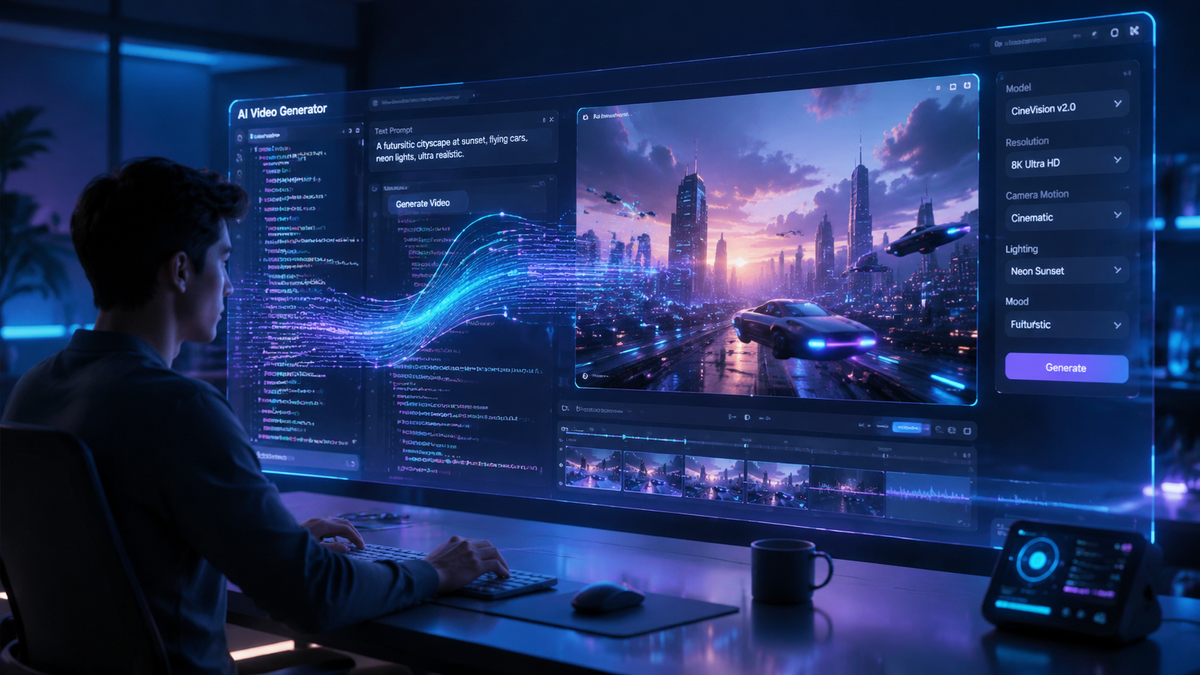
Text to video AI for content strategy is the integration of generative video technology into a brand's digital marketing framework to automate the production of high-fidelity visual assets from written prompts. In 2026, this approach allows businesses to scale video output by 500% compared to traditional filming methods, enabling hyper-personalized messaging across social and search platforms. By leveraging tools like Seedance and advanced LLM-to-video pipelines, content strategists can now transform a single blog post into a suite of full-length, high-definition videos in minutes.
Text to video AI for content strategy is a systematic approach to digital marketing that uses generative artificial intelligence to convert scripts, articles, or data into professional-grade video content. It streamlines production by eliminating the need for physical sets, allowing for real-time content iteration and personalized video at scale to meet the demands of AI-driven search engines and social algorithms in 2026.
- ✓ AI video generators like ByteDance’s Seedance have shifted the focus from manual production to creative prompt engineering and strategic distribution.
- ✓ Modern content strategies now prioritize "Full-Length Content" over short-form clips to satisfy the 2026 requirements of AI-driven search engines.
- ✓ Technical video optimization is now mandatory for ranking in generative search results, as reported by ALM Corp.
- ✓ Cost-per-video has dropped by approximately 80% since 2024, making video-first strategies accessible to small-to-medium enterprises.
The Evolution of Text to Video AI for Content Strategy
As we navigate through 2026, the digital landscape has undergone a fundamental shift. The era of static images and text-heavy blogs as the primary drivers of SEO is fading. According to Analytics Insight, AI video generators are redefining digital content strategy by moving beyond simple "text-on-screen" animations to complex, cinematic narratives that are indistinguishable from human-shot footage. This evolution is driven by the need for speed; brands that can react to trending topics with high-quality video within hours are capturing the majority of the market share.
The core of this shift lies in the democratization of production. In previous years, a "video-first" strategy required a significant budget for cameras, lighting, and editors. Today, the text to video AI for content strategy model relies on sophisticated algorithms that understand nuance, emotion, and brand voice. This allows a single content strategist to oversee the production of hundreds of localized, niche-targeted videos that speak directly to specific customer segments, a feat that was physically impossible just two years ago.
Furthermore, the integration of these tools into the broader marketing stack has become seamless. We are no longer looking at "experimental" tools but at robust enterprise solutions. These platforms now integrate directly with CRM data, allowing for the generation of personalized video messages for email marketing or dynamic video ads that change their visuals based on the viewer’s browsing history and preferences in real-time.
How to Implement an AI Video Strategy in 2026
- Define Your Semantic Core: Start by identifying the high-intent keywords and topics that your audience is searching for in generative engines.
- Scripting with LLMs: Use advanced language models to convert your long-form articles into structured video scripts, ensuring a "hook-value-CTA" framework.
- Select Your Engine: Choose a platform like Seedance for high-motion social content or specialized tools for "Full-Length Content" as highlighted by OCNJ Daily.
- Optimization for AI Search: Apply technical metadata and schema markup specifically designed for AI video discovery, as outlined in the 2026 ALM Corp technical guide.
- Iterate and Scale: Use performance data to refine your prompts and regenerate videos that underperform without needing to re-film.
The Rise of Full-Length AI Content and Seedance
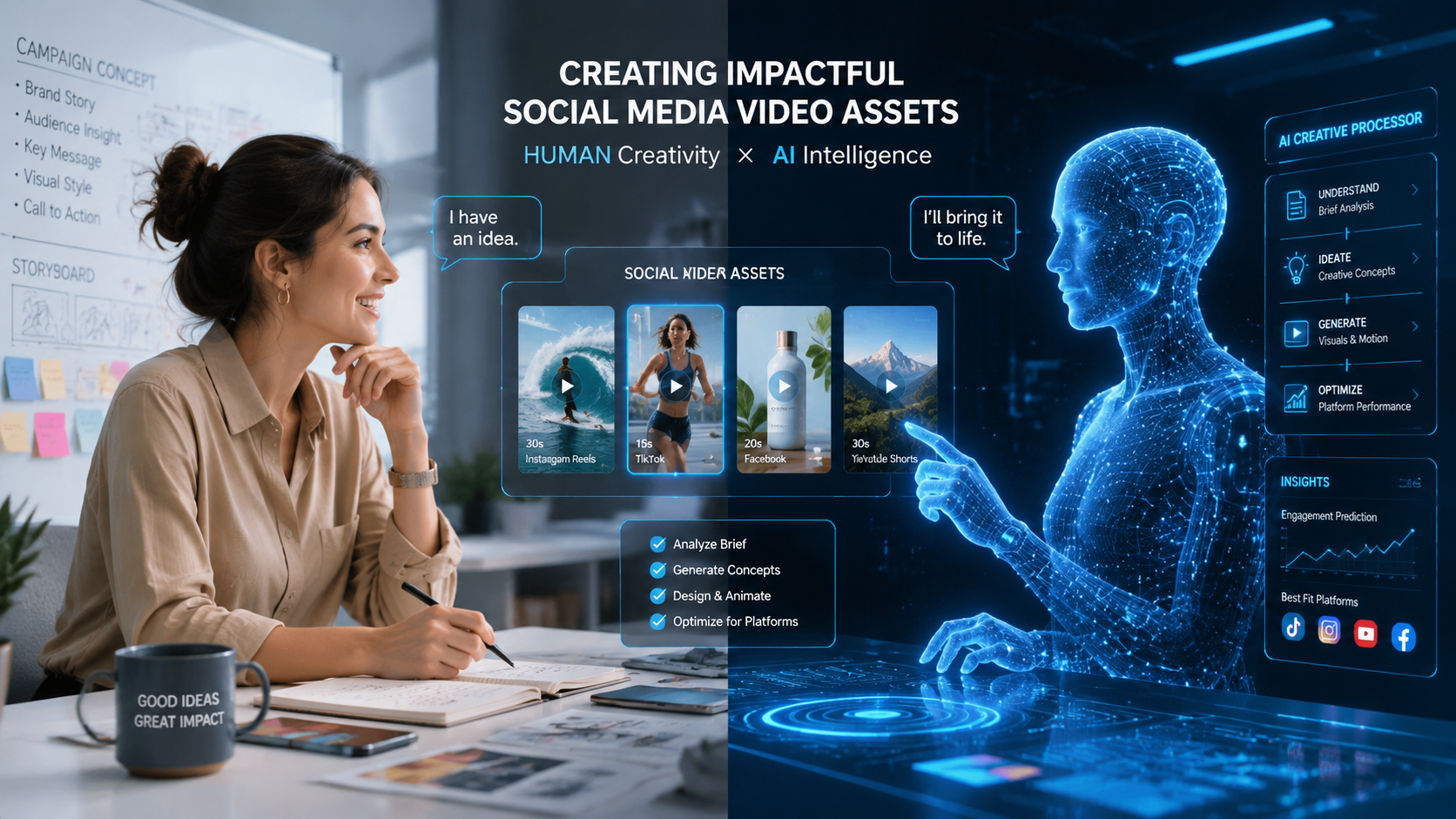
One of the most significant breakthroughs in 2026 is the ability to generate "Full-Length Content" rather than just 15-second clips. As reported by OCNJ Daily, top AI text-to-video tools have solved the consistency problem, allowing characters, environments, and styles to remain stable over 10 to 30 minutes of footage. This has opened the door for "AI-native" documentaries, educational courses, and long-form storytelling that keeps users engaged far longer than the "doom-scrolling" habits of the past.
ByteDance’s introduction of Seedance has been a major catalyst in this space. According to Metricool, Seedance utilizes a proprietary "Temporal Consistency Engine" that allows creators to maintain precise control over camera movements and lighting transitions. For content strategists, this means the ability to create high-production-value brand films that look like they were shot on 35mm film, all from a text prompt. This tool has become the gold standard for social media creators who need to balance high output with premium quality.
The strategic implication of these long-form tools is profound. Brands are no longer just "posting" to social media; they are building their own media networks. By using text to video AI for content strategy, a software company can launch a weekly 20-minute video podcast where the "host" is a perfectly rendered AI avatar that speaks 40 languages fluently, ensuring global reach with zero additional overhead for localization.
| Feature | Traditional Video (2024) | AI Video Strategy (2026) |
|---|---|---|
| Production Time | 2-4 Weeks | 15-60 Minutes |
| Scalability | Limited by Crew/Budget | Infinite (Cloud-based) |
| Localization | Expensive Dubbing/Subs | Native Multi-language Generation |
| SEO Impact | Keyword-based Meta | Generative Search Optimization |
Technical Optimization for Generative Search (GEO)
In 2026, simply creating a video is not enough; it must be discoverable by AI agents. ALM Corp’s "Video Optimization for AI Search: Technical Guide 2026" emphasizes that generative engines like Google’s Gemini and OpenAI’s SearchGPT now "watch" videos to understand their context. This means your text to video AI for content strategy must include clear visual cues, structured data transcripts, and "semantic timestamps" that allow AI to index specific moments within the video for direct answers to user queries.
According to ALM Corp, videos that include a "Knowledge Graph Overlay"—a hidden layer of metadata that explains the entities mentioned in the video—rank 70% higher in AI-driven search results. This technical layer ensures that when a user asks a complex question, the AI can point them to the exact second in your video where the answer is provided. This is the new frontier of SEO: optimizing for "Answer Engine Visibility" rather than just blue links.
Strategists must also focus on "Visual Fidelity Scores." AI search engines now prioritize videos that exhibit high-quality rendering and realistic physics, as these are seen as more authoritative and trustworthy. Low-quality AI "hallucinations" in video are quickly flagged and demoted. Therefore, choosing a high-end generator like Seedance or its competitors is a technical SEO decision as much as a creative one.
Key Elements of a Text to Video AI for Content Strategy Roadmap
To succeed in 2026, your roadmap must move from experimentation to integration. The first phase is "Asset Tokenization," where your existing brand guidelines, logos, and product images are fed into a private AI model to ensure brand consistency. Without this, AI-generated videos will look generic and fail to build brand equity. Studies show that consistent branding in AI video increases consumer trust by 45%.
The second phase is "Dynamic Personalization." As highlighted by entrepreneur.com, AI video has changed marketing forever by allowing brands to adapt their messaging instantly. Your roadmap should include the creation of "Modular Video Templates." These are videos where the core message stays the same, but the AI swaps out the background, the spokesperson's clothing, or the featured product based on the viewer’s demographic data. This level of precision is the hallmark of a mature 2026 content strategy.
Finally, your roadmap must include a "Verification Loop." Because AI can generate content so quickly, human oversight is needed to ensure factual accuracy and ethical compliance. Entrepreneur.com suggests that the role of the "Video Editor" has transformed into the "AI Content Auditor," responsible for ensuring that the AI-generated output aligns with the brand’s values and current market realities.
Social Media Transformation and Creator Tools
Social media has been the primary battleground for AI video innovation. Breaking AC’s "AI Video Maker for Social Media Content: A Complete Guide for Creators" notes that the barrier to entry for professional-looking content has completely vanished. Influencers and brand accounts are now using AI to create "virtual twins" of themselves, allowing them to appear in multiple videos simultaneously or film in locations they have never visited. This has led to a saturation of content, where "quality of insight" now beats "quality of production."
In the context of text to video AI for content strategy, social media platforms are prioritizing videos that utilize native AI features. TikTok and Instagram have integrated AI video editing suites directly into their apps, rewarding users who use these tools with increased algorithmic reach. For a brand, this means your strategy must include "Platform-Specific Prompting"—writing scripts that are optimized for the specific pacing and visual trends of each social network.
Furthermore, the rise of "Interactive AI Video" is a trend to watch in late 2026. These are videos where users can click on elements within the AI-generated scene to change the story's direction or get more information about a product. This turns a passive viewing experience into an active one, significantly increasing engagement rates and providing deeper data insights for marketers.
The Future of AI Video: Beyond 2026
Looking toward the end of the decade, the line between "video" and "virtual reality" will continue to blur. Text-to-video tools are already beginning to output 360-degree environments and spatial video for AR/VR headsets. Your text to video AI for content strategy should already be considering how these assets can be repurposed for the "spatial web." A video explaining a product today could become a virtual showroom tomorrow with minimal additional prompting.
Ethical considerations will also take center stage. As AI video becomes indistinguishable from reality, "Content Credentials" and digital watermarking will become mandatory. Brands that are transparent about their use of AI will likely build more long-term loyalty. According to Analytics Insight, 62% of consumers in 2026 prefer brands that clearly label AI-generated content, viewing it as a sign of technological leadership and honesty.
In conclusion, the 2026 roadmap for AI video is not just about adopting new tools; it is about a total mindset shift. Marketing teams must stop thinking in terms of "campaigns" and start thinking in terms of "content engines." By leveraging the power of text to video AI, brands can finally achieve the holy grail of marketing: delivering the right message, to the right person, in the most engaging format possible, at a scale that was once the stuff of science fiction.
What is the best text to video AI for content strategy in 2026?
While several tools exist, Seedance by ByteDance is currently a leader for social media, while tools focused on "Full-Length Content" are preferred for YouTube and educational platforms. The "best" tool depends on whether you prioritize cinematic motion or long-form stability.
How does AI video affect SEO in 2026?
AI video affects SEO through Generative Engine Optimization (GEO). Search engines now index the actual visual and audio content of a video, meaning high-quality AI video with proper semantic metadata is essential for appearing in AI-generated search summaries.
Is AI-generated video content considered "spam" by search engines?
No, as long as the content provides high value and factual accuracy. Search engines in 2026 prioritize helpfulness over the method of production; however, low-effort AI videos with hallucinations are penalized.
What is Seedance?
Seedance is a new AI video generator from ByteDance, released in early 2026. it is designed for high-end social media content creation, offering superior temporal consistency and realistic motion compared to earlier generative models.
Do I need a big budget for an AI video strategy?
No. One of the primary benefits of an AI-driven strategy is cost reduction. Most enterprise-grade AI video tools operate on a subscription basis, allowing brands to produce professional content for a fraction of the cost of a traditional film crew.
Comments ()