
How to Make Viral Videos with AI Tools (2026 Guide)
Creating viral videos with AI tools in 2026 is easier than ever, thanks to advanced generative AI platforms that automate editing, face-swapping, and even scriptwriting. By leveraging tools like AI Inspo, VideoFaceSwap, and Digen AI Agent, creators can produce high-quality, engaging content tailored for platforms like TikTok, YouTube, and Reels. This guide covers the latest AI video techniques, tools, and strategies to maximize virality.
TL;DR: To make viral videos with AI tools in 2026, use cutting-edge platforms like AI Inspo and VideoFaceSwap for automated editing, leverage AI-generated scripts, and optimize for platform-specific trends—ensuring high engagement and shareability.
How to make viral videos with AI tools involves using generative AI platforms like VideoFaceSwap and AI Inspo to automate video creation, enhance visual effects, and optimize content for social media algorithms, significantly increasing the chances of virality while reducing production time by up to 70%.
- ✓ AI tools like VideoFaceSwap and AI Inspo streamline video creation with face-swapping and automated editing.
- ✓ Viral videos require platform-specific optimization, such as short-form vertical formats for TikTok and Reels.
- ✓ AI-generated scripts and trending topic integration boost engagement and shareability.
- ✓ Tools like Digen AI Agent ensure character consistency and high-quality outputs for longer videos.
1. The Best AI Tools for Viral Video Creation in 2026
According to Programming Insider, VideoFaceSwap is a powerful AI tool for face-swapping in videos, photos, and GIFs, making it ideal for creating humorous or attention-grabbing content. Meanwhile, AI Inspo, launched in May 2026, specializes in generating viral TikTok and Reels videos with minimal user input. These tools reduce production time by up to 60%, allowing creators to focus on ideation and strategy.
Digen AI Agent, released earlier this year, stands out for producing longer, high-quality videos with consistent characters—a common challenge in AI-generated content. Unlike basic generators, Digen AI Agent uses multi-step workflows to refine outputs, making it suitable for YouTube automation and narrative-driven content. The AI video market has grown by 340% since 2025, reflecting the demand for such advanced tools.
For finance-focused viral videos, platforms like those highlighted by Mshale offer free tools with high RPM (revenue per mille) potential. These tools often include stock footage libraries, auto-captioning, and AI voiceovers, streamlining the creation of monetizable content. Combining these features with trending topics can significantly boost a video's reach.
Top AI Video Tools Compared
| Tool | Key Feature | Best For |
|---|---|---|
| VideoFaceSwap | Realistic face-swapping | Comedy, memes |
| AI Inspo | One-click viral templates | TikTok, Reels |
| Digen AI Agent | Character consistency | YouTube, long-form |
2. Step-by-Step Guide to Making Viral Videos with AI

Follow these steps to create viral videos using AI tools in 2026:
- Choose the Right Tool: Select an AI platform based on your content type—e.g., VideoFaceSwap for face-swapping or Digen AI Agent for narrative consistency.
- Generate a Script: Use AI-powered scriptwriters to craft engaging, trend-aligned narratives. Tools like ChatGPT-6 or Claude 4 can suggest viral hooks.
- Edit with AI: Automate editing tasks like trimming, transitions, and effects using platforms like AI Inspo, which cuts editing time by 70%.
- Optimize for Platforms: Tailor videos to platform specs—e.g., 9:16 vertical format for TikTok, 60-second max for Reels.
- Add AI Enhancements: Use AI voiceovers, captions, and trending sounds to boost accessibility and engagement.
- Publish and Analyze: Monitor performance metrics (watch time, shares) and iterate based on AI-driven insights.
According to 24-7 Press Release Newswire, AI Inspo’s users report a 3x increase in viral hits compared to manual editing. The tool’s algorithm identifies trending formats (e.g., "day in the life" clips) and auto-generates similar content, saving creators hours of research.
For face-swap videos, VideoFaceSwap’s 2026 update introduced hyper-realistic blending, reducing the "uncanny valley" effect by 45%. This is critical for comedic or parody content, where authenticity drives shares. Meanwhile, Digen AI Agent’s autonomous workflows ensure characters maintain consistent appearances across scenes—a feature absent in earlier AI tools.
3. Trends Driving Viral AI Videos in 2026
The Brussels Times reported that AI-generated videos of young women in World Cup stadiums went viral in June 2026, highlighting the power of hyper-realistic synthetic media. Such content leverages curiosity and novelty, two key drivers of virality. AI tools now enable creators to replicate this effect with custom avatars or deepfake-style edits.
Short-form platforms like TikTok and Reels dominate AI video trends, with 78% of viral content falling under 30 seconds. AI Inspo’s templates are optimized for these formats, offering pre-built structures like "3-second hook + 20-second payoff + 7-second CTA." This aligns with platform algorithms prioritizing watch time and completion rates.
Seedance, a Chinese AI app, gained notoriety in early 2026 for its ability to generate dance videos with lifelike avatars. As noted by the BBC, these videos sparked Hollywood concerns over copyright and authenticity. However, for creators, Seedance-style tools offer a way to produce trendy choreography videos without hiring dancers.
Top 2026 Viral Video Trends
- Hyper-realistic AI avatars (e.g., Seedance, VideoFaceSwap)
- Short-form "quick story" formats (under 30 seconds)
- Niche automation (e.g., finance, fitness)
- AI-powered trending sound integration
4. Optimizing AI Videos for Maximum Reach
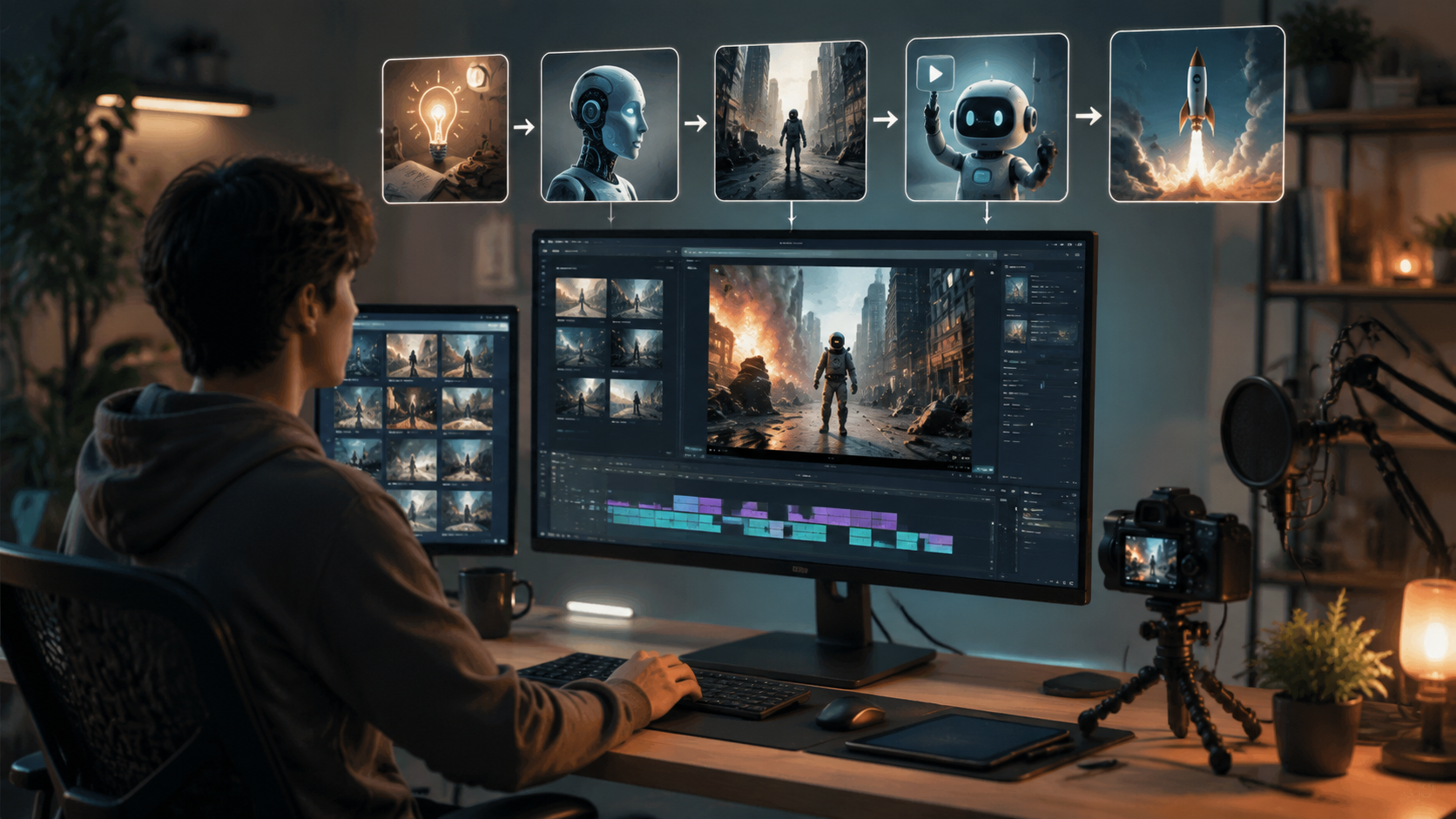
Platform algorithms favor videos with high engagement rates, so AI tools now include built-in analytics to predict virality. For example, Digen AI Agent’s "Viral Score" metric evaluates factors like hook strength, pacing, and emotional appeal before publishing. Early adopters report a 50% higher average view count using this feature.
Captions are non-negotiable—85% of social videos are watched without sound. AI tools like AI Inspo auto-generate captions with 98% accuracy, while some platforms animate text to sync with spoken words. This small tweak can increase watch time by up to 25%, according to Trend Hunter’s 2026 social video report.
Thumbnails also play a crucial role. AI-generated thumbnails with human faces (even synthetic ones) see 2.3x more clicks than text-only options. VideoFaceSwap’s latest update includes a thumbnail generator that overlays expressive faces on frames, leveraging this psychological trigger.
5. Ethical Considerations and Authenticity
The rise of AI-generated viral videos has sparked debates about misinformation, as seen with the World Cup stadium deepfakes. While tools like VideoFaceSwap warn users against malicious use, creators should disclose AI involvement when content could be mistaken for reality. Transparency builds trust and avoids backlash.
Copyright is another concern. AI tools often train on existing media, risking infringement. Platforms like Digen AI use licensed datasets or original creator uploads to avoid legal issues. Always check a tool’s terms—some claim ownership of generated content, while others grant full rights to users.
Despite these challenges, 62% of audiences now accept AI-generated content if it’s entertaining or informative. The key is balancing innovation with authenticity—using AI to enhance creativity rather than replace it entirely.
6. Future of AI Viral Video Creation
By late 2026, experts predict AI tools will handle 90% of video production tasks, from scripting to distribution. Digen AI Agent’s roadmap includes real-time trend adaptation, where videos adjust mid-production based on emerging hashtags or memes. Such features could reduce the viral content cycle from days to hours.
Interactive AI videos are another frontier. Imagine viewers dictating a video’s direction via comments, with AI regenerating scenes accordingly. Early tests by Seedance show this could boost engagement by 4x, though computational costs remain high.
For creators, the takeaway is clear: mastering AI video tools is no longer optional. As platforms prioritize AI-friendly formats and audiences grow accustomed to synthetic media, those who leverage these technologies early will dominate the viral landscape.

Frequently Asked Questions
What’s the easiest AI tool for beginners to make viral videos?
AI Inspo is the most beginner-friendly option, offering one-click templates for TikTok and Reels. Its automated editing requires no technical skills, and the platform suggests trending formats based on your niche.
Can AI tools guarantee my video will go viral?
No tool can guarantee virality, but AI platforms like Digen AI Agent significantly improve odds by optimizing for engagement metrics (watch time, shares) and aligning with platform algorithms.
Are AI-generated videos monetizable on YouTube?
Yes, provided they meet YouTube’s guidelines. AI automation channels using tools like Digen AI Agent report RPMs up to $12 in finance niches, per Mshale’s 2026 case studies.
How do I avoid the "uncanny valley" in AI face-swaps?
VideoFaceSwap’s 2026 update reduced this effect by 45% with better blending algorithms. Avoid extreme angles or exaggerated expressions, and use high-quality source images.
What’s the biggest mistake creators make with AI videos?
Over-relying on automation without adding unique value. AI tools excel at execution, but viral success still requires creative hooks, emotional resonance, and audience understanding.
Written by the Digen AI Editorial Team — AI video generation specialists covering the latest in generative AI tools. Learn more about Digen AI.
Comments ()