
How to Create Deepfake Videos Ethically: 2026 Guide
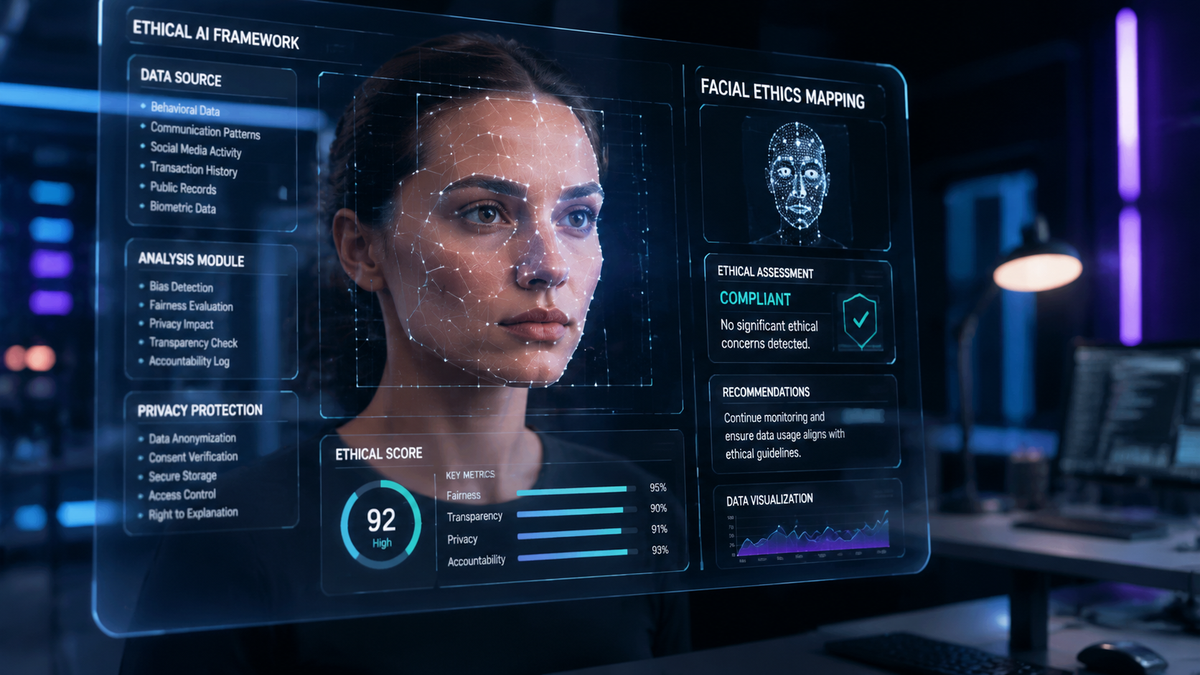
Learning how to create deepfake videos ethically involves using synthetic media technologies to generate realistic content while adhering to strict standards of consent, transparency, and social responsibility. To create these videos ethically in 2026, you must prioritize the digital rights of the subjects involved, utilize clear disclosure watermarks, and ensure the final product does not contribute to misinformation or synthetic harm.
Ethical deepfake creation is the process of generating synthetic media using artificial intelligence while maintaining full transparency and subject consent. It is defined by a commitment to preventing "synthetic harm," ensuring that AI-generated likenesses are used only for creative, educational, or professional purposes that do not infringe on the privacy or reputation of individuals.
- ✓ Secure explicit, written consent from any individual whose likeness is being synthesized.
- ✓ Implement permanent digital watermarks and metadata to identify the content as AI-generated.
- ✓ Avoid the creation of "non-consensual" or "harmful" content that could mislead the public.
- ✓ Adhere to the latest 2026 generative AI governance frameworks for enterprise and creative use.
The Step-by-Step Guide to Ethical Synthetic Media
As we move through 2026, the mainstreaming of synthetic media has made it easier than ever to produce high-quality content. However, the ease of access brings a heightened responsibility. Whether you are using deepfakes for film production, localized marketing, or educational simulations, following a standardized ethical workflow is essential to remain compliant with evolving global regulations.
To understand how to create deepfake videos ethically, you must move beyond the technical execution and focus on the "Chain of Custody" for digital likenesses. This involves documenting the origin of the data and the permission granted by the source. According to TechTarget, 2026 is the year deepfakes go truly mainstream, making these ethical guardrails more critical than ever for both creators and enterprises.
- Obtain Verified Consent: Before processing any biometric data or images, secure a legal agreement from the subject. In 2026, this often includes "Digital Rights Management" (DRM) clauses that specify exactly how the AI model can be used.
- Select an Ethical AI Platform: Use generative AI tools that have built-in safety filters. Many 2026 enterprise tools automatically block the generation of public figures or sensitive content without authorization.
- Data Pre-processing: Clean your training data to ensure it represents the subject accurately without introducing biases. Ethical creation requires that the AI does not "hallucinate" features that the subject did not agree to represent.
- Apply Synthetic Disclosure: Use visible and invisible watermarking. Tools compliant with the C2PA standard (Coalition for Content Provenance and Authenticity) are now the industry gold standard for ethical transparency.
- Post-Production Review: Conduct a "Harm Assessment." Ask if the video could be taken out of context to cause reputational damage. As noted by AZoRobotics, the ethics of synthetic harm in science and media require constant vigilance against unintended consequences.
- Secure Storage and Deletion: Once the project is complete, ethically dispose of the training data or store the model in an encrypted environment to prevent unauthorized "model hijacking."
The Evolving Landscape of Deepfake Ethics in 2026
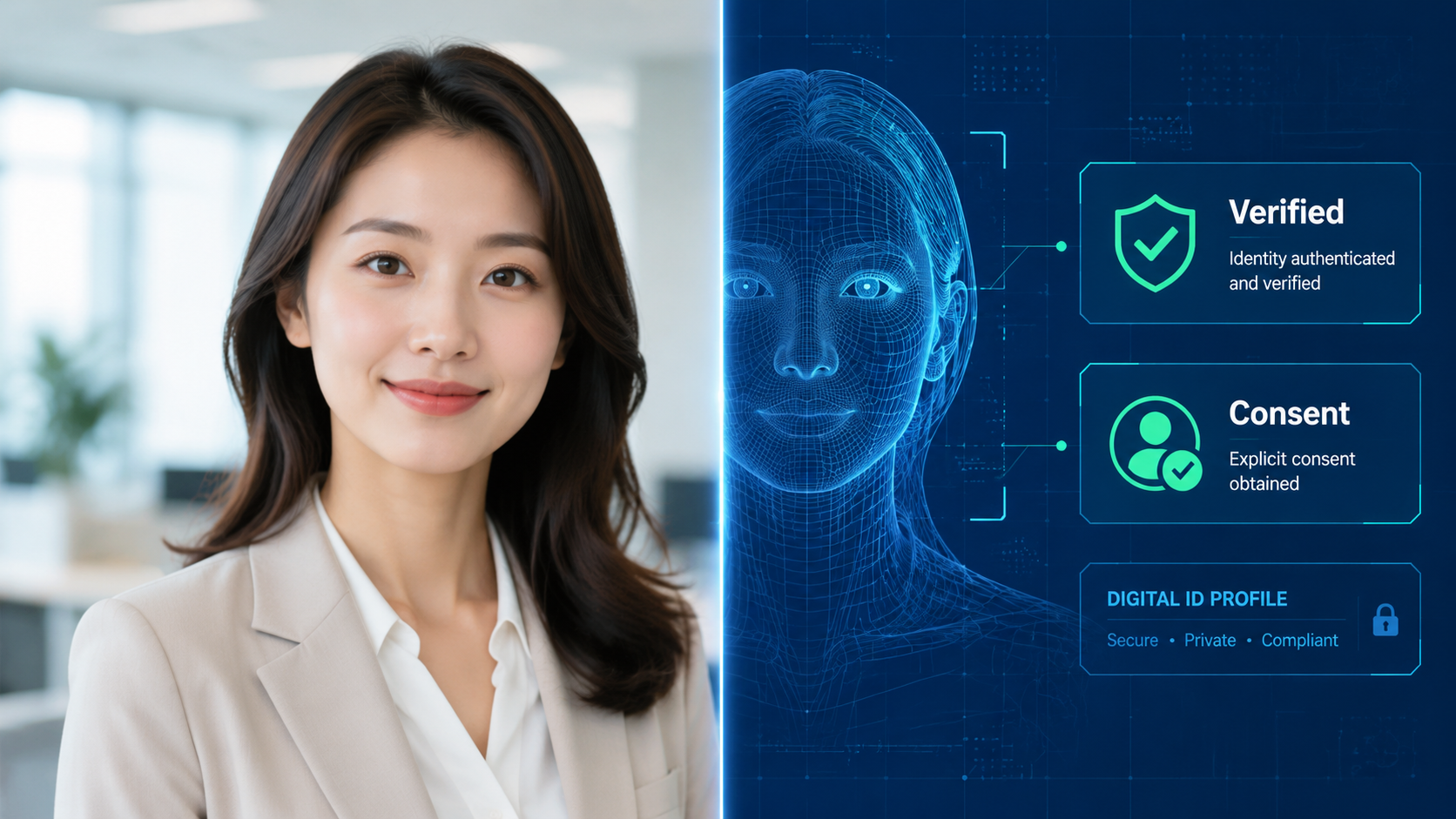
The conversation surrounding synthetic media has shifted from "can we do it?" to "how should we do it?" In early 2026, the Digital Watch Observatory highlighted that AI deepfake videos continue to spark significant ethical and environmental concerns, particularly regarding the energy consumption of large-scale rendering and the potential for social manipulation. To counter these risks, ethical creators are adopting "Green AI" practices alongside transparency protocols.
Furthermore, the Poynter Institute recently observed that in the age of AI and body cameras, no video speaks for itself anymore. This means that viewers are naturally skeptical of all video content. Ethical creators must lean into this skepticism by providing "contextual metadata." By being the first to admit a video is a deepfake, you maintain the trust of your audience and protect your professional reputation.
Managing Generative AI Ethics
Managing the ethics of generative AI is no longer a niche concern for developers; it is a core business requirement. According to AIMultiple, managing these ethics involves a three-pronged approach: technical safety, legal compliance, and moral alignment. For those wondering how to create deepfake videos ethically at scale, this means establishing an "Ethics Board" or using automated compliance software that flags potential violations of "synthetic harm" guidelines.
Enterprise Benefits vs. Ethical Dilemmas
The AI Magazine recently explored the "DeepFake Debate," weighing enterprise benefits against ethical dilemmas. While deepfakes can save companies millions in production costs—allowing a single actor to "speak" 50 languages fluently—the risk of brand damage is high if the technology is misused. Ethical creation in a corporate setting requires a "Human-in-the-loop" (HITL) system where every frame of synthetic content is reviewed by a human editor before release.
Ethical Frameworks: Comparison of 2026 Content Standards
To help you navigate the complex world of synthetic media, the following table compares the different approaches to ethical deepfake creation currently utilized by industry leaders in 2026.
| Feature | Standard Creative Use | Enterprise/Commercial Use | Educational/Scientific Use |
|---|---|---|---|
| Consent Level | Verbal or Written | Legal Contract (DRM) | Institutional Review Board (IRB) |
| Transparency | Optional Watermark | Mandatory C2PA Metadata | Full Methodology Disclosure |
| Data Retention | Project-based | Strictly Regulated/Encrypted | Archived for Peer Review |
| Primary Goal | Entertainment/Art | Localization/Efficiency | Research/Simulation |
Preventing Synthetic Harm and Misinformation
A primary pillar of how to create deepfake videos ethically is the prevention of "synthetic harm." This term, popularized in recent reports by AZoRobotics, refers to the psychological, social, or physical damage caused by AI-generated content. Even if a video is created for a "harmless" parody, if it can be easily weaponized by bad actors, the creator bears a degree of ethical responsibility for its existence.
In 2026, the best practice is to design "defensive deepfakes." This involves embedding "fragile watermarks" that break if the video is edited or tampered with. This ensures that if someone tries to repurpose your ethical deepfake for a malicious "cheapfake" or misinformation campaign, the lack of a valid digital signature will immediately alert platforms and users that the content has been compromised.
The Role of Body Cameras and Real-World Verification
As Poynter noted in February 2026, the rise of AI has complicated the use of video as evidence. In an ethical framework, creators should provide a "source of truth" link. For every deepfake video produced, there should be a corresponding "behind-the-scenes" or "making-of" log that proves the synthetic nature of the work. This helps journalists and fact-checkers distinguish between a legitimate creative project and an attempt to manipulate public perception.
Environmental Considerations in AI Production
Ethical creation also extends to the environment. The Digital Watch Observatory has pointed out that the massive compute power required for high-fidelity 2026 deepfakes has a significant carbon footprint. Ethical creators are now choosing "Carbon-Neutral" AI hosting providers and optimizing their models to run on more efficient hardware, ensuring that their creative output does not come at the cost of environmental degradation.
Legal Compliance and the Future of Digital Identity
By mid-2026, many jurisdictions have passed "Digital Identity Protection Acts." These laws treat a person's digital likeness with the same weight as their physical identity. When you are researching how to create deepfake videos ethically, you must consult the local laws of both the creator and the subject. In many cases, "Right of Publicity" now extends into the digital realm indefinitely, meaning even deceased individuals have protected likenesses that require estate consent.
The TechTarget report on deepfakes going mainstream emphasizes that as the technology becomes a standard tool in the creator economy, the legal penalties for "unethical" use—such as creating deepfakes without disclosure—have become severe. Fines and "Digital Deplatforming" are common consequences for those who ignore the ethical mandates of 2026.
The Importance of C2PA and Provenance
The Coalition for Content Provenance and Authenticity (C2PA) has become the backbone of ethical AI in 2026. By using tools that support C2PA, you attach a permanent history to your video file. This history tells the viewer: "This video was created by [User] using [AI Model] on [Date] with the consent of [Subject]." This level of radical transparency is the hallmark of the ethical creator.
Is it legal to create a deepfake of a celebrity in 2026?
Generally, it is illegal to create or distribute deepfakes of celebrities for commercial purposes without their explicit consent or the consent of their estate. While parody laws offer some protection, 2026 regulations heavily favor the individual's right to their digital likeness.
What is "Synthetic Harm" in the context of AI?
Synthetic harm refers to the negative impact caused by AI-generated content, including reputational damage, the spread of misinformation, and psychological distress. Ethical creators must assess their projects to ensure they do not facilitate these outcomes.
How do I prove my deepfake video is ethical?
You can prove a deepfake is ethical by including a visible disclaimer, embedding C2PA metadata, and maintaining a documented trail of consent from all subjects involved. Transparency is the most effective way to demonstrate ethical intent.
Do deepfakes have an environmental impact?
Yes, according to the Digital Watch Observatory, the high computational power required to train and render deepfakes contributes to significant energy consumption. Ethical creators often use energy-efficient models or carbon-offsetting AI platforms.
Will 2026 deepfakes be indistinguishable from reality?
While 2026 technology has made deepfakes incredibly realistic, industry standards like watermarking and metadata are designed to ensure they remain distinguishable at a technical level, even if they look perfect to the human eye.
Conclusion: The Responsibility of the Modern Creator
Understanding how to create deepfake videos ethically is a journey that combines technical skill with a deep sense of moral duty. As we have seen from the 2026 research provided by AIMultiple and AI Magazine, the benefits of synthetic media are vast—ranging from revolutionized film dubbing to personalized education—but these benefits are only sustainable if the technology is used with integrity.
By prioritizing consent, utilizing the latest transparency tools like C2PA, and remaining aware of the potential for synthetic harm, you can harness the power of AI to tell compelling stories without compromising the truth. As 2026 continues to be a landmark year for AI, the creators who lead with ethics will be the ones who define the future of the medium.



Comments ()