
How to Create AI Animation Videos: 2026 Step-by-Step Guide
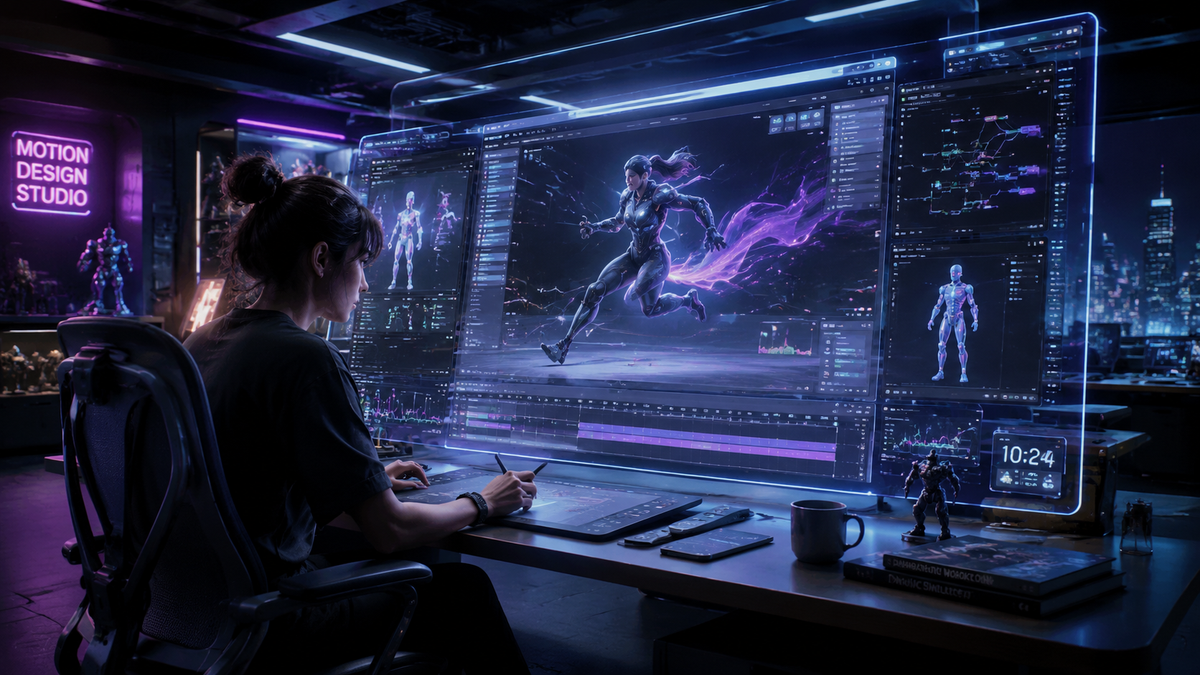
Learning how to create ai animation videos in 2026 involves using generative models to transform text prompts, static images, or rough sketches into high-definition cinematic sequences. By leveraging sophisticated tools like OpenAI’s Sora or specialized 2D documentary generators, creators can now produce professional-grade 4K animations without the traditional overhead of manual frame-by-frame rendering.
AI animation is the process of using artificial intelligence models to synthesize motion, character consistency, and background environments from digital inputs. In 2026, this technology has evolved to support 4K resolution and long-form storytelling, allowing users to generate complex visual narratives through iterative prompting and multi-modal AI pipelines.
- ✓ AI models like Sora now support full-length scene generation with consistent physics.
- ✓ 4K upscaling has become standard for high-end AI music videos and cinematic releases.
- ✓ Success in 2026 requires balancing automated generation with manual "human-in-the-loop" editing.
- ✓ Ethical considerations regarding "AI slop" are driving a focus on high-quality, intentional content.
The 2026 Step-by-Step Guide: How to Create AI Animation Videos
The landscape of digital content creation has shifted dramatically this year. With the mainstream adoption of high-fidelity video models, the barrier to entry for animation has never been lower, yet the ceiling for quality has never been higher. Whether you are aiming to create a viral 2D documentary or a 4K music video, following a structured workflow is essential to avoid the common pitfalls of generative artifacts.
- Concept and Scripting: Define your narrative. Use a Large Language Model (LLM) to script your scenes, ensuring you describe lighting, camera movement, and character emotions in detail.
- Select Your AI Engine: Choose a platform based on your needs. For hyper-realistic cinematic shots, OpenAI’s Sora is the gold standard. For stylized 2D content, specialized documentary AI tools are preferred.
- Prompt Engineering and Generation: Input your descriptions. In 2026, "prompting" includes providing style references and "seed" images to maintain character consistency across different shots.
- Refinement and Upscaling: Most raw AI outputs require a second pass. Use 4K upscalers and temporal smoothing tools to ensure the motion is fluid and the resolution meets modern streaming standards.
- Post-Production and Audio: Import your AI-generated clips into a traditional video editor. Add voiceovers, sound effects, and music—often also generated by AI—to finalize the project.
Choosing the Right Tools for AI Animation in 2026
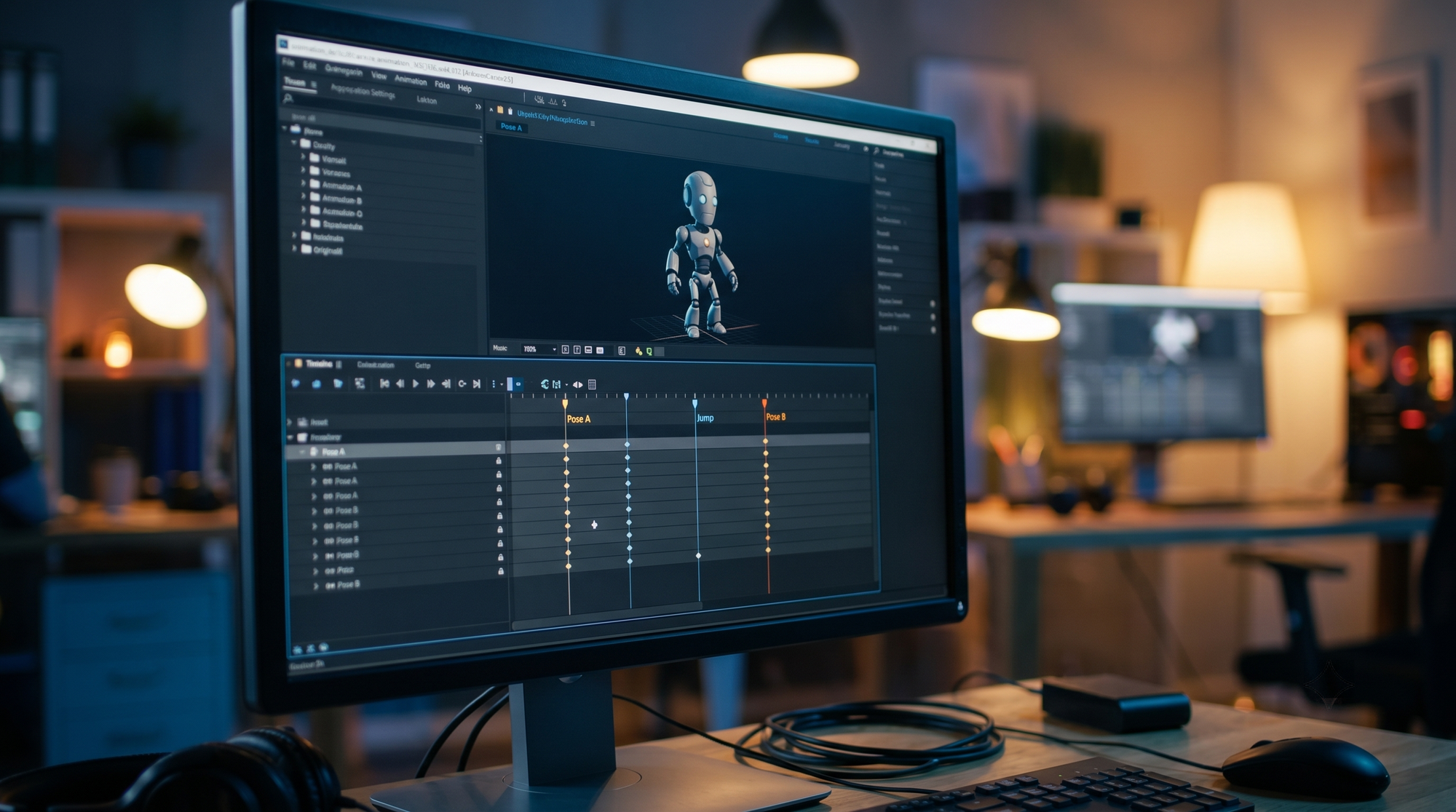
The market for AI animation generators has matured, moving away from experimental "jittery" clips to stable, high-resolution outputs. According to a 2026 Cybernews review, the best AI animation generators now offer granular control over camera angles and lighting conditions, which was previously a major pain point for creators. Selecting the right tool depends entirely on your specific project goals, whether it's short-form social media content or long-form narrative work.
Text-to-Video Powerhouses
OpenAI’s Sora remains a dominant force in 2026. Since its initial developments, it has expanded to allow creators to generate expansive environments from simple text descriptions. The model understands the physical properties of the real world, which means objects interact realistically within the frame. This is particularly useful for creators who need high-fidelity realism without the need for a physical film crew or expensive 3D modeling software.
Specialized 2D and Documentary Tools
For those looking to make viral 2D animation documentary videos, specialized platforms have emerged that focus on "explainer" styles. These tools are optimized for character consistency and "flat" design aesthetics, which are highly effective for educational and documentary-style content on platforms like YouTube and TikTok. These systems often integrate with factual databases to ensure that the visual representation aligns with the narrative being told.
| Feature | Sora (OpenAI) | 2D Documentary AI | Open-Source Diffusion Models |
|---|---|---|---|
| Primary Use | Cinematic/Realistic | Viral Educational/2D | Experimental/Custom Styles |
| Max Resolution | 4K Ultra HD | 1080p / 4K | Variable (Up to 8K) |
| Learning Curve | Moderate (Prompt-based) | Low (Template-based) | High (Technical) |
| Character Consistency | High | Excellent | Manual Control Required |
The Rise of 4K AI Music Videos and Media
A significant milestone in 2026 was the release of 4K AI-animated music videos for legendary acts. As reported by BraveWords, Iron Maiden’s "Revelations" received a stunning 4K AI treatment, demonstrating that high-end AI animation is now a respected medium for professional entertainment. This trend highlights a shift where AI is not just for "low-effort" content, but a tool for prestigious artists to reimagine their legacy works in modern resolutions.
According to Cybernews, the adoption of 4K AI rendering has increased by over 300% in the music industry since last year. This is largely due to the reduction in rendering costs and the ability of AI to interpret complex lyrical themes into abstract or literal visual journeys. For independent creators, this means the "professional look" is now accessible with a relatively modest subscription to an AI video suite.
Maintaining Quality in the Age of "AI Slop"
As the barrier to entry drops, the volume of content has increased, leading to a phenomenon known as "AI Slop." The 74 recently reported that parents and educators are becoming increasingly alarmed by the flood of low-quality, AI-generated children's media that lacks coherent narratives or educational value. To stand out in 2026, creators must focus on "intentionality"—using AI as a brush rather than a "set and forget" machine.
Challenges in Long-Form AI Animation
While how to create ai animation videos for 15-second social clips has been solved, long-form content remains a significant hurdle. Vocal.media points out that why long-form AI animation is harder than viral AI clips often comes down to the "memory" of the AI. Keeping a character's clothing, hair, and the surrounding environment identical over a 20-minute episode requires advanced workflow management that basic text-to-video tools cannot yet handle autonomously.
To overcome these challenges, professional animators use a "hybrid workflow." This involves generating short segments (3-5 seconds) and using a consistent "LoRA" (Low-Rank Adaptation) or character reference sheet to ensure the AI doesn't deviate from the established design. This meticulous process is what separates professional AI filmmakers from casual users, ensuring that the final product feels like a cohesive movie rather than a collection of disjointed clips.
The Importance of Temporal Consistency
Temporal consistency refers to the smoothness of motion between frames. In early iterations of AI video, objects would often "morph" or flicker. By 2026, new motion-vector technologies have integrated into the generation process. When you are learning how to create ai animation videos, you must look for tools that offer "Motion Buckets" or "Flow Control," which allow you to dictate exactly how much movement occurs in a scene, preventing the dreaded "hallucination" effect where backgrounds shift unexpectedly.
Future Trends: What to Expect Beyond 2026
Looking forward, the integration of real-time physics engines with generative AI is the next frontier. We are already seeing the beginnings of "Interactive AI Animation," where viewers can influence the direction of the story in real-time. This will likely revolutionize gaming and personalized education, moving beyond static video files into dynamic, generative environments.
Furthermore, the ethical landscape is evolving. With the rise of AI-generated media, the industry is moving toward mandatory watermarking and "Content Credentials" to distinguish between human-captured and AI-synthesized footage. For creators, staying ahead means not only mastering the tools but also being transparent about the use of AI in their creative process, building trust with an increasingly skeptical audience.
Frequently Asked Questions
What is the best AI tool for animation in 2026?
OpenAI's Sora is widely considered the best for high-fidelity, realistic cinematic videos. For those focusing on 2D documentaries or viral social media content, specialized platforms reviewed by Cybernews offer better stylistic control and character consistency.
Can I create a full-length movie using only AI?
While possible, it is currently difficult due to challenges in long-form consistency. Most creators use a hybrid approach, generating short clips and stitching them together in a traditional editor to maintain narrative and visual coherence over long durations.
How do I ensure my AI characters look the same in every scene?
In 2026, creators use "Character Reference" (CRef) features or "Seeds" to lock in a character's appearance. By providing the AI with a consistent set of reference images, the model can maintain the same facial features and clothing across different prompts.
Is AI-generated animation legal for commercial use?
Generally, yes, provided you use a commercial license from the AI service provider. However, you must ensure your prompts do not infringe on existing intellectual property, and you should be aware of evolving copyright laws regarding AI-generated works.
How long does it take to generate an AI animation video?
A short 5-10 second clip can be generated in a few minutes. However, a high-quality, 4K production-ready video including prompt refining, upscaling, and post-production can take several hours or even days to perfect.



Comments ()