
HeyGen vs D-ID: 2026 Comparison
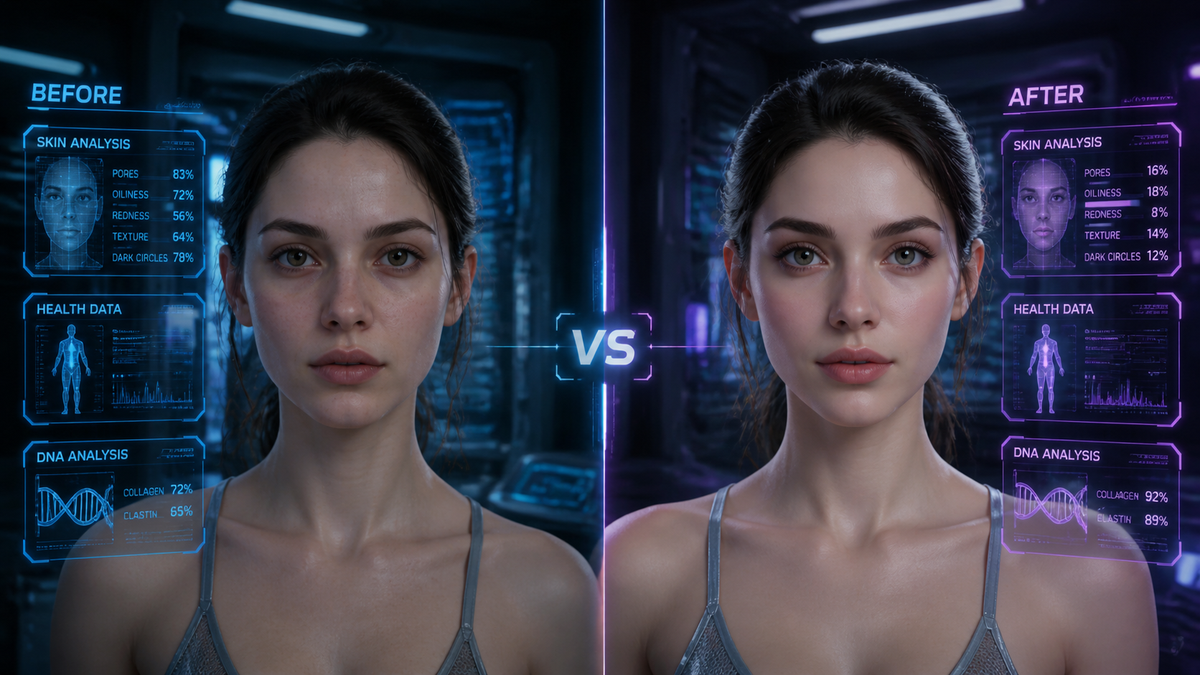
The heygen vs d-id comparison for 2026 reveals a landscape where AI video generation has moved past simple lip-syncing into the realm of indistinguishable digital twins. While both platforms offer industry-leading avatar technology, HeyGen currently leads for high-fidelity realism with its Avatar V technology, whereas D-ID remains the preferred choice for high-volume API integrations and creative photo animation. Choosing the best tool depends on whether your priority is cinematic quality or scalable, automated video production.
A heygen vs d-id comparison in 2026 shows that HeyGen is the superior choice for high-end marketing and personalized sales videos due to its hyper-realistic Avatar V engine. Conversely, D-ID excels in enterprise-level scalability and creative applications, offering a more robust API for developers looking to integrate real-time digital humans into third-party applications and customer service bots.
- ✓ HeyGen’s Avatar V technology has solved the "uncanny valley" problem with fluid micro-expressions.
- ✓ D-ID offers superior API performance for real-time conversational AI and high-speed rendering.
- ✓ Both platforms now support Sora 2 integrations for advanced cinematic background generation.
- ✓ HeyGen leads in self-cloning accuracy, while D-ID remains more cost-effective for bulk photo-to-video projects.
Choosing Your AI Video Solution: A Step-by-Step Selection Guide
Navigating the heygen vs d-id comparison requires a clear understanding of your production goals. As we move through 2026, the complexity of these tools has increased, making it essential to follow a structured evaluation process before committing to an enterprise subscription.
- Identify the Use Case: Determine if you need a "talking head" for a training manual (HeyGen) or a real-time interactive chatbot for a website (D-ID).
- Evaluate Visual Fidelity: Test HeyGen’s Avatar V if you require 4K resolution and natural hand movements, or D-ID if you are animating a historical figure from a single 2D image.
- Assess Integration Needs: Review the API documentation if you plan to automate video production via a CRM or a custom-built application.
- Test the Voice-to-Video Sync: Upload a complex script with industry-specific jargon to see which engine handles phonetic nuances better without losing lip-sync alignment.
- Compare Output Costs: Analyze the credit-per-minute cost, as 2026 pricing models have shifted toward "seat-based" plus "generation-based" hybrid billing.
The Evolution of AI Avatars: HeyGen Avatar V vs. D-ID Agents
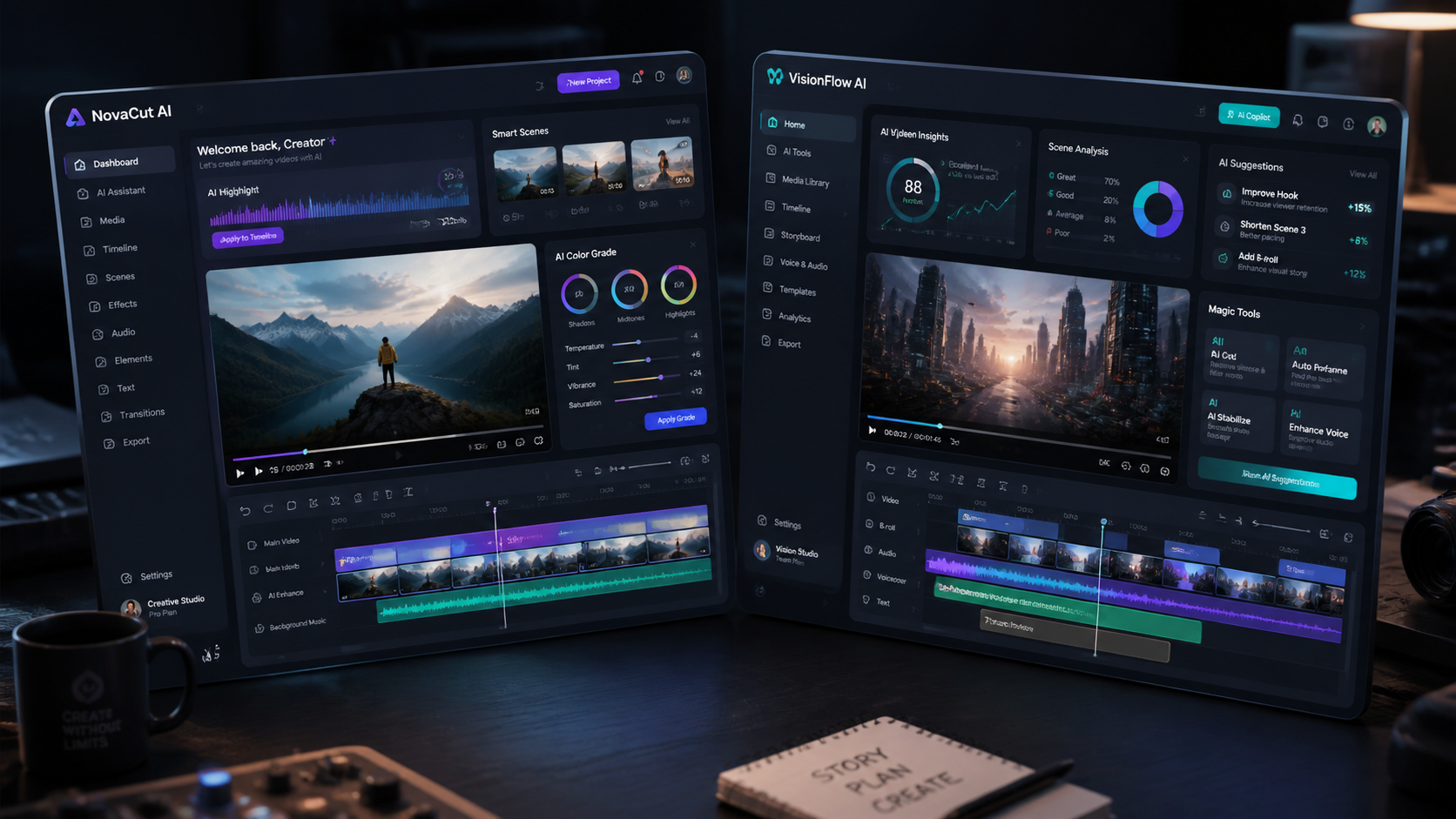
In 2026, the gap between human and AI has narrowed significantly. According to a recent report from Unite.AI, HeyGen’s latest update allows users to clone themselves into "scary real" AI avatars that capture unique personality quirks and non-verbal cues. This leap is largely attributed to the Avatar V engine, which uses neural radiance fields to map depth and texture in ways that previous generations could not achieve. This technology specifically addresses the "stiff shoulder" syndrome that plagued earlier AI video generators.
On the other hand, D-ID has doubled down on "Agents"—interactive, real-time digital humans designed for live interaction. While HeyGen focuses on the "perfect take" for recorded content, D-ID has optimized its latency to under 200ms, making it the industry leader for live customer service interfaces. As noted by Jakob Nielsen on UX, the emergence of "Ambient Clinical AI" and advanced business capabilities has made the responsiveness of tools like D-ID critical for professional environments where immediate feedback is required.
HeyGen vs D-ID Comparison: Feature Breakdown
| Feature | HeyGen (2026) | D-ID (2026) |
|---|---|---|
| Primary Engine | Avatar V (Neural Radiance) | Live Portrait / Agents API |
| Best For | Marketing & Personal Branding | Enterprise APIs & Live Interaction |
| Video Resolution | Up to 4K Ultra HD | Up to 1080p (4K via Upscale) |
| Custom Cloning | Instant High-Fidelity Cloning | Photo-based Animation |
| Real-time Latency | Moderate (Optimized for Render) | Ultra-Low (Optimized for Live) |
| Sora 2 Integration | Full Background Synthesis | Partial Scene Animation |
Performance and Realism: Solving the Biggest AI Problems
The biggest hurdle for AI video has always been the lack of emotional resonance. However, Geeky Gadgets reports that HeyGen’s Avatar V solves the biggest problem with AI videos by introducing "Latent Affordances." This allows the AI to understand the context of the script—if the text is sad, the avatar’s eyes and posture shift automatically to match the tone. In our heygen vs d-id comparison, this gives HeyGen a distinct advantage for storytelling and emotional brand messaging.
D-ID approaches realism through a different lens. Rather than focusing solely on the "perfect clone," D-ID utilizes its "Generative AI Video App" capabilities to allow for massive creative flexibility. You can turn any image—from a 3D render to an oil painting—into a speaking entity. This makes D-ID the superior choice for creative agencies and game developers who need to animate non-humanoid characters or stylized portraits with high consistency across multiple frames.
Scalability and Enterprise Integration
For large-scale operations, the heygen vs d-id comparison shifts toward infrastructure. D-ID’s API is widely considered the most mature in the market. It allows for the generation of thousands of personalized videos simultaneously, which is essential for global email marketing campaigns. According to trendingtopics.eu, the rise of apps like Mirage (which recently raised $75M for AI captions) shows that the ecosystem surrounding these video tools is expanding, and D-ID’s open architecture makes it easier to plug into these new third-party services.
User Experience and Accessibility in 2026
The user interface of both platforms has undergone significant overhauls to accommodate the "AI Consumer Surplus" described by modern UX experts. HeyGen has introduced a "Canvas" style editor that feels similar to high-end design tools, allowing users to drag and drop elements, change outfits on avatars with a single click, and integrate Sora 2-generated backgrounds seamlessly. This makes it highly accessible for small business owners who may not have a background in video editing.
D-ID has focused its UX on the "Developer Experience." Their dashboard provides deep insights into API usage, token consumption, and real-time monitoring of interactive agents. While it may have a steeper learning curve for the average user, it provides a level of control that power users and software engineers require. For those looking for "Fast Video Creation," The Hans India recently highlighted Zoice as a competitor, but noted that D-ID’s established reliability remains the benchmark for professional-grade output.
Cost-Benefit Analysis for the Modern Creator
In 2026, the cost of AI video is no longer just about the monthly subscription. It's about the "time-to-render" and "quality-per-dollar." HeyGen’s premium pricing is justified by its high-fidelity output which requires less post-production work. If you are a YouTuber or a corporate trainer, the "one-and-done" nature of HeyGen’s Avatar V saves hours of editing. D-ID, conversely, offers a more modular pricing structure, allowing enterprises to pay only for the "compute" they use, which is ideal for apps that may have fluctuating traffic.
The Impact of Sora 2 and the Future of AI Video
The integration of OpenAI’s Sora 2 has changed the heygen vs d-id comparison significantly. Both platforms now allow users to generate entire scenes around their avatars. HeyGen uses Sora 2 to create dynamic environments that interact with the avatar’s lighting and shadows. If your avatar is "standing" in a sunlit forest generated by Sora, the HeyGen engine adjusts the skin tones and reflections on the avatar to match. This level of environmental awareness is a breakthrough for 2026.
D-ID uses similar integrations but focuses on "Interactive Scenes." Imagine a customer service agent who can point to a product in a Sora-generated background. This capability makes D-ID a powerhouse for e-commerce. As G2 Learning Hub points out in their 2026 review of the best AI video generators, the ability to merge talking heads with generative cinematic backgrounds is now a standard requirement for any tool claiming to be the "best."
Regional Support and Localization
Localization has become a key battleground. While both tools support over 100 languages, D-ID’s partnership with regional AI firms in Asia (as noted by the growth in Asian market AI apps) has given it a slight edge in tonal accuracy for tonal languages like Mandarin and Vietnamese. HeyGen, however, remains the leader in "Voice Cloning," where the AI doesn't just speak the language, but maintains the user's specific vocal timbre and accent across those languages.
Final Verdict: Which Tool Should You Choose?
The heygen vs d-id comparison ultimately comes down to your specific output requirements. If you are looking to create the most realistic digital version of yourself for a personal brand, marketing videos, or high-end corporate presentations, HeyGen is the clear winner in 2026. Its Avatar V technology is currently unmatched in terms of visual fidelity and emotional intelligence.
However, if you are a developer, an enterprise looking to build interactive customer service bots, or a creative professional who needs to animate a wide variety of images at scale, D-ID is the superior platform. Its robust API and low-latency interactive capabilities make it the backbone of the "Digital Human" economy.
Is HeyGen or D-ID better for YouTube?
HeyGen is generally better for YouTube creators because its Avatar V technology provides the high-resolution, 4K quality and natural movement needed for long-form video content. Its voice cloning also helps maintain a consistent brand voice across multiple videos.
Can I use D-ID for real-time customer service?
Yes, D-ID is the industry leader for real-time applications. Its Agents API is designed for low-latency interactions, allowing digital humans to respond to customer inquiries in real-time with minimal delay.
Which tool is more affordable in 2026?
D-ID tends to be more affordable for high-volume, lower-resolution tasks or API-driven projects. HeyGen is a premium service that charges more for its advanced realism and high-fidelity rendering capabilities.
Do these tools support Sora 2?
Yes, as of 2026, both HeyGen and D-ID have integrated with Sora 2 to allow users to generate cinematic, AI-driven backgrounds that sync with the avatar's movements and lighting.
Can I animate a photo with HeyGen?
While HeyGen specializes in video-based cloning, it does have photo animation features. However, D-ID is widely considered superior for turning a single static 2D image or artistic portrait into a talking avatar.


Comments ()