
How to Generate Short Films with AI Tools: 2026 Guide
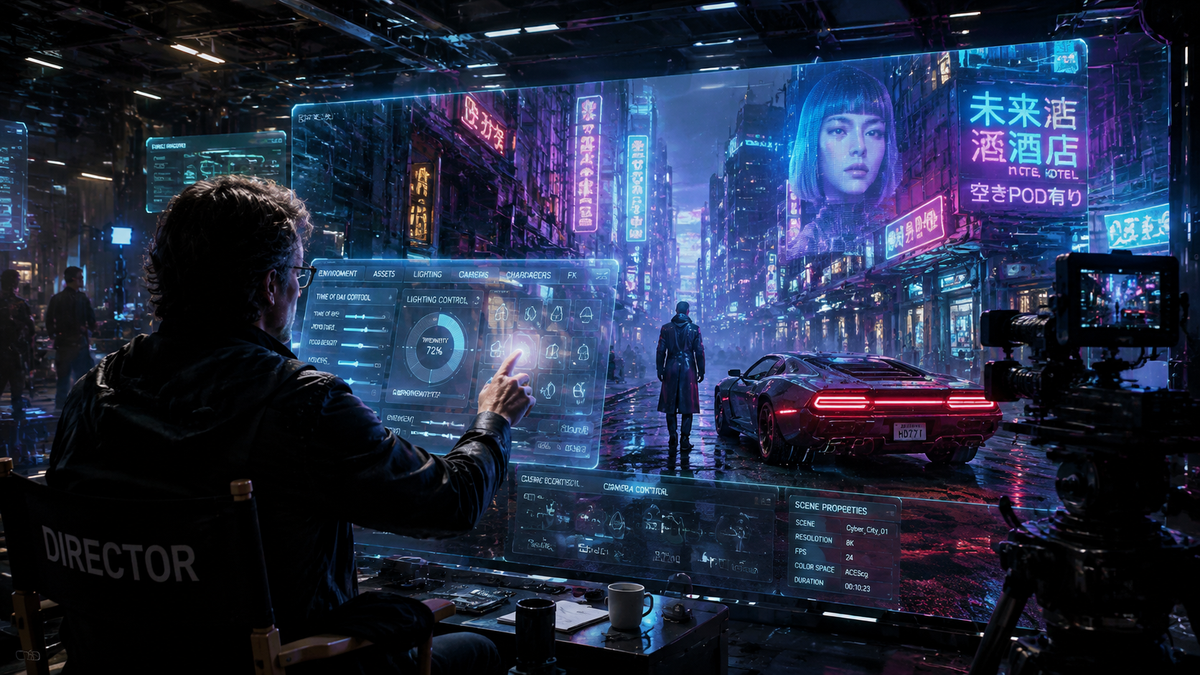
To generate short films with AI tools in 2026, creators use a multimodal workflow that integrates generative video models, AI-driven scriptwriting, and neural audio synthesis. This process involves converting a narrative concept into a series of visual prompts, generating consistent character frames, and utilizing temporal consistency tools to produce a cohesive cinematic experience. By leveraging the latest 2026 advancements in generative AI, filmmakers can now produce high-fidelity short films that compete with traditional studio quality at a fraction of the cost.
AI filmmaking is the process of using artificial intelligence—specifically generative video, image, and audio models—to automate and enhance the production of cinematic content. In 2026, this technology allows creators to generate short films with AI tools by providing text or image prompts that the software transforms into high-definition, temporally consistent video sequences with synchronized soundscapes.
- ✓ AI short films have reached a "Cannes-level" of quality, with specialized festivals now recognizing generative cinema as a legitimate art form.
- ✓ Modern workflows focus on "zero dialogue" visual storytelling or advanced neural voice cloning for realistic character performances.
- ✓ Startups in the space are securing significant venture capital, such as the $6 million raised by recent AI filmmaking pioneers.
- ✓ Global expansion is a key trend, with Chinese-style AI shorts successfully entering domestic and international markets through automated localization.
The Step-by-Step Guide to Generate Short Films with AI Tools
The landscape of cinema has shifted dramatically. As of 2026, the barrier to entry for high-end filmmaking has been virtually eliminated for those who understand how to orchestrate generative models. Whether you are aiming for the Reply AI Film Festival or a commercial release, the following steps will guide you through the modern production pipeline.
- Conceptualization and Scripting: Use Large Language Models (LLMs) to draft a screenplay. In 2026, these models are fine-tuned for "screenplay grammar," allowing you to export industry-standard scripts that include camera directions and lighting cues.
- Storyboarding with Image Generators: Convert your script into visual storyboards. According to ADWEEK, some studios are now utilizing over 3,000 generated images to maintain visual soul and consistency before a single frame of video is rendered.
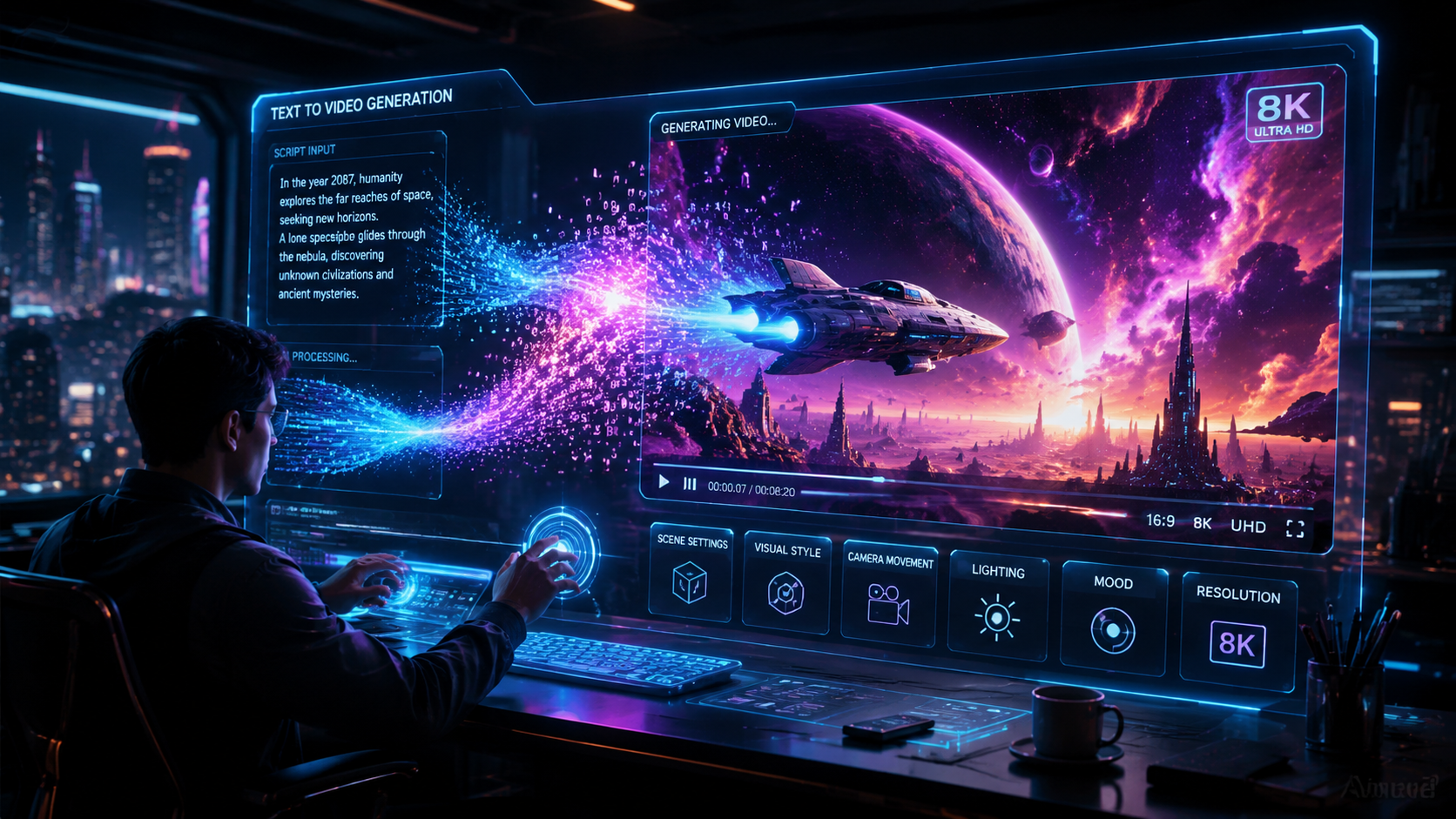
- Video Generation and Motion Control: Input your storyboard images into video generation tools. Use "motion brushes" or "camera pathing" to dictate exactly how the camera moves through the digital scene.
- Character Consistency Pass: Apply LoRA (Low-Rank Adaptation) or specialized identity encoders to ensure your characters look identical across every shot—a critical requirement for professional short films.
- Neural Audio and Scoring: Generate a bespoke soundtrack and foley effects. AI audio tools now allow for "spatial sound mapping," where the audio automatically adjusts based on the camera’s position in the generated video.
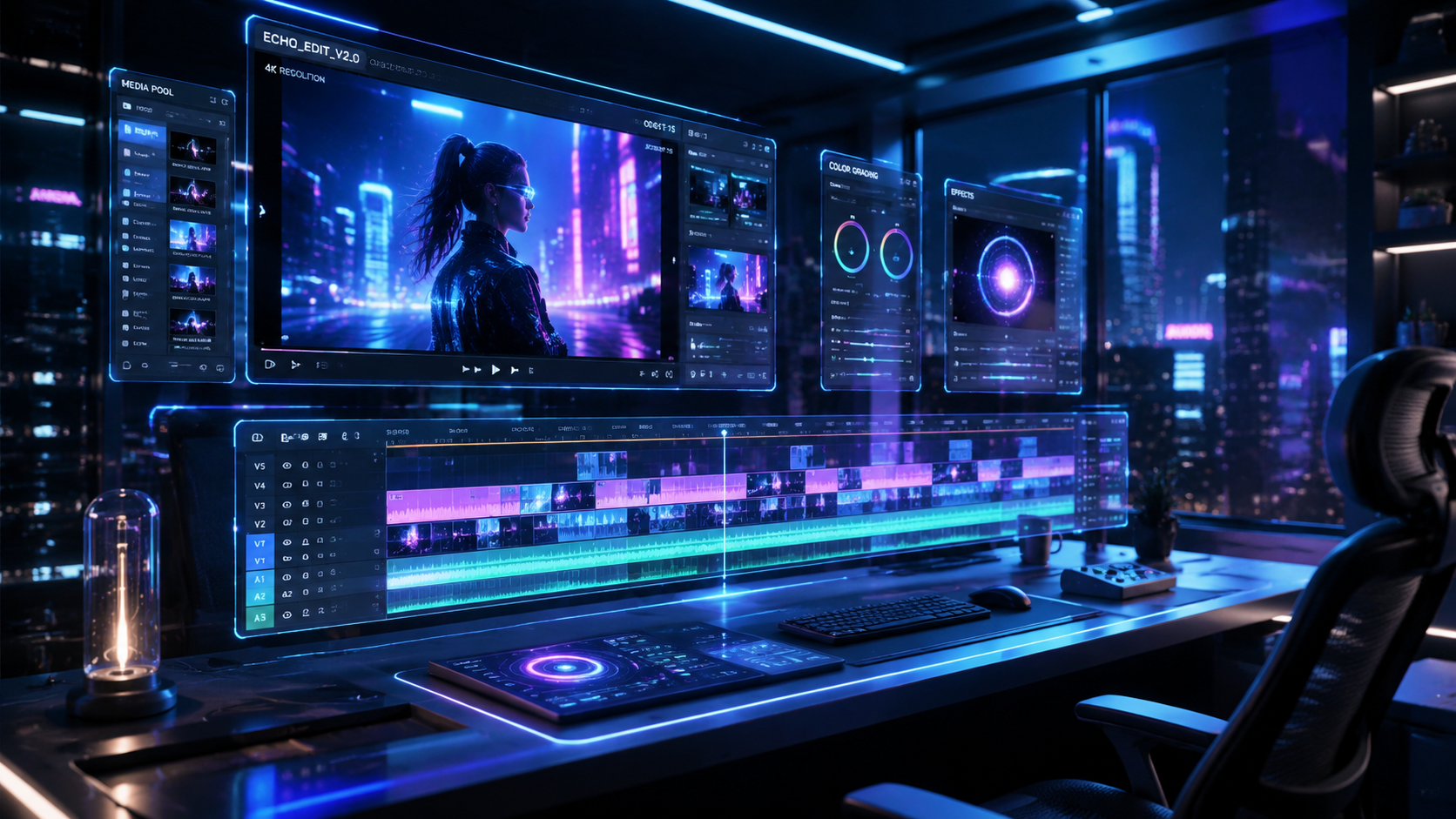
- Final Assembly and Upscaling: Use AI upscalers to bring your footage to 4K or 8K resolution, then assemble the clips in a non-linear editor for final pacing and color grading.
The Evolution of Generative Cinema in 2026
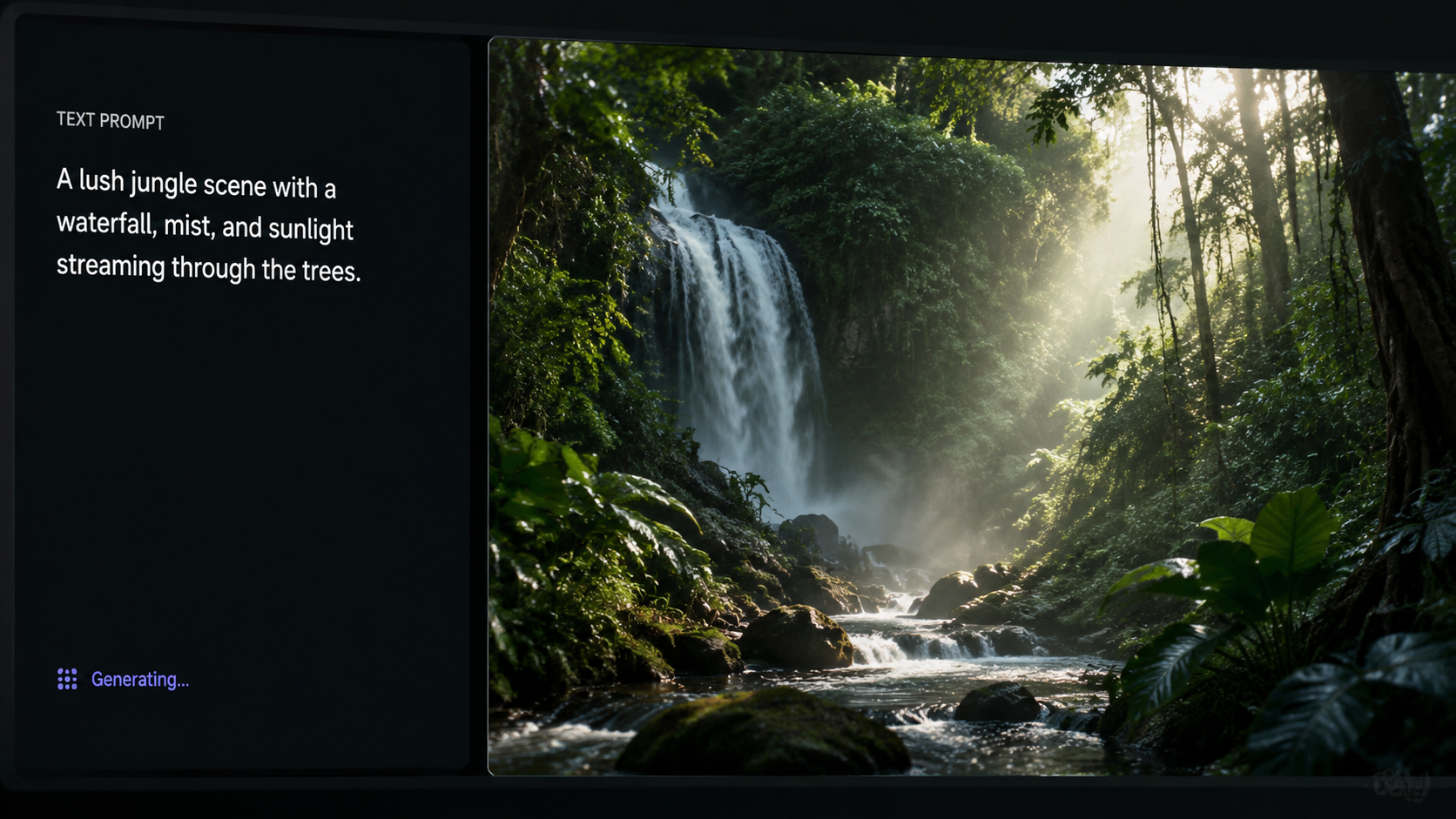
The year 2026 marks a turning point where AI-generated content is no longer a novelty but a staple of the film industry. We have seen the emergence of the third edition of the Reply AI Film Festival, which has become a prestigious platform for showcasing the best short films generated with artificial intelligence. This festival highlights how the technology has moved beyond "uncanny" movements to fluid, emotionally resonant storytelling that rivals traditional cinematography.
Furthermore, the prestige of AI filmmaking was solidified when Variety reported that an AI-created vintage-style film was unveiled at the Cannes Film Festival in May 2026. This "vintage" aesthetic demonstrates the ability of AI to mimic specific historical film stocks, lenses, and lighting setups with perfect accuracy. The industry is seeing a surge in "hybrid" projects where human direction and AI execution blend seamlessly to create works that were previously impossible due to budget constraints.
Market Growth and Investment Trends
The financial world is taking note of the efficiency gains in this sector. As reported by Business Insider in May 2026, a filmmaking couple recently raised $6 million for their AI startup using a pitch deck that demonstrated how AI could slash production timelines by 80%. This influx of capital is driving the development of more intuitive tools that prioritize "creative soul" over algorithmic randomness.
According to research from Business Wire, the jury for major AI film festivals now includes Academy Award-winning directors and tech innovators, signifying a bridge between Silicon Valley and Hollywood. This cross-pollination is resulting in tools that are designed by filmmakers, for filmmakers, focusing on granular control rather than just "one-click" generation.
Comparing Top Platforms to Generate Short Films with AI Tools
Choosing the right toolset depends on your specific needs—whether you prioritize photorealism, character consistency, or speed of generation. The following table compares the leading categories of tools available in 2026.
| Tool Category | Primary Use Case | Key Feature (2026) | Learning Curve |
|---|---|---|---|
| Generative Video Engines | Core Visual Production | Temporal Consistency & 4K Output | Moderate |
| Neural Audio Suites | Dialogue & Soundscapes | Emotion-Driven Voice Synthesis | Low |
| Character Identity Tools | Consistent Protagonists | Multi-Angle Identity Locking | High |
| AI Upscalers/Fixers | Post-Production Quality | Neural Frame Interpolation | Low |
Overcoming the "Creative Soul" Challenge
A common critique of AI-generated content is the perceived lack of human touch. However, modern studios are proving this wrong. As highlighted by ADWEEK, one prominent studio produced a critically acclaimed short film using 3,000 generated images with zero dialogue. The focus was entirely on visual metaphor and pacing. By removing dialogue, the filmmakers forced the AI to convey emotion through lighting, texture, and movement, proving that the "soul" of a film comes from the human director's curation and arrangement of AI assets.
This "curatorial" approach to filmmaking is the new standard. Instead of letting the AI make all the decisions, directors are using "inpainting" and "outpainting" techniques to modify specific parts of a frame. For instance, if an AI-generated background is perfect but the character's expression is off, the director can re-generate just the face, maintaining total creative control over the performance.
Global Expansion and the "Chinese-Style" Model
The democratization of these tools has also led to a unique phenomenon in international distribution. TechFlow recently documented the "Chinese-style overseas expansion" of AI-generated short films. This involves creating high-quality shorts in one region and using AI to automatically localize the lip-sync, cultural nuances, and dialogue for global markets. This "Export to Domestic Sales" model allows a small team to act as a global film distributor, reaching audiences in dozens of languages simultaneously without the need for traditional dubbing studios.
Best Practices for Prompt Engineering in Film
To effectively generate short films with AI tools, your prompting strategy must evolve from simple descriptions to "cinematic directives." In 2026, the most successful creators use a "layering" technique. This involves starting with a base prompt for the environment, then adding layers for lighting (e.g., "golden hour, 35mm anamorphic lens"), and finally adding motion vectors (e.g., "slow dolly zoom into the subject's eyes").
Moreover, the use of "negative prompts" has become more sophisticated. Filmmakers now use them to filter out common AI artifacts like "motion blur" or "warped limbs," ensuring that the final output looks like it was captured on physical film. According to Adobe's insights from the MAX 2025 Generative AI Film Festival, the most successful shorts were those that combined AI-generated visuals with traditional Foley and hand-edited pacing to break the "perfect" look of raw AI output.
Integrating AI into Traditional Workflows
You don't have to go 100% AI to see the benefits. Many creators are using AI for "pre-visualization" (Pre-Viz). This allows a director to see a high-fidelity version of their film before hiring a crew or building a set. By generating short films with AI tools during the planning phase, production teams can save millions of dollars by identifying what works visually before the first day of principal photography.
Frequently Asked Questions
Can AI generate a full-length movie in 2026?
While AI can generate all the components of a movie, most creators focus on short films (5-15 minutes) to maintain high quality and narrative consistency. Full-length features are typically a hybrid of AI-generated scenes and human-led editing.
Is it legal to use AI-generated films for commercial purposes?
Yes, provided you use platforms that offer commercial licensing. Most professional AI tools in 2026 include copyright protections and "clean" training data to ensure creators own the rights to their generated output.
Do I need a powerful computer to generate short films with AI?
No, most high-end AI filmmaking tools in 2026 are cloud-based. You only need a stable internet connection and a web browser to access massive GPU clusters that handle the heavy rendering and processing.
How do I ensure my characters look the same in every scene?
Character consistency is achieved through "Seed" locking and "Identity Reference" tools. By using a consistent reference image and specific character prompts, the AI can maintain the same facial features and clothing across different shots.
What is the cost of making an AI short film?
Costs have dropped significantly. A professional-grade 10-minute AI short film can be produced for a few hundred dollars in subscription fees, compared to the tens of thousands required for traditional indie production.
As we move further into 2026, the ability to generate short films with AI tools will become a standard skill for storytellers worldwide. The fusion of human creativity and machine efficiency is not just changing how films are made—it is changing who gets to tell their stories. From the red carpets of Cannes to the viral feeds of social media, generative cinema is the new frontier of the moving image.
Comments ()