
Create Cinematic Videos with AI Prompts: 2026 Guide
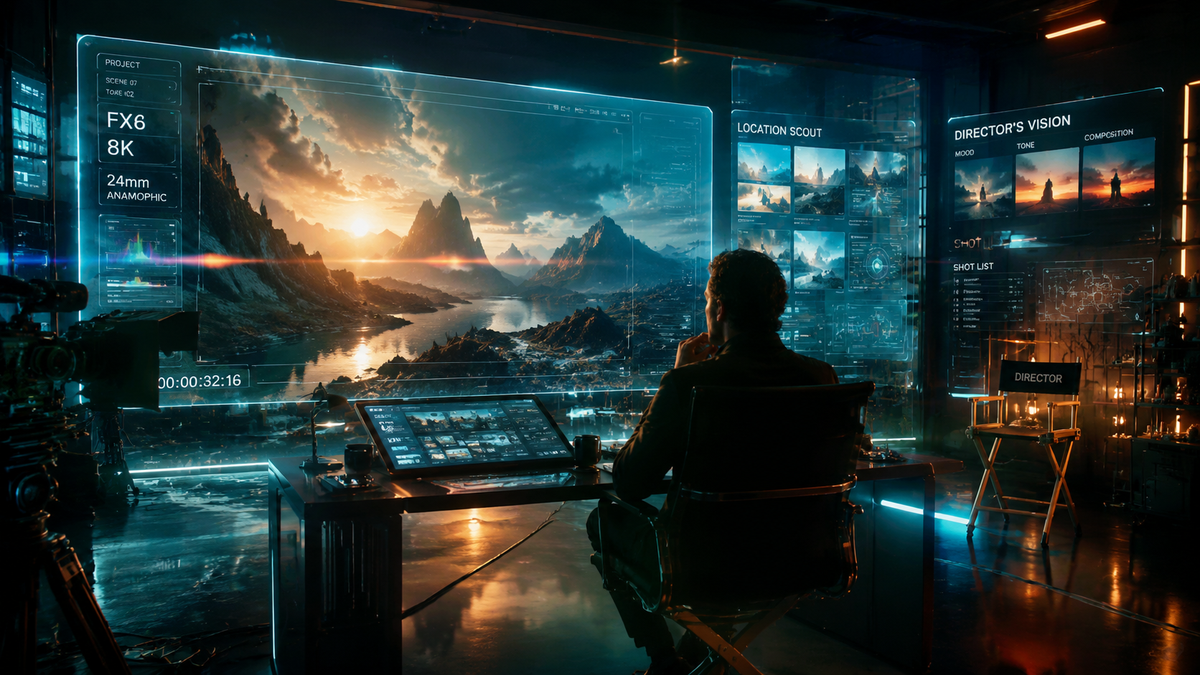
To create cinematic videos with ai prompts in 2026, you must utilize high-fidelity generative models like those recently reviewed by CNET, which translate descriptive text into multi-shot sequences with physics-based lighting. By combining specific camera terminology—such as "anamorphic lens" or "tracking shot"—with narrative context, creators can produce professional-grade visuals that were previously exclusive to high-budget film studios. This process involves iterative prompting where the user refines lighting, motion intensity, and character consistency to achieve a high-definition, cinematic output.
Creating cinematic videos with AI prompts is the process of using descriptive natural language to guide artificial intelligence models in generating high-resolution, emotionally resonant video content. In 2026, this technology has evolved beyond simple clips to include complex scene transitions, consistent character rendering, and advanced cinematography controls, allowing anyone to produce film-quality media from a text interface.
- ✓ Use technical cinematography terms like "bokeh," "low-angle," and "color grade" to improve visual depth.
- ✓ Leverage the latest 2026 AI video prompt templates to ensure consistent character and environment rendering across multiple shots.
- ✓ Integrate trending cultural moments, such as IPL 2026 stadium aesthetics, to maximize social media virality and engagement.
- ✓ Avoid treating AI models like search engines; instead, provide descriptive, instructional context for better creative outcomes.
The Evolution of AI Video Production in 2026
As we navigate through 2026, the landscape of digital content creation has undergone a seismic shift. The ability to create cinematic videos with ai prompts is no longer a niche skill for tech enthusiasts but a primary tool for filmmakers, marketers, and social media influencers. According to recent reviews by CNET, the best AI video generators of 2026 now offer unprecedented control over temporal consistency, meaning characters and settings no longer "morph" or glitch between frames. This stability is what allows AI-generated content to finally cross the threshold into true cinema.
One of the most significant changes this year is the move away from "black box" generation toward granular control. Modern interfaces allow users to specify lens types, f-stops, and even the type of film stock being emulated. This shift has been necessitated by the massive volume of AI content being produced. As noted by India Today, viral trends like the IPL 2026 stadium videos have set a high bar for quality, forcing creators to move beyond basic prompts into more sophisticated, multi-layered instructions that define the mood, atmosphere, and technical execution of every second of footage.
Step-by-Step Guide to Generating Cinematic AI Video
- Define the Visual Narrative: Start with a core concept that describes the action. Instead of "a man running," use "A marathon runner sprinting through a rain-slicked Tokyo street at midnight, neon lights reflecting in puddles."
- Apply Cinematography Parameters: Add technical keywords to your prompt. Use terms like "shot on 35mm film," "cinematic lighting," "shallow depth of field," and "dynamic tracking shot" to instruct the AI on the desired aesthetic.
- Set the Emotional Tone: Describe the color palette and mood. For a cinematic feel, prompts should include phrases like "teal and orange color grade," "melancholic atmosphere," or "high-contrast shadows."
- Utilize Prompt Templates: Leverage established frameworks. As eWeek suggests, using 2026-specific prompt templates can help maintain structural integrity in your video, especially for complex scenes involving multiple subjects.
- Iterate and Upscale: Generate a low-resolution preview first. Once the movement and composition are correct, use an AI upscaling tool to bring the video to 4K or 8K resolution with enhanced textures.
Why Prompt Engineering is the New Cinematography
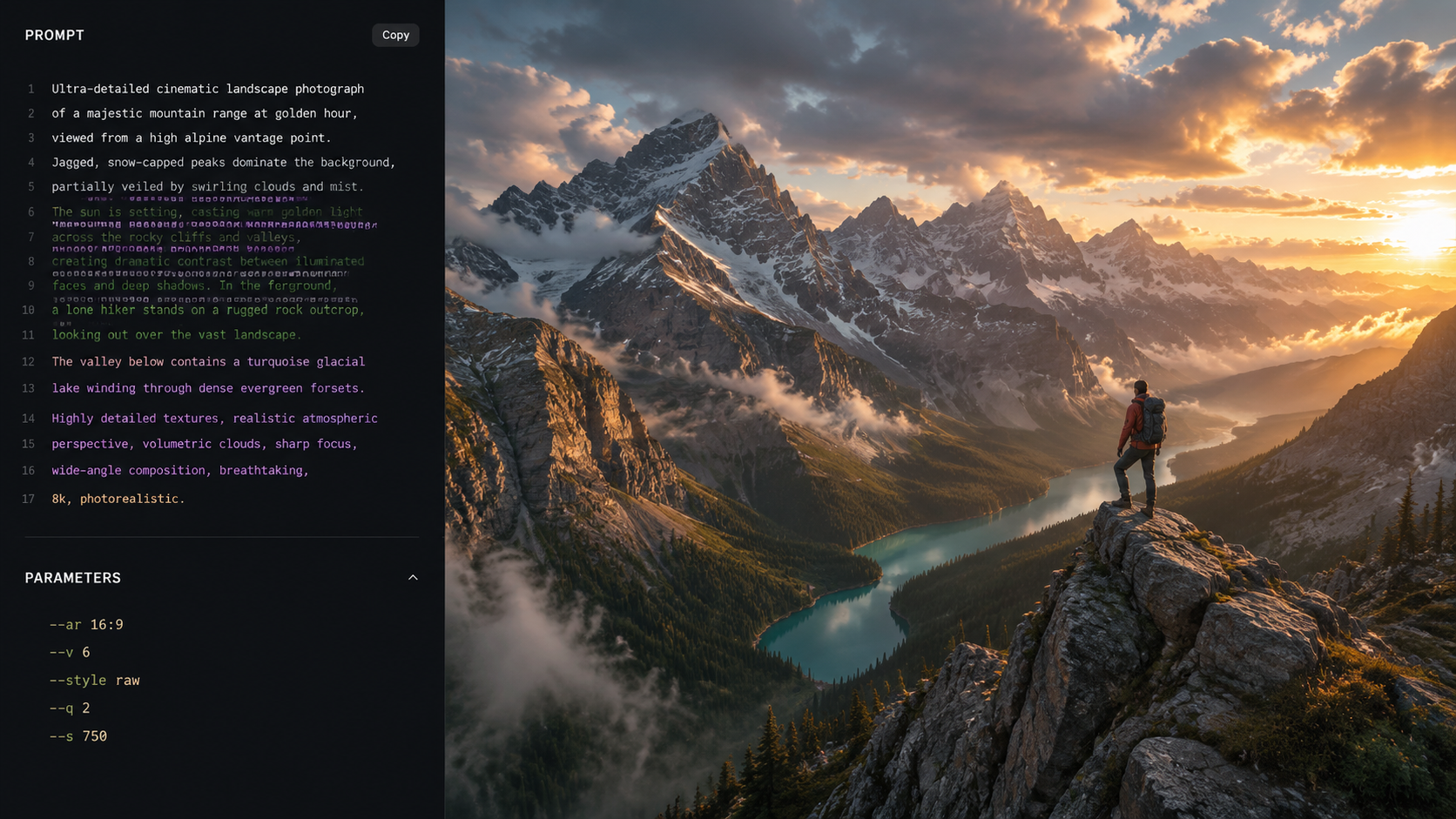
In 2026, the role of the director has shifted toward that of a prompt engineer. However, a common pitfall has emerged among new users. According to a report by Geeky Gadgets, treating ChatGPT and other AI models like a search engine is a major mistake in 2026. Search engines look for existing information, whereas AI video models require creative, descriptive instructions to build something new. To create cinematic videos with ai prompts, one must speak the language of art and emotion, not just keywords and queries.
The mastery of "contextual prompting" is what separates amateur clips from cinematic masterpieces. This involves providing the AI with a "world-view" before asking for the video. For example, telling the AI it is a "world-class cinematographer working on a sci-fi epic" before inputting the scene description drastically changes the output quality. This level of intentionality is why AI prompts have taken over major events like the IPL 2026, where fans are creating hyper-realistic "fan moments" with their favorite players that are indistinguishable from real broadcast footage.
| Character Persistence | Low (Faces change mid-clip) | High (Consistent across scenes) |
| Feature | Standard AI Video (2024) | Cinematic AI Video (2026) |
|---|---|---|
| Resolution | 720p / 1080p (Upscaled) | Native 4K with Neural Upscaling |
| Motion Consistency | Frequent "Hallucinations" | Physics-Based Fluid Dynamics |
| Control Mechanism | Basic Text Only | Text + Motion Brushes + Camera Directing |
| Max Clip Length | 3–10 Seconds | 60+ Seconds per Shot |
Advanced Techniques to Create Cinematic Videos with AI Prompts
To truly achieve a "filmic" look, creators must understand the importance of light and shadow within their prompts. In 2026, AI models have a much deeper understanding of ray tracing and global illumination. When you create cinematic videos with ai prompts, specifically mentioning "volumetric lighting," "God rays," or "golden hour" can transform a flat scene into a three-dimensional experience. Zee News recently highlighted how fans are using these specific lighting prompts to create viral cricket edits, placing themselves in the stadium with realistic shadows and stadium floodlight flares.
Another advanced technique involves "Temporal Prompting." This is the practice of describing how a scene changes over time within a single prompt. For instance, "The camera starts on a close-up of a blooming flower and slowly zooms out to reveal a desolate battlefield, transition from vibrant colors to muted greys." This level of narrative progression is a hallmark of 2026 AI technology. According to eWeek, the top 10 AI video prompt templates now include specific sections for "Motion Trajectory" and "Camera Path," allowing for complex drone-style shots that were impossible to prompt just two years ago.
The Role of Cultural Trends in AI Video
Virality in 2026 is often driven by the intersection of AI technology and major live events. The CSR Journal notes that AI prompts have completely taken over the IPL 2026 season, as fans use generative tools to create posters and short films that celebrate their favorite teams. This trend demonstrates that cinematic AI is not just for fictional storytelling but for real-time cultural participation. By using prompts that reference current events, creators can tap into existing audiences while providing high-value, cinematic visuals that stand out from standard mobile phone footage.
Choosing the Right AI Video Generator in 2026
Not all AI video tools are created equal. As CNET’s 2026 rankings show, the market has bifurcated into "Quick-Clip" generators for social media and "Cinematic Suites" for professional production. When your goal is to create cinematic videos with ai prompts, you need a tool that supports high-bitrate exports and manual camera controls. The top-ranked tools of 2026 now feature "Director Mode," which allows users to adjust the virtual camera's focal length and aperture after the initial prompt has been processed.
Furthermore, the integration of audio has become a standard feature. Leading platforms now allow for "Multi-Modal Prompting," where you can describe both the visual and the soundscape simultaneously. A prompt like "Cinematic shot of a spaceship landing, deep bass engine hum, gravel crunching under landing gear" ensures that the generated audio and video are perfectly synced. This holistic approach to creation is why AI-driven media is currently dominating platforms like YouTube and TikTok in 2026.
Optimizing for Different Platforms
While the technical prompt remains similar, the "cinematic" definition changes depending on where the video will be viewed. For vertical platforms, the focus should be on "Center-Weighted Composition" to ensure the subject remains the focus. For widescreen cinematic displays, prompts should emphasize "Grandeur" and "Scale." The 2026 guide to AI video suggests that creators should always include the aspect ratio in their initial prompt (e.g., "--ar 21:9") to ensure the AI composes the scene with the correct cinematic framing from the start.
Common Mistakes to Avoid in 2026
Despite the advancements in technology, many users still struggle to get high-quality results. The most common error is "Prompt Overloading"—trying to pack too many instructions into a single sentence. This often leads to the AI ignoring key elements. Instead, the "Layered Prompting" method is recommended: start with the environment, then the subject, then the lighting, and finally the camera movement. This structured approach is supported by the 2026 prompt templates featured in eWeek, which emphasize a modular "building block" style of writing.
Another mistake is ignoring the "Negative Prompt." In 2026, telling the AI what not to include is just as important as telling it what to include. To maintain a cinematic aesthetic, negative prompts should include terms like "cartoonish," "low resolution," "oversaturated," "extra limbs," and "text overlays." By filtering out these unwanted elements, the final video remains grounded in realism and professional film quality. According to Geeky Gadgets, failing to use negative prompts is one of the primary reasons AI videos fail to look "real" or "cinematic" to the human eye.
What is the best AI video generator in 2026?
According to CNET's 2026 reviews, the top-ranked generators are those that offer high temporal consistency and "Director Mode" controls. These tools allow for granular adjustments to lighting and camera angles that standard models lack.
How do I make my AI videos look more like a movie?
To achieve a cinematic look, include technical film terms in your prompts such as "anamorphic lens flares," "35mm film grain," and "cinematic color grading." Focusing on lighting descriptions like "chiaroscuro" or "volumetric fog" also significantly enhances the filmic quality.
Can I create consistent characters across different AI video clips?
Yes, 2026 AI models utilize "Character Reference" (CRef) tags. By using a consistent character ID or reference image in your prompt, you can maintain the same facial features and clothing across multiple generated scenes.
Why does my AI video look blurry or distorted?
This is often caused by "Prompt Overloading" or lack of negative prompts. Ensure you are using a 2026-optimized template and specify "high definition" and "sharp focus" while excluding "motion blur" or "compression artifacts" in your negative prompt.
Are there specific prompts for sports videos like IPL 2026?
Yes, as reported by India Today and Zee News, popular prompts for 2026 involve describing specific stadium atmosphere, player likenesses, and "cinematic slow-motion" shots of cricket action to create viral social media content.
In conclusion, the ability to create cinematic videos with ai prompts has democratized filmmaking in 2026. By following the technical guidelines of professional cinematography, avoiding the "search engine" trap, and utilizing the latest prompt templates, anyone can produce stunning, high-fidelity visual stories. As the technology continues to evolve, the only limit to cinematic creation will be the imagination and the clarity of the prompts provided to these powerful generative engines.



Comments ()