
Gemini Omni Video Generation Model: 2026 AI Video Guide
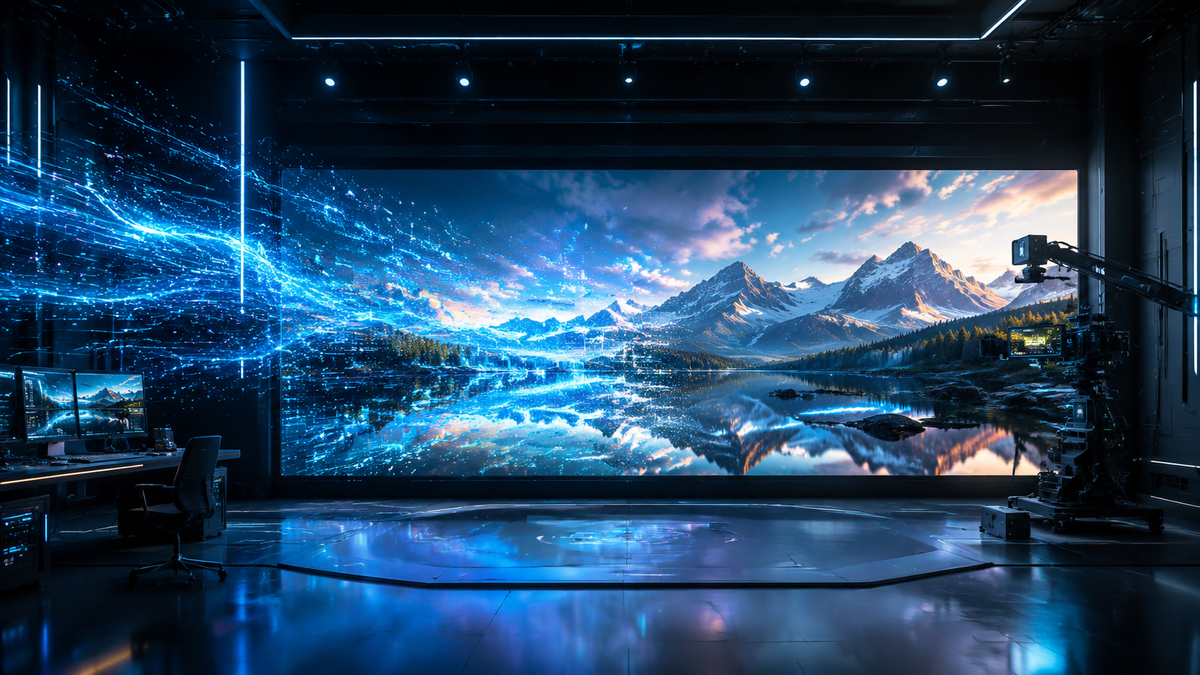
The gemini omni video generation model is Google's next-generation "any-to-any" AI world model, officially unveiled at Google I/O in May 2026, which possesses the native ability to transform text, audio, and images into high-fidelity cinematic video. Representing a fundamental shift from previous diffusion-based tools, Gemini Omni functions as a comprehensive world model that understands physical consistency, complex motion, and multimodal reasoning within a single architecture.
Gemini Omni is a multimodal AI world model developed by Google that generates high-definition video from text, image, and audio inputs. Launched in May 2026, it utilizes an "any-to-any" architecture to maintain temporal consistency and physical accuracy, allowing users to create complex visual narratives across enterprise and creative sectors through the Gemini API and Vertex AI.
- ✓ Gemini Omni supports "any-to-any" processing, converting text, audio, and images into high-fidelity video.
- ✓ Developed as a "world model," it understands physical laws and spatial consistency better than previous iterations.
- ✓ Integration with Google Cloud and Vertex AI provides enterprise-grade security and scalability.
- ✓ The model features advanced multimodal reasoning, allowing it to interpret complex audio cues to influence visual generation.
What is the Gemini Omni Video Generation Model?
In May 2026, Google fundamentally changed the landscape of digital content creation with the debut of the gemini omni video generation model. Unlike earlier models that treated video generation as a secondary feature of large language models, Gemini Omni was built from the ground up as a native multimodal system. According to The Verge, Gemini Omni is not just a single tool but a new family of AI models designed with the ambitious goal to "create anything," bridging the gap between static data and dynamic visual storytelling.
The core innovation of Gemini Omni lies in its "any-to-any" architecture. This means the model does not require a text prompt as a starting point; it can take a melody (audio), a rough sketch (image), or a detailed script (text) and synthesize them into a coherent video sequence. This flexibility allows for a more intuitive creative process where the AI acts as a director, cinematographer, and editor simultaneously. TechCrunch reports that this breakthrough allows Gemini Omni to turn images, audio, and text into video seamlessly, marking the start of a new era in generative media.
Furthermore, Google’s latest "world model" approach ensures that the generated videos adhere to the laws of physics. Whether it is the way light reflects off a moving car or how fabric drapes over a person in motion, Gemini Omni calculates these interactions with unprecedented accuracy. This level of realism is what distinguishes the 2026 model from the experimental versions of years past, making it a viable tool for professional film production and high-end marketing campaigns.
How to Use Gemini Omni for Video Generation
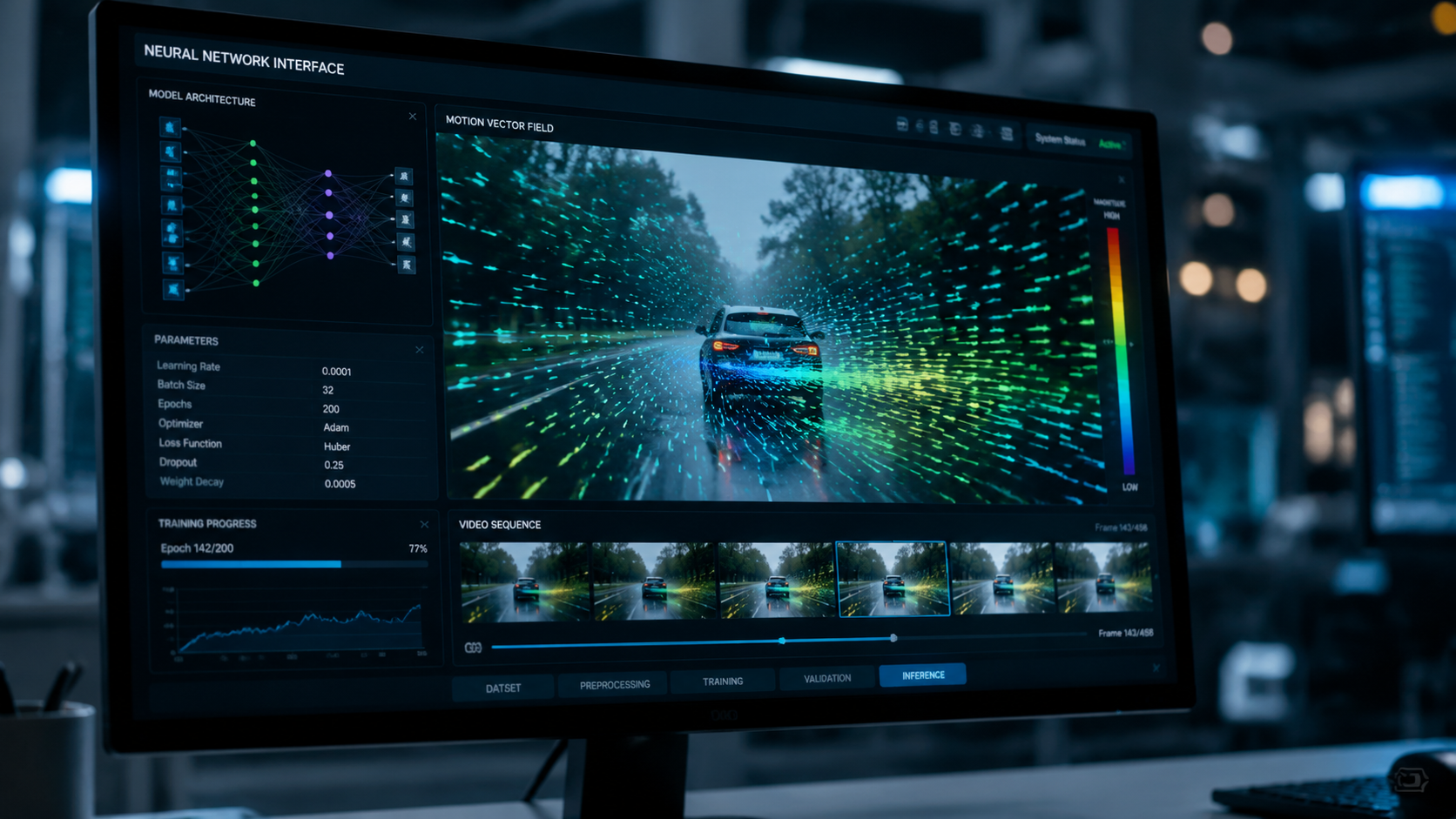
Accessing the power of the gemini omni video generation model has been streamlined for both individual creators and enterprise developers. To begin generating high-quality video content, follow these steps:
- Access the Platform: Log in to the Google AI Studio or the Vertex AI console. Ensure your account has the "Omni-Series" permissions enabled, which were rolled out following the May 19, 2026, announcement.
- Define Your Inputs: Select your input types. You can upload a reference image for style, an audio file for pacing and mood, and a text description for the narrative arc.
- Configure Parameters: Adjust the resolution (up to 4K), frame rate, and "physical consistency" sliders. Higher consistency settings ensure the model adheres strictly to real-world physics.
- Generate and Iterate: Click "Generate." Once the initial draft is ready, use the "Omni-Edit" feature to highlight specific areas of the video for modification using natural language commands.
- Export and Integrate: Export the final render in your preferred format or use the API to push the content directly into your CMS or production pipeline.
According to VentureBeat, enterprises should pay close attention to the model's ability to handle complex prompts. The "any-to-any" capability means that a marketing team can upload a 30-second audio jingle, and Gemini Omni can generate a synchronized visual advertisement that matches the rhythm and tone of the music without needing manual timestamping. This automation represents a massive leap in production efficiency for 2026.
Key Features of the Gemini Omni Model
The gemini omni video generation model introduces several features that were previously considered the "holy grail" of AI research. Chief among these is temporal consistency. In older models, objects might morph or disappear between frames. Gemini Omni utilizes a "Persistent World State" memory, which allows it to remember the geometry of a room or the features of a character even if they move off-screen and return later. This makes it possible to create longer, narrative-driven content that feels like a single, continuous shot.
Advanced Multimodal Reasoning
One of the standout features mentioned by Mashable is the model's advanced AI video capabilities rooted in multimodal reasoning. If you provide the model with a video of a person talking and a separate audio track of a different language, Gemini Omni can resynthesize the video so the lip movements and facial expressions perfectly match the new audio. This "Cross-Modal Translation" is a game-changer for global content distribution, allowing for perfect dubbing and localization at scale.
Enterprise-Grade Scalability
For businesses, the 2026 release focuses heavily on reliability. As VentureBeat noted, Google unveiled Gemini Omni with a specific focus on what enterprises need to know: security and copyright protection. The model includes built-in digital watermarking (SynthID) and is trained on a curated dataset that respects intellectual property rights, providing a "safe-to-use" guarantee for corporate environments. This makes it the preferred choice for Fortune 500 companies looking to integrate generative video into their workflows.
Gemini Omni vs. Previous Generation Models
To understand the impact of the gemini omni video generation model, it is helpful to compare it to the video generation standards of 2025. The following table highlights the significant technological leap achieved with the Omni architecture.
| Feature | 2025 Standard Video AI | 2026 Gemini Omni |
|---|---|---|
| Input Modalities | Text-to-Video only | Any-to-Any (Text, Audio, Image, Video) |
| Max Resolution | 1080p (upscaled) | Native 4K Cinematic |
| Physics Engine | Heuristic-based (often glitchy) | Native World Model (physically accurate) |
| Temporal Consistency | Limited to 10-15 seconds | Extended Narrative (minutes-long consistency) |
| Latency | High (minutes per clip) | Near Real-Time (optimized TPU v6 clusters) |
As shown in the comparison, the shift toward a "world model" allows Gemini Omni to bypass the limitations of simple frame-by-frame prediction. By understanding the 3D space and the objects within it, the model can render complex scenes—such as liquid pouring into a glass or a character weaving through a crowded street—with a level of realism that was previously unattainable. No Film School highlights that this allows creators to "create anything" with video, essentially turning a single user into a full-scale production house.
The Impact on Creative and Enterprise Industries
The introduction of the gemini omni video generation model is already reshaping how industries approach visual media. In the film and entertainment sector, pre-visualization (previz) has been transformed. Directors can now generate high-fidelity storyboards that are essentially finished scenes, allowing for better decision-making before a single real camera is even turned on. No Film School reports that the ability to "create anything" means that independent filmmakers can now produce visual effects that once required multi-million dollar budgets.
In the enterprise world, the implications are equally profound. Training and development departments are using Gemini Omni to create personalized instructional videos. Instead of a generic training module, the model can generate a video featuring a virtual avatar that speaks the employee's native language and uses examples specific to their local office branch. This level of personalization increases engagement and retention, providing a clear ROI for companies investing in the Google AI ecosystem.
According to blog.google, the "Introducing Gemini Omni" announcement emphasized that this model is part of a broader ecosystem. It works in tandem with Google Workspace, allowing a user to take a Google Doc and instantly turn it into a video presentation. This seamless integration ensures that the gemini omni video generation model is not just a standalone novelty but a core component of the modern digital workplace in 2026.
Future Outlook: The Evolution of World Models
Looking ahead into late 2026 and 2027, the gemini omni video generation model is expected to evolve into even more interactive forms. Researchers at Google are already hinting at "Interactive World Models," where users can not only generate a video but step into it in a VR environment. This would allow for real-time manipulation of the video environment, effectively blurring the line between video generation and game engine rendering.
The ethical considerations of such powerful technology remain a priority. Google has implemented multi-layered safety filters to prevent the generation of harmful content or deepfakes without consent. As noted by The Verge, the family of models is meant to be "any-to-any," but it is also "any-to-safe," ensuring that the creative freedom provided by Gemini Omni does not come at the cost of digital integrity. The 2026 guidelines for AI usage emphasize transparency, requiring all Omni-generated content to carry metadata identifying it as AI-synthesized.
In conclusion, the gemini omni video generation model represents the pinnacle of AI achievement in 2026. By combining text, image, and audio into a singular, physically-aware video generation engine, Google has provided a tool that scales from the individual artist to the global enterprise. As we continue to explore the capabilities of this "world model," the boundaries of what can be visualized are limited only by the user's imagination.
What is the Gemini Omni video generation model?
Gemini Omni is a multimodal "any-to-any" AI model released by Google in May 2026. It is capable of generating high-quality video by processing and combining text, audio, and image inputs within a unified world model architecture.
When was Gemini Omni released?
Gemini Omni was officially introduced at the Google I/O conference on May 19, 2026. It was made available to developers and enterprise customers via Vertex AI and the Gemini API shortly after the announcement.
Can Gemini Omni create video from audio?
Yes, one of the primary features of the Gemini Omni model is its ability to use audio as a direct input. It can generate visuals that correspond to the mood, rhythm, or literal descriptions found within an audio file.
Is Gemini Omni safe for enterprise use?
Absolutely. Google has integrated enterprise-grade security features, including SynthID watermarking and compliance with global AI safety standards, to ensure that content generated by Gemini Omni is suitable for professional and commercial applications.
How does Gemini Omni differ from traditional AI video tools?
Unlike traditional tools that often struggle with physical logic, Gemini Omni is a "world model" that understands spatial reasoning and physics. This results in videos with superior temporal consistency and realistic motion compared to older 2024-2025 models.



Comments ()