
10 Best AI Video Generators for Marketing in 2026
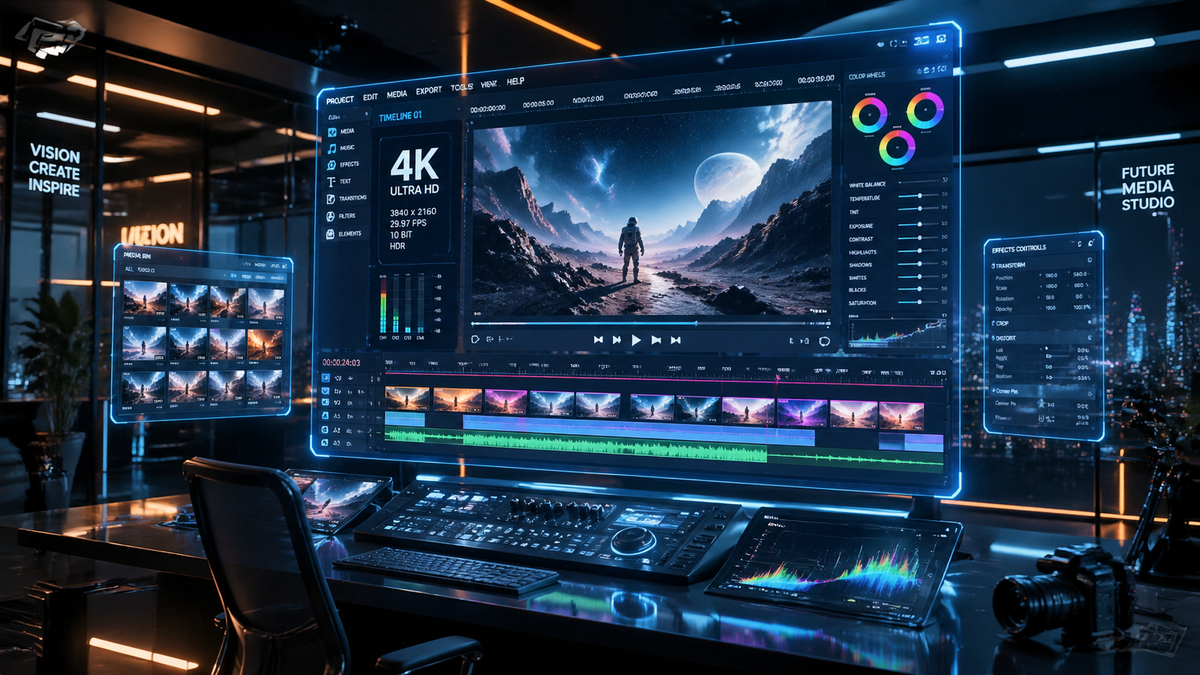
The best ai video generators for marketing in 2026 are specialized software platforms that utilize generative artificial intelligence to transform text, images, or scripts into high-quality, professional video content. These tools allow marketing teams to scale video production, reduce costs, and create hyper-personalized campaigns without the need for expensive filming equipment or lengthy editing cycles. In 2026, the industry has shifted toward "physics-aware" models that provide realistic movement and seamless integration with existing brand assets.
The best ai video generators for marketing in 2026 are professional-grade platforms like Sora Pro, Runway Gen-4, and HeyGen, which allow brands to generate photorealistic video from simple text prompts. These tools utilize advanced neural networks to create high-conversion social media ads, product demos, and personalized sales videos at a fraction of the traditional production cost.
- ✓ AI video generators in 2026 now offer full 4K resolution with consistent character rendering across different scenes.
- ✓ Integration with CRM and marketing automation platforms allows for 1:1 personalized video messaging at scale.
- ✓ Real-time physics engines have virtually eliminated the "uncanny valley" effect in AI-generated human movement.
- ✓ Most leading tools now include built-in ethical watermarking and copyright protection for brand safety.
How to Use the Best AI Video Generators for Marketing Success
Implementing AI video into your marketing workflow requires more than just entering a prompt. To achieve the best results, marketers must focus on "prompt engineering" and brand consistency. By 2026, the workflow has become streamlined, allowing even small teams to produce cinematic-quality content that was once reserved for major agencies with million-dollar budgets.
- Define Your Objective: Determine if the video is for social media engagement, lead generation, or customer onboarding, as this dictates the AI model you should use.
- Select Your AI Tool: Choose a platform based on your specific needs—some excel at realistic human avatars, while others are better for abstract b-roll or product showcases.
- Scripting and Prompting: Input your detailed script or prompt, ensuring you include specific instructions for lighting, camera angles, and brand colors.
- Review and Refine: Use the tool's iterative editing features to fix specific frames or adjust the pacing of the generated video.
- Export and Distribute: Download the final render in the appropriate aspect ratio (9:16 for TikTok/Reels or 16:9 for YouTube) and deploy it via your marketing channels.
Comparison of Top AI Video Platforms in 2026
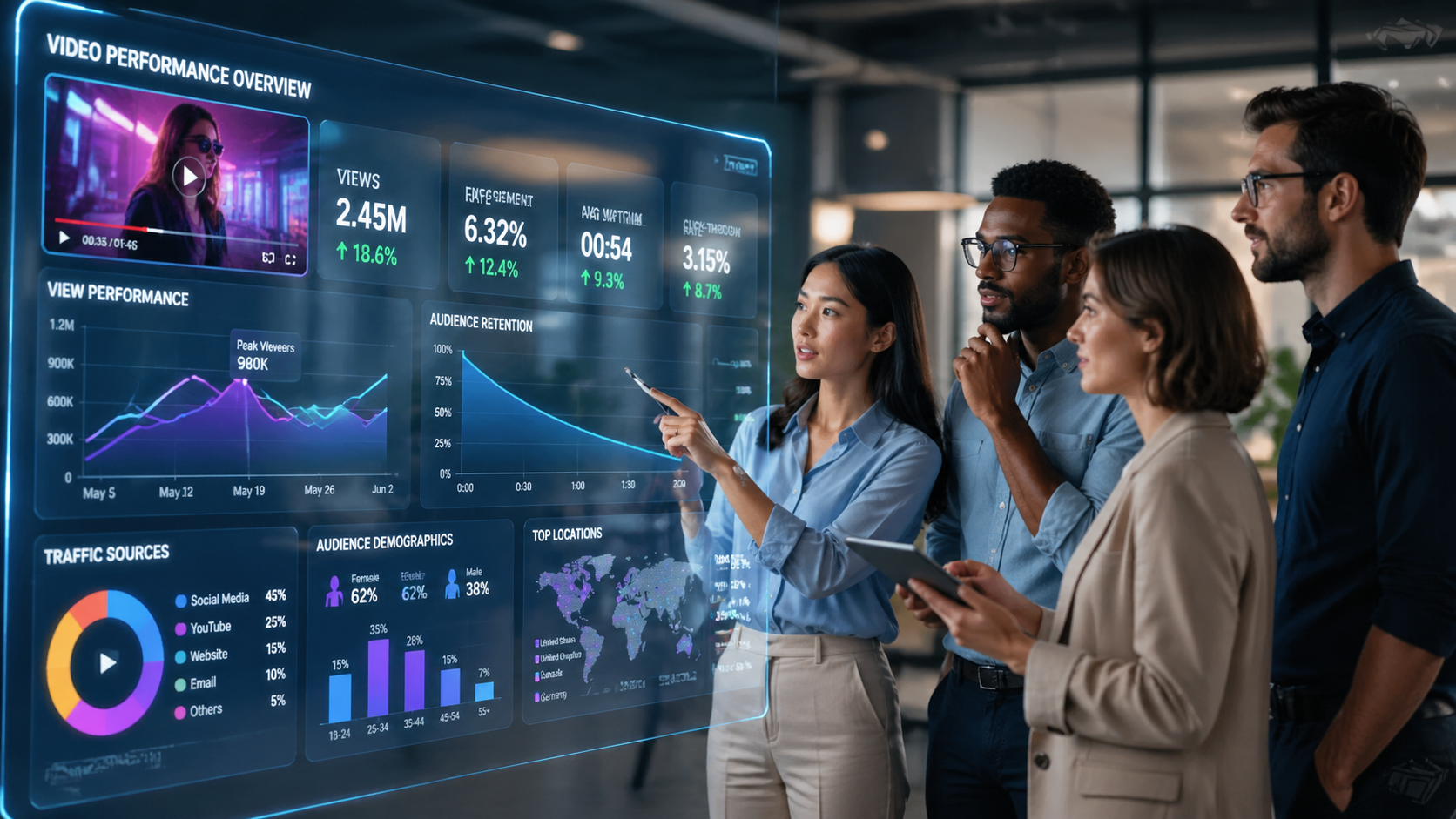
With so many options available, choosing the right tool depends on your budget and technical requirements. According to a recent TechRadar report, the market has bifurcated into "creative tools" for artistic expression and "business tools" for scalable communication. The following table compares the leading contenders based on the latest 2026 performance metrics.
| Platform | Primary Use Case | Key Feature (2026) | Pricing Tier |
|---|---|---|---|
| Sora Pro | Cinematic Ads | 360-degree Scene Consistency | Enterprise |
| HeyGen Business | Personalized Sales | Instant Lip-Sync Translation | Mid-Range |
| Runway Gen-4 | Creative Storytelling | Direct Physics Manipulation | Pro/Enterprise |
| Synthesia 3.0 | Corporate Training | Emotional Expression Control | Standard |
| Luma Dream Machine | Viral Social Content | High-Speed Render Mode | Freemium |
1. Sora Pro: The Gold Standard for Cinematic Quality
In 2026, Sora Pro remains the benchmark for high-fidelity video generation. Following the "So Long, Sora" headlines from PCMag earlier this year, OpenAI responded with a massive update that introduced "Long-Form Continuity," allowing marketers to create videos up to five minutes long with perfectly consistent characters and environments. This makes it the premier choice for high-end brand films and commercial advertisements.
The platform’s strength lies in its understanding of physical properties. If your marketing prompt involves liquids, reflections, or complex human interactions, Sora Pro handles these with a level of realism that competitors are still chasing. For marketing agencies, the ability to generate a 4K commercial in minutes rather than weeks is a competitive advantage that cannot be overstated.
Advanced Prompting in Sora Pro
The 2026 version of Sora Pro includes a "Director’s Mode," where users can specify camera lenses (e.g., 35mm anamorphic) and specific lighting setups (e.g., "golden hour in Tokyo"). This granular control ensures that the output aligns perfectly with a brand's established visual identity, making it one of the best ai video generators for marketing campaigns that require a premium look.
2. Runway Gen-4: Creative Control for Visual Storytellers
Runway has maintained its position as the favorite tool for creative directors. As noted by G2 Learning Hub, Runway Gen-4 introduced "Multi-Motion Brush" technology, which allows users to highlight multiple specific areas of a static image and dictate different types of movement for each. This level of precision is essential for product marketing where you might want the product to remain still while the background moves dynamically.
Runway’s ecosystem also includes "Gen-Translate," a feature that can take a finished video and restyle it into different aesthetics—from claymation to hyper-realistic noir—without changing the underlying movement. This is a game-changer for social media marketers who need to test multiple visual styles for the same campaign to see what resonates best with their audience.
3. HeyGen: The King of Personalized Marketing
If your goal is lead generation and personalized outreach, HeyGen is widely considered the industry leader in 2026. According to QUASA Connect, HeyGen’s ability to create "Viral Videos" stems from its hyper-realistic avatars. Marketers can now record a 30-second clip of themselves, and the AI will generate thousands of personalized versions, calling each prospect by their name and mentioning their specific company.
The 2026 update includes "Streaming Avatars," which can be integrated into landing pages to interact with visitors in real-time. This bridge between video generation and live interaction has redefined the conversion funnel, allowing brands to provide a human-like face to their automated chat systems.
Multilingual Expansion for Global Brands
HeyGen’s translation engine now supports over 120 languages with perfect lip-syncing and tonal matching. For global marketing teams, this means a single video shoot in New York can be deployed across Paris, Tokyo, and Sao Paulo in minutes, with the speaker appearing to be a native of each region. This efficiency is why it consistently ranks among the best ai video generators for marketing for international brands.
4. Synthesia 3.0: Scaling Corporate Communications
Synthesia continues to dominate the "talking head" space, particularly for corporate training and internal marketing. In 2026, Synthesia 3.0 introduced "Micro-Expressions," which allows users to tag specific words in a script to trigger a smile, a nod, or a look of concern from the AI avatar. This has solved the "robotic" feel that plagued earlier versions of the software.
The platform is also highly integrated with tools like Canva and HubSpot. This allows marketing teams to automate video creation based on blog posts or white papers. Studies show that video-based training and internal updates have a 40% higher retention rate than text-based emails, making Synthesia a vital tool for large-scale organizational communication.
5. Luma Dream Machine: The Speed Specialist
For fast-moving social media trends, Luma Dream Machine is the go-to tool. GameTyrant highlighted Luma as one of the "5 Best AI Video Generators" for its sheer rendering speed. In 2026, Luma can produce a high-quality 10-second clip in under 30 seconds, making it ideal for "newsjacking" or responding to viral trends in real-time.
Luma’s "Image-to-Video" capabilities are particularly robust, allowing marketers to take a static product photo and turn it into a dynamic 3D fly-through. This is a cost-effective way for e-commerce brands to create "pro-level" product videos without a studio setup.
6. Pika Art: The Stylization Powerhouse
Pika Art has carved out a niche in 2026 as the best tool for "stylized" marketing content. Whether you need an animated look, a 3D render style, or a specific artistic filter, Pika’s "Style Control" feature is unmatched. It is frequently used for "lo-fi" aesthetic ads and creative social media storytelling where photorealism isn't the primary goal.
The platform also features "Sound-to-Video" synchronization, where the AI analyzes a music track and generates video cuts and movements that match the beat and mood of the audio. This is an essential feature for creating high-energy promotional reels for events or product launches.
7. InVideo AI: The All-in-One Marketing Suite
InVideo AI has evolved into a comprehensive workflow tool. Unlike some models that just generate "clips," InVideo generates a full, edited video including stock footage, AI-generated scenes, voiceovers, and background music. For a solo marketer, this is perhaps the best ai video generators for marketing because it handles the entire production pipeline from a single prompt.
In 2026, InVideo’s "Brand Kit 2.0" automatically ensures that every generated video uses the correct fonts, colors, and logos, preventing the "generic AI look" that can sometimes occur with other tools. It’s the ultimate productivity booster for small business owners.
8. Kaiber: The AI Music Video Specialist
Kaiber has become the secret weapon for lifestyle and fashion brands. Its "Audioreactive" technology is the most advanced in the market, creating fluid, evolving visuals that respond to frequency and rhythm. This makes it perfect for background loops at events, high-concept social ads, and immersive brand experiences.
9. Tavus: The Programmatic Video Leader
Tavus focuses exclusively on the "Programmatic" side of video. While HeyGen is great for individual videos, Tavus is built for massive scale. It integrates directly into a company’s data stack to send millions of unique videos based on user behavior—such as a personalized "thank you" video after a specific purchase. This level of automation is why Breaking AC listed it in their "Top 15 AI Video Generators in 2026."
10. DeepBrain AI: Professional Virtual Humans
DeepBrain AI specializes in "Virtual Twins." In 2026, they have partnered with several major news outlets and financial institutions to provide AI-generated anchors and advisors. For marketing in the finance or healthcare sectors, where authority and trust are paramount, DeepBrain’s highly professional and "buttoned-up" avatars are the preferred choice.
Frequently Asked Questions About AI Video Generators
What is the best ai video generator for marketing on a budget?
Luma Dream Machine and InVideo AI offer the best "freemium" tiers in 2026. These platforms allow marketers to experiment with high-quality video generation without a significant upfront investment, making them ideal for small businesses and startups.
Is AI-generated video legal for commercial use?
Yes, most professional platforms like Sora Pro and Runway provide commercial usage licenses with their paid subscriptions. However, in 2026, it is standard practice to ensure your tool includes "Content Credentials" to prove the content was ethically sourced and generated.
Can AI video generators replace a real film crew?
While AI can replace a crew for social media ads, b-roll, and personalized messages, high-stakes brand storytelling often still requires human directors to oversee the creative vision. AI is currently a "force multiplier" rather than a total replacement for high-end production.
How long does it take to generate an AI video?
In 2026, generation times have decreased significantly. A 10-second high-definition clip typically takes between 30 seconds and 3 minutes, depending on the complexity of the prompt and the platform's server load.
Do I need a powerful computer to run these tools?
No, almost all of the best ai video generators for marketing in 2026 are cloud-based. All the heavy processing is done on the provider's servers, meaning you only need a standard web browser and a stable internet connection.
According to a 2026 study by the G2 Learning Hub, companies using AI video in their marketing funnels saw a 65% increase in click-through rates compared to those using static images. As the technology continues to evolve, the barrier to entry for high-quality video production will continue to fall, making these tools an essential part of any modern marketing tech stack.
Comments ()