
Best AI Video Generator for Documentary Filmmakers in 2026
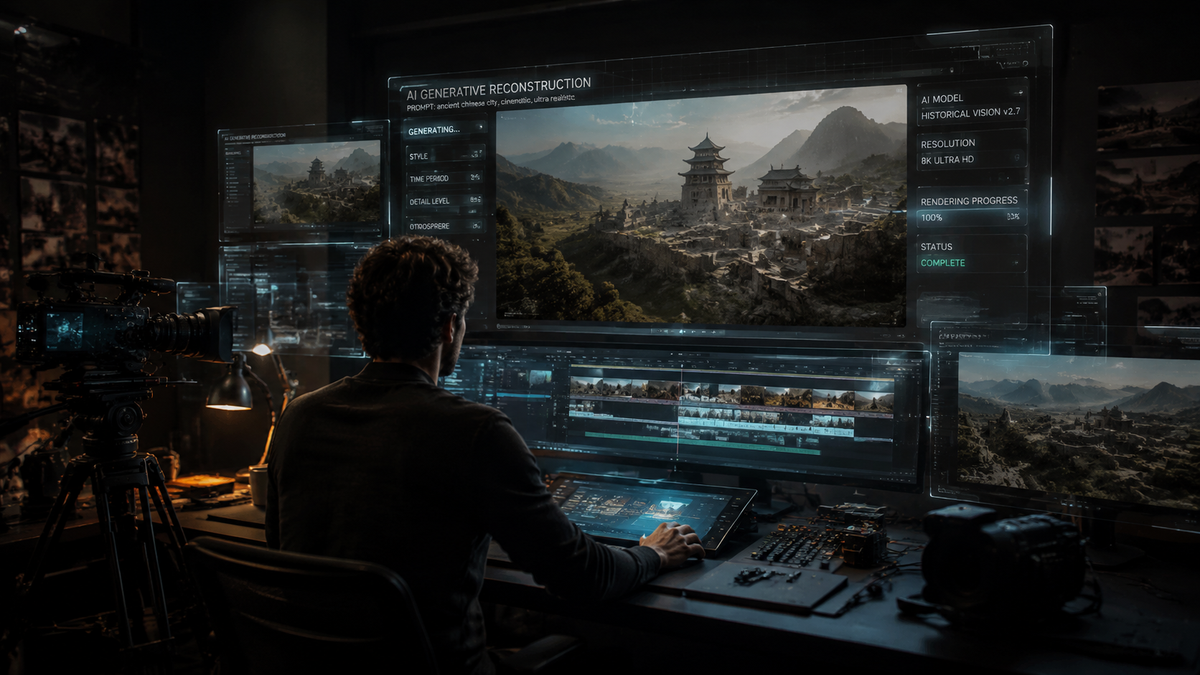
The best ai video generator for documentary filmmakers in 2026 is a platform that prioritizes historical accuracy, ethical sourcing, and high-fidelity visual consistency. As of this year, the industry has shifted toward "all-in-one" systems like the Marey Video System and integrated creative suites that allow directors to maintain a distinct cinematic voice while drastically reducing post-production timelines. Documentary professionals are increasingly using these tools to recreate archival gaps and visualize complex concepts that were previously impossible to film.
An AI video generator for documentary filmmakers is a specialized generative tool designed to produce photorealistic or stylized footage based on text or image prompts, specifically optimized for factual storytelling. These systems focus on "commercially safe" outputs and high-resolution consistency to ensure that generated b-roll or reenactments meet the rigorous broadcast standards of 2026.
- ✓ Prioritize "commercially safe" models like Moonvalley’s Marey to ensure copyright compliance in distribution.
- ✓ Use AI-driven "all-in-one" platforms to streamline the transition from raw interview footage to polished cinematic b-roll.
- ✓ Maintain ethical transparency by disclosing AI-generated reenactments, as highlighted by recent New York Times reports on documentary integrity.
- ✓ Leverage rapid-iteration tools to produce high-quality visual assets "fast," a key gamechanger noted by industry experts at The Guardian.
The Evolution of the AI Video Generator for Documentary Filmmakers
In 2026, the documentary landscape has reached a critical turning point. No longer are filmmakers limited by the constraints of archival "black holes" or the massive costs of period-accurate reenactments. The modern ai video generator for documentary filmmakers has evolved from a novelty into a sophisticated toolset that respects the nuances of the "documentary look"—grain, handheld motion, and naturalistic lighting. According to The Guardian, these new AI tools have become a legitimate gamechanger, allowing creators to make "really good stuff—fast," effectively democratizing high-end production values for independent creators.
However, this technological leap comes with significant responsibility. As The New York Times recently questioned in their feature "Can You Believe the Documentary You’re Watching?", the line between reality and synthesis is thinner than ever. For documentary filmmakers, the best AI video generator is one that offers "provenance tracking" and "ethical metadata," ensuring that viewers can distinguish between captured reality and generated visualization. The focus in 2026 is not just on the quality of the pixels, but on the integrity of the process.
How to Integrate AI Video Generators into Your Documentary Workflow
- Concept Mapping: Identify gaps in your narrative where footage is unavailable, such as historical events or internal psychological states.
- Prompt Engineering for Realism: Use specific cinematic descriptors (e.g., "16mm Kodak stock," "natural morning light," "handheld 35mm lens") to match the aesthetic of your shot footage.
- Consistency Tuning: Utilize "Character Fix" or "Environment Lock" features to ensure that recurring subjects in your generated footage look identical across different scenes.
- Ethical Labeling: Apply digital watermarks or on-screen disclosures for any AI-generated sequences to maintain trust with your audience.
- Final Upscaling: Run your generated clips through a 4K or 8K neural upscaler to meet the delivery requirements of major streaming platforms.
Top AI Video Platforms for Documentarians in 2026
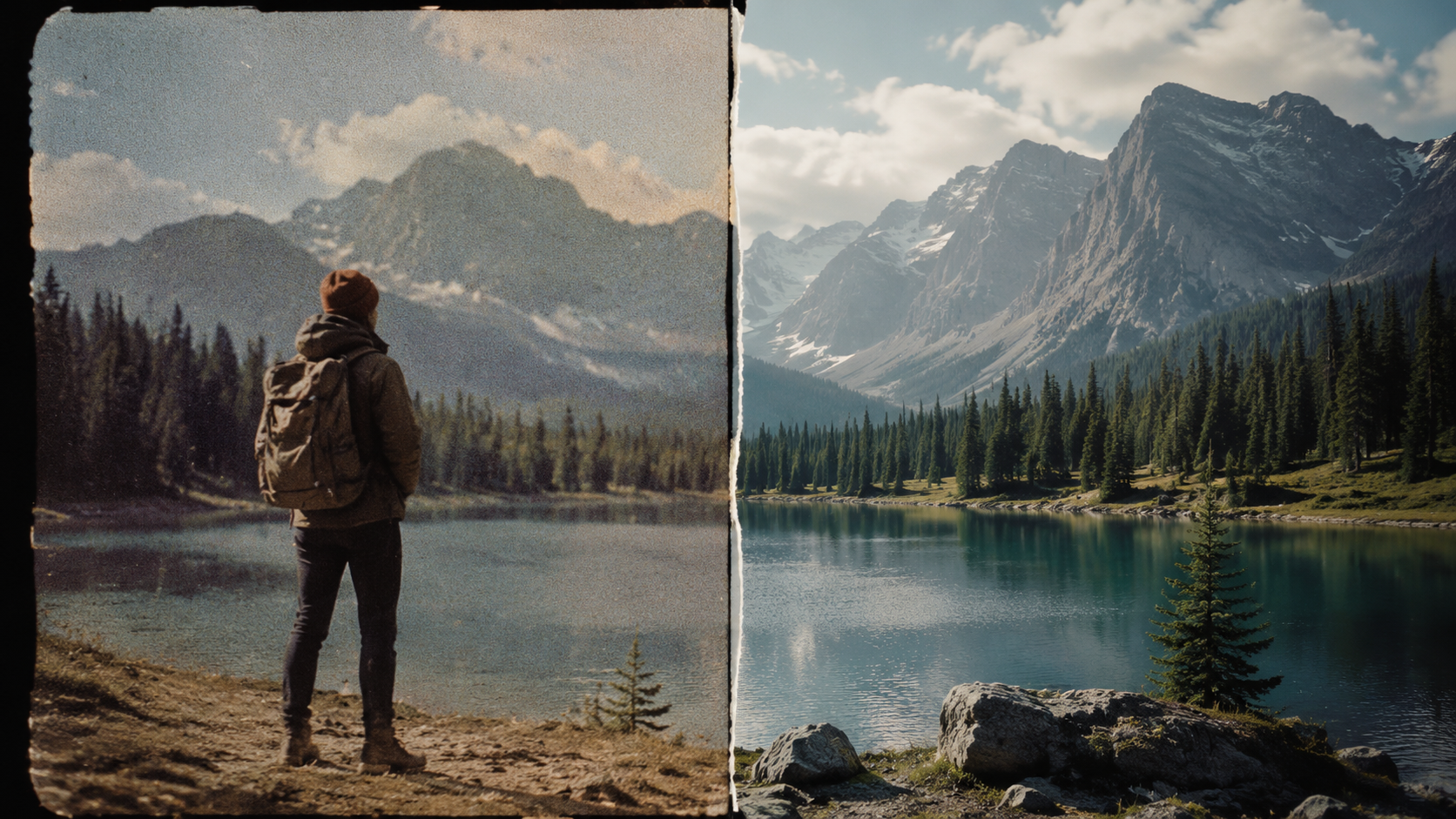
The market in 2026 is dominated by platforms that emphasize "commercially safe" content. This is a direct response to the legal battles of previous years regarding training data. One of the standout performers is the Marey Video System, released to the general public by Moonvalley. As reported by Deadline, this system is specifically marketed as a safe harbor for professional filmmakers, ensuring that every frame generated is cleared for commercial distribution without the risk of copyright infringement.
Furthermore, the rise of "all-in-one" platforms has changed the way professionals work. No Film School recently highlighted how these integrated systems allow a single filmmaker to handle tasks that previously required an entire VFX department. These platforms combine script analysis, voice synthesis, and video generation into a unified timeline, making the ai video generator for documentary filmmakers a central hub for the entire creative process rather than a peripheral tool.
| Platform / System | Key Strength for Documentaries | Commercial Safety | Output Resolution |
|---|---|---|---|
| Marey Video System (Moonvalley) | Photorealistic historical reenactments | Fully Certified / Safe | Up to 8K |
| "All-in-One" Pro Suites | Workflow integration & speed | Variable (License dependent) | 4K Standard |
| Cinematic Diffusion V5 | Grain and texture matching | Open Source / User Risk | Variable |
| Archival-AI Reconstructor | Restoring damaged 20th-century film | Fair Use Optimized | Original Source Match |
Ethical Considerations and the "Empty" AI Aesthetic
While the speed of production has increased, some critics warn of a "hollow" feeling in AI-driven cinema. A notable WIRED review titled "I Saw the Future of AI Film and It Was Empty" argued that without a strong directorial hand, AI-generated content can lack the soul and intentionality that defines great documentary work. For filmmakers, this means the ai video generator for documentary filmmakers should be used as a brush, not a substitute for the artist. The goal is to enhance the human story, not replace the human eye.
Valerie Veatch, a prominent voice in the industry, has been asking "The Big AI Questions" in recent 2026 interviews with FilmInk. She suggests that the most successful documentarians will be those who use AI to explore "subjective truths"—visualizing memories, dreams, or abstract concepts that traditional cameras cannot capture. This approach moves the conversation away from "faking reality" and toward "expanding the visual language of truth."
Maintaining Authenticity in the Age of Synthesis
To combat the "empty" aesthetic, filmmakers are adopting a hybrid approach. This involves filming as much "boots-on-the-ground" footage as possible and using AI strictly for the impossible shots. For example, if a documentary is about a historical figure from the 1800s, the AI can generate the atmosphere of a 19th-century street, while the modern-day interviews provide the emotional grounding. This balance ensures that the ai video generator for documentary filmmakers serves the narrative rather than distracting from it.
Advanced Features: What to Look for in 2026
When selecting your toolkit this year, focus on features that cater to the long-form nature of documentaries. Unlike short-form social media content, documentaries require long-term visual consistency. The best tools now offer "Seed Persistence," which allows you to save the specific "DNA" of a generated environment. This means if you generate a 1920s jazz club in Chapter 1, you can return to that exact same digital space in Chapter 10 with identical lighting and spatial geometry.
Another critical feature is "Multi-Modal Input." This allows you to upload a photo of a real location and ask the AI to "film" it from a different angle or in a different era. For a documentarian, this is invaluable for "animating" still photos from archives. According to No Film School, this capability is a cornerstone of becoming a "Pro in AI Filmmaking" in 2026, as it bridges the gap between static history and dynamic cinema.
Key Technical Requirements for Professional Output
- Temporal Consistency: Ensure the AI doesn't "jitter" or change details between frames, a common issue in early generative models.
- Dynamic Range: The ability to output in HDR10 or Dolby Vision to match the high-end cameras like the Arri Alexa or Sony Venice.
- Local Processing Options: For sensitive investigative documentaries, the ability to run AI models locally ensures that raw data never touches the cloud.
The Future of Truth: Navigating 2026 and Beyond
As we look toward the latter half of the decade, the ai video generator for documentary filmmakers will likely become invisible. It will be integrated into standard NLEs (Non-Linear Editors) like Premiere Pro and DaVinci Resolve as just another tool in the effects panel. The "magic" will wear off, leaving behind a powerful utility for visual storytelling. The filmmakers who thrive will be those who master the prompt as well as they master the lens.
Studies show that by 2026, nearly 40% of all documentary b-roll in mid-budget productions involves some form of AI enhancement or generation. This shift has allowed for a surge in historical and scientific documentaries that were previously deemed "unfilmable." As long as the industry adheres to the transparency standards being debated in The New York Times and FilmInk, the future of factual film looks more vibrant—and more accessible—than ever before.
Frequently Asked Questions
Is AI-generated footage legal for commercial documentaries?
Yes, provided you use "commercially safe" platforms like the Marey Video System by Moonvalley. These platforms are trained on licensed or public domain data, ensuring that filmmakers hold the rights to the output for distribution on platforms like Netflix or HBO.
How do I ensure my AI footage doesn't look "fake"?
To avoid a synthetic look, use advanced prompting that specifies camera artifacts, natural lighting, and "imperfect" movement. Additionally, blending AI footage with real-world textures and grain in post-production helps ground the visuals in reality.
Do I have to disclose that I used an AI video generator?
In 2026, industry ethics and emerging regulations from major festivals often require a disclosure in the credits. Transparency is key to maintaining journalistic integrity, especially in the documentary genre.
Can AI replicate specific historical film stocks?
Yes, modern AI generators can accurately simulate the chemical properties, grain structures, and color science of specific stocks like Kodachrome, Ektachrome, or 16mm black-and-white film, making them perfect for historical recreations.
What is the cost of professional AI video tools in 2026?
While basic tools are available for a monthly subscription (approx. $30-$99), professional "all-in-one" platforms with commercial safety certifications typically range from $200 to $500 per month for enterprise-level features and high-resolution rendering.



Comments ()