
AI Video Marketing Trends 2026: The Future of Content
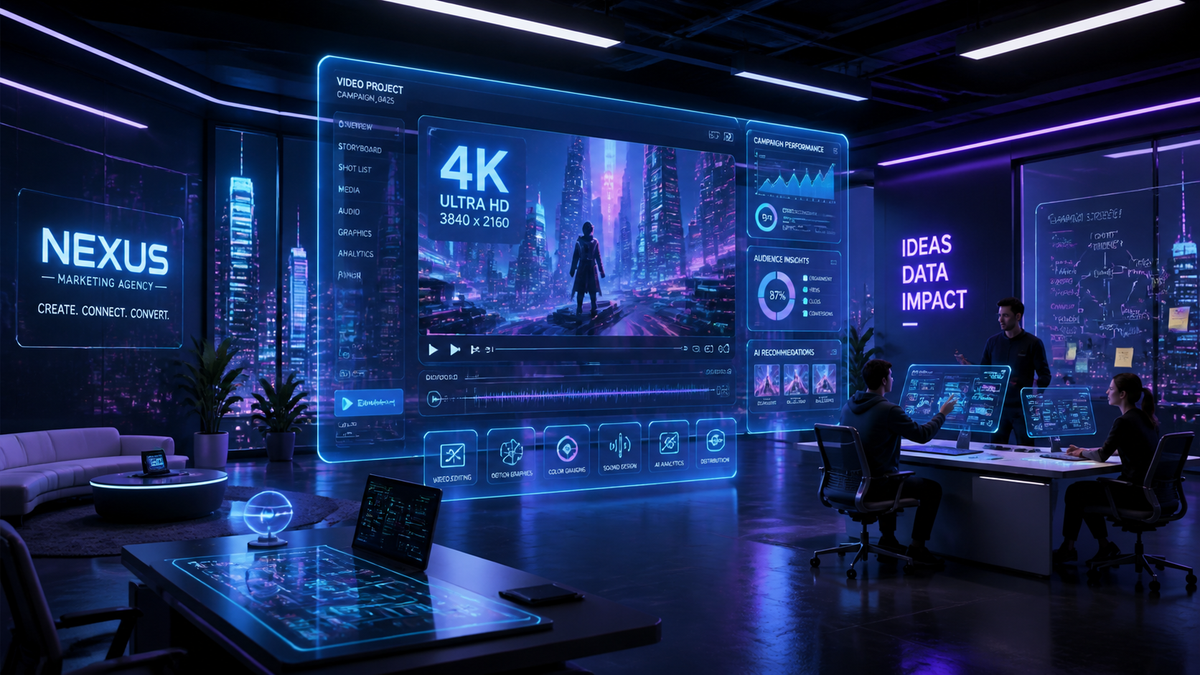
The landscape of digital engagement has undergone a radical transformation as ai video marketing trends 2026 redefine how brands connect with global audiences. In 2026, video marketing is no longer just about high production values, but about leveraging generative AI for hyper-personalization, real-time data integration, and automated creator shifts that allow for unprecedented scale. As the shopper journey breaks apart into fragmented micro-moments, AI-driven video content serves as the glue that maintains brand consistency across diverse media integrations.
AI video marketing in 2026 is a data-centric strategy that utilizes generative intelligence to automate content creation, personalize viewer experiences in real-time, and optimize distribution across fragmented social channels. It is characterized by the integration of sophisticated AI limits that balance automation with human-centric creator shifts to ensure brand authenticity.
- ✓ AI-driven personalization is now the standard, with 93% of marketers reporting improved ROI through automated video customization.
- ✓ The "shopper journey" has decentralized, requiring AI video to be embedded directly into commerce platforms and social feeds.
- ✓ Data privacy and high-quality first-party data have become the primary drivers of successful AI video campaigns following CES 2026 insights.
- ✓ Creator-led content is shifting toward a hybrid model where human influencers use AI digital twins for 24/7 engagement.
How to Implement AI Video Marketing Trends 2026
Navigating the complexities of the current digital landscape requires a structured approach to technology adoption. According to recent industry best practices, brands must move beyond experimental AI use and into a phase of "mature integration" where data takes center stage. This ensures that every video generated is not only visually appealing but also strategically aligned with the consumer's current stage in the broken shopper journey.
- Audit Your First-Party Data: Before deploying generative AI, ensure your customer data is clean and accessible, as Kantar notes that data is now the central pillar of AI maturity.
- Select a Generative Video Platform: Choose a tool that supports dynamic media integration, allowing for the automatic swapping of products and backgrounds based on viewer demographics.
- Define AI Limits and Ethics: Establish clear boundaries for AI usage to maintain brand voice and comply with new 2026 transparency regulations regarding synthetic media.
- Deploy Hybrid Creator Campaigns: Partner with creators who utilize AI tools to scale their output while maintaining the authentic human connection that 2026 audiences crave.
- Monitor Real-Time Performance: Use AI analytics to track engagement across fragmented channels, adjusting video elements instantly based on viewer behavior.
The Evolution of AI Video Marketing Trends 2026
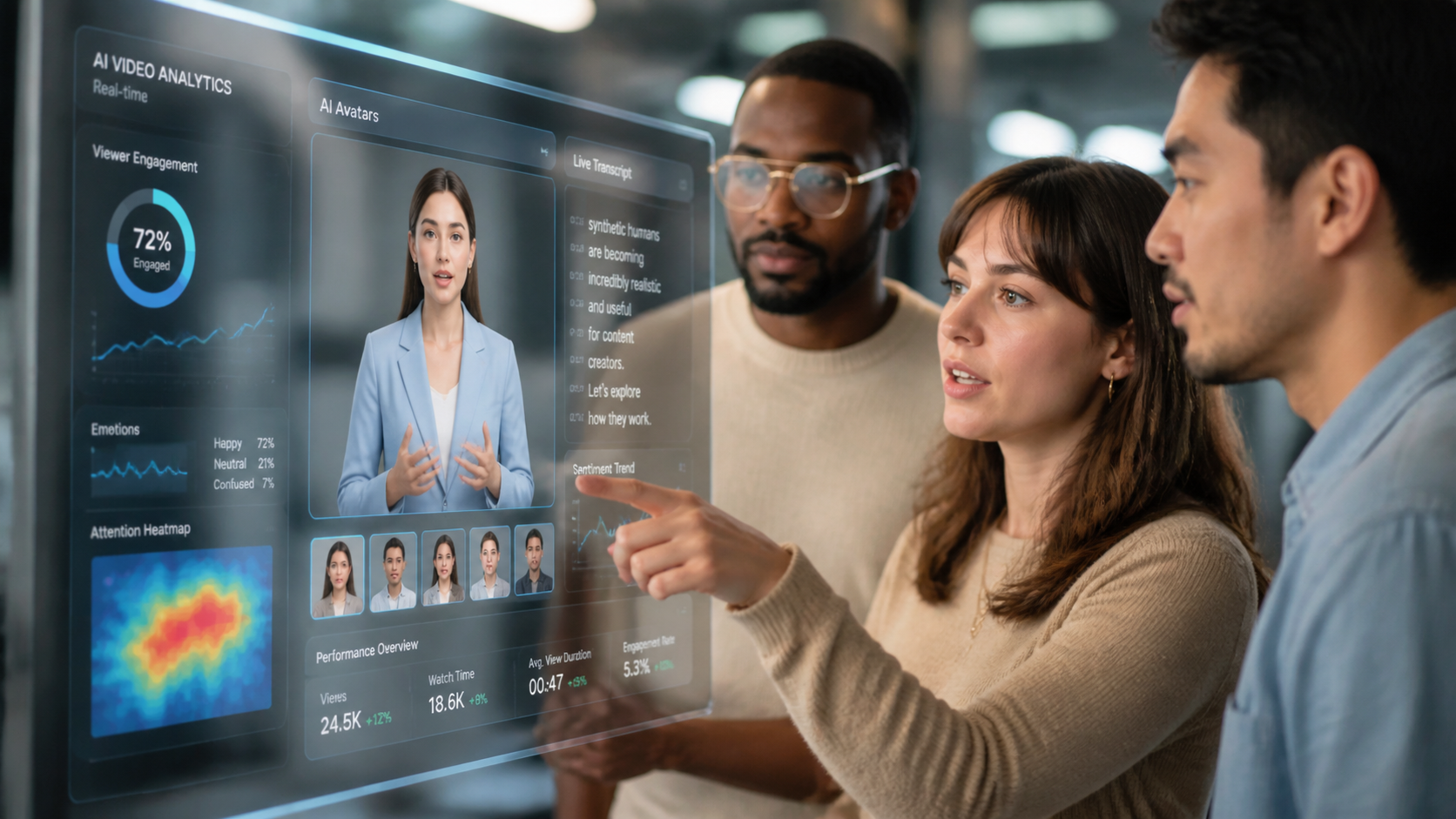
As we move through the first half of 2026, the primary shift identified by Ad Age reporters involves the "major marketing pivots" away from broad-spectrum broadcasting toward individualized narrowcasting. This evolution is driven by the fact that AI has "grown up," moving from a novelty tool to a sophisticated engine that manages the entire content lifecycle. This maturation was a key theme at CES 2026, where industry leaders highlighted that the focus has shifted from what AI can do to how AI serves the human experience.
According to DemandSage, there are now 93 critical video marketing statistics for 2026 that point toward a "video-first" internet. One of the most telling figures is the massive growth in short-form video consumption, which now accounts for over 80% of mobile data traffic. In this environment, ai video marketing trends 2026 are focused on "snackable" content that can be generated in seconds to respond to trending topics or real-time user queries. The ability to produce high-quality video at the speed of social media is no longer a luxury but a baseline requirement for brand survival.
The Rise of Data-Centric Video Personalization
In 2026, the "one-size-fits-all" video is a relic of the past. Data-centricity means that a single video campaign might have ten thousand variations, each tailored to the specific viewer's location, past purchase history, and even current local weather. Kantar’s 2026 research emphasizes that as the shopper journey breaks apart, video must act as a personalized concierge, guiding the user from discovery to checkout within a single interactive interface.
Media Integration and the Unified Content Stream
Media integration has become a major pivot point this year. Brands are no longer looking at "social media" and "traditional media" as separate silos. Instead, AI-driven video allows for a unified content stream where a 3D asset created for a virtual reality ad can be instantly down-converted into a high-definition social post or an interactive email header. This fluidity ensures that the brand message remains cohesive even as it moves across various platforms and devices.
Comparing AI Video Strategies: 2024 vs. 2026
To understand the current state of the market, it is helpful to look at how far technology has progressed. The following table illustrates the shift from early-stage AI experimentation to the full-scale integration we see in 2026.
| Production Speed
| Feature | 2024 Standards | 2026 AI Standards |
|---|---|---|
| Content Generation | Template-based, limited AI assets | Full generative synthesis from text/data |
| Personalization | Basic name tags and geolocation | Hyper-personalized visual environments |
| Creator Role | Manual filming and editing | Hybrid "Digital Twin" and AI-augmented workflows |
| Data Usage | Third-party cookies (limited) | First-party data and real-time intent signals |
| Days or weeks for high quality | Real-time or near-instant generation |
Key Drivers of AI Video Marketing Trends 2026
The current year has seen a significant shift in how online advertising functions. JumpFly, Inc. identified five key trends in early 2026 that have reshaped the advertising landscape. Chief among these is the integration of AI within the bidding and creative process simultaneously. In previous years, the creative was static while the bidding was dynamic; now, the video creative itself changes dynamically to match the bid and the audience segment in real-time.
Furthermore, the social marketing landscape has been revolutionized by "creator shifts." Experts interviewed by Marketing Brew suggest that the top social marketing trends of 2026 revolve around the "democratization of high-end production." Small businesses now have access to the same visual fidelity as global corporations thanks to AI-driven rendering engines. This has leveled the playing field, making the quality of the data and the creative prompt more important than the size of the production budget.
The Impact of Industry Size and Best Practices
The application of AI video varies significantly by industry. According to Bayelsa Watch, larger industries like e-commerce and entertainment are leading the charge in AI adoption, while healthcare and finance are catching up by focusing on "AI limits" to ensure regulatory compliance. Best practices in 2026 dictate that video content must be accessible, which has led to the universal adoption of AI-generated real-time translations and multi-language dubbing that looks and sounds natural.
Addressing the Fragmented Shopper Journey
With the shopper journey breaking apart, as noted by Kantar, video marketing must be omnipresent. This means ai video marketing trends 2026 include the rise of "shoppable video" that exists outside of traditional storefronts. Whether it is a video ad on a smart refrigerator or an augmented reality overlay in a physical store, AI ensures the video content is contextually relevant to the physical and digital environment of the consumer.
Future-Proofing Your Video Content Strategy
To stay ahead of the ai video marketing trends 2026, organizations must invest in talent that understands both the creative and technical aspects of AI. The "creator shift" mentioned by Ad Age reporters highlights a move toward "AI Prompt Engineers" and "Synthetic Media Directors" who oversee the AI's output. These roles are critical because, while AI can generate the content, human oversight is required to ensure the emotional resonance and ethical alignment of the brand message.
Moreover, the integration of AI into social platforms has made engagement more interactive. We are seeing the rise of "conversational video," where viewers can ask a video a question and receive a generated response from the spokesperson in real-time. This level of interaction is fueled by the same large language models that matured in 2025, now fully integrated into video rendering pipelines. Keeping your strategy flexible enough to incorporate these interactive elements will be the hallmark of successful brands in the latter half of the decade.
Ethical Considerations and AI Limits
As AI grows up, so does the need for boundaries. The industry is currently grappling with "AI limits"—a term used to describe the self-imposed or regulated restrictions on how realistic synthetic media can be. This is particularly important in 2026 to prevent the spread of misinformation and to maintain consumer trust. Brands that are transparent about their use of AI video tend to see higher engagement rates than those that attempt to pass off synthetic content as purely human-made.
The Role of First-Party Data
With data taking center stage at CES 2026, the reliance on first-party data has never been higher. AI video tools are only as effective as the data they are fed. Successful marketers are using video to not only sell products but to collect data. Interactive video polls, choice-based narratives, and engagement heatmaps are all being used to feed the AI engine, creating a virtuous cycle of data collection and improved content generation.
What are the dominant ai video marketing trends 2026?
The dominant trends include hyper-personalization using first-party data, the use of AI digital twins for creators, and the integration of shoppable, interactive elements directly into generative video content. These trends focus on addressing a fragmented shopper journey through real-time content synthesis.
How has the shopper journey changed in 2026?
As reported by Kantar at CES 2026, the shopper journey has "broken apart," meaning consumers no longer follow a linear path to purchase. AI video marketing addresses this by providing consistent, personalized touchpoints across various platforms, from social media to smart devices, ensuring the brand remains visible at every micro-moment.
Is human creativity still important in 2026 video marketing?
Yes, human creativity is more vital than ever, though its role has shifted. Ad Age reporters note a "creator shift" where humans act as directors and strategists who set the "AI limits" and prompts, ensuring that the AI-generated output aligns with human emotions and brand values.
What role does data play in 2026 AI video?
Data is the central pillar of video marketing in 2026. High-quality first-party data allows AI engines to generate content that is contextually relevant to the individual viewer, significantly increasing engagement and conversion rates compared to traditional, non-data-driven video.
Are there new regulations for AI video in 2026?
While specific laws vary by region, 2026 has seen a major industry push toward "AI limits" and transparency. Best practices now involve clearly labeling synthetic or AI-augmented media to maintain consumer trust and comply with emerging digital content standards.
Comments ()