
Video Marketing AI Trends 2026: The Future of Digital Strategy
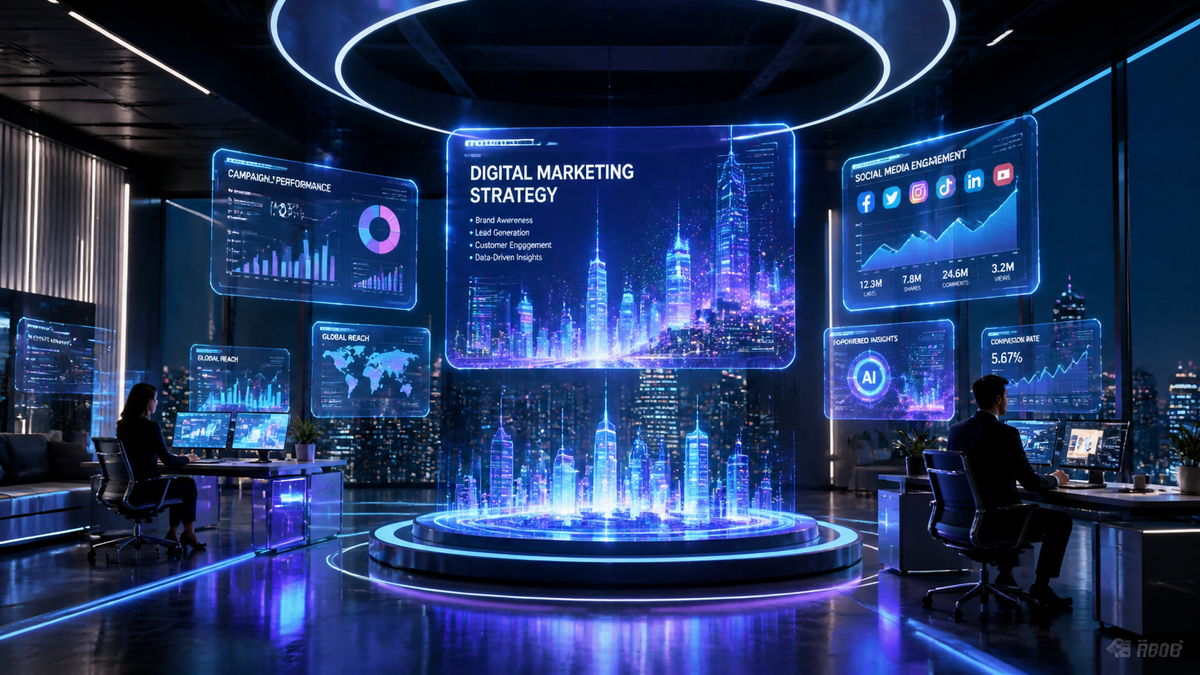
The landscape of video marketing ai trends 2026 is defined by the shift from generic generative content to hyper-personalized, real-time media integration that prioritizes creator authenticity. As we move deeper into 2026, the focus has moved beyond simple automation toward sophisticated AI limits that balance algorithmic efficiency with human-centric storytelling. Modern digital strategies now leverage AI to create seamless, interactive video experiences that adapt to individual viewer behaviors across mobile and social platforms.
Video marketing AI trends in 2026 involve the integration of generative video models with real-time data to produce hyper-personalized content at scale. This evolution focuses on "media integration," where AI-driven video assets are dynamically updated based on user intent, shifting away from static video production toward fluid, interactive storytelling that prioritizes high-conversion creator partnerships and mobile-first optimization.
- ✓ AI-driven hyper-personalization is now the standard for high-converting video campaigns.
- ✓ Real-time media integration allows videos to update dynamically based on live user data.
- ✓ Creator-led content remains dominant, with AI acting as an enhancement tool rather than a replacement.
- ✓ Mobile-first video remains the primary driver of engagement, optimized via AI for vertical viewing.
- ✓ Brands are increasingly setting "AI limits" to maintain brand safety and human authenticity.
To implement these video marketing ai trends 2026 into your current strategy, follow these essential steps:
- Audit Current Video Assets: Identify which content segments can be automated or enhanced using generative AI tools.
- Integrate Real-Time Data Streams: Connect your video delivery platform to your CRM to enable dynamic content insertion.
- Establish AI Ethics Guidelines: Define your brand's AI limits to ensure content remains transparent and authentic to your audience.
- Optimize for Vertical Mobile Feed: Use AI tools to automatically reframe and caption videos for platforms like TikTok and YouTube Shorts.
- Deploy Interactive Elements: Incorporate AI-driven shoppable links and branching narratives to increase viewer retention.
The Evolution of Generative Content and AI Limits
In 2026, the novelty of "AI-generated video" has worn off, replaced by a sophisticated understanding of AI limits. According to reports from Ad Age, marketers are now pivoting toward a more balanced approach where AI handles the heavy lifting of versioning and localization, while human creators maintain control over the core emotional narrative. This trend reflects a growing consumer demand for "radical transparency," where audiences want to know exactly how much of the content they are consuming was generated by an algorithm.
The "AI limits" trend is not about doing less with technology, but about doing it more intentionally. Brands that saw diminishing returns from fully automated video channels in 2025 have shifted toward "Human-in-the-loop" (HITL) workflows. This ensures that while the video marketing ai trends 2026 allow for thousands of personalized iterations of a single ad, the "soul" of the brand remains intact. This shift is critical for maintaining trust in an era where synthetic media is ubiquitous.
Balancing Automation with Human Creativity
The key to success in 2026 lies in media integration. This involves using AI to analyze which visual elements resonate most with specific demographics and then using those insights to brief human creators. Rather than replacing the creator, AI is being used as a sophisticated mood-boarding and pre-visualization tool. This collaborative approach has led to a significant increase in production efficiency without sacrificing the "creator shift" that emphasizes personal connection and community trust.
Data-Driven Personalization: Video Marketing AI Trends 2026
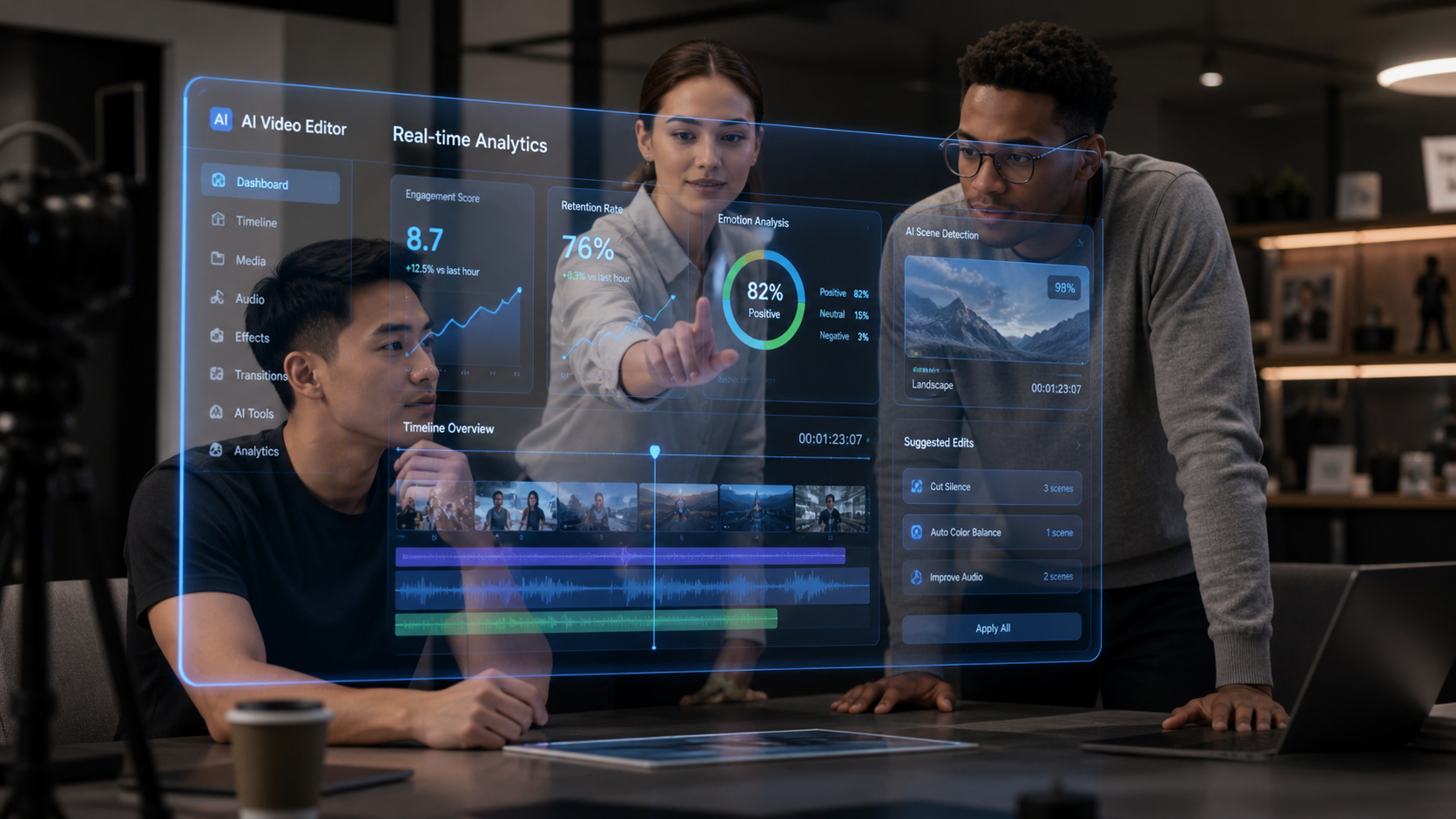
Hyper-personalization is no longer just about putting a customer's name in a video. In 2026, AI-driven video marketing involves dynamic creative optimization (DCO) that changes the actual background, product features, and call-to-action based on the viewer's location, weather, and past purchasing behavior. According to DemandSage, over 90% of video marketing statistics in 2026 indicate that personalized video content has a 4x higher conversion rate than generic video ads.
This level of personalization is made possible by advanced media integration, where video assets are broken down into modular components. An AI engine then assembles these components in real-time as the video loads for the user. For instance, a travel brand might show a beach scene to a user in a cold climate while showing a luxury spa interior to a user who has recently searched for wellness retreats. This video marketing ai trend 2026 represents the pinnacle of relevance in digital advertising.
Real-Time Dynamic Video Assembly
The technology behind real-time assembly has matured significantly. In early 2026, JumpFly, Inc. identified that the most successful online advertising campaigns utilized "Contextual AI," which adjusts video lighting and tone to match the platform the user is browsing. This creates a less disruptive experience, making the video feel like a native part of the user's feed rather than a jarring advertisement.
| Feature | Traditional Video (Pre-2026) | AI-Driven Video (2026) |
|---|---|---|
| Content Delivery | One-size-fits-all static files | Real-time dynamic assembly |
| Localization | Manual dubbing and subtitling | AI lip-sync and instant translation |
| Interactivity | Limited to clickable end-cards | AI-driven branching and shoppable UI |
| Production Speed | Weeks or months | Minutes to hours (post-template) |
Mobile-First AI Video and Social Integration
Mobile devices continue to be the primary screen for video consumption. Taboola's 2026 mobile marketing trends highlight that "scroll-stopping" AI effects are essential for capturing attention in under 1.5 seconds. AI is now used to automatically reformat 16:9 cinematic footage into 9:16 vertical formats, using "smart cropping" that keeps the most important action or face centered at all times. This ensures that high-quality brand assets are optimized for TikTok, Reels, and YouTube Shorts without manual re-editing.
Furthermore, social media platforms have integrated AI tools directly into their ad managers, allowing brands to test hundreds of variations of a single video ad simultaneously. This "multivariate video testing" uses AI to determine which opening hook, background music, or color grade performs best with specific segments of the audience. By the time a human marketer reviews the campaign, the AI has already optimized the budget toward the highest-performing video permutations.
The Creator Shift and AI Collaboration
Social Media Today reports that one of the top 7 digital marketing trends for 2026 is the "Creator-AI Synergy." Rather than influencers feeling threatened by AI, they are using it to scale their output. Creators are now licensing their "digital twins"—AI-generated avatars of themselves—to brands for use in personalized video messages. This allows a creator to "speak" directly to thousands of individual fans by name, creating a level of intimacy and engagement that was previously impossible to achieve at scale.
Interactive and Shoppable AI Video Experiences
The video marketing ai trends 2026 have pushed shoppable video from a niche feature to a core requirement for e-commerce brands. Modern AI can now identify every object within a video frame in real-time, allowing viewers to click on a piece of clothing or a furniture item to see pricing and availability instantly. This reduces the friction between inspiration and purchase, turning every video into a virtual storefront.
Interactive storytelling has also seen a resurgence. Using AI-driven branching narratives, brands can create "choose your own adventure" style videos where the storyline changes based on the viewer's choices or even their facial expressions (with consent). This deep level of engagement not only keeps viewers watching longer but also provides brands with invaluable data on consumer preferences and decision-making processes.
AI-Powered Search and Video SEO
As search engines become more visual, optimizing video for AI-driven search (GEO) is paramount. Google Business Profile updates for 2026 suggest that AI now "watches" videos to index their content more accurately than ever before. This means that the actual dialogue, visual cues, and on-screen text are more important for SEO than the meta-description. Using AI to generate accurate, keyword-rich transcripts and closed captions is now a mandatory step in any video marketing workflow.
Future Outlook: Beyond 2026
Looking toward the end of the decade, the integration of AI in video marketing will likely move toward full immersion. We are already seeing the beginnings of "Spatial Video" marketing, designed for AR and VR headsets, where AI generates 3D video environments on the fly. According to DemandSage, the 93 video marketing statistics for 2026 suggest a massive shift toward "experiential video," where the boundary between the viewer and the content becomes increasingly blurred.
For brands, the message is clear: the future of digital strategy is not just about adopting AI, but about mastering the integration of AI with human creativity and real-time data. Those who can navigate the complexities of AI limits while leveraging the power of personalization will dominate the visual landscape of 2026 and beyond.
What are the top video marketing AI trends for 2026?
The primary trends include real-time media integration, hyper-personalized video assembly, and the use of AI to scale creator-led content. Brands are also focusing on "AI limits" to ensure authenticity and maintain human connection in their messaging.
How is AI changing video personalization in 2026?
AI now allows for dynamic creative optimization, where video elements like backgrounds, products, and dialogue change in real-time based on the viewer's personal data and context. This has led to significantly higher conversion rates compared to static video content.
Why are "AI limits" important for brands in 2026?
As synthetic media becomes common, consumers are demanding transparency. Setting AI limits helps brands maintain trust by ensuring that AI is used as a tool for enhancement rather than a total replacement for human storytelling and brand values.
How does AI improve mobile video marketing?
AI tools in 2026 use smart-cropping and auto-reframing to optimize cinematic content for vertical mobile feeds. They also enable multivariate testing at scale, automatically identifying the most engaging hooks and visual styles for different mobile audiences.
What is shoppable AI video?
Shoppable AI video uses computer vision to identify products within a video, allowing viewers to click and purchase items directly through the video player. This trend has transformed video content into a seamless, high-conversion e-commerce tool.
Comments ()