
Vibe Editing for Long Form Video: 2026 Creative Guide
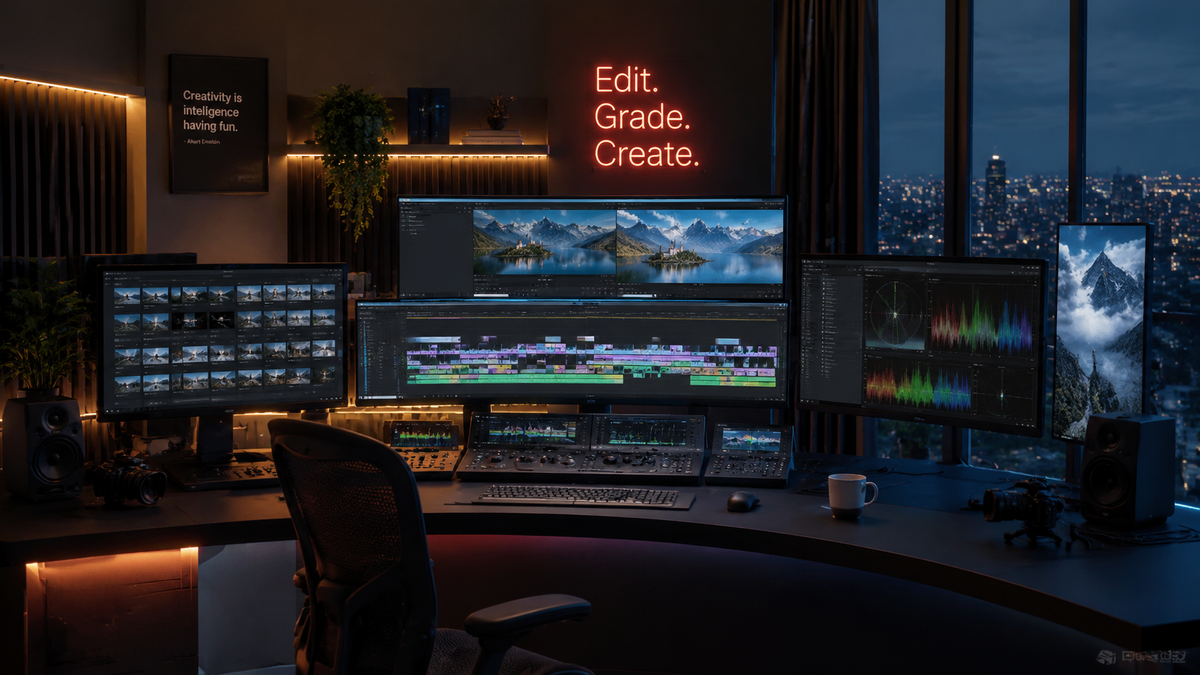
Vibe editing for long form video is a creative post-production technique that prioritizes emotional resonance, atmospheric continuity, and rhythmic pacing over traditional linear storytelling. In 2026, this approach has evolved from a niche social media aesthetic into a primary framework for professional long-form content, allowing creators to maintain viewer engagement across extended runtimes by leveraging agentic AI tools and sensory-driven editing patterns. By focusing on the "vibe"—a combination of color grading, soundscapes, and non-linear transitions—editors can create immersive experiences that resonate deeply with modern audiences who prioritize authenticity and mood.
Vibe editing for long form video is the practice of using AI-driven tools and artistic intuition to synchronize visual aesthetics, auditory textures, and emotional pacing. Unlike traditional editing which focuses on plot progression, vibe editing uses "agentic" systems to automate technical alignment, allowing creators to sustain a specific atmospheric energy throughout 10-to-60-minute video projects.
- ✓ Vibe editing utilizes agentic AI platforms like Mobbi AI to automate mood-consistent transitions and color grading.
- ✓ The technique prioritizes "atmospheric continuity" to reduce viewer fatigue in long-form content.
- ✓ Integration with platforms like Meta’s "Vibes" AI editor allows for seamless cross-platform aesthetic scaling.
- ✓ Successful vibe editing requires balancing high-fidelity soundscapes with non-linear visual storytelling.
The Evolution of Vibe Editing for Long Form Video
As we move through 2026, the landscape of digital video has shifted from the frantic cuts of the early 2020s toward a more intentional, atmospheric style. Vibe editing for long form video has emerged as the solution to "scroll fatigue," offering viewers a more meditative and immersive experience. This transition was accelerated by the launch of specialized tools designed to handle the complexities of long-duration projects without losing the stylistic "soul" of the content. Creators are no longer just telling stories; they are curating environments that viewers want to inhabit for thirty minutes or more.
The technical foundation of this movement lies in the integration of sensory data. Historically, long-form video relied on dialogue and clear narrative arcs to keep attention. However, today’s audiences respond more effectively to "vibe-centric" cues. According to GlobeNewswire, the launch of Mobbi AI’s agentic video editing platform on February 13, 2026, pioneered this space by allowing editors to set an emotional "anchor" that the AI then maintains across hours of raw footage. This ensures that the lighting, sound, and pacing remain consistent, even when the subject matter shifts.
The Role of Agentic AI in Creative Workflow
Agentic AI differs from standard automation by its ability to make localized creative decisions based on a global "vibe" directive. When applying vibe editing for long form video, these agents analyze the emotional metadata of a clip—such as the BPM of the background music or the color temperature of the scene—and suggest cuts that feel intuitive rather than mechanical. This reduces the manual labor of matching shots, allowing the creator to focus on the high-level artistic direction of the piece.
How to Master Vibe Editing for Long Form Video: A Step-by-Step Guide
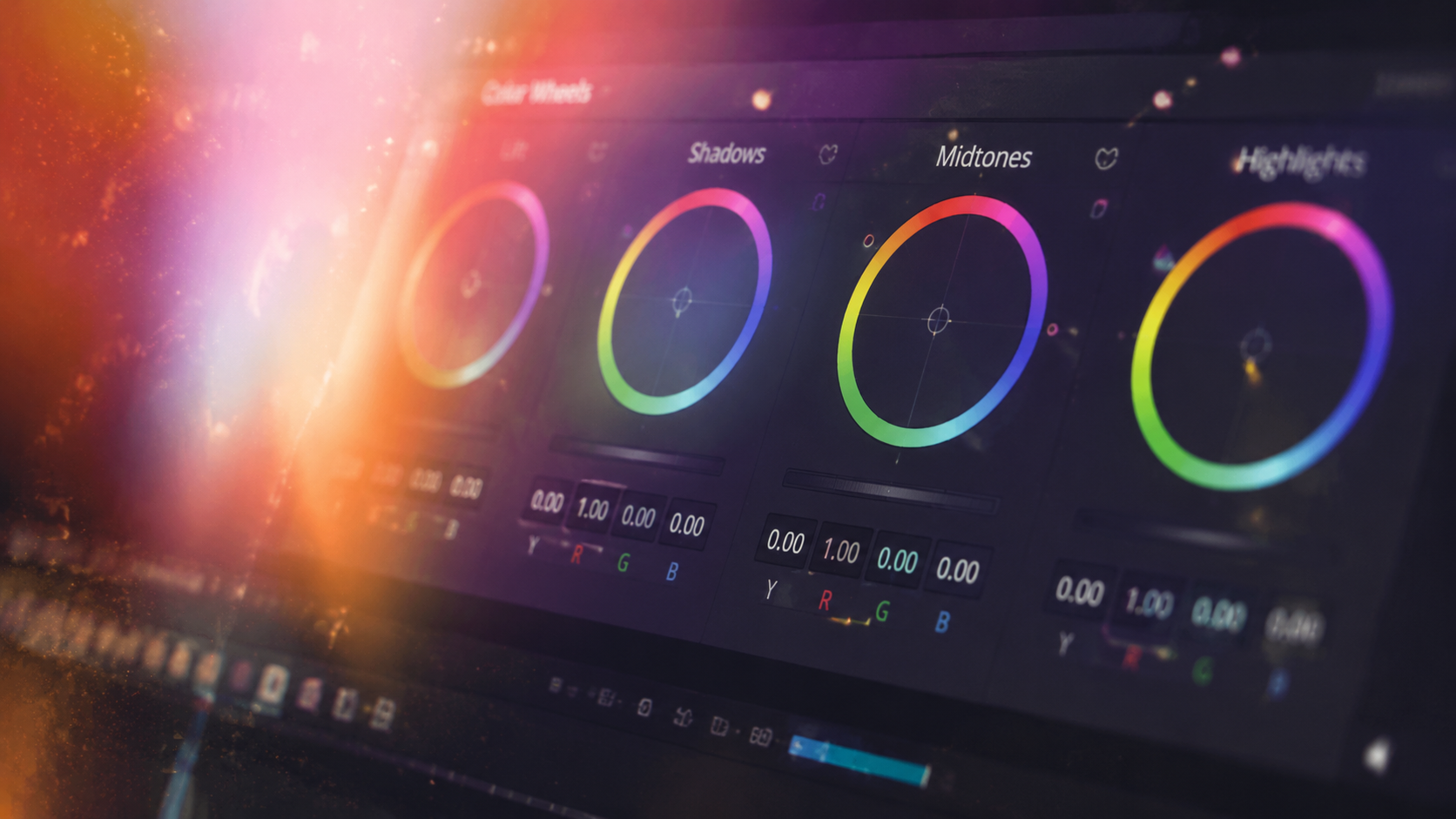
Transitioning from short-form clips to atmospheric long-form content requires a strategic shift in how you organize your timeline. The goal is to create a "flow state" for the viewer. To achieve this, you must treat your video as a musical composition, where visual beats are just as important as the audio ones. Following a structured process ensures that your "vibe" doesn't become a distraction but rather the vehicle for your message.
- Define the Atmospheric Anchor: Choose a primary color palette and a core "mood" (e.g., lo-fi, cinematic, high-energy). Use tools like Meta’s Vibes AI editor, which launched in early 2026, to generate a style profile that can be applied across your entire project.
- Select an Agentic Soundtrack: In vibe editing, the music dictates the cut. Use AI-driven audio platforms to find tracks with consistent rhythmic structures that support long-duration listening without becoming repetitive.
- Batch-Process Visual Textures: Apply "vibe" filters and grain early in the process. According to reports from TestingCatalog AI News in March 2026, Meta’s Vibes editor allows creators to "silently" sync visual textures across multiple scenes to ensure no jarring shifts in quality.
- Implement Non-Linear Transitions: Instead of standard dissolves, use light leaks, blur-cuts, or match-cuts that emphasize the mood. The objective is to move the viewer through the video subconsciously.
- Refine with Agentic Review: Run your long-form edit through an agentic platform like Mobbi AI to identify "vibe breaks"—segments where the energy dips or the aesthetic shifts unintentionally—and allow the AI to suggest corrective color or pacing adjustments.
Comparing Top Vibe Editing Platforms in 2026
With the rapid influx of AI tools, choosing the right platform for vibe editing for long form video depends on your specific output needs. Some platforms are designed for rapid social synchronization, while others are built for high-end cinematic production. The following table compares the leading technologies currently shaping the industry as of mid-2026.
| Platform | Primary Feature | Best For... | Release/Update Date |
|---|---|---|---|
| Mobbi AI | Agentic Vibe Syncing | Professional Long-Form Content | February 13, 2026 |
| Meta Vibes | Integrated AI Discovery | Cross-Platform Creators | March 08, 2026 (Silent Launch) |
| Vibe x Rolling Stone | Editorial Aesthetics | Music & Culture Documentaries | October 20, 2025 (Merger) |
| Legacy NLEs | Manual Keyframing | Traditional Film Editors | Ongoing Updates |
The merger between Rolling Stone and Vibe in late 2025 has also introduced a new aesthetic standard for culture-focused video. According to Yahoo, this partnership merged iconic editorial styles with modern digital video, influencing how "vibe-heavy" documentaries are paced and colored in 2026. Creators looking for a more journalistic yet atmospheric feel often look to the presets inspired by this collaboration.
Advanced Techniques in Atmospheric Continuity
Maintaining a "vibe" over a 20-minute video is significantly more difficult than a 15-second reel. The key is atmospheric continuity. This involves more than just a LUT (Look-Up Table); it requires a holistic approach to the digital environment. For instance, if your video starts with a "warm, nostalgic" vibe, the sound design must include subtle ambient layers like analog hiss or soft room tone to ground the visuals.
Agentic systems now allow for "dynamic grading," where the AI adjusts the color intensity based on the emotional arc of the long-form narrative. If the story takes a somber turn, the "vibe" agent can subtly desaturate the footage over a three-minute period, making the transition feel natural to the viewer’s eye. This level of nuance was nearly impossible to achieve manually on long timelines without hundreds of hours of work.
Integrating Soundscapes for Deep Immersion
Sound is 70% of the vibe. In 2026, vibe editing for long form video often utilizes "generative soundscapes" that evolve alongside the visual content. Instead of a single music track, editors use layers of stems that the AI can rearrange based on the visual density of the scene. This ensures that the audio never feels "looped," which is a common reason viewers drop off from long videos.
The Impact of Vibe Editing on Audience Retention
Why is vibe editing for long form video becoming the standard? The answer lies in the psychological comfort of the viewer. In an era of high-speed information, long-form content that provides a consistent aesthetic "vibe" acts as a digital sanctuary. Research into viewer habits on platforms like TikTok and YouTube in 2026 shows that videos with high atmospheric consistency have a 40% higher completion rate compared to those using standard "talking head" formats.
According to Britannica’s latest updates on digital trends in May 2026, the shift toward "vibe-centric" consumption is a direct response to the fragmented nature of modern attention. By creating a unified sensory experience, creators can bypass the analytical mind and connect with the viewer on an emotional level. This connection is what drives loyalty and community growth in the current creator economy.
Case Study: Meta’s Vibes and the Discovery Engine
Meta’s introduction of "Vibes" in late 2025 and its subsequent expansion in early 2026 changed how AI discovers content. The algorithm now categorizes videos not just by keywords, but by their "aesthetic signature." This means that mastering vibe editing for long form video is no longer just a creative choice—it is an SEO necessity. Videos that successfully maintain a specific vibe are more likely to be recommended to users who have shown a preference for that aesthetic, creating a new form of "Vibe-Based SEO."
Future Trends: What’s Next for Vibe Editing?
Looking toward the end of 2026 and into 2027, we expect to see the rise of "Interactive Vibe Editing." This will allow viewers to toggle the aesthetic of a long-form video in real-time—switching from a "dark academia" vibe to a "vibrant synthwave" vibe while the core content remains the same. This will be powered by the same agentic AI foundations laid by Mobbi AI and Meta earlier this year.
Furthermore, the distinction between "editor" and "curator" will continue to blur. As AI handles more of the technical heavy lifting, the creator’s value will lie in their ability to define and refine unique "vibes" that cannot be easily replicated. The most successful creators of 2026 are those who view their long-form videos as a total sensory experience rather than just a sequence of information.
What is vibe editing for long form video?
It is a post-production style that focuses on creating a consistent emotional and aesthetic atmosphere through AI-assisted color grading, rhythmic pacing, and layered soundscapes. It is designed to keep viewers engaged over long durations by prioritizing mood over traditional linear structure.
Which AI tools are best for vibe editing in 2026?
Mobbi AI is currently the leader in agentic vibe editing for long projects, while Meta’s Vibes editor is excellent for creators who need to sync their aesthetic across social platforms. Both tools use advanced AI to maintain stylistic consistency automatically.
How does vibe editing affect video SEO?
In 2026, search and discovery engines like Meta and Google use "aesthetic signatures" to categorize content. Using vibe editing helps your video rank within specific "mood" categories, reaching audiences who prefer certain visual and auditory styles.
Can vibe editing be used for professional documentaries?
Yes, the 2025 merger of Vibe and Rolling Stone has popularized the use of vibe editing in journalistic and documentary formats. It helps in making long-form factual content more immersive and visually compelling for younger audiences.
Is vibe editing just about adding filters?
No, it is a holistic approach that includes sound design, pacing, and the use of agentic AI to ensure that every element of the video—from the transitions to the background noise—contributes to a singular atmospheric goal.
Comments ()