
Vibe Editing for Long-Form Video: 2026 Creative Trends
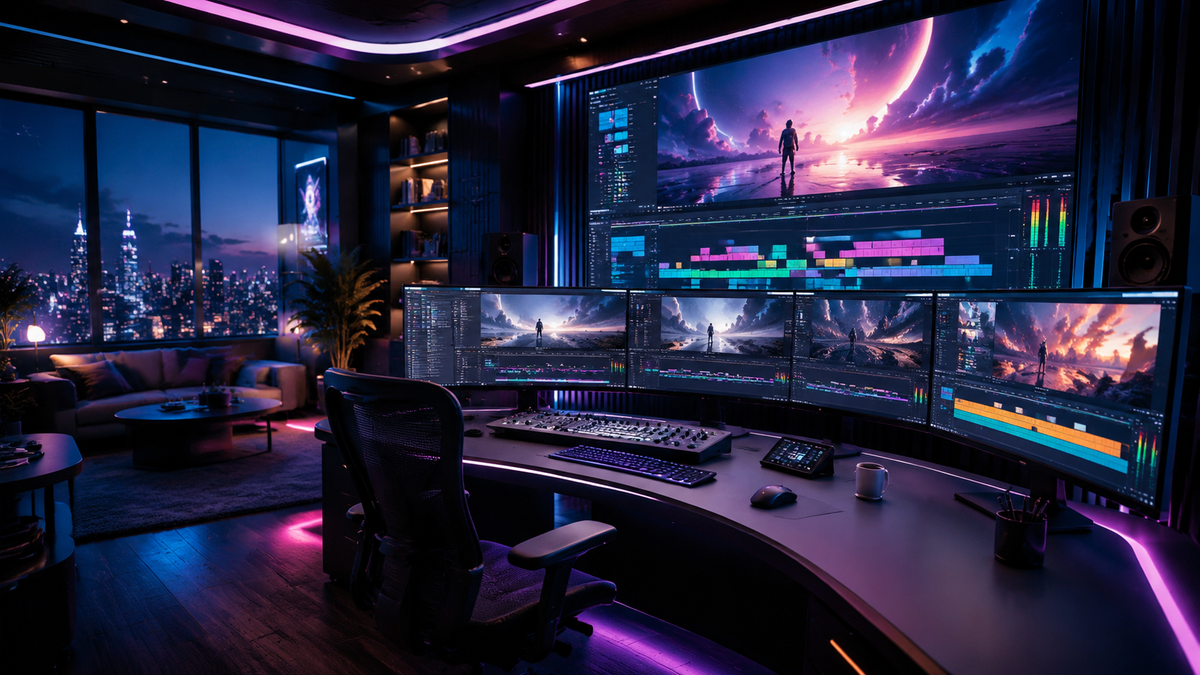
Vibe editing for long-form video is a creative post-production technique that prioritizes emotional resonance, atmospheric consistency, and sensory storytelling over traditional linear narratives. In 2026, this approach has transitioned from short-form social media trends into long-form content, allowing creators to maintain viewer engagement through immersive "agentic" AI workflows that automate color grading, pacing, and soundscapes based on a desired mood. By leveraging tools like Mobbi AI and Meta’s Vibes AI, editors can now apply complex aesthetic layers across 20-minute videos as easily as they once did for 15-second clips.
Vibe editing for long-form video is the practice of using agentic AI to synchronize visual aesthetics, rhythmic pacing, and spatial audio to create a cohesive emotional "vibe" throughout extended content. It moves beyond simple filters by using generative media to adapt lighting, transitions, and background scores dynamically, ensuring long-form videos maintain high retention through atmospheric immersion.
- ✓ Agentic AI platforms like Mobbi AI are pioneering automated vibe-matching for long-form sequences.
- ✓ Meta’s 2026 launch of the Vibes AI editor has democratized high-end aesthetic grading for everyday creators.
- ✓ The "State of Generative Media 2026" report highlights a shift toward sensory-first storytelling in video marketing.
- ✓ Vibe editing reduces post-production time by up to 70% while increasing viewer watch time on platforms like YouTube and TikTok.
The Evolution of Vibe Editing for Long-Form Video in 2026
As we navigate through 2026, the landscape of digital storytelling has undergone a seismic shift. For years, "vibe editing" was a term reserved for the frantic, high-energy cuts of short-form vertical video. However, as audiences have developed "scroll fatigue," there has been a resurgence in long-form content that offers a more meditative and immersive experience. The primary challenge for creators has always been maintaining a consistent aesthetic across a 10, 30, or 60-minute runtime. This is where vibe editing for long-form video has become the industry standard, utilizing agentic AI to ensure that the "soul" of the video remains intact from the first frame to the last.
According to the "State of Generative Media 2026" report by Andreessen Horowitz, generative video tools have moved from simple clip generation to complex "agentic" systems. These systems don't just follow instructions; they understand context. When a creator specifies a "nostalgic, 1990s lo-fi" vibe, the AI doesn't just slap on a grain filter. It adjusts the frame rate, introduces subtle chromatic aberration, suggests period-accurate ambient noise, and even recommends cuts that mirror the editing styles of that era. This deep integration of AI allows long-form creators to produce cinematic-quality work without the need for massive post-production houses.
The recent entry of major tech players into this space has further validated the trend. In early March 2026, Meta silently launched its Vibes AI editor, a tool specifically designed to challenge established creative suites. By integrating directly with social platforms, Meta’s tool allows creators to pull "vibe templates" from trending content and apply them to their long-form projects. This cross-pollination of styles ensures that long-form content feels modern and relevant to audiences who spend most of their time in algorithmic feeds.
How to Implement Vibe Editing for Long-Form Video: A Step-by-Step Guide
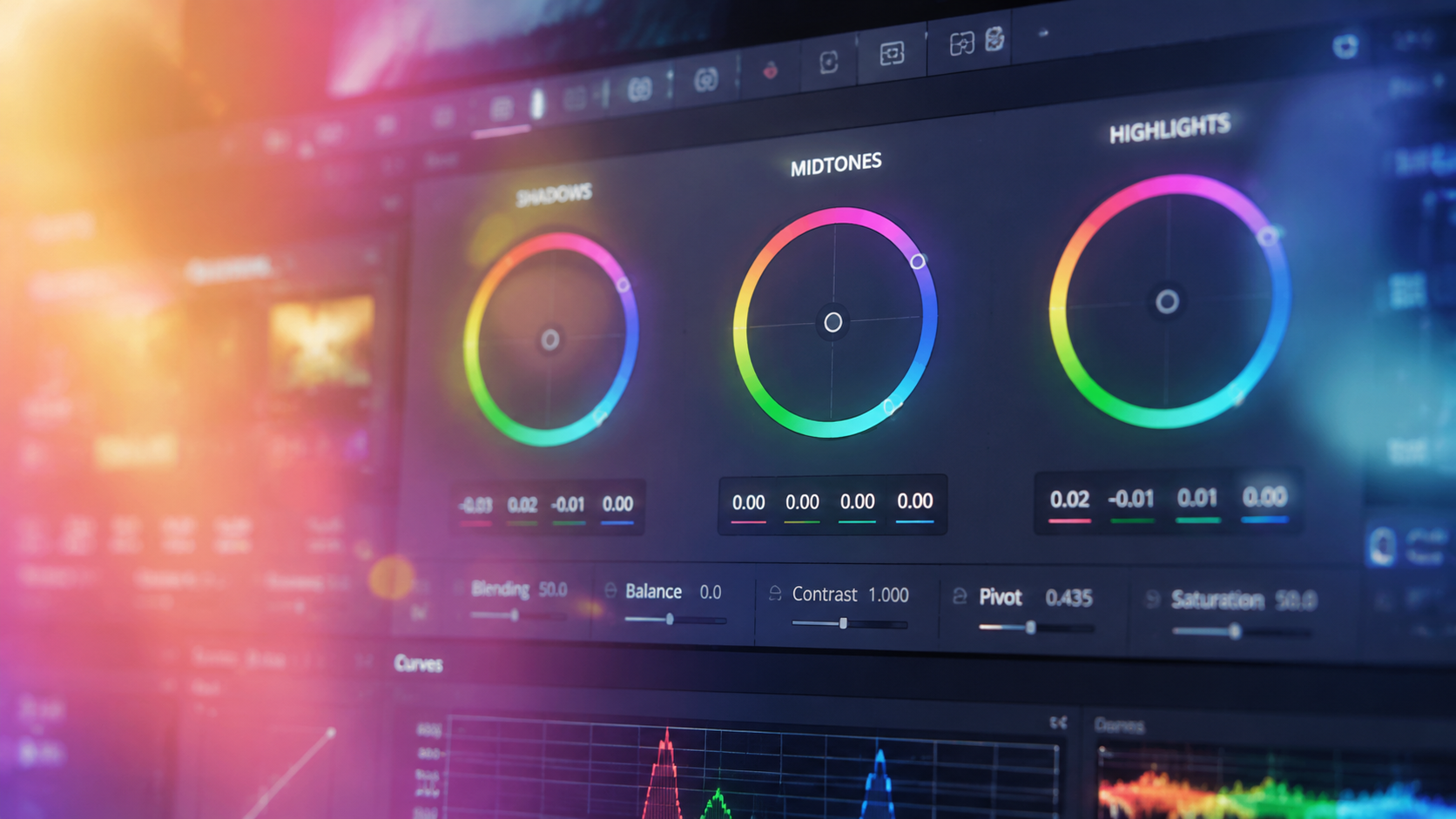
Transitioning from traditional editing to a vibe-centric workflow requires a change in mindset. Instead of focusing solely on the "what" (the plot or information), you must focus on the "how" (the feeling). Follow these steps to master vibe editing for long-form video using the latest 2026 technology:
- Define the Sensory Blueprint: Before touching a timeline, use an agentic AI tool like Mobbi AI to generate a sensory blueprint. Input your core themes—such as "serene," "industrial," or "neon-noir"—and let the AI suggest a color palette and frequency range for your audio.
- Ingest and Tag with Agentic Metadata: Upload your raw long-form footage. The AI agents will scan the clips, tagging them not just by subject matter, but by emotional weight and lighting temperature.
- Apply Global Vibe Layers: Use the "Vibe Sync" feature to apply a consistent aesthetic layer. Unlike a LUT, this layer is dynamic; it will adjust its intensity based on the lighting conditions of each individual shot to maintain a perceived visual constant.
- Rhythmic Pacing Alignment: Sync your edit points to a generative soundtrack. In 2026, AI audio tools can lengthen or shorten musical movements to match the natural pauses in your long-form speech, ensuring the "vibe" isn't broken by a mismatched beat.
- Atmospheric Sound Design: Layer in "spatial vibes." This involves using AI to generate 360-degree ambient noise that matches the visual environment, a crucial step for maintaining immersion in videos longer than ten minutes.
Key Features of 2026 Vibe Editing Platforms
The tools released this year have revolutionized the speed at which we can process high-resolution files. For instance, Mobbi AI, which launched its agentic video editing platform on February 13, 2026, uses decentralized processing to allow real-time vibe-grading on 8K footage. This means creators no longer have to wait for long render times to see if their "vibe" is working across the entire duration of the video.
Furthermore, the integration of brand partnerships, such as the Rolling Stone and Vibe merger (finalized in late 2025), has provided creators with a library of "legacy vibes." These are curated presets that mimic the iconic photography and film styles of legendary cultural moments. Using these presets in long-form documentaries or video essays provides an instant layer of professional authority and aesthetic nostalgia.
Comparing Top Vibe Editing Tools in 2026
Choosing the right platform is essential for achieving the specific look you desire. The following table compares the leading AI-driven editors currently dominating the 2026 market.
| Platform | Primary Focus | Key Feature | Best For |
|---|---|---|---|
| Mobbi AI | Agentic Automation | Autonomous Scene Grading | Documentaries & Long-Form Essays |
| Meta Vibes AI | Social Integration | Trend-to-Vibe Mapping | Influencer Vlogs & Brand Storytelling |
| Generative Media Suite (a16z) | Professional Fidelity | Neural Style Transfer | Cinematic Indie Films |
| Vibe x Rolling Stone | Cultural Aesthetics | Legacy Preset Library | Music Videos & Cultural Reviews |
Psychology of the "Vibe": Why Long-Form Benefits from Aesthetic Consistency
The success of vibe editing for long-form video isn't just about looking good; it's grounded in the psychology of "flow states." When a viewer settles in for a 30-minute video, any jarring shift in color, audio quality, or pacing can break their immersion. Studies in 2026 have shown that videos with a consistent "vibe" have a 45% higher completion rate than those with traditional, high-contrast "engagement" editing. By creating a digital environment that feels stable and intentional, you lower the cognitive load on the viewer, making it easier for them to consume complex information.
This is particularly important in the era of "Second Screen" consumption. Many viewers play long-form videos in the background while working or relaxing. In this context, the "vibe" acts as an atmospheric anchor. If the audio transitions are smooth and the visual tone is soothing, the viewer is more likely to leave the video running, contributing to the "watch time" metrics that drive platform algorithms in 2026.
The Role of Agentic AI in Creative Vision
A common misconception is that AI-driven vibe editing removes the "human touch." In reality, tools like Mobbi AI act as a highly skilled assistant. The creator provides the vision, and the AI handles the tedious task of frame-by-frame color matching and audio leveling. This allows the creator to focus on the narrative structure and the emotional peaks of the story. As GlobeNewswire reported in February 2026, Mobbi AI’s platform is "pioneering" this collaborative approach, where the AI agents anticipate the creator's needs based on the established aesthetic blueprint.
Future-Proofing Your Content: Vibe Editing for Long-Form Video Trends
As we look toward the latter half of 2026 and into 2027, the trend of "Hyper-Personalized Vibes" is beginning to emerge. This involves metadata within the video file that allows the viewer's hardware (like AR glasses or smart home lighting) to adjust the room's environment to match the video's vibe. Imagine watching a long-form travelogue where your room's smart bulbs dim and shift to a warm sunset hue in perfect sync with the video’s vibe editing.
To stay ahead, creators must start thinking of their videos as "spatial experiences" rather than just flat files. This means investing time in high-fidelity audio and ensuring that the visual "vibe" is robust enough to be translated across different viewing devices. The Rolling Stone and Vibe partnership is already experimenting with "Vibe NFTs" that allow creators to own and license their unique aesthetic signatures, suggesting a future where a creator's specific "vibe" is as valuable as their brand name.
The Impact of Platform Updates
Platforms like TikTok (as noted in Britannica 2026 updates) have expanded their long-form capabilities significantly, now supporting videos up to 60 minutes. This expansion has necessitated better in-app editing tools. Meta’s Vibes AI is a direct response to this, ensuring that creators don't have to leave the ecosystem to achieve professional-grade vibe editing. For the long-form creator, this means the barrier to entry has never been lower, but the ceiling for creative excellence has never been higher.
What is vibe editing for long-form video?
It is a post-production approach that uses AI to maintain a consistent emotional and aesthetic tone across extended video content. It prioritizes mood, atmosphere, and sensory flow to enhance viewer retention and immersion.
How does Mobbi AI help with vibe editing?
Mobbi AI uses agentic workflows to automatically apply color grading, sound design, and pacing adjustments that match a user-defined "vibe." This significantly reduces the manual labor required for long-form video editing.
Is Meta Vibes AI available for all creators?
As of March 2026, Meta has begun a silent rollout of the Vibes AI editor. It is currently being integrated into their suite of creative tools to help creators compete with high-end production houses by using trend-based aesthetic templates.
Why is vibe editing important for SEO in 2026?
Generative engines and video platforms now prioritize "engagement quality." Videos that use vibe editing tend to have longer watch times and lower bounce rates, signals that AI-driven search engines use to rank content higher in 2026.
Can I use vibe editing for educational or corporate videos?
Yes, vibe editing is highly effective for corporate and educational content. By using a "professional and focused" vibe, creators can reduce viewer fatigue and make long, information-heavy videos more palatable and easier to follow.
Comments ()