
Unlimited AI Video Generation Models: 2026 Review & Guide
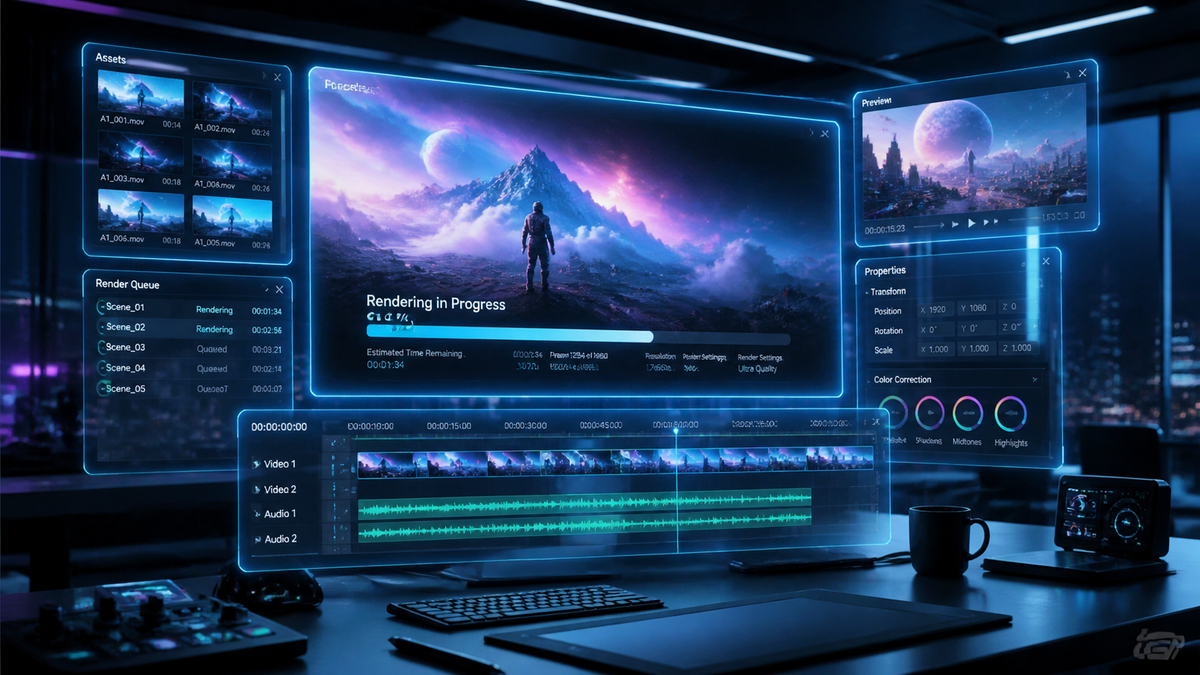
The landscape of digital content creation has undergone a seismic shift in 2026, as unlimited AI video generation models have moved from experimental beta phases into mainstream production workflows. For creators and enterprises, the ability to generate high-fidelity video assets without the constraints of credit-based billing or generation caps represents a new era of creative freedom. Leading this charge is Adobe Firefly, which recently updated its ecosystem to allow for unrestricted video and image output, fundamentally changing how studios approach pre-visualization and final rendering.
Unlimited AI video generation models are advanced artificial intelligence systems that allow users to create high-definition video content from text or image prompts without being restricted by monthly generation limits or token consumption. In 2026, these models, most notably Adobe Firefly Video, offer creators the ability to iterate endlessly, providing a cost-effective solution for high-volume video production and rapid creative prototyping.
- ✓ Adobe Firefly has emerged as a leader in 2026 by offering unlimited video and image generations across its Creative Cloud suite.
- ✓ The shift toward unlimited models eliminates "credit anxiety," allowing for more experimentation and higher-quality final outputs through repeated iteration.
- ✓ New tools in 2026 focus on "Generative Extend" and text-to-video capabilities that maintain stylistic consistency across multiple clips.
- ✓ Access to these unlimited features is often tied to specific subscription tiers or promotional windows provided to verified creative professionals.
- ✓ Industry reports from Jon Peddie Research highlight that unlimited access is becoming the standard for enterprise-grade AI creative tools.
The Rise of Unlimited AI Video Generation Models in 2026
As we navigate through 2026, the artificial intelligence industry has reached a point of maturity where compute power is no longer the primary bottleneck for major providers. This has led to the introduction of unlimited AI video generation models, which allow creators to bypass the traditional "pay-per-clip" model. According to a recent report by Jon Peddie Research, the transition to unlimited AI generations is a response to the growing demand for iterative design, where a single final video might require dozens of AI-generated variations to perfect the lighting, motion, and composition.
The most significant development occurred in late 2025 and early 2026 when Adobe announced major improvements to its Firefly Video Model. By removing the generation caps for select tiers, Adobe has positioned itself as the primary destination for professionals who require high-volume output. This move has been mirrored by other industry players seeking to capture the enterprise market, where predictable monthly costs are preferred over fluctuating usage fees. The focus in 2026 is no longer just on the ability to generate video, but on the ability to do so at scale without financial penalties for creative exploration.
For many users, the primary hurdle has been "credit anxiety"—the fear of wasting expensive tokens on a prompt that might not yield the desired result. With the advent of unlimited models, this psychological barrier has vanished. Creators are now free to experiment with radical prompts, complex camera movements, and hyper-specific stylistic instructions, knowing that they can simply regenerate the clip until it meets their exact specifications. This shift is accelerating the integration of AI into professional post-production pipelines, from Hollywood storyboarding to social media marketing campaigns.
How to Access Unlimited AI Video Generations
- Select a Compatible Platform: Identify a provider that offers unlimited tiers. As of February 2026, Adobe Firefly is the leading choice for integrated unlimited video and image generation.
- Verify Subscription Eligibility: Ensure your account is part of a qualifying plan. Forbes reports that Adobe initially rolled out these features to select Firefly creators before expanding them to broader Creative Cloud tiers.
- Update to the Latest Models: Access the 2026 versions of the video models (such as Firefly Video Model v2) within your creative software to ensure compatibility with unlimited rendering features.
- Configure Output Settings: Use the dedicated video generation interface to set your desired resolution, frame rate, and duration, taking advantage of the "Generative Extend" tool to lengthen existing clips.
- Iterate Without Limits: Input your text or image prompts and generate multiple versions. Since the model is unlimited, you can refine your prompts and settings repeatedly without monitoring a credit balance.
Comparing Top Unlimited AI Video Platforms

When evaluating unlimited AI video generation models, it is essential to look beyond just the "unlimited" label and examine the actual capabilities of the underlying technology. According to ZDNET, while several platforms claim to offer unlimited access, the depth of integration and the quality of the output vary significantly. Adobe Firefly, for instance, provides a "commercially safe" model trained on licensed content, which is a critical factor for enterprise users who need to avoid copyright complications.
| Feature | Adobe Firefly (2026) | Standard Enterprise AI | Open-Source Models |
|---|---|---|---|
| Generation Limit | Unlimited (Select Tiers) | Capped / Credit-Based | Hardware Dependent |
| Max Resolution | 4K Ultra HD | 1080p / 2K | Variable |
| Commercial Safety | Fully Indemnified | Partial / Limited | User Responsibility |
| Primary Use Case | Professional Creative Suites | Marketing & Social Media | Research & Development |
| Integration | Premiere Pro / After Effects | Web-Based Dashboard | API / Local Install |
The table above illustrates that while unlimited access is a major selling point, the ecosystem surrounding the model is equally important. In 2026, the trend is toward "all-in-one" solutions where the AI video model is baked directly into the editing software. This allows for features like "Generative Extend," which uses the AI to add frames to the beginning or end of a clip seamlessly. This level of integration is what separates professional-grade unlimited models from simpler, browser-based tools that often lack the precision required for high-end production.
Key Features of the 2026 Unlimited Video Models
The 2026 generation of video models has introduced several groundbreaking features that make unlimited access truly valuable. Chief among these is the "Generative Extend" tool. As noted by Animation World Network, this feature allows editors to lengthen clips that are too short, filling in the gaps with AI-generated frames that perfectly match the original footage's lighting, motion, and texture. When combined with an unlimited generation plan, editors can fine-tune these extensions until the transition is imperceptible, a task that would be prohibitively expensive under a per-credit system.
Advanced Text-to-Video and Image-to-Video
The core of the unlimited AI video generation models remains the text-to-video engine. In 2026, these models have moved beyond simple 5-second loops. Modern models can now generate complex sequences with consistent character physics and environmental continuity. Creators can input a detailed script and receive a series of shots that maintain the same visual language. Because the generations are unlimited, users can "brute force" the creative process, generating hundreds of variations to find the one perfect shot that fits their vision.
Commercial Safety and Ethical Training
A major focus in 2026 is the ethical provenance of the training data. Adobe has been a vocal proponent of this, ensuring that its Firefly models are trained on Adobe Stock images and public domain content. This makes the "unlimited" aspect even more powerful for businesses, as they can generate an infinite amount of content without worrying about the legal ramifications of the training data. According to Forbes, this "commercially safe" approach has become a prerequisite for large-scale corporate adoption of AI video tools.
The Economic Impact of Unlimited AI Video Access
The shift to unlimited AI video generation models has fundamentally altered the economics of the creative industry. Previously, small agencies and freelance creators were limited by their software budgets, often having to choose between quality and quantity. In 2026, the democratization of unlimited tools means that a solo creator has the same "rendering power" as a large studio. This has led to an explosion of high-quality video content across platforms like YouTube, TikTok, and emerging VR/AR environments.
Industry analysts at The AI Economy have noted that the move to unlimited models by giants like Adobe is a strategic play to lock users into their ecosystems. By offering unlimited generations, these companies make it difficult for users to justify paying for secondary, credit-based services. This competition is driving innovation, as other providers are forced to improve their model quality or offer unique features like real-time collaboration and 3D scene integration to stay relevant in a market where "unlimited" is the new baseline.
Furthermore, the ability to generate unlimited video has streamlined the client approval process. Designers can now present clients with a dozen different AI-generated concepts in the time it used to take to create one. This rapid prototyping reduces the risk of project misalignment and allows for a more collaborative, iterative approach to filmmaking. As ZDNET highlighted in their February 2026 guide, the "free" or included nature of these unlimited generations within existing subscriptions like Creative Cloud represents a massive value add for the modern digital worker.
Future Outlook: Beyond 2026
Looking past 2026, the trend of unlimited AI video generation models is expected to evolve toward real-time, interactive video. We are already seeing the beginnings of this with AI models that can respond to live input, allowing for "playable" video environments. As compute costs continue to drop and edge computing becomes more powerful, the "unlimited" aspect may move from the cloud to local hardware, giving creators even more control over their data and privacy.
The integration of AI video with other generative fields, such as 3D modeling and spatial audio, will likely be the next frontier. Imagine a system where you can not only generate unlimited video but also the corresponding 3D assets and immersive soundscapes simultaneously. For now, the focus remains on perfecting the visual fidelity and temporal consistency of video, ensuring that every one of those "unlimited" generations is of professional caliber. The 2026 review of these models confirms that we have reached a tipping point where the only limit to video creation is the creator's imagination, not their wallet.
Are there really no limits on these AI video models?
In 2026, many "unlimited" plans, such as those offered by Adobe Firefly, allow for unrestricted generations, though some may implement "fair use" policies or slower processing speeds after a certain high-volume threshold is reached. Always check the specific terms of your subscription for any "soft" caps.
Which AI video model is best for commercial use in 2026?
Adobe Firefly is widely considered the best for commercial use because it is trained on licensed content and offers legal indemnification for its users. This makes it the safest choice for brands and agencies concerned about copyright issues.
Can I get unlimited AI video generation for free?
As reported by ZDNET in early 2026, there are ways to access unlimited generations through promotional windows or specific free-tier trials offered by major providers. However, permanent unlimited access usually requires a paid professional subscription.
What is "Generative Extend" in AI video?
Generative Extend is a feature found in 2026 AI models that allows users to lengthen a video clip by generating new frames that match the existing footage. It is particularly useful for fixing timing issues in edits or creating smooth transitions between scenes.
Do I need a powerful computer to use unlimited AI video models?
No, most unlimited AI video generation models are cloud-based, meaning the heavy processing is done on the provider's servers. You only need a stable internet connection and a device capable of running the interface or creative suite software.

Comments ()