
AI Video Generator Market Trends: 2026
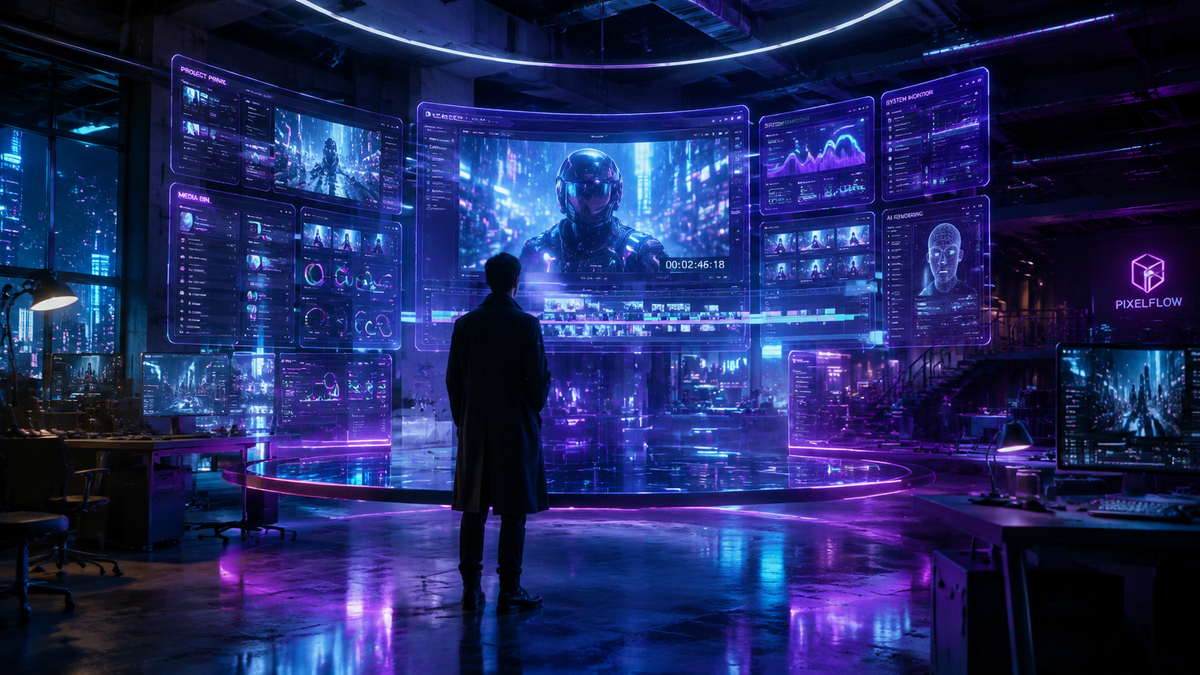
The uncensored ai video generator market in 2026 represents a pivotal shift in digital content creation, moving away from the restrictive guardrails of early-generation models toward a landscape of radical creative freedom. This market segment focuses on providing users with unrestricted access to visual synthesis tools that bypass traditional safety filters, allowing for the generation of complex, unfiltered cinematic outputs that mainstream platforms often block. As of mid-2026, the demand for these tools has surged among independent filmmakers, digital artists, and proponents of decentralized AI who prioritize privacy and expression over corporate moderation.
An uncensored AI video generator is a generative artificial intelligence tool that allows users to create video content without the content-filtering restrictions typically found in mainstream AI models. In 2026, these tools leverage local hosting or decentralized cloud networks to ensure privacy, creative autonomy, and the ability to generate hyper-realistic visuals for niche artistic and professional industries.
- ✓ The 2026 market is driven by "unrestricted" models like Grok-Imagine and decentralized open-source forks.
- ✓ Privacy and data sovereignty have become the primary selling points for uncensored video platforms.
- ✓ Real-time synthesis and local hardware optimization are now standard features for professional-grade unfiltered tools.
- ✓ Regulatory scrutiny is increasing, yet the technical barriers to entry for decentralized models remain low.
The Evolution of the Uncensored AI Video Generator Market
In the early months of 2026, the landscape of generative video underwent a fundamental transformation. While established tech giants continued to tighten their moderation policies, a parallel ecosystem of unfiltered tools emerged. This shift was largely catalyzed by the success of earlier unrestricted image models, such as Grok-Imagine, which, according to FourWeekMBA, fundamentally changed the creator economy by offering a "free and uncensored" alternative to the more sanitized outputs of traditional competitors. This philosophy has now fully migrated into the video space, where high-fidelity temporal consistency meets unrestricted prompting.
The current market is no longer a fringe movement; it is a multi-billion dollar segment of the broader AI industry. According to reporting from FinancialContent in May 2026, the "Uncensored AI Video Generators: Market Trends and Real-World Challenges" report highlights that the primary drivers for this growth are the desire for creative realism and the rejection of "corporate bias" in artistic tools. Creators are increasingly looking for platforms that do not "hallucinate" moral objections when asked to generate gritty, realistic, or provocative cinematic sequences.
The Rise of Decentralized Video Synthesis
One of the most significant trends in 2026 is the move toward decentralized hosting. By leveraging blockchain-based GPU clusters, developers can host video generators that are immune to centralized de-platforming. This ensures that the uncensored ai video generator market remains resilient against shifting terms of service from major cloud providers. These decentralized models often outperform centralized ones in terms of privacy, as they do not log user prompts or store generated frames on a single corporate server.
Integration with Open-Source Ecosystems
The integration of video generation into open-source frameworks has lowered the barrier to entry for developers. In 2026, we see a surge in "wrapper" applications that use powerful base models but remove the safety layers (Safety-LoRAs or negative prompt filters). As H2S Media noted in late 2025 regarding image generators, these unrestricted features are now being standardized in video software, allowing for seamless transitions from static imagery to fluid, 60fps motion without the intervention of automated censors.
How to Use an Uncensored AI Video Generator: A Step-by-Step Guide

- Select a Hardware-Compatible Model: Ensure your local machine or chosen cloud provider has the VRAM capacity (minimum 24GB recommended in 2026) to handle high-resolution video synthesis without server-side filtering.
- Configure Privacy Settings: Opt for tools that offer end-to-end encryption or local-only processing to ensure your prompts and outputs remain private.
- Define Your Creative Parameters: Use descriptive, unrestricted language. Unlike filtered models, these tools respond to specific anatomical, atmospheric, and stylistic keywords that would otherwise be flagged.
- Apply Temporal Consistency Filters: Use built-in tools to ensure that characters and environments remain stable across frames, a key feature in 2026's high-end video generators.
- Render and Post-Process: Export your video in high-bitrate formats. Many uncensored tools now support direct export to professional editing suites for further refinement.
Key Features and Comparison of 2026 Video Generators
The 2026 market offers a variety of tools, ranging from user-friendly web interfaces to complex, locally-run scripts. Understanding the trade-offs between these platforms is essential for any professional creator looking to enter the space. While some platforms emphasize speed, others prioritize the "unfiltered" nature of the output, ensuring no creative concept is off-limits.
| Feature Category | Mainstream AI Video Tools | Uncensored AI Video Generators |
|---|---|---|
| Content Filtering | Strict; blocks controversial or adult themes | None; allows full creative expression |
| User Privacy | Data often used for model retraining | Encrypted or local; no data logging |
| Prompt Freedom | Restricted by "Safety Guidelines" | Full natural language processing |
| Deployment | Cloud-only (SaaS) | Local, Hybrid, or Decentralized Cloud |
| Hardware Requirements | Low (Browser-based) | High (Requires modern GPUs) |
Privacy Risks and Responsible Use in the Uncensored AI Video Generator Market
While the allure of unrestricted creativity is strong, the 2026 market faces significant challenges regarding safety and ethics. As The Straits Times reported in April 2026, even major app stores like Apple and Google have struggled to police "nudify" and other unfiltered apps that bypass standard policies. This highlights a growing tension between the availability of powerful tools and the potential for misuse. Responsible use in 2026 involves a commitment to consensual content and the avoidance of generating deepfakes that infringe on individual rights.
According to H2S Media, the "unrestricted" nature of these tools carries inherent privacy risks. Users are encouraged to utilize sandboxed environments when testing new, unverified models from the open-source community. Because these generators often lack the corporate oversight of a Google or a Meta, the burden of security falls on the end-user. Ensuring that you are using reputable forks of popular models is a critical step in maintaining digital hygiene in 2026.
The Role of Digital Signatures
To combat the spread of misinformation, many developers within the uncensored ai video generator market are voluntarily adopting digital watermarking or cryptographic signatures. These tags do not censor the content but do provide a "provenance trail," indicating that the video was AI-generated. This helps creators maintain their reputation while allowing them to produce unfiltered work that is clearly labeled as synthetic media.
The Impact of "Unfiltered" AI on the Creator Economy
The "New Frontier of Digital Expression," as described by The Good Men Project in April 2026, is defined by a deep dive into unfiltered generation. This has democratized high-end visual effects for indie creators who previously could not afford the legal and technical hurdles of producing edgy or non-traditional content. In 2026, a single artist can produce a full-length, uncensored cinematic trailer that rivals the quality of a major studio production from just two years ago.
Furthermore, the competition introduced by tools like Grok-Imagine has forced the entire industry to reconsider what "safety" means. As Mint points out, when an "uncensored" generator takes on giants like ChatGPT and Gemini, it forces those companies to either justify their restrictions or loosen them to remain competitive. This market pressure is leading to a more nuanced approach to AI moderation, where "adult" or "controversial" is no longer synonymous with "banned."
Economic Implications for Freelancers
Freelance digital artists are seeing a surge in demand for "unfiltered" commissions. Whether it is for horror films, avant-garde music videos, or private digital art collections, the ability to operate an uncensored ai video generator has become a highly sought-after skill. The market for custom-trained models—where a creator trains a video generator on their own specific, unfiltered art style—is expected to be one of the fastest-growing sub-sectors through the end of 2026.
Future Outlook: What to Expect in Late 2026 and Beyond
As we look toward the end of 2026, the technology behind uncensored video generation is expected to reach a "real-time" milestone. We are seeing the first iterations of live-streamed AI video that can react to user input without any latency or filtering. This will likely revolutionize the gaming and interactive entertainment industries, providing personalized, unfiltered experiences that adapt to the player's choices in real-time.
However, the legal landscape remains a "wild west." While the technology is decentralized, various jurisdictions are beginning to draft legislation specifically targeting the uncensored ai video generator market. Creators should stay informed about regional laws regarding synthetic media to ensure their work remains compliant while enjoying the benefits of these powerful new tools. The balance between total creative freedom and societal safety will be the defining debate of the late 2020s.
Frequently Asked Questions
Are uncensored AI video generators legal in 2026?
In most jurisdictions, the software itself is legal to own and operate, especially when used for private artistic purposes. However, the legality of the output depends on local laws regarding copyright, consent, and the depiction of real individuals.
Do I need a specialized computer to run these tools?
While cloud-based uncensored options exist, running the most powerful models locally requires a modern GPU with at least 24GB of VRAM. High-speed NVMe storage is also recommended for handling the large datasets associated with video synthesis.
How does Grok-Imagine differ from other video generators?
Grok-Imagine, as highlighted by Mint and FourWeekMBA, is designed with a philosophy of minimal intervention. Unlike many competitors, it allows for a broader range of prompts that include political satire, gritty realism, and other "unfiltered" topics.
Can these tools generate videos with sound?
By mid-2026, many leading uncensored video generators have integrated audio synthesis, allowing users to generate synchronized soundtracks and dialogue alongside the visual content in a single prompt.
What are the primary risks of using unfiltered AI?
The primary risks include exposure to disturbing content, potential privacy leaks if using non-encrypted cloud services, and the legal risks associated with generating content that may violate intellectual property or likeness rights.



Comments ()