
Top Text to Video Alternatives: Best AI Tools for 2026
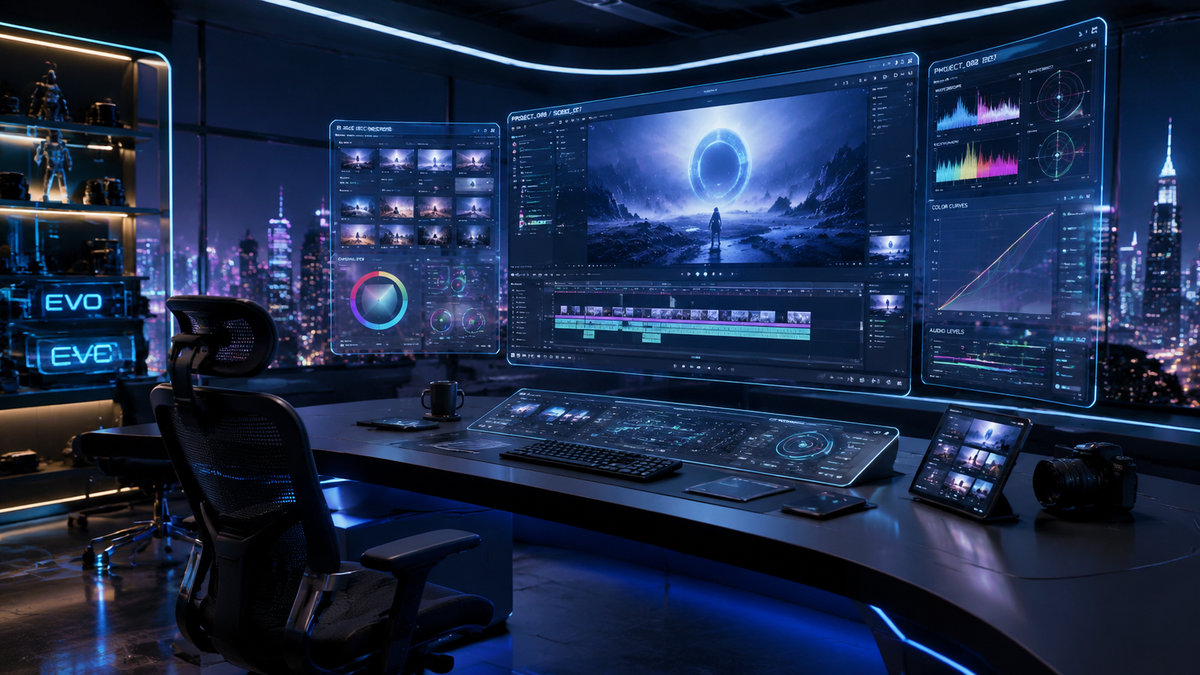
The search for the top text to video alternatives has reached a fever pitch in 2026, following the unexpected announcement that OpenAI has officially shut down its Sora project. As creators and enterprises pivot to find reliable AI video generation tools, the market has matured with powerful platforms that offer cinematic quality, temporal consistency, and advanced physics engines. Finding the right alternative depends on whether you prioritize photorealism, speed, or cost-effectiveness in your production workflow.
The top text to video alternatives in 2026 are Runway Gen-4, Luma Dream Machine 2.0, Pika Art Pro, and Kling AI. These tools have filled the void left by Sora, offering high-definition video synthesis, advanced camera controls, and real-time rendering capabilities that allow users to convert text prompts into professional-grade cinematic clips in under sixty seconds.
- ✓ Runway Gen-4 and Luma Dream Machine are the leading professional alternatives following the 2026 Sora shutdown.
- ✓ Modern AI video tools now support consistent character rendering across multiple scenes, a major hurdle in previous years.
- ✓ Free-to-use tiers remain available on platforms like Leonardo.ai and Kling, though high-resolution exports typically require a subscription.
- ✓ Integration with traditional video editing software (NLEs) has become standard for top-tier AI generators in 2026.
According to a recent report by Cybernews, the landscape of AI video generation has expanded rapidly, with over 16 major tools now providing viable commercial-grade output. This shift comes at a critical time as the industry moves away from experimental "uncanny" visuals toward seamless, high-fidelity motion that is indistinguishable from captured footage.
How to Use the Top Text to Video Alternatives
Transitioning to a new AI video platform requires a slight adjustment in prompting strategy, as each engine interprets spatial data differently. However, the core workflow remains consistent across the most popular 2026 platforms. By following a structured approach, you can maximize the output quality and minimize the "hallucinations" often associated with generative video.
- Define Your Visual Style: Start by specifying the medium (e.g., 35mm film, 3D animation, or hyper-realistic digital art) to set the baseline for the AI’s rendering engine.
- Input Your Descriptive Prompt: Enter a detailed description of the action, lighting, and subject. Most 2026 tools now respond better to natural language than keyword-stuffing.
- Adjust Motion Parameters: Use the "Motion Brush" or "Camera Control" settings to dictate whether the camera should pan, tilt, or zoom during the generation.
- Generate and Refine: Produce a low-resolution preview first. If the motion is correct, use the "Upscale" or "Enhance" feature to bring the clip to 4K resolution.
- Extend or Loop: Utilize "Outpainting" or "Video Extension" features to grow your 5-second clip into a longer sequence while maintaining visual consistency.
The Impact of the 2026 Sora Shutdown on AI Video
The news from Geo News in March 2026 regarding OpenAI shutting down Sora sent shockwaves through the creative community. While Sora was once the gold standard for text-to-video capabilities, its closure has opened the door for specialized competitors to dominate the market. These alternatives have focused on areas where Sora was restricted, such as open-access APIs and integration with professional post-production suites like DaVinci Resolve and Adobe Premiere Pro.
As eWeek reported in late March 2026, six specific AI video tools have successfully filled the void left by Sora, offering features that exceed the original's capabilities in terms of frame rate and physics accuracy. The 2026 generation of tools utilizes "World Models" that understand how gravity, fluid dynamics, and light interact, resulting in videos that look less like a series of morphing images and more like actual filmed reality.
Runway Gen-4: The Professional Standard
Runway has maintained its lead by focusing on granular control. Gen-4, released in early 2026, introduced "Director Mode," which allows users to place virtual cameras in a 3D space before generating the video. This hybrid approach between 3D modeling and AI generation makes it the preferred choice for filmmakers who need specific shots rather than random generations.
Luma Dream Machine 2.0: Speed and Realism
Luma AI's Dream Machine 2.0 has become a favorite for its incredible speed. According to testing by PCMag in May 2026, Dream Machine can render a 10-second high-definition clip in under 30 seconds, making it the fastest professional-grade tool on the market. It excels at complex human movements, such as walking or dancing, which previously caused significant distortion in AI models.
Comparing the Top Text to Video Alternatives in 2026
Choosing the right tool requires a clear understanding of the feature sets available. While some platforms focus on artistic expression, others are built for commercial advertisements and social media content. The following table compares the leading platforms based on the latest 2026 benchmarks.
| AI Tool | Max Resolution | Key Strength | Primary Use Case |
|---|---|---|---|
| Runway Gen-4 | 8K (Upscaled) | Precision Camera Control | Film & Commercial Production |
| Luma Dream Machine 2.0 | 4K | Rendering Speed | Rapid Prototyping |
| Pika Art Pro | 4K | Character Consistency | Animation & Storytelling |
| Kling AI | 1080p / 4K | Complex Physics | Hyper-realistic Simulations |
| Leonardo.ai Video | 4K | Artistic Styles | Social Media & Marketing |
Top Text to Video Alternatives for Free Users
For hobbyists and small creators, the cost of AI video generation can be a barrier. Fortunately, as YourStory.com highlighted in April 2026, there are several high-quality free alternatives that provide a generous daily allowance of credits. These tools are perfect for those just starting with top text to video alternatives without committing to a heavy monthly subscription fee.
Kling AI and Leonardo.ai are currently leading the "freemium" space. Kling, in particular, has gained traction for its ability to generate videos up to two minutes long—a feat that was unheard of just a year ago. While the free tier might include a watermark or lower priority in the rendering queue, the core technology remains the same as the paid versions, allowing for impressive results on a budget.
Pika Art Pro and the Animation Revolution
Pika Art has carved out a niche in the animation sector. Its 2026 "Pro" update introduced a lip-sync feature that is vastly superior to its predecessors. By simply uploading an audio file or typing text, users can make their AI-generated characters speak with perfect phonetic accuracy. This has made Pika the go-to alternative for independent animators and YouTubers who need to produce character-driven content quickly.
The Rise of Integrated Video Editing
In 2026, the line between a "generator" and an "editor" has blurred. According to PCMag, the best video editing software tested this year now includes built-in text-to-video modules. This means that instead of generating a clip on a website and downloading it, editors can simply type a prompt directly into their timeline. This integration significantly reduces friction in the creative process and represents the next stage of evolution for AI video tools.
Advanced Features to Look for in 2026
When evaluating top text to video alternatives, you should look beyond simple prompt-to-video capabilities. The most advanced tools now offer "Multi-Modal" inputs. This allows you to provide a reference image, a text description, and even a rough sketch to guide the AI. This level of control ensures that the output matches your vision rather than being a random interpretation of your words.
Furthermore, "Temporal Consistency" has become the metric by which these tools are judged. In earlier iterations, objects would often change shape or disappear between frames. The leading tools of 2026 utilize advanced "Transformer" architectures that maintain the integrity of an object throughout the entire duration of the clip. This is essential for professional work where a brand's product must look identical in every shot.
Character Consistency and Storyboarding
One of the most significant breakthroughs in 2026 is the ability to lock in a character's appearance. Tools like Runway and Pika now allow you to create a "Character Profile." Once defined, that character can be placed in any setting or action via text prompts, ensuring they look the same in every scene. This feature has effectively turned AI video generators into full-scale digital movie studios.
The Role of AI Image Generators
While the focus is on video, the foundation often lies in static imagery. As ZDNET pointed out in their late 2025 review (which remains relevant throughout 2026), the best AI image generators have become the primary "starting point" for video. Many creators find that generating a high-quality image first and then using an "Image-to-Video" tool yields more predictable and aesthetically pleasing results than going directly from text to video.
Conclusion: Navigating the Post-Sora Landscape
The disappearance of Sora has not slowed the progress of AI video; if anything, it has accelerated the development of a more diverse and competitive ecosystem. Whether you are looking for the cinematic precision of Runway, the rapid speeds of Luma, or the character-focused features of Pika, the top text to video alternatives in 2026 offer more power and flexibility than ever before.
As you explore these tools, remember that the "best" tool is the one that fits your specific workflow. For most, a combination of these platforms—using one for its physics and another for its artistic flair—will yield the best results. The AI video revolution is no longer about what the technology can do; it is about what you can create with it.
What happened to OpenAI Sora in 2026?
OpenAI officially shut down the Sora project in March 2026. This led to a massive shift in the market, with users moving toward alternatives like Runway, Luma, and Kling to fulfill their AI video generation needs.
Which AI video generator is best for free in 2026?
Kling AI and Leonardo.ai are widely considered the best free alternatives in 2026. They offer robust daily credit systems that allow users to generate high-quality video clips without an upfront subscription cost.
Can I generate videos longer than 10 seconds with these tools?
Yes, by 2026, most top-tier tools like Kling and Runway Gen-4 allow for clips to be extended. While the initial generation might be 5-10 seconds, the "Extend Video" feature allows for sequences lasting several minutes.
Is character consistency possible in AI video now?
Absolutely. Tools like Pika Art Pro and Runway Gen-4 have introduced character consistency modules where you can save a specific character's likeness and reuse it across different prompts and scenes.
Do I need a powerful computer to run these AI video tools?
No, most of the top text to video alternatives in 2026 are cloud-based. All the heavy processing is done on the provider's servers, meaning you only need a standard web browser and an internet connection to use them.



Comments ()