
10 Top Rated AI Video Tools in 2026: Expert Comparison
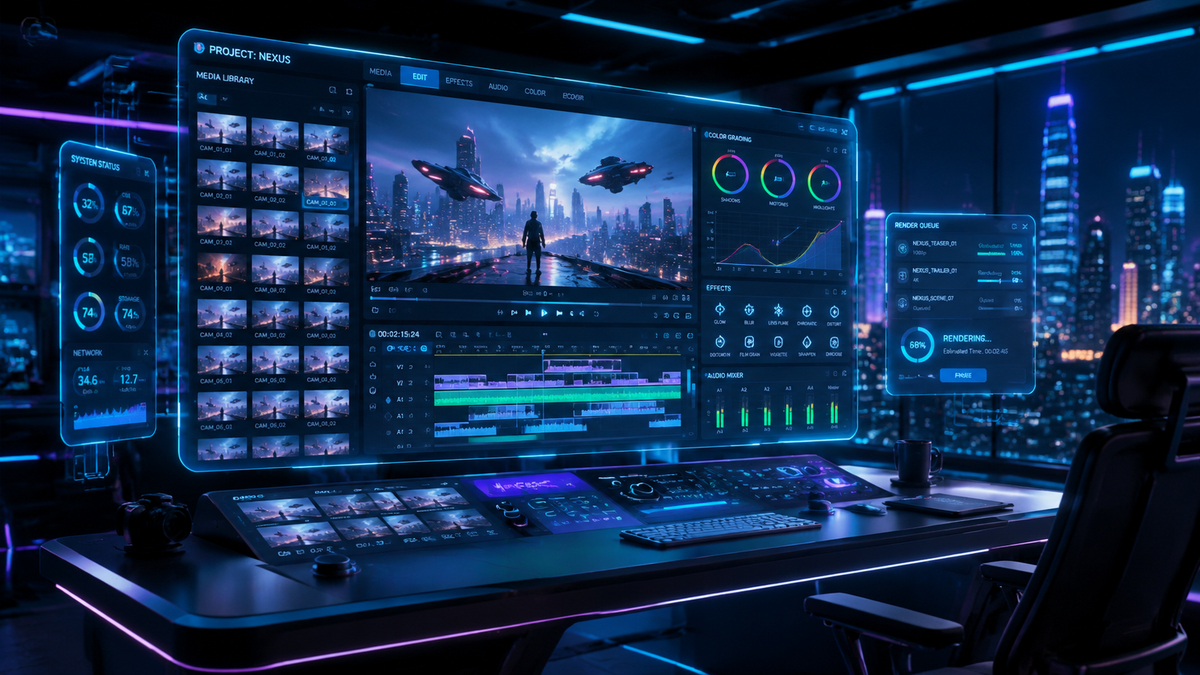
The search for the top rated ai video tools in 2026 reveals a landscape where generative video has moved from experimental novelty to an essential professional workflow. Based on extensive testing of over 70 platforms by industry leaders like TechRadar, the best tools now offer seamless text-to-video generation, hyper-realistic AI avatars, and automated editing suites that reduce production time by up to 80%. This expert comparison evaluates the leading contenders based on output fidelity, temporal consistency, and ease of use for creators and enterprises alike.
The top rated AI video tools are sophisticated software platforms that utilize generative models and neural networks to automate video creation, editing, and enhancement. These tools, such as Sora, Runway Gen-3, and HeyGen, allow users to generate high-definition video content from simple text prompts or transform existing footage through advanced AI-driven manipulation.
- ✓ AI video generators in 2026 now support full 4K resolution with consistent character physics.
- ✓ Professional workflows have shifted toward "hybrid editing," combining AI generation with traditional timeline controls.
- ✓ Affordability has increased, with several top-tier tools offering robust free tiers for casual creators.
- ✓ Integration with enterprise API systems has become a standard feature for high-end AI video platforms.
How to Use Top Rated AI Video Tools: A Step-by-Step Guide
Implementing AI into your video production pipeline is more intuitive than ever. Whether you are creating a marketing clip or a cinematic short, the process follows a standardized workflow across most 2026 platforms.
- Define Your Objective: Choose whether you need text-to-video (creating from scratch), video-to-video (stylizing existing footage), or an AI avatar (for presentations).
- Input Your Prompt: Enter a detailed description of the scene, including lighting, camera movement, and subject actions. Many tools now offer "prompt enhancers" to refine your input.
- Select Style and Aspect Ratio: Choose between cinematic, 3D render, anime, or photorealistic styles, and set your dimensions (e.g., 9:16 for TikTok or 16:9 for YouTube).
- Generate and Iterate: Produce a low-resolution preview first. If the motion is correct, proceed to generate the high-definition version.
- Post-Production Refinement: Use the tool's built-in "In-Painting" or "Out-Painting" features to fix specific frames or expand the background without re-rendering the entire clip.
Expert Comparison of the Top Rated AI Video Tools
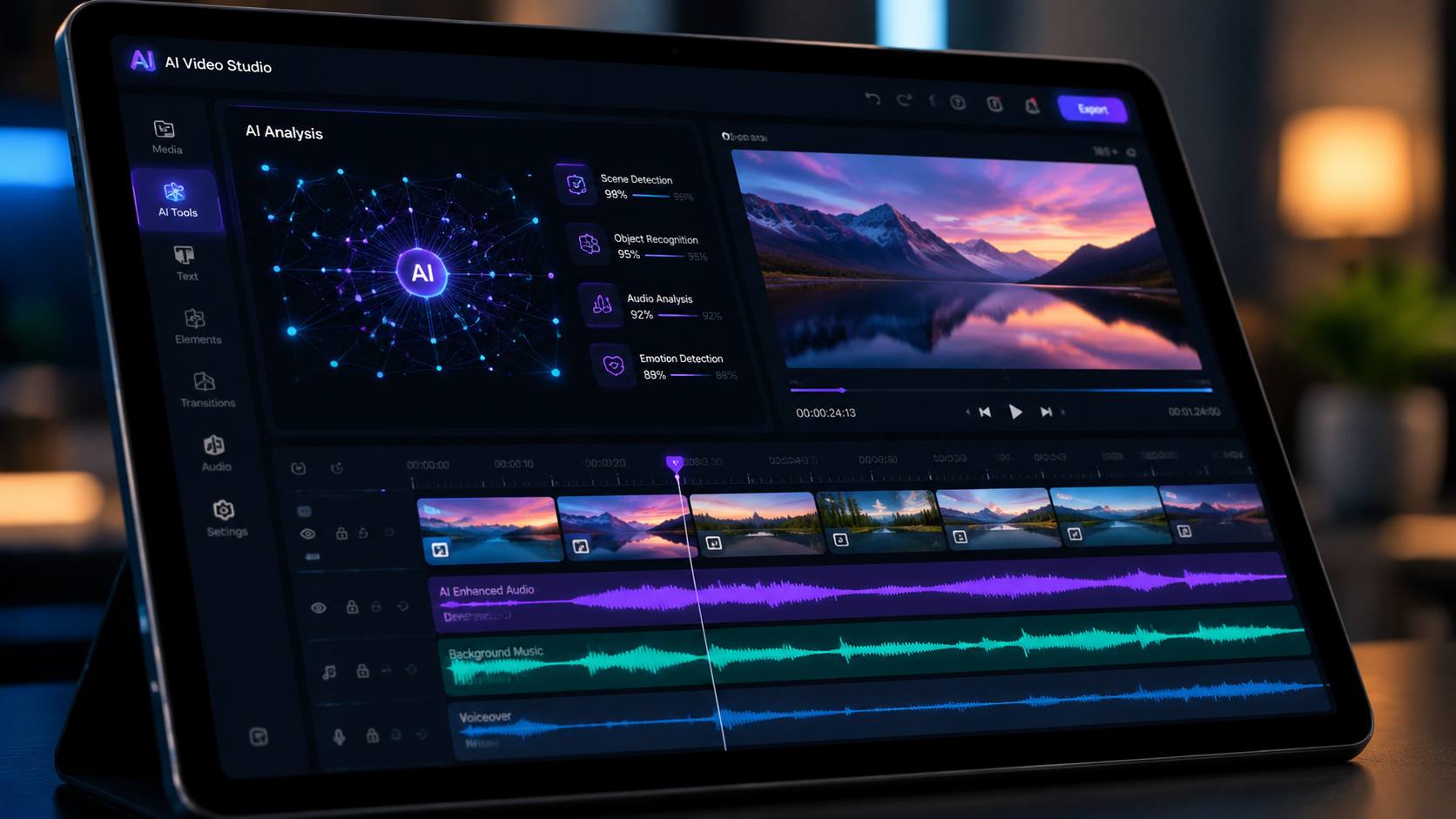
To help you choose the right platform for your specific needs, we have compared the leading tools based on their primary strengths and pricing models as of May 2026. According to reports from Cybernews, the market has seen a 40% increase in tools offering "temporal consistency," which prevents the flickering common in earlier AI models.
| Tool Name | Primary Use Case | Key Feature (2026) | Pricing Tier |
|---|---|---|---|
| Runway Gen-3 Alpha | Cinematic Production | Multi-Motion Brush Control | Freemium / Pro |
| HeyGen Pro | Corporate & Training | Instant Voice Cloning 2.0 | Subscription |
| Sora (OpenAI) | High-End Storytelling | Long-form 2-minute clips | Enterprise/Invite |
| Pika Labs 2.5 | Animation & Social Media | Sound Effect Auto-Sync | Free / Paid |
| Luma Dream Machine | Realistic Physics | High-Speed Render Engine | Credits-based |
1. Runway Gen-3: The Professional Standard
Runway remains at the forefront of the industry, consistently appearing in lists of top rated ai video tools due to its comprehensive "Creative Suite." In 2026, the Gen-3 Alpha model has revolutionized how directors approach pre-visualization. According to TechRadar, which tested over 70 tools this year, Runway’s ability to maintain character consistency across different shots is currently unmatched in the consumer market.
The platform’s "Director Mode" provides granular control over camera pans, tilts, and zooms, allowing for a level of intentionality that simple text-to-video prompts cannot achieve. For professionals, the introduction of "Custom Act-One" allows users to map their own facial expressions onto generated characters, bridging the gap between performance capture and AI generation.
Advanced Motion Control
One of the standout features of Runway in 2026 is the Multi-Motion Brush. This allows editors to select up to five different areas of a static image and assign unique movement patterns to each. For example, you can make clouds drift slowly while a waterfall crashes violently, all within the same generated frame.
2. HeyGen: The Leader in AI Avatar Technology
For businesses and educators, HeyGen has solidified its position as the premier choice for avatar-based content. As noted by G2 Learn Hub, HeyGen’s 2026 update introduced "Live Avatars" that can stream in real-time with less than 100ms of latency. This has made it a favorite for customer service integrations and interactive training modules.
The platform's translation capabilities have also seen a massive upgrade. It no longer just translates the audio; it uses "Visual Dubbing" to re-animate the speaker's mouth and facial muscles to match the phonemes of the target language perfectly. This level of realism is why it is consistently ranked among the top rated ai video tools for global communications.
Scalable Video Personalization
HeyGen’s API allows enterprises to generate thousands of personalized videos automatically. By pulling data from a CRM, a company can send a personalized video message to every customer, where the AI avatar greets them by name and references their specific purchase history, significantly increasing engagement rates.
3. OpenAI Sora: Unmatched Visual Fidelity
While still maintaining a selective rollout, Sora by OpenAI represents the pinnacle of what generative video can achieve in 2026. Exploding Topics highlights Sora as a major trend-setter, noting its ability to understand complex physics simulations. If you prompt Sora to show a glass shattering, the shards behave according to realistic gravitational and material laws.
The primary advantage of Sora is its "World Model" approach. Unlike other tools that predict the next pixel, Sora simulates a 3D environment and then renders the video. This results in videos that feel grounded and real, making it the go-to tool for high-budget advertising agencies and film studios looking to reduce location scouting costs.
Long-Form AI Generation
While most tools are limited to 5-10 second clips, Sora can generate up to two minutes of continuous, consistent video. This capability is a game-changer for creators who need to maintain a narrative flow without the "jump cuts" often necessitated by shorter generation limits in other software.
4. Luma Dream Machine: Speed and Realism
Luma AI’s Dream Machine has become a favorite for creators who need high-quality results quickly. According to PCMag, Luma’s rendering engine is one of the fastest in the 2026 market, often delivering a high-definition 5-second clip in under 60 seconds. This efficiency makes it ideal for rapid prototyping and social media content creation.
The tool excels at "Keyframe Animation," where a user provides a starting image and an ending image, and the AI intelligently interpolates the motion between them. This feature has made it a top rated tool for photographers looking to bring their static portfolios to life with cinematic motion.
5. Pika Labs: The Creative’s Playground
Pika has carved out a niche as the most "fun" and experimental of the top rated ai video tools. Its 2026 version, Pika 2.5, includes a "SoundFX" feature that automatically generates synchronized audio for any video created. If the video shows a lightning strike, the AI generates the corresponding thunder and rain sounds without any additional prompting.
Pika’s strength lies in its stylistic versatility. While Sora and Runway chase photorealism, Pika offers specialized models for claymation, hand-drawn 2D animation, and 90s-style CGI. This creative flexibility makes it a staple for music video directors and digital artists.
Future Trends in AI Video for late 2026
As we progress through 2026, the trend of "Collaborative AI" is becoming dominant. Tools are no longer silos; they are becoming interoperable. For instance, a creator might generate a base character in Midjourney, animate it in Runway, and then use HeyGen to apply a specific voice and lip-sync. This ecosystem approach is what Memeburn refers to as the "AI Stack" for modern creators.
Furthermore, the ethical landscape has shifted. According to Cybernews, the top rated tools in 2026 now include mandatory "C2PA" watermarking, which provides a digital trail identifying the content as AI-generated. This transparency is crucial for maintaining trust in digital media as the line between reality and synthesis continues to blur.
What are the best free AI video tools in 2026?
According to Memeburn, Pika Labs and Luma Dream Machine offer the most generous free tiers in 2026. These platforms allow users to generate a set number of high-quality clips per month without a subscription, though they may include a small watermark.
Can AI video tools create content with sound?
Yes, many top rated tools like Pika 2.5 and HeyGen now include integrated audio generation. These systems can automatically sync sound effects, background music, and voiceovers to the visual elements of the video.
How long does it take to generate an AI video?
In 2026, generation times have improved significantly. Most platforms can produce a 5-to-10 second high-definition clip in 60 to 90 seconds, depending on the complexity of the prompt and the server load.
Are AI-generated videos copyrightable?
As of 2026, copyright laws vary by jurisdiction, but most require "significant human intervention." Using AI tools for specific editing, camera direction, and prompt engineering often helps creators establish a claim to the final output.
Which AI video tool is best for beginners?
Luma Dream Machine and HeyGen are widely considered the most beginner-friendly. They offer intuitive interfaces and "easy-mode" templates that allow users to create professional-looking videos with minimal technical knowledge.



Comments ()