
Top AI Video Generators for Filmmakers: 2026 Expert Guide
The top ai video generators for filmmakers in 2026 are specialized software tools that utilize generative artificial intelligence to transform text prompts or static images into high-fidelity cinematic video sequences. These platforms have evolved beyond simple clips to offer temporal consistency, physics-based motion, and resolution suitable for professional film production and indie cinematography. By integrating these tools into their workflows, filmmakers can drastically reduce pre-visualization costs and create complex visual effects that were previously impossible on a limited budget.
The top ai video generators for filmmakers in 2026 are Seedance 2.0, Sora Ultra, and Runway Gen-4, which offer unprecedented temporal stability and cinematic control. These tools allow creators to generate hyper-realistic 4K footage from text, enabling rapid prototyping of scenes and the creation of high-end visual effects without traditional physical production constraints.
- ✓ Seedance 2.0 has emerged as the industry leader for hyper-realistic physics and human movement.
- ✓ Modern AI generators now support 4K resolution and consistent character modeling across multiple shots.
- ✓ The film industry is shifting toward a "hybrid" model where AI handles complex VFX and pre-viz.
- ✓ Ethical considerations and "red flags" regarding training data remain a critical discussion point for studios.
How to Use AI Video Generators in Modern Filmmaking
Integrating AI into your production pipeline requires a strategic approach to ensure the generated content matches your creative vision. As of 2026, the process has moved from "random generation" to "directed creation," where filmmakers use specific parameters to control camera movement, lighting, and actor performance. The following steps outline the professional workflow for utilizing the top ai video generators for filmmakers in a production environment.
- Script-to-Storyboard Synthesis: Input your screenplay segments into an AI generator to create consistent visual storyboards that reflect your desired color palette and framing.
- Prompt Engineering for Cinematic Control: Use technical cinematography terms (e.g., "dolly zoom," "low-key lighting," "anamorphic lens") within your prompts to guide the AI's aesthetic output.
- Temporal Consistency Refinement: Utilize "seed" values and character reference images to ensure that the subject looks identical across different generated clips.
- Upscaling and Post-Processing: Export the AI-generated sequences into professional editing suites for color grading and integration with live-action footage.
The Evolution of Seedance 2.0 and Its Impact on Hollywood
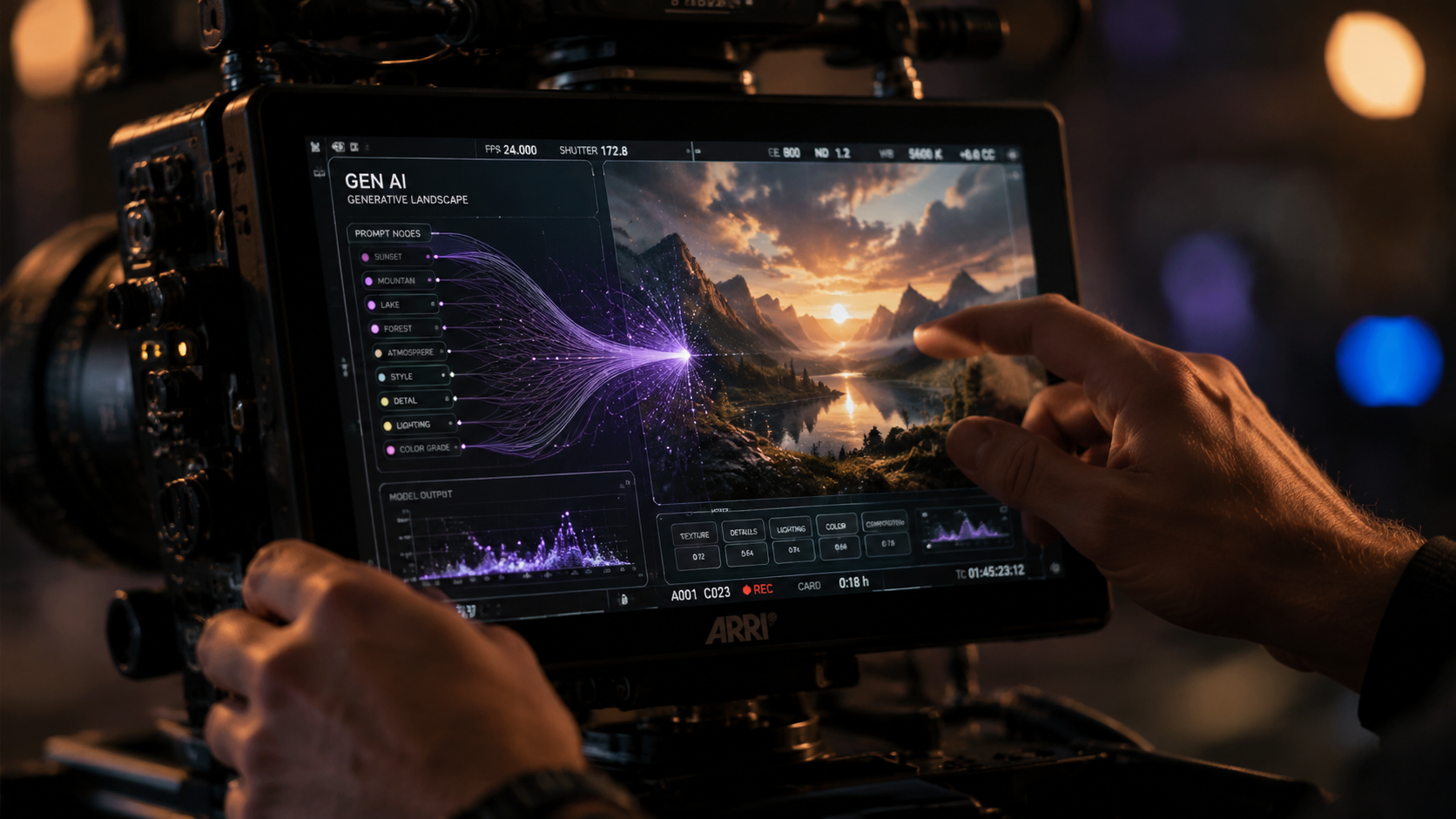
The release of Seedance 2.0 in February 2026 marked a pivotal moment in the history of digital cinema. According to The Guardian, the release of this new generator "spooked Hollywood" due to its ability to render human emotions and complex physics with near-perfect accuracy. While earlier versions of AI struggled with "hallucinations" and distorted limbs, Seedance 2.0 introduced a proprietary spatial-temporal engine that treats video as a continuous 3D environment rather than a series of 2D frames.
However, this technological leap has not been without controversy. No Film School recently reported that while Seedance 2.0 brings "phenomenal AI video," it also raises a "ton of red flags" regarding the transparency of its training data and the potential displacement of traditional VFX artists. For filmmakers, this means balancing the incredible efficiency of the tool with the ethical implications of its use in commercial projects. Despite these concerns, the tool's ability to generate a 60-second continuous shot with consistent lighting has made it an essential asset for indie directors looking to achieve "Big Studio" production values on a fraction of the budget.
Seedance 2.0 Key Features for Directors
Seedance 2.0 offers a "Director Mode" which allows for precise keyframing of camera paths. Unlike previous generators that relied solely on text, this version permits users to draw the camera movement on a 3D grid, ensuring the AI-generated world adheres to the laws of cinematography. This level of control is why many experts consider it one of the top ai video generators for filmmakers seeking professional-grade output in 2026.
Comparing the Top AI Video Generators for Filmmakers (2026)
Choosing the right tool depends heavily on your specific needs, whether you are producing a feature film, a music video, or an experimental short. The market in 2026 is segmented between "high-end cinematic" tools and "creative experimental" platforms. According to Ventureburn, the ranking of these tools often fluctuates based on their latest model updates and the "naturalness" of their motion synthesis.
| Tool Name | Primary Strength | Max Resolution | Best For |
|---|---|---|---|
| Seedance 2.0 | Hyper-realistic Physics | 8K (Upscaled) | Feature Films & VFX |
| Runway Gen-4 | Multi-Motion Brush | 4K | Commercials & Short Films |
| Sora Ultra | Long-form Narrative | 4K | Storyboarding & Indie Features |
| Luma Dream Machine v3 | Rapid Prototyping | 2K | Social Media & Pre-viz |
| Kling AI Pro | Character Consistency | 4K | Animation & Music Videos |
Revolutionizing Indie Production and Music Videos
The barrier to entry for high-quality visual storytelling has effectively collapsed. The AI Journal notes that AI video generators are "revolutionizing the film industry" by allowing small teams to produce visuals that previously required a crew of fifty. This is particularly evident in the music industry. In a recent study by NoHo Arts District, researchers tested five different AI music video generators and found that indie musicians can now produce professional-grade visuals for under $500, a task that used to cost upwards of $10,000.
For indie filmmakers, these tools act as a "force multiplier." Instead of spending months in post-production trying to fix a shot, a filmmaker can use an AI generator to "re-shoot" a scene digitally. This capability has led to a surge in experimental cinema where the boundaries between reality and AI-generated imagery are blurred, creating a new genre of "Neural Cinema" that is gaining traction at international film festivals in 2026.
The Rise of AI Music Video Generators
Music video directors are utilizing the top ai video generators for filmmakers to create surreal, dream-like sequences that would be impossible to capture with a physical camera. Tools like Seedance and Runway allow for seamless transitions between abstract art and photorealistic environments, perfectly syncing visual pulses to the rhythm of the audio track. This synergy between sound and AI-generated light is defining the aesthetic of the mid-2020s.
Technical Challenges and the Future of AI Cinematography
Despite the rapid advancements, filmmakers must still navigate technical hurdles such as "bitrate compression" and "motion blur artifacts." While eWeek highlights five video generators that will "blow your mind in 2026," they also caution that the hardware requirements for local rendering are skyrocketing. Most professional filmmakers are now opting for cloud-based GPU clusters to handle the immense computational load required for 8K AI video synthesis.
Looking toward the end of 2026 and into 2027, the focus is shifting toward "Interactive Generative Video." This technology will allow directors to step into a VR environment and direct AI actors in real-time. As these top ai video generators for filmmakers continue to evolve, the emphasis will move away from "how" the video is made and back to "what" story is being told. The democratization of these tools means that the quality of the idea is once again the most valuable currency in Hollywood.
Addressing the "Red Flags" in AI Video
As mentioned by No Film School, the "red flags" surrounding Seedance 2.0 and its peers involve the potential for deepfakes and the infringement of actor likenesses. Professional filmmakers are encouraged to use "Ethical AI" platforms that have transparent licensing agreements with performers and artists. Ensuring that your AI-generated film is eligible for copyright protection requires a clear "human-in-the-loop" creative process, which is becoming a standard requirement for distribution on major streaming platforms.
What is the best AI video generator for professional filmmakers in 2026?
Seedance 2.0 is currently considered the top choice due to its superior physics engine and temporal consistency. It allows for high-resolution output that integrates seamlessly with professional VFX pipelines.
Can AI video generators create a full-length feature film?
While AI can generate individual scenes and sequences, creating a cohesive 90-minute film still requires significant human intervention for editing, pacing, and narrative structure. However, in 2026, many indie films are using AI for up to 70% of their visual content.
Are AI-generated videos copyrightable?
Copyright laws in 2026 generally require "significant human creative input." Filmmakers must document their prompting, editing, and directorial choices to secure copyright for works that utilize AI-generated elements.
How much does it cost to use top-tier AI video generators?
Professional subscriptions for tools like Seedance or Runway Gen-4 typically range from $99 to $499 per month, depending on the rendering power and resolution requirements of the production.
Will AI video generators replace cinematographers?
Experts believe AI will not replace cinematographers but will instead become a new tool in their kit. The role is evolving into "AI Prompt Director" or "Virtual Cinematographer," focusing on lighting, composition, and mood within the digital space.



Comments ()