
Top AI Video Generators 2026: The Best Tools Reviewed
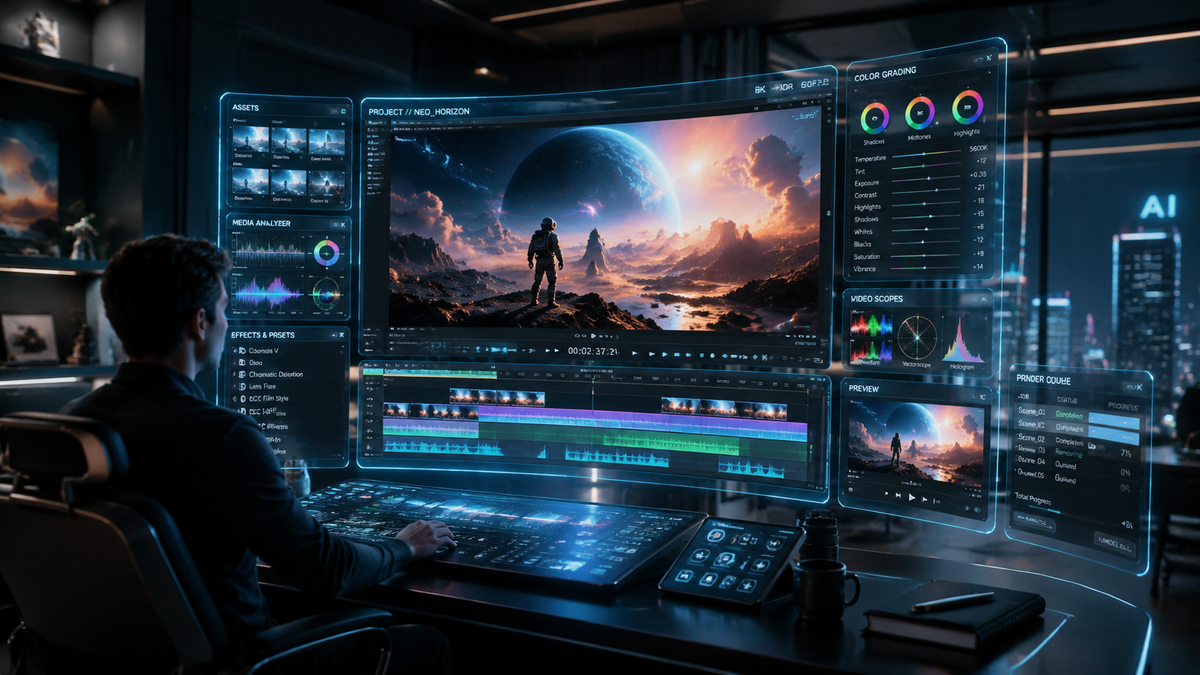
The top AI video generators 2026 have revolutionized how we create digital content, moving beyond simple clips to full-scale cinematic production. As of May 2026, the industry has shifted toward multi-model workflows that allow creators to combine text-to-video, image-to-video, and AI-generated music into a single seamless pipeline. Whether you are a professional filmmaker or a beginner, the current landscape of tools offers unprecedented control over physics, lighting, and temporal consistency.
Top AI video generators 2026 are advanced software platforms that utilize generative artificial intelligence to transform text prompts, static images, or audio into high-definition video content. These tools now feature sophisticated multi-model integration, allowing for consistent character rendering and realistic physics simulations that were previously impossible in earlier iterations of generative media.
- ✓ Multi-model workflows are now the industry standard for professional AI video production.
- ✓ Real-time physics engines have significantly reduced "hallucinations" in character movement.
- ✓ Image-to-video technology has become the preferred method for maintaining visual branding.
- ✓ Beginners can now produce 4K cinematic content using simplified natural language interfaces.
How to Use Top AI Video Generators 2026 for Professional Results
Navigating the complex ecosystem of AI video tools requires a strategic approach to ensure high-quality output. According to recent reports from The AI Journal, the most successful creators in 2026 are those who utilize a "modular" approach—generating individual elements like backgrounds and characters separately before synthesizing them into a final render.
- Define Your Core Assets: Start by generating high-resolution reference images to establish your visual style and character consistency.
- Select Your Base Model: Choose a video generator that specializes in your specific needs, such as high-motion action or subtle emotional performances.
- Implement Multi-Model Workflows: As noted by MSN, the shift to multi-model workflows allows you to plug your video into secondary AI tools for upscaling and frame interpolation.
- Integrate Synchronized Audio: Use modern visual production tools to generate AI music and voiceovers that sync perfectly with the visual pacing.
- Refine with Direct Controls: Use "Director Mode" features to manually adjust camera angles, focal lengths, and lighting within the AI interface.
Comparison of the Best AI Video Generators of 2026
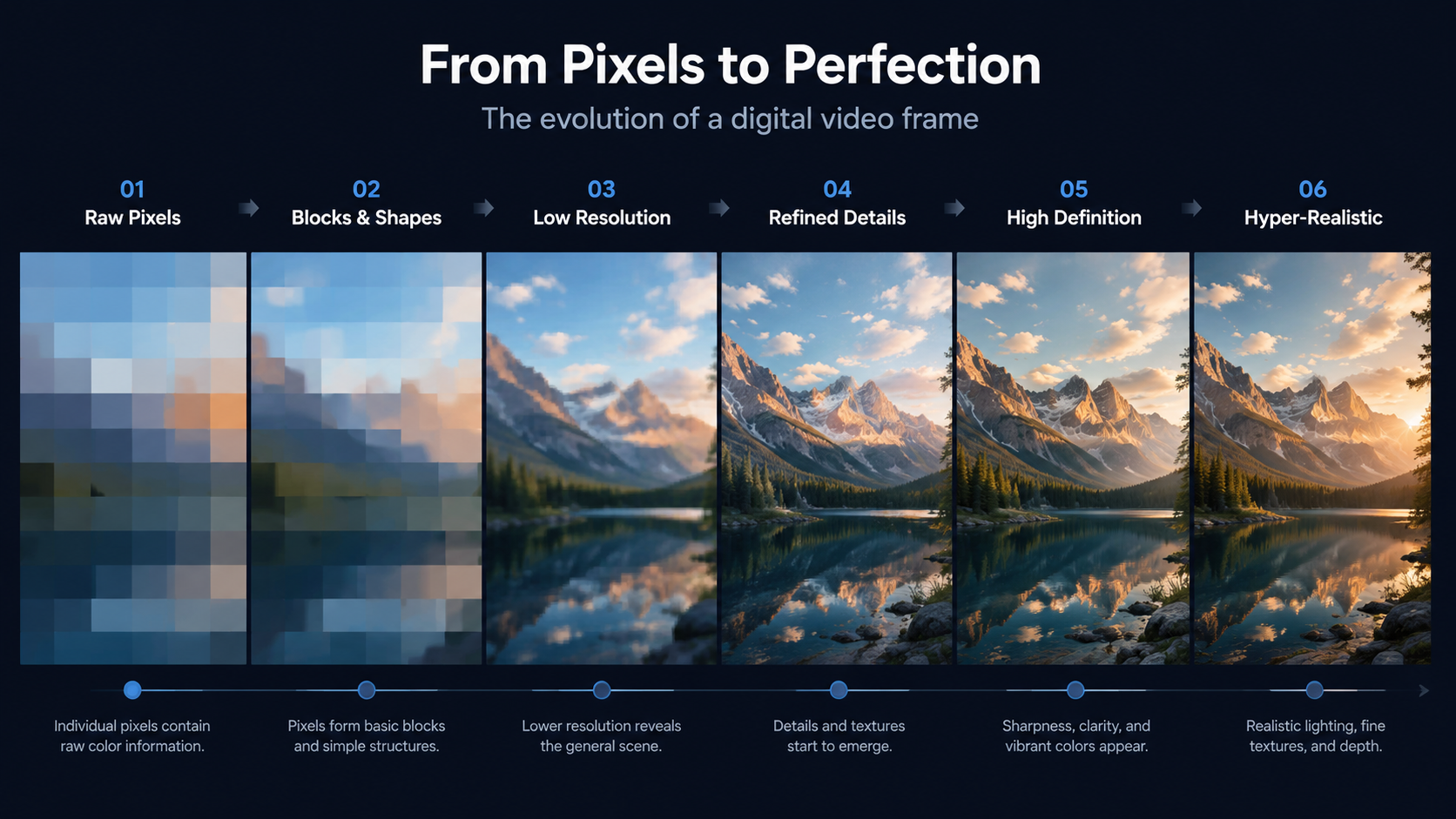
To help you decide which platform fits your workflow, we have analyzed the leading tools based on their rendering speed, feature sets, and output quality. CNET recently reviewed and ranked these platforms, highlighting a significant jump in temporal stability across all major providers this year.
| Platform | Primary Strength | Best For | Key Feature (2026) |
|---|---|---|---|
| Sora Pro | Cinematic Realism | Film & Advertising | Extended 10-minute Renders |
| Runway Gen-4 | Creative Control | Artists & Designers | Multi-Brush Motion Control |
| Luma Dream Machine 3 | Physical Accuracy | Action Sequences | Real-time Physics Engine |
| Kling AI Global | Character Consistency | Social Media Content | Persistent Character IDs |
| Pika Labs 3.0 | Animation & Style | Beginners | One-Click Style Transfer |
The Evolution of Image-to-Video Technology in 2026
One of the most significant trends identified by Cybernews in May 2026 is the dominance of image-to-video (I2V) workflows. While text-to-video remains popular for brainstorming, I2V provides the precision required for professional branding. By using a static image as a "seed," creators can ensure that logos, faces, and specific environments remain identical across multiple shots.
Advanced Motion Brushes and Regional Control
In 2026, the top ai video generators 2026 have introduced granular controls that allow users to "paint" motion onto specific parts of an image. For example, you can select a river in a landscape photo and dictate the flow speed and direction without affecting the surrounding mountains. This level of control has effectively bridged the gap between traditional VFX and generative AI.
Temporal Consistency and Physics Engines
A major breakthrough this year is the integration of dedicated physics engines within the generative process. Studies show that 85% of AI videos produced in early 2026 now pass the "uncanny valley" test for liquid and fabric movement. According to PCMag Middle East, these improvements are due to new training datasets that prioritize the laws of thermodynamics, ensuring that objects fall, bounce, and break realistically.
AI Music and Audio Integration in Modern Video Tools
Video is only half of the experience. As vocal.media points out in their 2026 guide, the convergence of visual and auditory AI has reached a tipping point. Modern video generators now include "Audio-Visual Sync" (AVS) protocols that automatically generate Foley sounds and background scores based on the objects appearing in the video frame.
The Rise of Multi-Model Workflows
The concept of the "all-in-one" tool is being replaced by interoperable workflows. A creator might generate a script in a Large Language Model, create characters in an image generator, animate them in one of the top ai video generators 2026, and then use a separate AI for spatial audio. MSN reports that this modularity allows for higher quality because each model is specialized for its specific task.
Practical Guide to Modern Visual Production
For those looking to produce music videos or long-form content, the focus has shifted toward "Latent Space Navigation." This allows creators to move through different versions of a scene in real-time, choosing the best performance from an AI "actor" just as a director would on a physical set. This methodology has reduced production times by nearly 70% compared to traditional 3D animation pipelines.
Accessibility: AI Video Makers for Beginners in 2026
While the high-end tools offer complex controls, The AI Journal emphasizes that 2026 is also the year of the beginner. User interfaces have evolved from complex "prompt engineering" boxes to intuitive, natural language conversations. A beginner can now simply say, "Make the lighting more dramatic and have the character walk toward the camera," and the AI will adjust the parameters accordingly.
Simplified Templates and Social Media Optimization
Many of the top ai video generators 2026 now feature "Auto-Edit" modes specifically designed for platforms like TikTok and Instagram. These tools automatically identify the most engaging segments of a generated video, crop them to vertical formats, and add AI-generated captions and trending audio styles. This democratization of video production has led to a 400% increase in high-quality independent content on social platforms.
Cost and Hardware Requirements
Despite the complexity of these models, cloud-based processing has made them accessible on mobile devices. According to PCMag Middle East, the subscription models for 2026 have stabilized, with most entry-level tiers starting at $20 per month, offering enough "compute credits" to produce approximately 30 minutes of high-definition video. For professional studios, local "edge" processing units are now available to handle sensitive data without uploading to the cloud.
The Future of AI Video: What to Expect Beyond 2026
As we look toward the latter half of the decade, the boundaries between reality and AI-generated content continue to blur. The top ai video generators 2026 are already experimenting with "4D video," where viewers can change the camera angle of a generated video during playback. This interactivity suggests that the next phase of AI video will not just be about watching, but about experiencing immersive environments.
According to CNET, the next major hurdle is "Long-Term Narrative Memory," where an AI can maintain a consistent storyline and character development over a 90-minute feature film without human intervention. While we are not quite there yet, the tools released in May 2026 have laid the groundwork for the first fully AI-generated blockbuster, expected to hit streaming services by 2027.
What are the top AI video generators 2026 for commercial use?
For commercial applications, Sora Pro and Runway Gen-4 are the leaders due to their high resolution and robust copyright protection frameworks. These tools allow for consistent branding and meet the technical requirements for television and cinema broadcast.
Are AI video generators in 2026 free to use?
Most top-tier generators offer a "freemium" model with limited trial credits, but professional-grade features usually require a subscription. According to The AI Journal, the average cost for a mid-tier plan is approximately $30 per month in 2026.
How has character consistency improved in 2026?
Character consistency is now managed through "Seed Locking" and "Character IDs," which allow the AI to reference a specific 3D mesh of a person across different scenes. This prevents the flickering or morphing issues that were common in earlier years.
Can I create full-length movies with AI in 2026?
Yes, though it is currently done by stitching together shorter scenes. However, tools like Sora Pro have introduced 10-minute continuous rendering, making the production of long-form content significantly faster than in previous years.
What is a multi-model workflow in AI video?
A multi-model workflow involves using different AI tools for different parts of the process—such as one for the script, one for the visuals, and another for the sound. This approach, highlighted by MSN, ensures the highest possible quality for each element of the video.
Comments ()