
Top AI Video Editing Features in 2026: The Future of Video
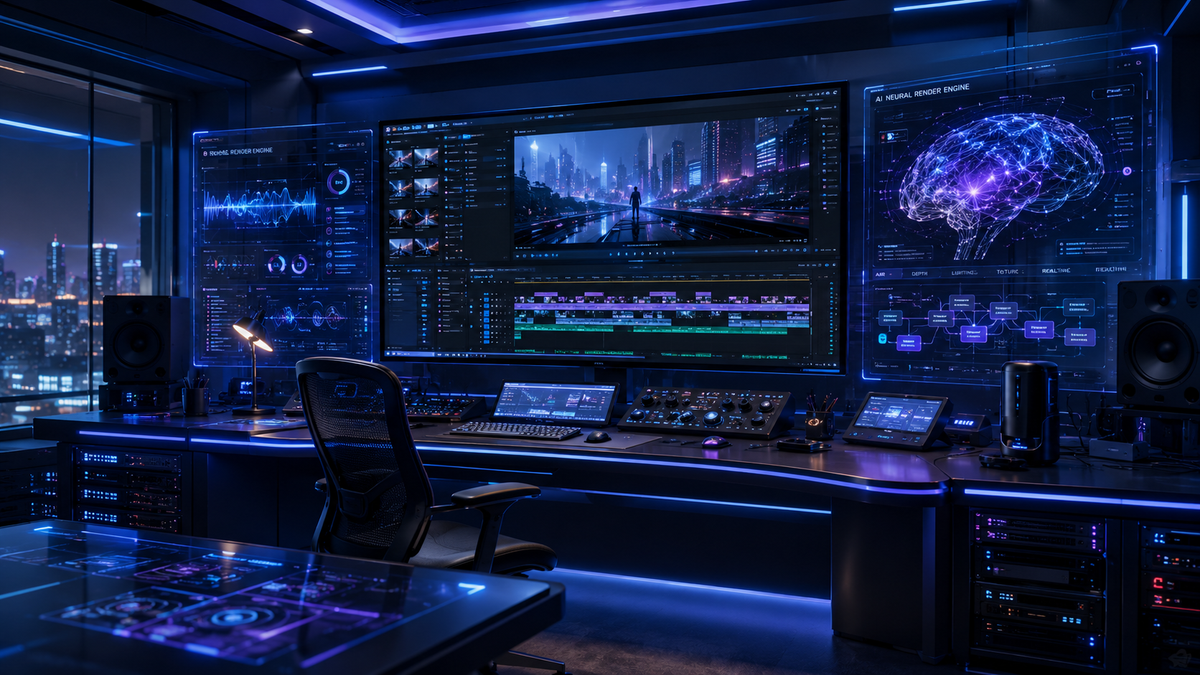
The top AI video editing features in 2026 represent a monumental shift toward automated creativity, where generative intelligence handles complex tasks like scene reconstruction, real-time linguistic translation, and dynamic background manipulation. As the industry evolves, the top ai video editing features in 2026 prioritize efficiency, allowing creators to transform raw footage into polished, professional content with minimal manual intervention.
Top AI video editing features in 2026 are advanced generative tools that automate high-level production tasks. These include AI-driven background removal, real-time video translation with lip-syncing, automated scene editing, and intelligent color grading, all designed to streamline the post-production workflow for professional and amateur creators alike.
- ✓ AI Background Removers now offer pixel-perfect isolation even in complex lighting environments.
- ✓ Real-time video translation tools allow for global content distribution with perfect audio-visual synchronization.
- ✓ Automated scene editors utilize predictive algorithms to suggest the best cuts based on narrative flow.
- ✓ Generative image and video integration allows for the seamless insertion of AI-generated assets into live-action footage.
The Evolution of Automated Post-Production
As we navigate through 2026, the landscape of digital storytelling has been fundamentally altered by the integration of generative AI. According to TechRadar, which recently evaluated over 70 AI tools this year, the focus has shifted from simple filters to "deep-edit" capabilities. These features allow editors to manipulate the very fabric of the video frame, adjusting lighting, weather conditions, and even the physical movements of subjects after the shoot has concluded. This level of control was previously reserved for high-budget Hollywood VFX houses, but it is now accessible via standard desktop and mobile applications.
The democratization of these tools means that the barrier to entry for high-quality video production has never been lower. Software suites reviewed by PCMag in May 2026 highlight that the primary differentiator between modern editing platforms is no longer their manual toolset, but the sophistication of their neural engines. These engines can now "understand" the context of a scene, identifying the emotional weight of a shot and suggesting edits that align with the desired pacing of the video. This contextual awareness is a cornerstone of the top ai video editing features in 2026.
Step-by-Step: Utilizing Modern AI Editing Workflows
- Ingest and Analyze: Upload your raw footage into an AI-enabled editor to let the system index metadata, identify speakers, and tag key visual elements.
- Apply Generative Backgrounds: Use tools highlighted by High On Films to swap or enhance backgrounds without the need for a green screen.
- Execute Global Translation: Select from the top 8 AI translation tools to localize your dialogue while maintaining the original speaker's voice and lip movements.
- Automated Rough Cut: Trigger the "Narrative Flow" feature to generate a chronological sequence based on your script or storyboard.
- Final Polish: Use AI color matching to ensure visual consistency across different cameras and lighting setups.
Deep Dive into Top AI Video Editing Features in 2026
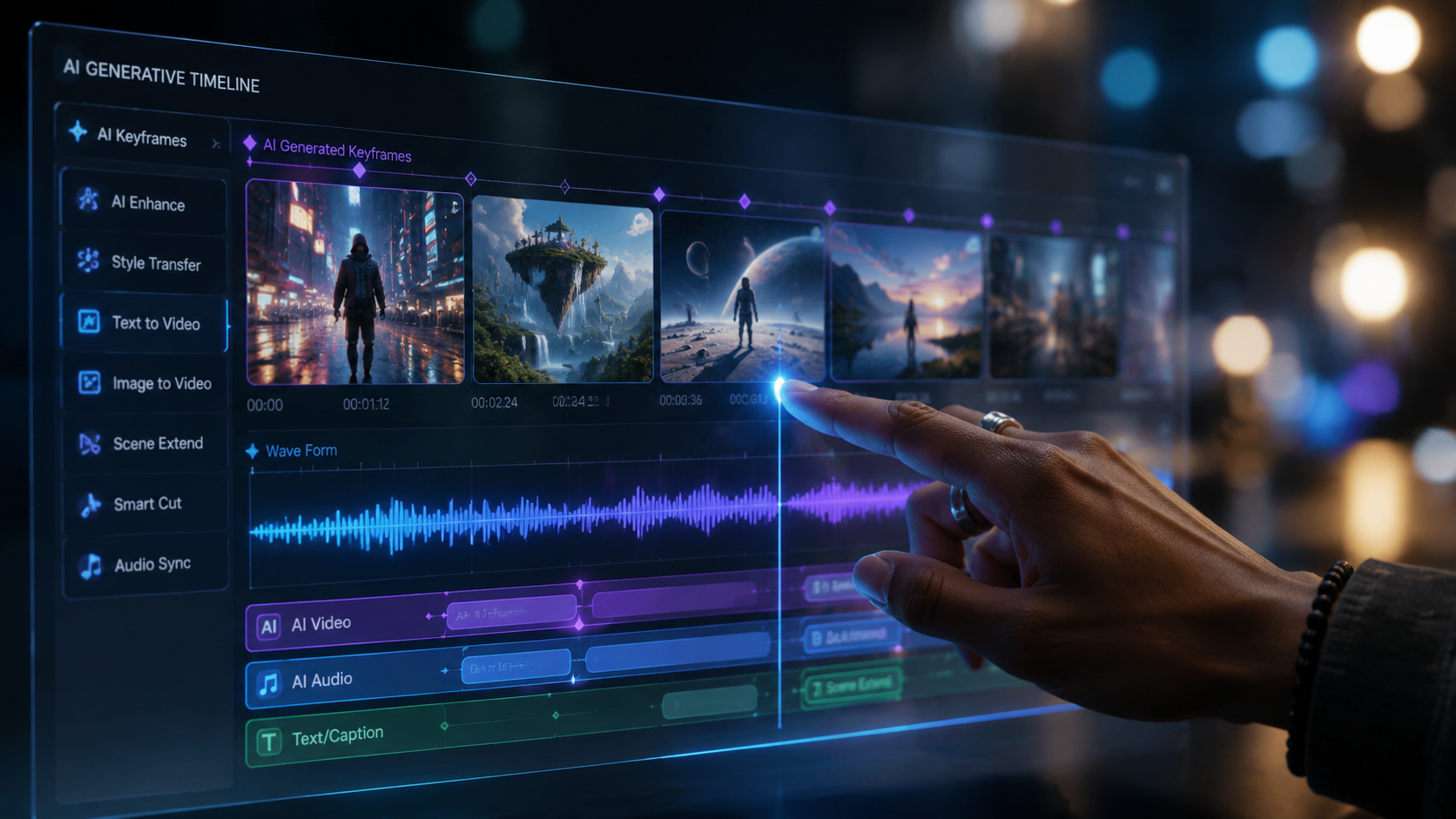
One of the most significant advancements this year is the rise of AI Video Background Removers and Scene Editors. As noted by High On Films in May 2026, these tools have moved beyond simple masking. Modern background removers use "Temporal Consistency Algorithms" to ensure that the edges of a subject remain sharp and flicker-free across every frame, even during rapid movement. This allows creators to place subjects in entirely digital environments that are indistinguishable from reality, a feature that has become a staple for remote content creators.
Furthermore, scene editors now possess the ability to perform "Object-Aware Deletion." If an unwanted person or object appears in the background of a perfect take, the AI can remove the distraction and fill the void with generative textures that match the surrounding environment perfectly. This feature alone has saved thousands of hours in reshoots and manual rotoscoping, solidifying its place among the most sought-after capabilities in the current editing ecosystem.
Comparison of Leading AI Video Technologies in 2026
| Feature Category | Primary Function | Key Benefit in 2026 |
|---|---|---|
| Background Removal | Neural Masking | Eliminates the need for physical green screens with 99.9% accuracy. |
| AI Translation | Voice & Lip Sync | Localizes content into 50+ languages while maintaining the original actor's tone. |
| Generative Fill | Scene Reconstruction | Adds or removes objects from moving footage seamlessly. |
| Automated Culling | Smart Trimming | Identifies "dead air" and mistakes to create an instant rough cut. |
Global Reach through AI Video Translation Tools
In 2026, content is no longer bound by language barriers. Technology Org recently published an extensive report on the "Best 8 AI Video Translation Tools," emphasizing that quality and real-world performance have reached a tipping point. These tools don't just provide subtitles; they utilize "Neural Voice Cloning" and "Visual Lip Resynthesis" to make it appear as though the speaker is fluently speaking the target language. This is a critical development for educational content, corporate training, and international marketing.
According to research from Technology Org, the top-performing translation tools in 2026 can process a 10-minute video in under three minutes, providing a fully localized version that retains the emotional nuance of the original performance. This speed and accuracy have made AI translation one of the top ai video editing features in 2026 for creators looking to scale their audience globally without the massive overhead of traditional dubbing studios.
The Integration of Generative Assets
The boundary between "editing" and "creation" has blurred significantly. With the latest updates to AI Image Generators as reported by CNET in May 2026, editors can now generate b-roll, textures, and even entire digital sets directly within their video timeline. If a creator needs a shot of a futuristic cityscape to bridge two scenes, they can simply type a prompt, and the AI generates a high-resolution, motion-compatible asset that matches the lighting of the project.
This integration extends to sound design as well. Creative Bloq notes that the best video editing apps now include "Generative Soundscapes," where the AI analyzes the visual content of a clip and automatically layers in appropriate ambient noise, foley, and even a procedurally generated musical score. This holistic approach to editing ensures that the visual and auditory elements are perfectly synced, providing a more immersive experience for the viewer.
Emerging Standards in AI User Interfaces
The way editors interact with software has also undergone a revolution. Natural Language Processing (NLP) allows editors to give verbal or typed commands to their workstations. Instead of hunting through menus for a specific transition, an editor can simply say, "Apply a cinematic cross-dissolve and match the color grade to the previous clip." This conversational interface is a hallmark of the top ai video editing features in 2026, drastically reducing the learning curve for complex software.
Predictive Editing and Narrative Intelligence
Perhaps the most "futuristic" feature available in 2026 is predictive editing. By analyzing thousands of successful videos in a specific genre—be it a YouTube vlog, a cinematic trailer, or a documentary—AI systems can now suggest the "optimal" edit. These systems analyze viewer retention patterns and suggest cuts that are statistically more likely to keep an audience engaged. While some purists argue this diminishes the "soul" of editing, many professionals use these suggestions as a baseline, refining the AI's work to add their unique creative touch.
According to PCMag, the top-rated software of 2026 utilizes "Narrative Intelligence" to identify the protagonist in a series of clips and automatically track their arc, ensuring that the most impactful shots are prioritized. This feature is particularly useful for reality TV and documentary filmmakers who often deal with hundreds of hours of footage. The AI acts as a digital assistant editor, surfacing the most relevant moments and organizing them into a coherent story structure.
What are the top AI video editing features in 2026?
The leading features include real-time AI video translation with lip-syncing, advanced background removal without green screens, generative b-roll creation, and automated scene editing based on narrative flow. These tools focus on reducing manual labor while increasing creative possibilities.
Which software is best for AI video editing in 2026?
Based on reviews from PCMag and TechRadar, the "best" software depends on your needs, but top-rated apps now feature integrated generative AI for image and sound, alongside robust automated color grading and object removal tools.
Can AI translate video dialogue accurately in 2026?
Yes, according to Technology Org, the top 8 AI translation tools in 2026 offer high-quality voice cloning and visual lip-syncing, making localized content look and sound natural in over 50 languages.
Is a green screen still necessary for background removal?
No, advancements in AI background removers, as noted by High On Films, allow for professional-grade isolation of subjects in almost any environment, effectively making physical green screens obsolete for most creators.
How does generative AI help in video editing?
Generative AI helps by creating new assets—such as backgrounds, b-roll, or sound effects—directly within the editing timeline, allowing editors to fill gaps in their footage with high-quality, AI-generated content.
In conclusion, the top ai video editing features in 2026 have transformed the editor from a manual technician into a high-level creative director. By leveraging tools for translation, background manipulation, and predictive storytelling, creators can produce world-class content at a fraction of the traditional cost and time. As we look toward the second half of the decade, the synergy between human intuition and machine intelligence will continue to redefine the boundaries of what is possible in the world of video.
Comments ()