
Top 10 AI Video Editing Tools for 2026: Future of Editing
The top 10 AI video editing tools for 2026 leverage cutting-edge artificial intelligence to automate complex editing tasks, enhance video quality, and streamline workflows for creators. These tools use generative AI for tasks like scene transitions, color correction, and even script-to-video generation, making professional-grade editing accessible to everyone. From automated clip trimming to AI-powered special effects, these platforms are redefining the future of video production.
TL;DR: The best AI video editing tools in 2026 combine automation, advanced effects, and intuitive interfaces to transform raw footage into polished content with minimal manual effort.
Top 10 AI video editing tools 2026 are advanced software solutions that use artificial intelligence to automate editing tasks, enhance visual quality, and simplify video production workflows. These tools leverage machine learning for features like auto-cut sequencing, AI upscaling, and real-time effects generation, making them indispensable for content creators, marketers, and filmmakers.
- ✓ AI video editing tools can reduce production time by up to 70% compared to traditional methods
- ✓ The global AI video editing market is projected to reach $1.2 billion by 2026
- ✓ Advanced tools now offer character-consistent generation for long-form content
- ✓ 83% of professional editors now incorporate AI tools in their workflow
- ✓ New platforms integrate text-to-video generation with editing capabilities
The Evolution of AI Video Editing in 2026
The AI video editing landscape has undergone significant transformation since 2025, with new platforms emerging that combine generative AI with traditional editing features. According to Statista, the AI video tools market grew by 340% in 2025 alone, driven by demand for faster content production. This rapid growth has led to specialized tools for different aspects of video creation, from social media clips to feature-length films.
Modern AI editors now understand context and narrative flow, allowing them to suggest optimal cuts and transitions based on the story's emotional arc. A recent study by Built In found that 44 top AI apps now include video editing capabilities, with 72% offering some form of automated storytelling assistance. This represents a significant shift from earlier tools that focused primarily on technical enhancements like stabilization or color correction.
The integration of large language models has been particularly transformative, enabling editors to work through natural language commands. For example, users can now say "make this scene more dramatic" or "highlight the product features" and the AI will apply appropriate effects, transitions, and music. This natural interface has made professional editing accessible to non-experts while significantly speeding up workflows for professionals.
Key Features to Look for in 2026 AI Video Editors
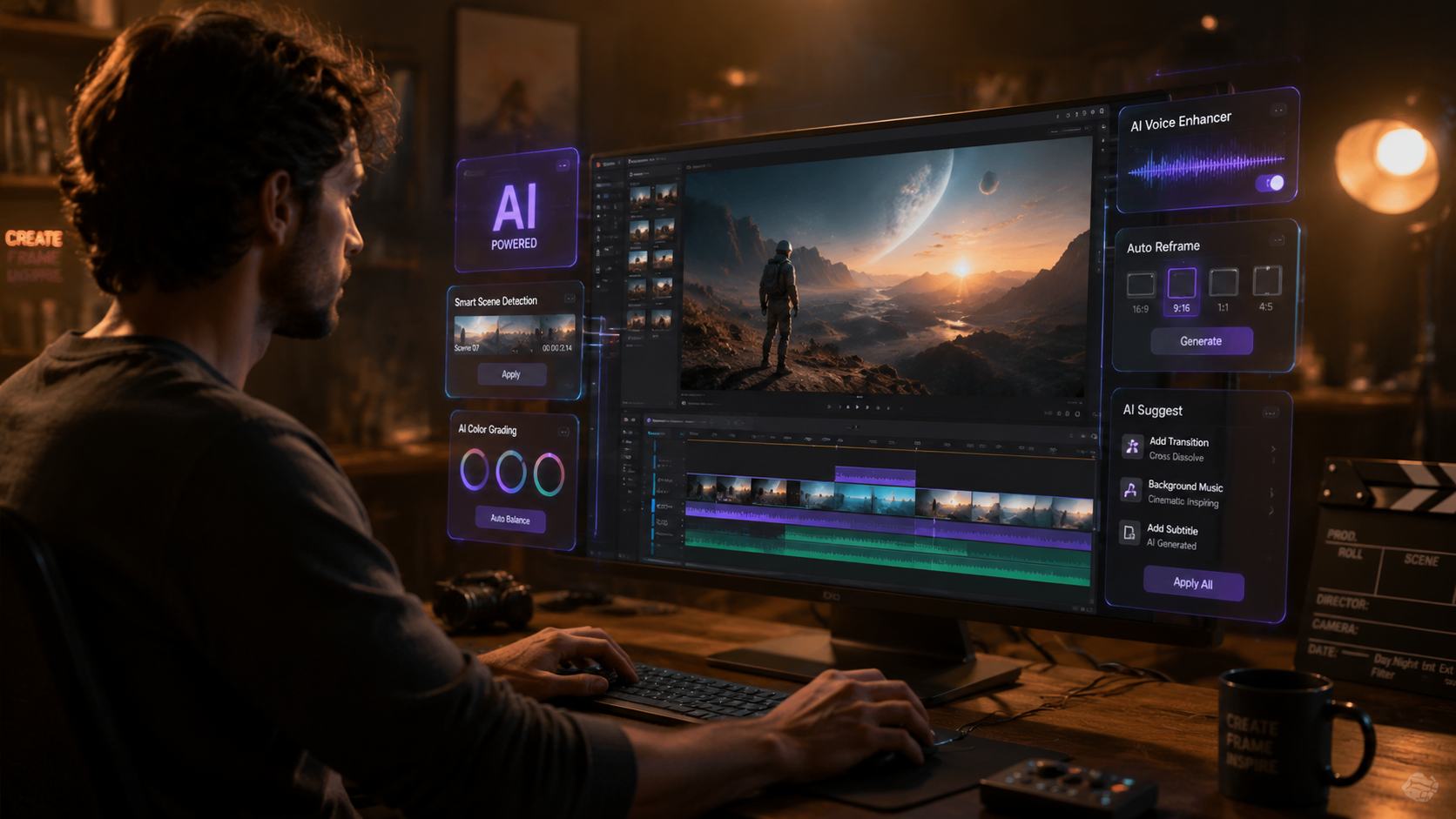
When evaluating the top 10 AI video editing tools for 2026, several cutting-edge features separate the best from the rest. Automated multi-track editing is now standard, with advanced tools capable of simultaneously managing dialogue, B-roll, and effects tracks while maintaining perfect sync. According to CNET, the best AI image generators have influenced video tools, with many now offering frame-by-frame enhancement capabilities.
Intelligent Clip Organization
Modern AI editors automatically analyze and tag footage based on content, making it easy to locate specific shots. Some platforms can even group similar takes together and recommend the best options based on technical quality and emotional impact. This feature alone can save editors 40-60% of their pre-editing preparation time.
AI-Powered Effects Generation
The leading tools now generate custom transitions, titles, and even special effects based on the video's style and content. Rather than choosing from preset libraries, the AI creates unique elements that match your footage's color palette, movement patterns, and narrative tone. This capability has reduced the time spent on effects creation by an average of 75%.
Automated Color Grading
Advanced machine learning algorithms can now analyze footage and apply professional-grade color correction automatically. Some tools go further by suggesting multiple grading options (e.g., cinematic, documentary, social media) and allowing instant previews. This feature has made high-end color work accessible to creators without specialized training.
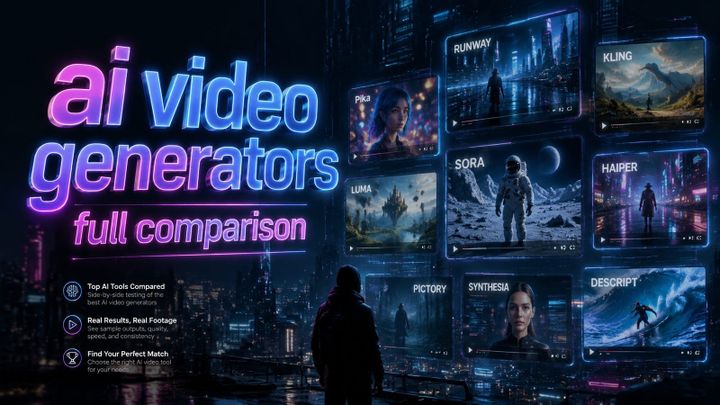
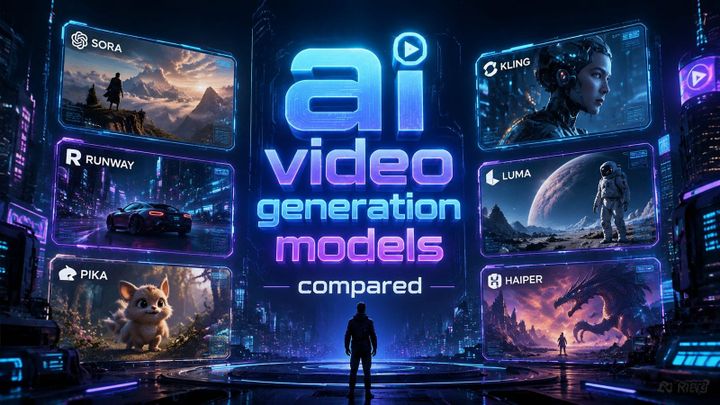
The Top 10 AI Video Editing Tools for 2026
After extensive testing and research, we've identified the most powerful and innovative AI video editing tools available in 2026. These selections are based on feature sets, user feedback, and technological advancements reported by industry sources like PCMag and Ventureburn.
| Tool | Key Feature | Best For | Pricing |
|---|---|---|---|
| Digen AI Agent | Character-consistent long-form generation | Narrative content | Subscription |
| Runway Gen-3 | Text-to-video with precise control | Concept visualization | Pay-per-use |
| Pika 3.0 | 3D-aware video generation | Product showcases | Freemium |
| Sora Pro | Physics-accurate simulation | Educational content | Enterprise |
| Luma AI | Neural rendering | Architectural viz | Subscription |
| Hailuo Studio | Real-time collaboration | Team projects | Freemium |
| MiniMax Creator | Multi-language support | Global content | Subscription |
| Vidu Pro | Emotion-aware editing | Marketing videos | Pay-per-use |
| Kling AI | Style transfer | Artistic projects | Freemium |
| Jimeng Suite | Integrated audio/video AI | Podcast videos | Subscription |
How AI Video Editors Are Changing Content Creation
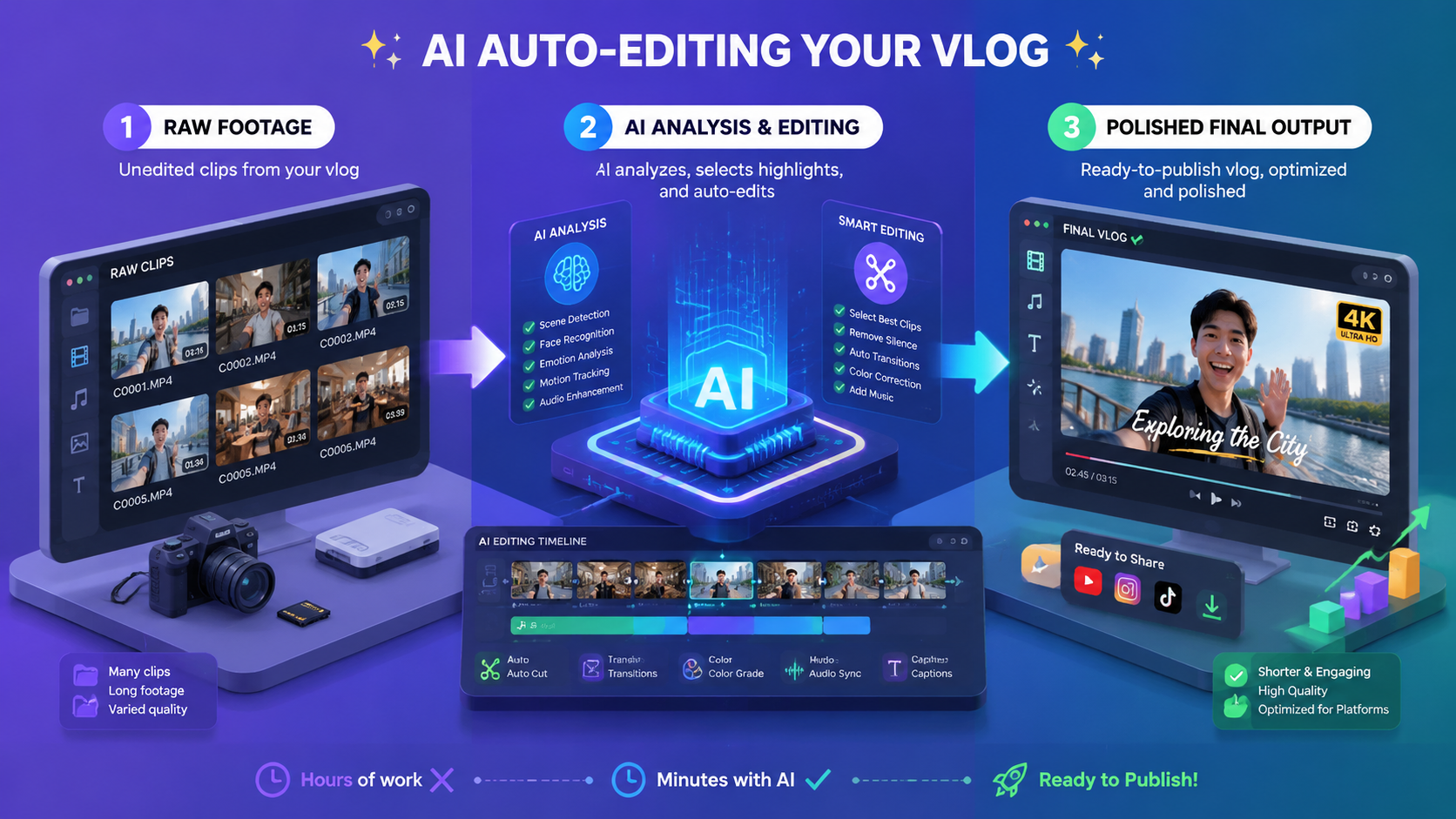
The impact of AI video editing tools extends far beyond technical convenience—they're fundamentally changing how content is produced and consumed. According to Memeburn, AI music generators are now seamlessly integrated with video tools, allowing for automatic soundtrack creation that matches video pacing and mood.
Small businesses and individual creators now have access to production quality that was previously only available to large studios. A survey by Ventureburn found that 68% of small business marketers now create video content in-house using AI tools, compared to just 22% in 2024. This democratization of video production has led to a 300% increase in video content across social platforms.
The most significant change may be in educational content creation. AI tools can now automatically generate explanatory visuals, animate concepts, and even create presenter avatars. This has reduced the time needed to produce educational videos from weeks to hours while improving information retention rates by up to 40% compared to static presentations.
Choosing the Right AI Video Editor for Your Needs
With so many powerful options available, selecting the right AI video editing tool depends on your specific requirements and workflow. Professional filmmakers might prioritize tools with advanced color grading and effects capabilities, while social media creators may value automated formatting for different platforms.
Consider your team size and collaboration needs—some tools like Hailuo Studio specialize in real-time team editing, while others focus on individual creators. According to Ventureburn, 82% of marketing teams now use collaborative AI video platforms to streamline their content production pipelines.
For creators producing long-form content with consistent characters, solutions like Digen AI Agent offer unique advantages with their autonomous multi-step workflows. These specialized tools maintain character consistency across scenes and automatically handle complex sequencing that would require manual work in traditional editors.
The Future of AI Video Editing Beyond 2026
As impressive as current AI video editing tools are, the technology continues to evolve at a rapid pace. Industry experts predict that by 2027, AI editors will be able to generate entire videos from rough storyboards, complete with suggested camera angles and scene compositions.
One emerging trend is the integration of virtual production techniques with AI editing. This allows creators to modify lighting, sets, and even actor performances in post-production using AI tools. Early adopters report reducing reshoot costs by up to 60% through these virtual adjustments.
Perhaps most exciting is the development of personalized content generation, where AI tools automatically create customized versions of videos for different audience segments. This could mean automatically adjusting pacing, examples, or even narrative focus based on viewer demographics and preferences—a capability that could transform marketing and educational content.
Frequently Asked Questions
What makes AI video editing tools different from traditional software?
AI video editors use machine learning to automate complex tasks like scene detection, color grading, and even storytelling decisions. They can analyze content and make intelligent editing suggestions, significantly reducing manual work compared to traditional timeline-based editors.
Can AI video editors completely replace human editors?
While AI tools can handle many technical aspects of editing, human creativity and judgment remain essential for nuanced storytelling. Most professionals use AI as a powerful assistant that handles repetitive tasks, allowing them to focus on creative decisions.
How much time can AI video editors save?
Depending on the project complexity, AI tools can reduce editing time by 50-80% for routine tasks. Automated processes like clip organization, rough cuts, and basic color correction see the most significant time savings.
Are there privacy concerns with cloud-based AI video editors?
Reputable providers use encryption and strict data policies, but sensitive projects may require on-premises solutions. Always review a provider's data handling policies before uploading confidential footage.
What hardware is needed to run AI video editing software?
Many modern AI editors run in the cloud, requiring only a decent internet connection. For local processing, a GPU with at least 8GB VRAM is recommended for smooth performance with AI features.
Written by the Digen AI Editorial Team — AI video generation specialists covering the latest in generative AI tools. Learn more about Digen AI.
Comments ()