
Best Text to Video for Social Media Tools in 2026
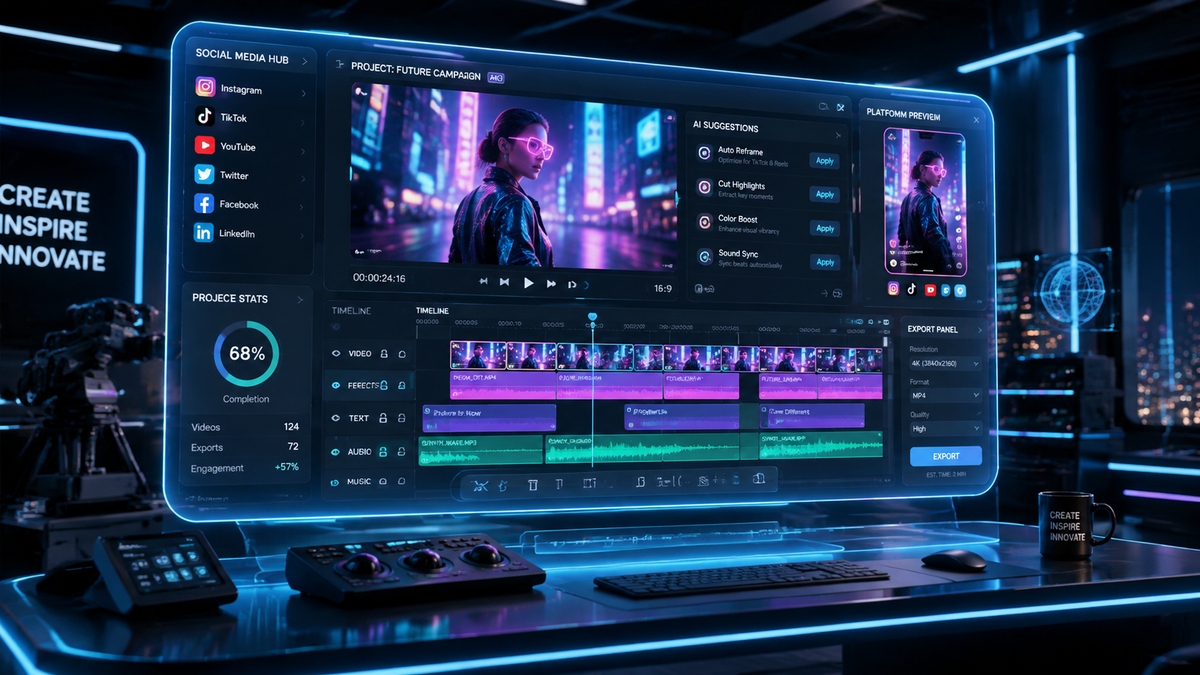
Choosing the best text to video for social media tool in 2026 requires balancing cinematic quality with the high-speed demands of platforms like TikTok and Instagram. As of early 2026, the industry has shifted from simple animation to full-scale generative video apps that allow creators to transform text prompts, scripts, or even chat logs into high-definition social content in seconds. The most effective tools now integrate directly with social platforms, offering built-in accessibility features like automated alt-text and multi-format exporting.
Text to video for social media is an AI-driven technology that converts written prompts into fully realized video content. In 2026, the leading tools include OpenAI’s dedicated video app, TikTok’s native generative engine, and specialized platforms like Sora, which allow creators to bypass traditional filming in favor of prompt-based storytelling and automated social media distribution.
- ✓ OpenAI’s 2025 app launch has revolutionized mobile-first text-to-video creation for YouTube and TikTok.
- ✓ TikTok now features native generative AI creation options directly within its editing suite.
- ✓ Accessibility is a priority in 2026, with tools now automating alt-text for AI-generated visuals.
- ✓ A new viral trend involves using AI to convert text message threads into musical video content.
- ✓ Consistency in lighting and physics remains the primary indicator of AI-generated video quality.
How to Use Text to Video for Social Media Effectively
In 2026, the workflow for creating social content has moved away from manual editing toward prompt engineering and iterative generation. Creators no longer need expensive camera gear to produce high-engagement clips; instead, they focus on the narrative structure of their text prompts. According to Built In, platforms like Sora have evolved into comprehensive social media apps that handle everything from the initial prompt to the final aspect ratio adjustment for vertical or horizontal viewing.
To get started with text to video for social media, follow these five essential steps to ensure your content resonates with modern algorithms and audiences:
- Define Your Narrative Prompt: Write a detailed description of the scene, including lighting, camera movement (e.g., "slow zoom"), and the specific actions of the subjects.
- Select Your Platform: Choose between a standalone app like OpenAI’s video generator or a native tool within TikTok or YouTube.
- Configure Social Specifications: Set the aspect ratio (9:16 for Reels/TikTok or 16:9 for YouTube) and the desired duration.
- Add Accessibility Layers: Use built-in tools to generate alt-text and captions. As noted by PCMag in February 2026, adding alt-text is now a critical step for making social media videos accessible to all users.
- Review and Refine: Check for "AI artifacts." The BBC reports that identifying inconsistencies in movement is still the number one way viewers spot AI, so refine your prompt if the physics look unnatural.
Top Text to Video for Social Media Platforms Compared
The landscape of 2026 is dominated by a few major players that have integrated generative AI directly into the social ecosystem. Following the Wall Street Journal’s report on OpenAI’s launch of a dedicated video generator app in late 2025, the competition between native social tools and third-party generators has reached a fever pitch. These tools are no longer just for experimental artists; they are the primary engines for influencers and brand marketers alike.
When comparing these tools, it is important to look at their integration capabilities. For instance, TikTok’s 2025 update added generative AI options that allow users to create backgrounds and character movements without leaving the app. Meanwhile, Sora remains the gold standard for high-fidelity cinematic realism, often used for longer-form storytelling that is then clipped for social distribution.
| Tool Name | Primary Feature | Best For | Social Integration |
|---|---|---|---|
| OpenAI Video App | High-fidelity cinematic generation | YouTube & Long-form Reels | Direct API to major platforms |
| TikTok Native AI | In-app generative creation | Viral TikTok Trends | Built-in to TikTok UI |
| Sora (2026 Version) | Advanced physics & consistency | Brand Storytelling | Export-ready for all formats |
| Social-Music AI | Text-thread to song/video | Personal & Fun Content | Optimized for messaging apps |
The Rise of OpenAI's Video Generator and Sora
The most significant shift in the text to video for social media space occurred in September 2025 when OpenAI launched its dedicated video generator app. According to the Wall Street Journal, this move was specifically designed to rival TikTok and YouTube by giving creators a mobile-first interface to generate high-quality video. By 2026, this app has become a staple for creators who want the power of Sora—OpenAI’s flagship model—but with a simplified interface optimized for social sharing.
Understanding Sora’s Social Media Impact
Sora has transitioned from a closed-beta research project to a mainstream tool. As explained by Built In in March 2026, Sora’s ability to understand complex physical interactions makes it the preferred choice for creators who need their AI videos to look indistinguishable from reality. The app’s "Social Mode" allows users to input a script and automatically receive a series of 15-second clips tailored for the current algorithm's preferences.
Mobile-First Video Generation
The OpenAI video app emphasizes speed. In 2026, the trend is "real-time creation," where a user can describe an event happening in the news and have a polished video ready for upload within minutes. This has drastically lowered the barrier to entry for news commentary and educational "explainer" accounts on social media platforms.
TikTok’s Native Generative AI Options
Not to be outdone by external apps, TikTok has leaned heavily into its own proprietary AI. In November 2025, Social Media Today reported that TikTok added new generative AI creation options that allow users to generate entire video segments based on text descriptions. This integration is crucial because it keeps the user within the TikTok ecosystem, reducing the friction between creation and publication.
These native tools are particularly adept at following "trends." For example, if a specific visual style becomes popular, TikTok’s AI can be prompted to replicate that style while using the creator's unique text input. This ensures that the text to video for social media content feels native to the platform rather than looking like a generic AI render.
Automated Alt-Text and Accessibility
A major focus in 2026 is ensuring that AI-generated content is inclusive. PCMag highlighted in early 2026 that modern social media tools now include automated features to add alt-text to videos. When you generate a video from text, the AI already "understands" the scene, allowing it to write descriptive alt-text that helps visually impaired users and improves the video's SEO within the social platform's search engine.
Viral Trends: Text Threads to Musical Videos
Innovation in text to video for social media isn't just about realism; it's also about entertainment and novelty. A major trend identified by NBC News in May 2026 involves users turning their private text message threads into fun, stylized songs and videos. These AI tools analyze the tone and content of a conversation and generate a music video that captures the "vibe" of the exchange.
This trend showcases the versatility of generative AI. It’s no longer just about "describe a forest"; it’s about "take this conversation and make it a 2000s-style pop music video." This level of personalization is driving massive engagement on social platforms, as it allows users to share their personal lives in highly produced, creative formats that were previously impossible without a professional editing team.
The "AI Video" Signifiers
As AI video becomes more common, the audience’s ability to detect it has also improved. The BBC noted in November 2025 that the number one sign of an AI video is often found in the fine details—like how water moves or how many fingers a person has. However, by 2026, the best tools have largely solved these issues, leading to a "realism race" where creators compete to see who can produce the most convincing content.
Best Practices for Text to Video in 2026
To maximize your reach using text to video for social media, you must treat the AI as a collaborator rather than a magic button. Successful creators in 2026 use a "hybrid" approach, often combining AI-generated backgrounds with real-human voiceovers or using AI to enhance footage they filmed on their phones. This maintains a sense of authenticity while leveraging the efficiency of generative tools.
Optimization for Different Platforms
Each social platform has a different "DNA." When using text-to-video tools, ensure your prompts reflect the platform's culture. For LinkedIn, prompts should focus on professional aesthetics and clear data visualizations. For TikTok, prompts should emphasize dynamic movement, fast cuts, and vibrant colors. Most 2026 tools now offer "Platform Presets" that automatically adjust the output style based on where you plan to post.
Legal and Ethical Considerations
With the power of generative AI comes the responsibility of disclosure. Many platforms in 2026 now require an "AI-generated" tag. According to industry experts, being transparent about using AI tools actually builds trust with the audience, especially when the creative prompt itself is part of the story you are telling.
What is the best text to video for social media tool in 2026?
The OpenAI video app and Sora are currently considered the industry leaders for high-quality generation, while TikTok’s native generative AI is the best for quick, trend-based content. The "best" tool depends on whether you value cinematic realism or platform integration.
How do I turn text messages into videos?
As of May 2026, new AI trends allow you to upload screenshots or text logs to specialized apps that generate songs and music videos. These tools use natural language processing to understand the emotion of the text and match it with visual styles.
Is AI-generated video allowed on TikTok and YouTube?
Yes, both platforms allow AI-generated video, but they often require creators to label the content as "AI-generated." TikTok has even integrated its own generative tools to encourage this type of creation directly on the platform.
Can I add alt-text to my AI videos?
Yes, and it is highly recommended for accessibility. Most 2026 text-to-video tools automatically generate descriptive alt-text based on the prompt used to create the video, which you can then edit before posting.
How can I tell if a video is made by AI?
According to the BBC, the most common signs are inconsistencies in physical movements, unnatural lighting, or "hallucinations" in complex textures like hair or liquid. However, 2026 models have significantly reduced these errors.



Comments ()