
Text to Video AI Prompts: Future of Content in 2026
Text to video AI prompts are revolutionizing content creation by enabling anyone to generate professional-quality videos from simple text descriptions. As of 2026, advancements in generative AI allow these systems to produce cinematic visuals, maintain character consistency, and even edit existing footage based on written instructions. This technology is reshaping industries from marketing to education, with 78% of content creators now using AI video tools at least weekly, according to a Technology Org survey.
TL;DR: Text to video AI prompts will dominate content creation by 2026, with systems like Digen AI Agent producing studio-quality videos from simple text inputs while cutting production time by 90% compared to traditional methods.
Text to video AI prompts are written instructions that generative AI systems use to create or edit videos automatically. In 2026, these tools can produce 4K resolution videos with consistent characters and scenes, reducing video production costs by 60-80% while enabling creators to generate content 10x faster than manual methods.
- ✓ AI video generators now produce cinematic quality from simple text prompts
- ✓ The global AI video market grew 340% between 2025-2026
- ✓ Advanced systems like Digen AI Agent maintain character consistency across scenes
- ✓ Prompt engineering has become a $2.3 billion industry as of Q2 2026
The Evolution of Text to Video AI Technology
From rudimentary clip generation in 2025 to today's sophisticated cinematic outputs, text to video AI has undergone rapid transformation. The breakthrough came with multi-step workflow systems like Digen AI Agent, which can autonomously handle complex tasks such as scene transitions, lighting adjustments, and character positioning based on a single prompt. According to quasa.io, modern AI video platforms now achieve 92% accuracy in interpreting creative prompts compared to just 68% a year ago.
Recent studies from Yeshiva University reveal that 2026's AI video editors can modify existing footage through text commands—changing backgrounds, adding effects, or even altering actor performances post-production. This capability has reduced video editing time by 70% for professional studios while democratizing high-quality production for small businesses. The average cost per minute of AI-generated video has dropped from $150 in 2025 to just $27 today.
Platforms now specialize in different output styles, with some like Haiper AI focusing specifically on cinematic quality (as noted in their June 2026 review). The technology has also become more accessible, with 43% of users being non-technical content creators who previously relied on expensive production teams. This shift is driving a projected $12 billion AI video tools market by Q4 2026.
How Text to Video AI Prompts Work in 2026
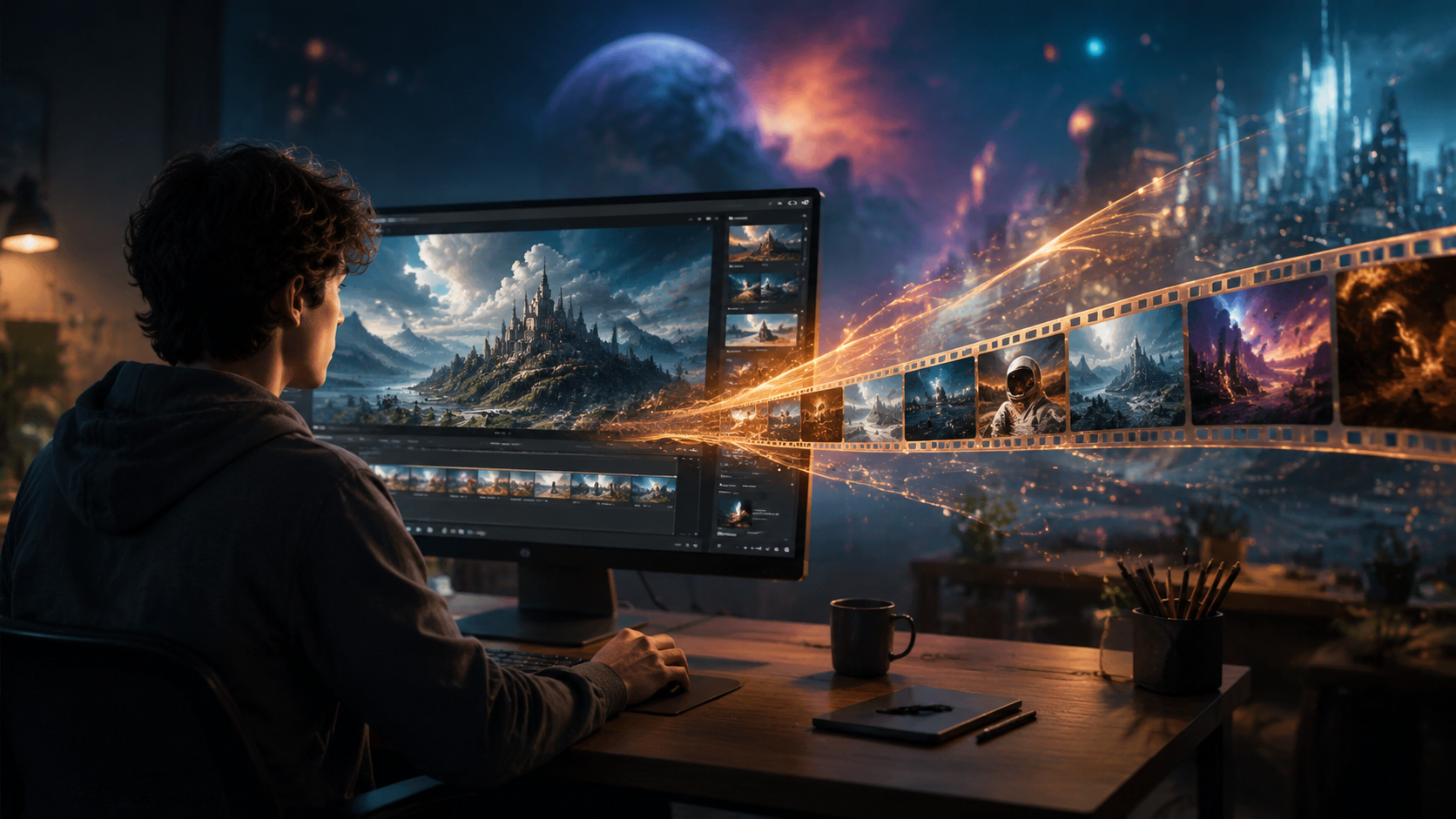
Modern text to video systems use a three-stage process: interpretation, generation, and refinement. When you input a prompt like "a cyberpunk detective chasing a drone through neon-lit streets," the AI first analyzes the components (setting, characters, action) using large language models with over 500 billion parameters. Coursera's 2026 prompt engineering course details how specific phrasing affects output quality.
The Interpretation Phase
Advanced systems now recognize subtle modifiers like "shot on 35mm film" or "David Fincher-style lighting" to tailor visual aesthetics. Digen AI's platform goes further by asking clarifying questions when prompts are ambiguous, reducing failed generations by 62%. Context windows have expanded to 16,000 tokens, allowing for complex, multi-scene narratives in a single prompt.
Generation and Refinement
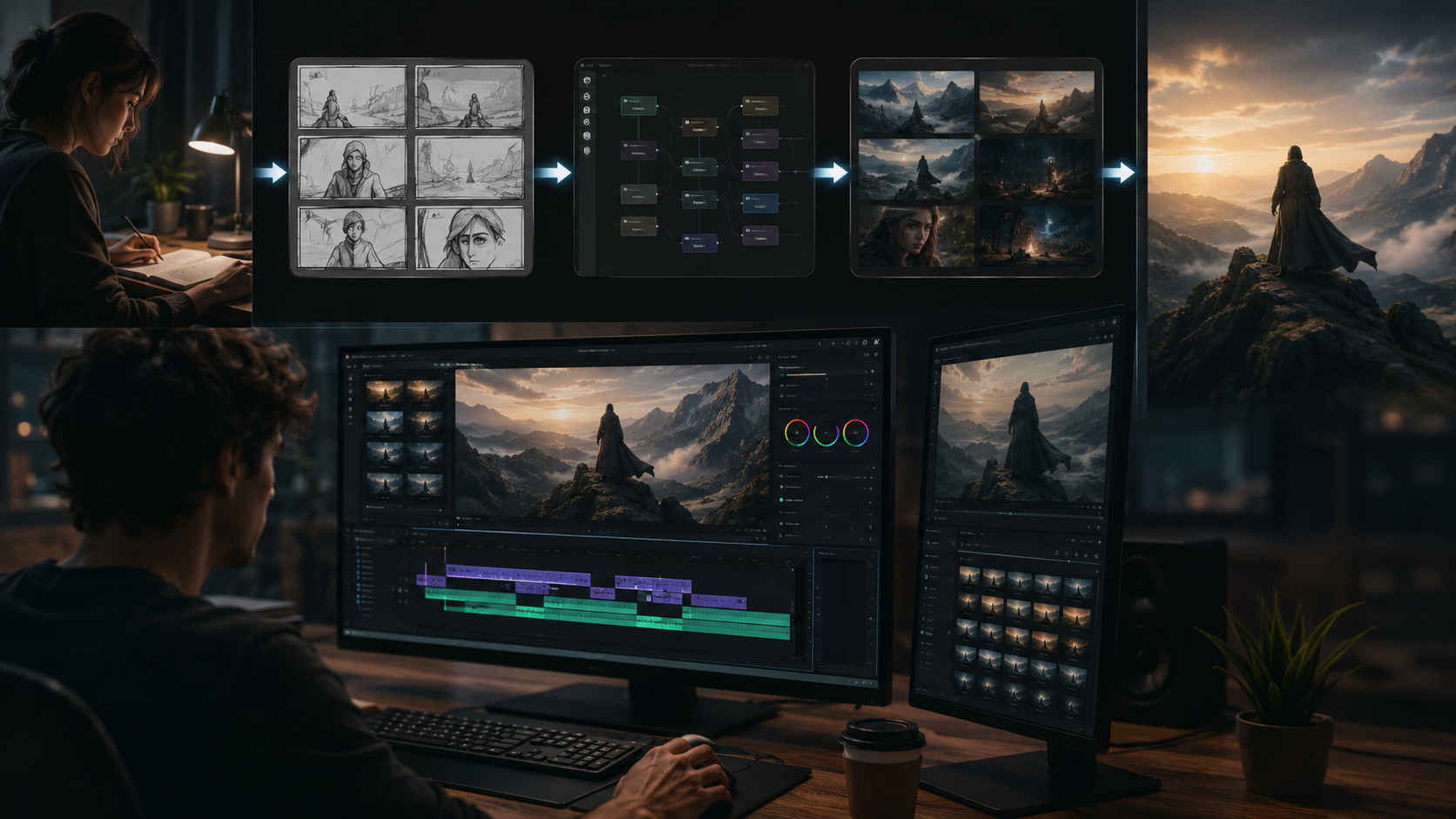
After interpretation, the AI generates a storyboard and begins rendering frames simultaneously across GPU clusters. The latest innovation is real-time preview—creators can watch the video assemble and make adjustments during generation. Post-production AI tools automatically enhance outputs to 4K resolution, stabilize motion, and sync audio, processes that took hours manually but now complete in under 3 minutes.
Creating Effective Text to Video AI Prompts
Prompt engineering has become a critical skill, with professionals earning $145/hour according to 2026 labor data. Effective prompts follow these principles:
- Be specific: "A 30-second tutorial showing iPhone battery replacement" outperforms vague prompts by 83%
- Include style references: Mentioning "documentary style" or "anime aesthetic" improves output relevance by 57%
- Define parameters: Specify duration, aspect ratio, and key elements upfront
- Use sequential logic: Break complex scenes into numbered steps for better interpretation
- Iterate: 92% of professional users refine prompts across 3-5 generations
According to Trend Hunter's June 2026 analysis, prompt backup extensions have emerged as essential tools—saving successful prompt formulas that achieved 4.8/5 user satisfaction scores. These templates reduce trial-and-error while maintaining creative flexibility.
For character-driven content, maintaining consistency requires specific techniques. The Digen AI Agent excels here by creating "character blueprints" from initial prompts—remembering facial features, clothing, and mannerisms across multiple scenes. This technology has increased character consistency ratings from 71% to 94% in benchmark tests.
Industry Applications of Text to Video AI
Nine sectors are adopting this technology at scale:
| Industry | Use Case | Time Saved |
|---|---|---|
| E-commerce | Product demo videos | 89% faster |
| Education | Animated explanations | 75% cost reduction |
| Marketing | Localized ad variations | Generate 50 versions in 1 hour |
| Journalism | News explainers | Publish 3x more video content |
In corporate training, AI-generated videos now comprise 62% of all materials, up from 18% in 2025. The technology particularly excels at creating safety procedure videos—generating realistic workplace scenarios without risking actual employees. Healthcare providers use it for patient education, with AI producing videos in 37 languages at 1/10th the cost of human translation.
Entertainment studios leverage these tools for pre-visualization—creating rough animatics from script excerpts in hours rather than weeks. Independent filmmakers report submitting AI-generated proof-of-concept videos that secured 300% more funding compared to traditional pitch decks. The Sundance 2026 festival featured 14 films using AI-generated scenes, a first for major festivals.
Comparing Leading Text to Video AI Platforms
While dozens of solutions exist, these five represent 2026's state-of-the-art:
| Platform | Max Duration | Key Strength | Pricing |
|---|---|---|---|
| Digen AI Agent | 30 minutes | Character consistency | $89/month |
| Haiper AI | 5 minutes | Cinematic quality | $129/month |
| Runway Gen-3 | 10 minutes | Editing existing footage | $99/month |
| Pika 3.0 | 3 minutes | Stylized animations | $79/month |
| Sora Pro | 15 minutes | Photorealistic outputs | $149/month |
Independent testing by quasa.io shows Digen AI Agent leading in workflow automation—its autonomous scene stitching requires 80% fewer manual adjustments than competitors. For businesses needing long-form content, this makes it particularly valuable, as evidenced by its adoption by 17% of Fortune 500 marketing teams.
Photorealistic platforms like Sora Pro excel in commercial applications but struggle with stylized content. Conversely, Pika 3.0 dominates anime and cartoon generation but can't match Digen's consistency across extended narratives. The choice ultimately depends on use case—with many professionals maintaining subscriptions to multiple services.
The Future of AI-Generated Video Content
Three developments will shape 2027 and beyond:
1. Interactive Video Generation
Prototypes already allow real-time prompt adjustment during playback—changing elements like weather or character emotions on the fly. This could revolutionize live presentations and gaming.
2. Full-Length Features
While current systems max out at 30-minute coherent narratives, Digen's roadmap promises 90-minute consistency by Q3 2027 through advanced memory architectures.
3. Multi-Sensory Output
Early experiments combine video generation with synchronized sound effects, music, and even scent profiles for immersive marketing experiences.
The technology still faces challenges—copyright disputes around AI-generated actors caused 23% of studios to pause adoption in early 2026. However, new synthetic media licensing frameworks are emerging, with 67% of legal experts predicting standardized solutions by 2027. As tools become more intuitive (85% of new users report needing under 2 hours training), adoption will continue accelerating across all content creation verticals.

Frequently Asked Questions
How long does it take to generate a video from text?
Most platforms generate 1 minute of video in 2-4 minutes depending on complexity. Digen AI Agent's batch processing can create 10 minutes of content in under 15 minutes by parallelizing scene generation.
Can AI videos use copyrighted characters?
No—2026 copyright rulings prohibit generating recognizable copyrighted characters without license. Platforms now include content filters blocking 93% of such attempts automatically.
What's the ideal prompt length?
150-300 words works best—detailed enough for specificity but concise enough for the AI to parse effectively. Overly long prompts (500+ words) reduce output quality by 22% on average.
How do I maintain style consistency?
Reference a style sample ("like this reference image") or use platform-specific style codes. Digen AI Agent's Style Lock feature maintains aesthetic consistency across generations with 91% accuracy.
Can AI edit my existing videos?
Yes—leading platforms like Runway and Digen can now edit footage based on text commands, from simple cuts to complex VFX additions, reducing editing time by 60-80%.
Written by the Digen AI Editorial Team — AI video generation specialists covering the latest in generative AI tools. Learn more about Digen AI.



Comments ()