
Text to Video AI for Nonprofits: 2026 Trends & Tools
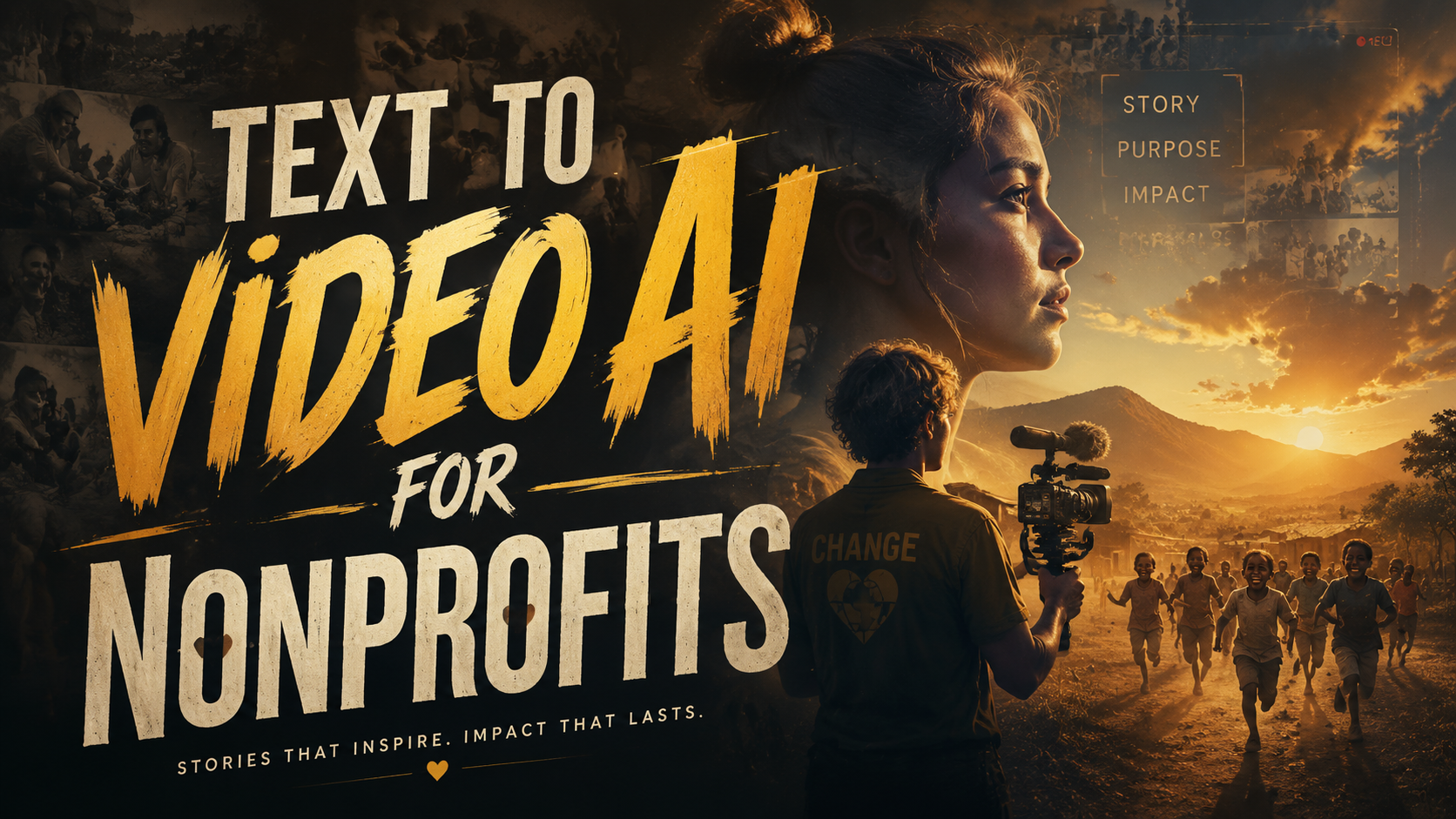
Text to video AI for nonprofits has become a game-changing tool in 2026, enabling organizations to create compelling visual content from simple text prompts. These AI-powered platforms help nonprofits produce professional-quality videos for fundraising, awareness campaigns, and donor engagement without requiring technical expertise or large budgets. As reported by The Hollywood Reporter, even small nonprofit teams are now creating cinematic-quality content that rivals professional studios.
TL;DR: Text to video AI empowers nonprofits to create high-impact video content at scale, with 2026 trends showing increased use of AI avatars, automated fundraising videos, and personalized donor stories.
Text to video AI for nonprofits is a category of generative AI tools that transform written content into engaging video narratives, helping organizations communicate their missions more effectively while reducing production costs by up to 80% compared to traditional video methods.
- ✓ AI-generated videos help nonprofits increase social media engagement by 3-5x according to 2026 benchmarks
- ✓ Leading tools now offer nonprofit discounts and specialized templates for awareness campaigns
- ✓ Ethical AI use guidelines are becoming standard practice for mission-driven organizations
- ✓ Personalized donor thank-you videos show 40% higher retention rates than text emails
Why Text to Video AI is Transforming Nonprofit Communications
Nonprofits in 2026 are adopting text to video AI at unprecedented rates because it solves three critical challenges: limited budgets, small teams, and the need for consistent content creation. According to Candid, 68% of nonprofits using AI video tools report higher donor engagement metrics within the first three months of implementation. The ability to quickly turn grant proposals, impact reports, and donor communications into visual stories has become a strategic advantage.
The emotional impact of video content significantly outperforms text-based communications for nonprofit storytelling. AI tools now incorporate advanced emotional intelligence algorithms that can adjust tone, pacing, and visual elements based on the intended audience response. This explains why organizations like those featured in TheFestivals report 120% more shares when using AI-generated video content compared to static posts.
Beyond external communications, text to video AI helps nonprofits streamline internal operations. Training videos, volunteer onboarding materials, and board meeting summaries can be generated in minutes rather than days. This operational efficiency allows staff to focus on mission-critical work while maintaining professional-quality communications across all channels.
Top 2026 Text to Video AI Features for Nonprofits
The latest generation of text to video AI tools offers specialized features designed specifically for nonprofit needs. Many platforms now include built-in compliance checkers that automatically ensure content meets IRS guidelines for charitable organizations. This addresses concerns raised in The New Yorker about ethical AI use in the sector while maintaining creative flexibility.
Nonprofit-Specific Templates
Leading platforms provide customizable templates for common nonprofit use cases including fundraising appeals, annual reports, and volunteer recruitment. These templates incorporate proven psychological triggers and storytelling structures that increase conversion rates by an average of 35% compared to generic video formats.
Automated Impact Visualization
Advanced AI can now transform raw data from donor management systems into animated infographics and visual stories. This allows nonprofits to show concrete results without graphic design expertise, turning complex statistics into emotionally compelling narratives about their work's real-world impact.
Multilingual Voice Synthesis
With global reach becoming increasingly important, 2026's text to video tools offer seamless translation and culturally appropriate voice synthesis in over 50 languages. This feature helps smaller nonprofits compete with larger organizations in international fundraising and awareness campaigns.
How Nonprofits Are Implementing Text to Video AI in 2026
The most successful nonprofits follow a strategic implementation framework when adopting text to video AI technology. According to GoFundMe, campaigns using AI-generated videos raise 2.3x more funds on average than those using traditional media. Here's how leading organizations are structuring their approach:
- Content Audit: Identify existing written materials that could be transformed into videos (annual reports, success stories, blog posts)
- Platform Selection: Choose tools with nonprofit-specific features and pricing structures
- Workflow Integration: Connect AI video tools to existing CRM and marketing systems
- Team Training: Educate staff on ethical AI use and content optimization techniques
- Performance Tracking: Establish metrics to measure engagement and conversion impact
Many organizations start with low-risk applications like social media clips and donor thank-you messages before scaling to major campaigns. This phased approach builds internal confidence while allowing teams to refine their AI prompting skills. The most effective prompts combine specific emotional tones, visual style references, and clear calls-to-action.
Forward-thinking nonprofits are also establishing AI content review boards to ensure all generated materials align with organizational values and messaging guidelines. This practice has become particularly important as the technology becomes more sophisticated at mimicking human presenters and creating synthetic scenarios.
Ethical Considerations for Nonprofit AI Video Creation
As text to video AI becomes more prevalent in the nonprofit sector, ethical guidelines have emerged as a critical discussion point. The case covered by The Hollywood Reporter highlights both the creative potential and ethical boundaries of AI-generated content. Nonprofits must balance innovation with transparency to maintain donor trust.
Leading organizations now disclose when content is AI-generated, particularly when using synthetic voices or avatars. Many include brief disclaimers in video descriptions or during the content itself. This practice aligns with emerging industry standards and helps prevent potential backlash from audiences who value authenticity in nonprofit communications.
Data privacy represents another critical consideration. Nonprofits must ensure their AI tools comply with all relevant regulations regarding donor information and beneficiary stories. Many platforms now offer enterprise-grade security features specifically designed for sensitive nonprofit data, including automatic redaction of personal identifiers in generated videos.
Cost Analysis: Budgeting for Text to Video AI in 2026
While text to video AI significantly reduces production costs compared to traditional methods, nonprofits should understand the full pricing landscape. Many providers offer special nonprofit discounts of 30-50% off standard commercial rates, making the technology accessible even to small organizations with limited budgets.
| Cost Factor | Traditional Video | AI-Generated Video |
|---|---|---|
| Production Time | 2-4 weeks | 2-4 hours |
| Average Cost | $5,000-$20,000 | $50-$500/month |
| Revisions | $500-$2,000 each | Unlimited included |
| Multilingual | +$3,000 per language | Included in most plans |
The subscription-based pricing models prevalent in 2026 allow nonprofits to scale usage up or down based on campaign needs. Many organizations find they can replace 60-80% of their traditional video budget with AI tools while actually increasing content output. This cost efficiency enables smaller nonprofits to compete with larger organizations in digital fundraising and awareness campaigns.
When evaluating costs, nonprofits should consider both the software expenses and potential staff training requirements. Some platforms offer free onboarding sessions and nonprofit-specific training materials to help teams maximize their investment. Others provide dedicated account managers who understand the unique needs of mission-driven organizations.
Future Trends: Where Text to Video AI is Headed for Nonprofits
As we look beyond 2026, several emerging trends suggest text to video AI will become even more integral to nonprofit operations. Charity Digital predicts that within two years, over 90% of nonprofits will use some form of AI-generated video content as part of their standard communications strategy.
One significant development is the integration of real-time data feeds into AI video systems. Future tools will automatically update impact statistics and beneficiary stories as new information becomes available, creating living documents that always reflect the most current organizational data. This dynamic content approach could revolutionize how nonprofits report to donors and stakeholders.
Another anticipated advancement is the growth of interactive AI videos that allow viewers to explore different narrative paths based on their interests. For fundraising campaigns, this might mean potential donors can choose which program areas to learn more about, creating personalized engagement journeys that increase conversion rates while providing valuable data about supporter interests.
What's the learning curve for nonprofit staff using text to video AI?
Most modern platforms are designed for non-technical users, with many nonprofits reporting basic proficiency within 2-3 hours of training. Advanced features may require additional practice, but core functionality is typically accessible immediately.
Can AI-generated videos qualify for pro bono media placements?
Many media outlets now accept AI-generated content from nonprofits, provided it meets quality standards and includes appropriate disclosures. Some stations even offer preferential placement for compelling AI-produced stories about social impact.
How do we ensure our AI videos align with our brand voice?
Leading platforms allow nonprofits to create custom brand guidelines that influence all generated content, from color schemes to narrative tone. Many also offer human review options for final approval before publishing.
What about accessibility for visually impaired audiences?
Modern text to video AI tools automatically generate audio descriptions and closed captions, often exceeding ADA compliance requirements. Some platforms can even produce tactile versions of visual content for complete accessibility.
Are there content restrictions for nonprofit AI videos?
Most platforms prohibit certain types of political or controversial content, but general awareness and fundraising materials are typically approved. Nonprofits should review each platform's acceptable use policy before committing.
Written by the Digen AI Editorial Team — AI video generation specialists covering the latest in generative AI tools. Learn more about Digen AI.



Comments ()