
Text to Video AI for Marketing Ads: 2026 Strategy Guide
Text to video AI for marketing ads is the automated process of using generative artificial intelligence to transform written scripts or prompts into high-quality video content specifically designed for digital advertising. By 2026, this technology has evolved from a novelty into a core pillar of performance marketing, allowing brands to generate personalized, high-conversion video assets in seconds rather than weeks. This shift enables marketers to scale their creative output across platforms like TikTok, Instagram, and YouTube with unprecedented efficiency.
Text to video AI for marketing ads is a generative technology that uses Large Language Models (LLMs) and diffusion models to synthesize video from text. In 2026, it is used by marketers to automate the production of social media ads, personalized product showcases, and localized video content, drastically reducing the cost-per-acquisition by enabling rapid A/B testing of creative assets.
- ✓ Text-to-video AI reduces production time from days to minutes, facilitating real-time ad optimization.
- ✓ Modern 2026 tools now support high-fidelity physics and consistent character rendering for brand stability.
- ✓ Personalized video ads at scale are now the industry standard for improving Customer Experience (CX).
- ✓ Integration with CRM data allows for hyper-localized video variations tailored to specific demographics.
How to Use Text to Video AI for Marketing Ads in 2026
Implementing text-to-video technology into your marketing workflow requires a shift from traditional production mindsets to an iterative, prompt-based approach. The primary goal is no longer just "making a video," but rather "generating a library of assets" that can be tested against various audience segments. As reported by Cybernews, the rise of AI video generators in 2026 has fundamentally changed content creation by lowering the barrier to entry for high-end cinematic visuals.
To maximize the ROI of your AI-generated ads, follow this step-by-step implementation guide:
- Define Your Core Script: Input a detailed description of your product, the desired mood, and the call to action into your chosen AI video platform.
- Select Visual Style and Aspect Ratio: Choose between photorealistic, 3D animation, or motion graphics, ensuring the aspect ratio matches your target platform (e.g., 9:16 for TikTok).
- Incorporate Brand Assets: Upload your logo, color palette, and specific product images to ensure the AI maintains brand consistency across the generated frames.
- Generate and Iterate: Use "seed" variations to produce multiple versions of the same ad, then use text-based editing to tweak specific scenes or lighting.
- Deploy and Analyze: Push the videos to your ad manager and use real-time performance data to inform the next round of prompts.
The Evolution of AI Video Generators in 2026
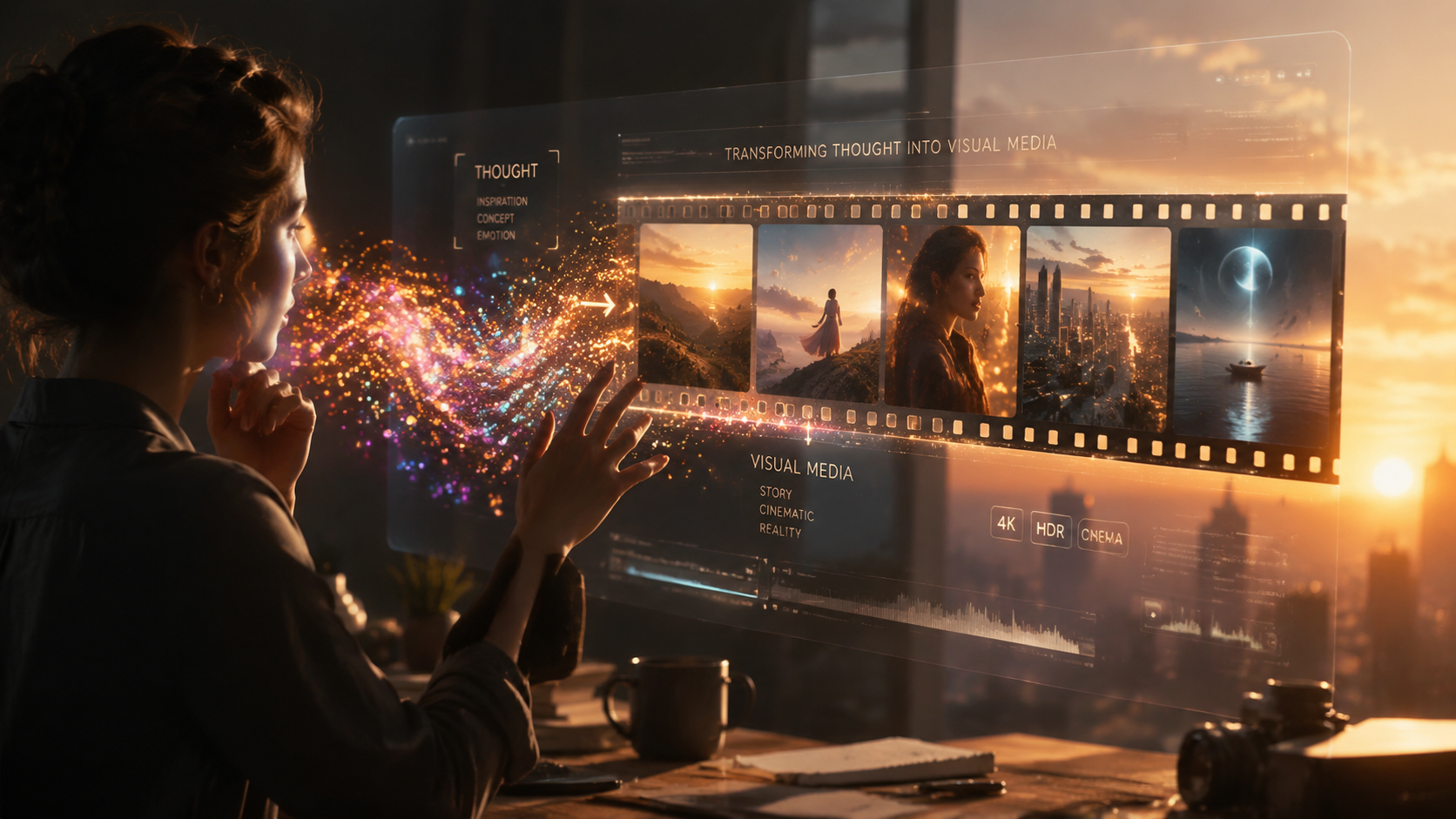
The landscape of 2026 is vastly different from the early experiments of previous years. According to G2 Learn Hub, the "7 Best AI Video Generators" currently on the market now feature advanced temporal consistency, meaning characters and environments no longer "flicker" or change shape between frames. This technical milestone has made AI video indistinguishable from traditional cinematography for the average consumer, which is vital for maintaining brand trust in marketing ads.
Advanced Physics and Realism
One of the most significant breakthroughs in 2026 is the integration of world-simulating physics within text-to-video models. Earlier versions struggled with liquid dynamics or complex human movements; however, the latest reviews from perfectcorp.com highlight that the top 23 AI video generators of 2026 now handle these elements with ease. For marketers, this means ads featuring pouring drinks, flowing fabric, or athletic movements look professional and high-budget without the need for a physical film crew.
Hyper-Personalization at Scale
Beyond visual quality, the strategic value lies in personalization. CustomerThink notes that AI video ads are winning the customer experience battle by delivering content that feels bespoke to the viewer. In 2026, a single text prompt can be dynamically modified by a brand's CRM to include the viewer's city, name, or previous purchase history within the video's visual elements, such as a billboard in the background or text on a product package.
Comparing Top Text to Video AI Features for 2026
Choosing the right platform for your marketing ads depends on your specific needs—whether that is high-speed output for social media or high-fidelity renders for television-quality spots. The following table compares the key features found in the leading AI video tools of 2026.
| Feature Category | Standard AI Models | Enterprise AI Solutions | Performance Marketing Focus |
|---|---|---|---|
| Generation Speed | 2-5 Minutes | Sub-60 Seconds | Real-time Rendering |
| Resolution | 1080p / 2K | 4K / 8K Cinematic | Optimized for Mobile/Social |
| Character Consistency | Moderate | High (Digital Twins) | High (Brand Ambassadors) |
| API Integration | Limited | Full Workflow Integration | Direct Ad Manager Sync |
| Cost Structure | Per-minute credits | Annual Licensing | Dynamic Scaling based on ROI |
Why Text to Video AI for Marketing Ads is Non-Negotiable in 2026
The competitive landscape has reached a point where manual video production is often too slow to keep up with trending topics and algorithm shifts. THISDAYLIVE reports that AI video generation is transforming marketing by allowing brands to react to cultural moments within hours. If a meme goes viral in the morning, a marketing team can use text-to-video AI to have a high-quality, brand-safe ad response live by the afternoon.
Cost Efficiency and Resource Allocation
According to PRWeek, recent earnings calls show that major corporations are heavily discussing the shift of budgets from traditional production houses to AI-driven creative departments. This isn't just about saving money; it's about reallocating resources toward strategy and data analysis. By using text to video AI for marketing ads, companies are seeing a reduction in creative overhead by as much as 70%, allowing those funds to be pushed into higher ad spend and better audience targeting.
Improving the Customer Experience (CX)
Modern consumers in 2026 demand relevance. CustomerThink emphasizes that the "hype" phase of AI is over; we are now in the "utility" phase. AI-generated video ads improve CX by ensuring that the content a user sees is actually aligned with their interests. Instead of a generic "one-size-fits-all" commercial, AI allows for thousands of variations that cater to different niche communities, making the advertising feel less like an intrusion and more like a tailored recommendation.
Best Practices for Prompt Engineering in Video Ads
The quality of your output is directly tied to the quality of your input. In 2026, "Prompt Engineer" has become a standard role within marketing agencies. To get the best results for your ads, your prompts should include specific directives regarding camera angles, lighting styles (e.g., "golden hour" or "cyberpunk neon"), and emotional cues.
Technical Prompting Strategies
When creating text to video AI for marketing ads, don't just describe the scene. Use technical film language. Instead of "a person drinking coffee," try "Cinematic close-up, 35mm lens, shallow depth of field, sunlight filtering through a window, person taking a sip of steaming coffee, high-speed photography capturing water droplets." This level of detail guides the AI to produce a result that looks like it was shot by a professional cinematographer.
Maintaining Brand Voice
Consistency is the biggest challenge in generative media. To solve this, many 2026 platforms allow for "Style Reference" inputs. Marketers can upload a 10-second clip of their best-performing traditional ad, and the AI will extract the color grading, pacing, and "vibe" to apply to all future text-to-video generations. This ensures that even though the content is AI-generated, it still feels authentically like your brand.
Future Trends: What’s Next for AI Video in Marketing?
As we move through 2026 and look toward 2027, the focus is shifting toward interactive and immersive video ads. We are already seeing the beginning of "choose-your-own-adventure" style video ads where the AI generates the next scene in real-time based on a user's click or voice command. This level of engagement was unthinkable a few years ago but is now becoming a reality thanks to the massive leaps in processing power and model efficiency.
Furthermore, the integration of AI video with augmented reality (AR) is creating new opportunities for "try-on" ads. A user can provide a text prompt like "show me wearing this jacket in a snowy New York setting," and the AI will generate a personalized video of the user in that exact scenario. This fusion of text-to-video and personal data is the next frontier of digital commerce.
Is text-to-video AI expensive for small businesses in 2026?
No, by 2026, many platforms offer tiered pricing starting as low as $20 per month. This allows small businesses to create professional-grade video ads that were previously only accessible to companies with massive production budgets.
Can I use AI-generated videos for television commercials?
Yes, the top-tier AI video generators in 2026 support 4K and 8K resolutions with high bitrates suitable for broadcast television. Many national brands now use AI-generated clips within their traditional TV ad spots.
How does AI ensure the characters in my ads look the same every time?
Modern AI tools use "Character Consistency" or "LoRA" (Low-Rank Adaptation) models. You can train the AI on a specific person or "digital twin" to ensure they look identical across hundreds of different video generations.
Does Google or Meta penalize AI-generated video ads?
No, as long as the content complies with their community standards and advertising policies. In fact, many of these platforms have integrated their own text-to-video tools directly into their ad managers to encourage more creative testing.
What is the typical turnaround time for an AI video ad?
In 2026, a standard 15-second social media ad can be generated from a text prompt in under 60 seconds. High-resolution cinematic renders may take 5 to 10 minutes depending on the complexity of the physics involved.



Comments ()