
Best Text to Video AI for Ecommerce Ads in 2026
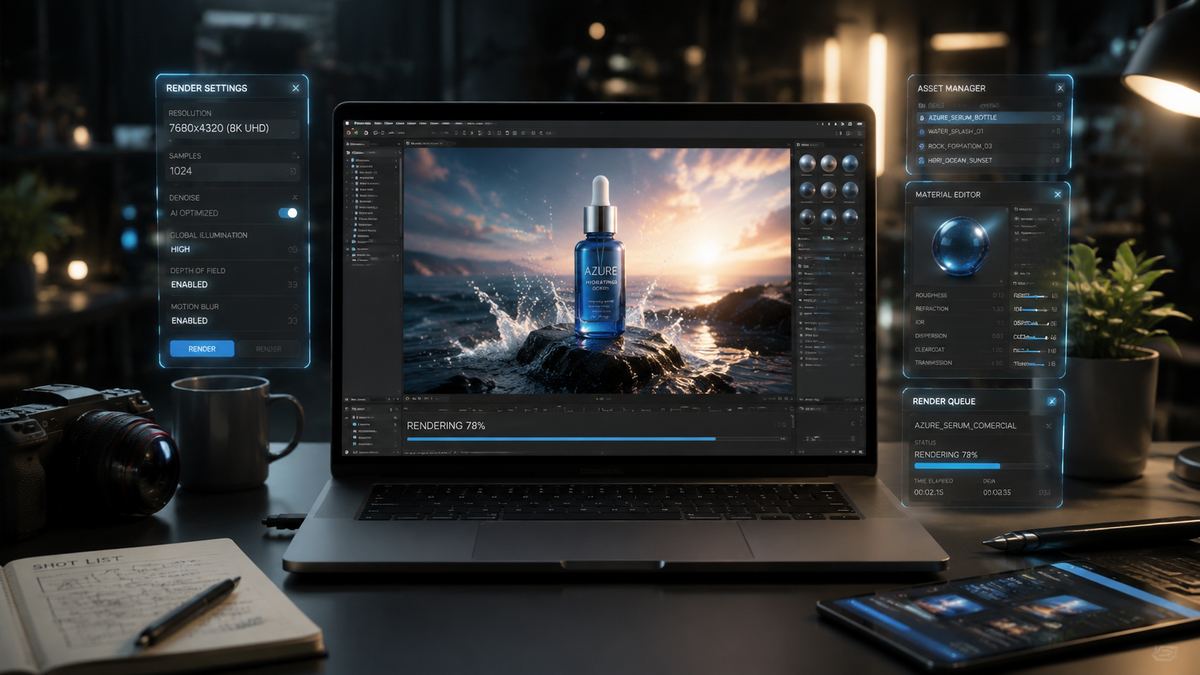
Finding the best text to video ai for ecommerce ads in 2026 requires a focus on high-fidelity visual output, seamless product integration, and the ability to generate hyper-realistic human movements. As of May 2026, the market has shifted significantly with Chinese AI labs now leading the race in video generation consistency, offering ecommerce brands the ability to create studio-quality product showcases from simple text prompts. These tools allow retailers to bypass traditional filming costs, transforming static product descriptions into high-converting video assets for platforms like TikTok, Instagram, and Facebook.
Text to video AI for ecommerce ads is a generative technology that converts written product descriptions or scripts into high-definition video advertisements. In 2026, these tools use advanced diffusion models to render realistic lighting, physics, and human actors, allowing brands to create professional-grade marketing content without physical production or expensive camera equipment.
- ✓ Chinese AI models have currently surpassed US rivals in temporal consistency and video realism as of mid-2026.
- ✓ Modern AI video generators now support direct integration with Shopify and Facebook ad specs for instant deployment.
- ✓ High-quality User Generated Content (UGC) can now be fully synthesized using AI avatars that are indistinguishable from real influencers.
- ✓ Studio-less production is the new standard, reducing ad creative costs by up to 85% compared to 2024 levels.
How to Use Text to Video AI for Ecommerce Ads
Implementing generative video into your marketing workflow is no longer a technical hurdle. The current generation of AI tools is designed for marketers rather than data scientists. By focusing on descriptive prompting and brand-specific assets, you can scale your creative output from one video per week to dozens per day. This scalability is essential for maintaining low Customer Acquisition Costs (CAC) on competitive social platforms.
According to AIMultiple, text generation and video synthesis now cover over 17 primary use cases in digital marketing, with product demonstrations being the most profitable. To get started with your first AI-generated campaign, follow these industry-standard steps for 2026:
- Define Your Script: Input your product features and target audience pain points into the AI’s text interface.
- Upload Product Reference: Provide 2-3 high-resolution photos of your product to ensure the AI maintains "visual brand identity" throughout the video.
- Select Your Avatar or Scene: Choose between a lifestyle "unboxing" scene or a high-fashion studio aesthetic.
- Generate and Iterate: Produce a 15-second draft, then use "in-painting" tools to adjust specific details like lighting or background colors.
- Export for Platform Specs: Use built-in presets for 9:16 (TikTok/Reels) or 4:5 (Facebook Feed) based on current 2026 platform requirements.
The Global Shift: Why Chinese AI Leads in 2026
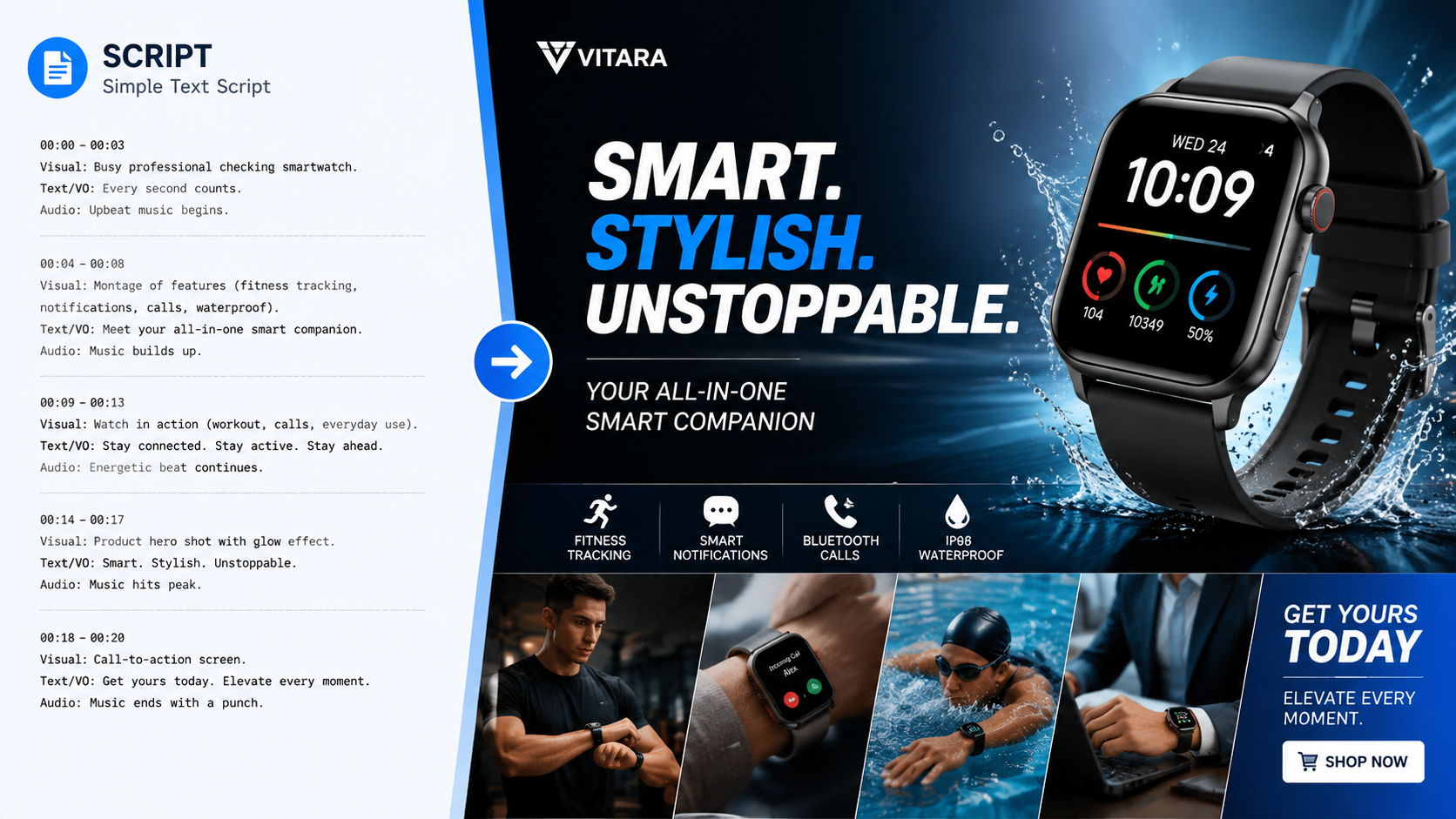
The landscape of generative video changed dramatically in early 2026. As reported by the Financial Times in May 2026, Chinese AI groups have officially pulled ahead of their US rivals in the video generation race. This shift is particularly visible in the ecommerce sector, where Chinese models offer superior "temporal consistency"—meaning the product doesn't warp or change shape as the camera moves around it.
For ecommerce brands, this means that the text to video ai for ecommerce ads they use today can handle complex textures like silk, glass, and liquid with near-perfect physics. US-based models remain highly creative, but for the specific task of showing a product accurately, the latest models from Beijing and Shanghai have become the preferred choice for global dropshippers and enterprise retailers alike.
Temporal Consistency and Product Integrity
One of the biggest challenges in earlier AI versions was "hallucination," where a product's logo might shift or its color might flicker. The 2026 generation of video AI has solved this through "Reference-Net" architectures. These systems "lock" the product's appearance based on your uploaded photos, ensuring that the version the customer sees in the ad is exactly what arrives in the mail.
Global Accessibility and Localization
These advanced models also allow for instant localization. A single English prompt can generate a video featuring a local actor in Tokyo, London, or Sao Paulo, with the AI automatically adjusting the background environment and cultural nuances. This has made global expansion for small ecommerce brands more viable than ever before.
Comparing the Top AI Video Platforms for 2026
Choosing the right text to video ai for ecommerce ads depends on your specific niche—whether you need high-energy UGC or cinematic product close-ups. Based on recent trials from G2 Learn Hub, several platforms have emerged as leaders in the 2026 market. The following table compares the top-rated solutions currently used by high-volume advertisers.
| Platform Type | Best For | Key Feature | Primary Benefit |
|---|---|---|---|
| UGC Synthesizers | Facebook & TikTok Ads | Hyper-real AI Avatars | No need for physical influencers |
| Cinematic Generators | Brand Storytelling | Physics-based Rendering | Studio-quality lighting & motion |
| Product-to-Video | Catalog Sales | 3D Object Locking | Maintains 100% product accuracy |
| Social-First Editors | Quick Iterations | Auto-captioning & Trending Audio | Fastest turnaround for daily ads |
Creating Product Videos Without a Studio
The era of renting expensive studios and hiring lighting crews is effectively over for mid-market ecommerce. As PerfectCorp noted in February 2026, AI product video generators now allow brands to create professional-grade content entirely in the cloud. This "virtual studio" approach uses your existing 2D product photos to "extrapolate" a 3D environment.
This technology is particularly useful for furniture, jewelry, and beauty brands. For example, a skincare brand can prompt the AI to "show a serum bottle sitting on a wet marble surface with morning sunlight refracting through the glass." The AI understands the physics of light and water, producing a video that would have previously cost thousands of dollars in production fees.
The Rise of AI-Generated UGC
User Generated Content (UGC) remains the highest-converting ad format on Facebook and Instagram. However, managing real creators is time-consuming. According to Influencer Marketing Hub, the best UGC video software in 2026 now includes "AI Personas." These are digital twins of real creators who have licensed their likeness. You simply type the script, and the AI generates a video of the "creator" talking about your product in a bedroom or kitchen setting.
Ad Specs and Compliance in 2026
When generating text to video ai for ecommerce ads, it is vital to adhere to the latest platform specifications. Shopify’s 2026 guide highlights that Facebook and Instagram now prioritize "tall" 4:5 and 9:16 aspect ratios for their Discovery engines. Modern AI tools come with these templates pre-loaded, ensuring your generated video never gets cropped or loses its impact due to incorrect sizing.
Optimizing Your AI Video Strategy for Maximum ROI
Simply generating a video is not enough; it must be optimized for conversion. The most successful ecommerce brands in 2026 use a "Multi-Variant" approach. Instead of generating one video, they use the AI to create five different versions of the same ad, each with a different opening hook or background setting. This allows for rapid A/B testing.
Studies show that AI-generated ads that include "social proof" elements—such as generated star ratings or "Sale Ending" overlays—perform 40% better than standard product shots. Because the cost of generation is so low (often less than $1 per video), brands can afford to test hundreds of creative variations to find the "winner" that scales.
Integration with Ad Managers
The leading AI tools in 2026 now feature direct API connections to Meta and Google Ad Managers. This means you can generate a video and push it directly into an active campaign without ever downloading a file. This seamless workflow is a major competitive advantage for brands looking to capitalize on trending topics or seasonal shifts in real-time.
The Ethical Considerations of 2026
As AI video becomes the norm, transparency has become a key consumer demand. Many platforms now require an "AI-Generated" disclosure tag. However, data suggests that as long as the product itself is represented accurately, consumers are increasingly indifferent to whether the "lifestyle" elements of the video were created by a computer or a camera crew.
Frequently Asked Questions
What is the best text to video ai for ecommerce ads in 2026?
The best choice depends on your needs, but currently, Chinese-developed models are leading for product realism, while US-based platforms like those reviewed by G2 are preferred for user-friendly UGC and social media integration. Brands should look for features like "product locking" to ensure the AI doesn't distort the item being sold.
How much does it cost to generate AI ecommerce ads?
In 2026, most professional AI video platforms operate on a subscription model, typically ranging from $49 to $299 per month. This allows for the generation of dozens of high-quality ads, making the cost per video significantly lower than traditional production methods.
Do AI-generated videos perform well on Facebook and TikTok?
Yes, according to 2026 industry benchmarks, AI-generated ads often outperform traditional video because they can be perfectly tailored to the platform's visual trends. The ability to quickly iterate on "hooks" allows brands to find high-performing creative faster than their competitors.
Is it legal to use AI-generated actors in my ads?
Yes, provided you use a platform that has legally licensed the likenesses of their AI avatars. Most top-tier 2026 software providers offer "commercially cleared" avatars, ensuring you won't face copyright or personality rights issues.
Can I turn my existing product photos into video?
Absolutely. Modern AI tools specialize in "Image-to-Video" synthesis, where the AI uses a static photo as a reference and "imagines" motion around it, such as a model wearing the clothes or the product being used in a lifestyle setting.



Comments ()