
Text to Video AI for Ecommerce: 2026 Conversion Guide
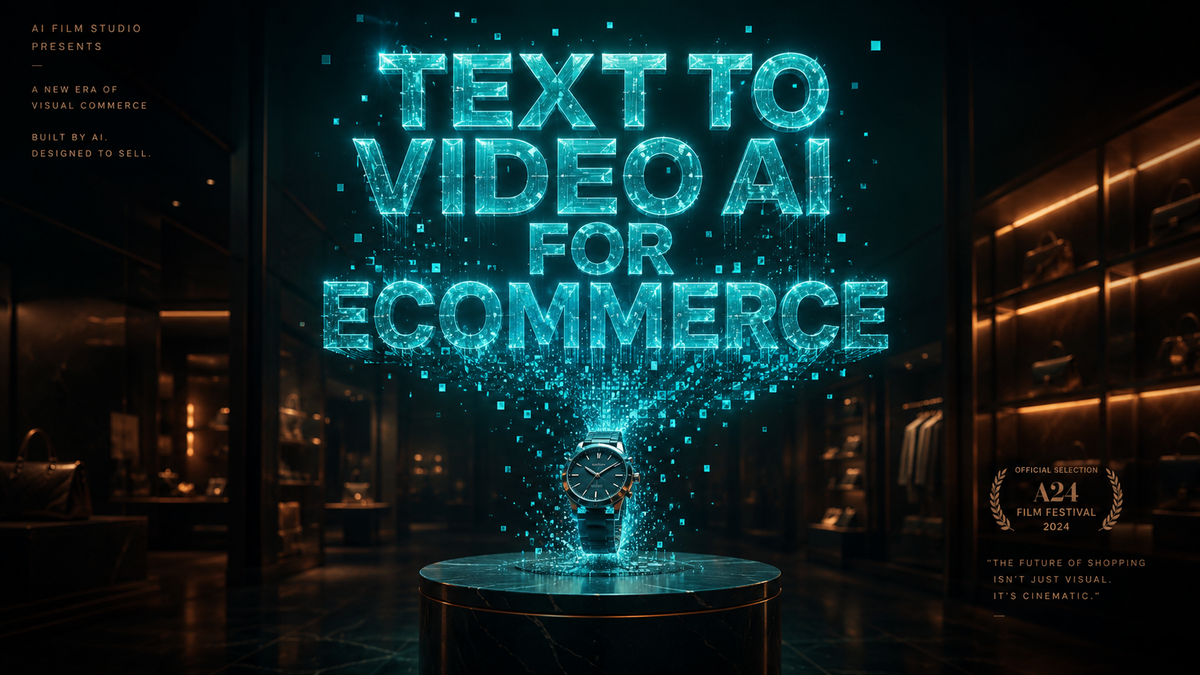
Text to video AI for ecommerce is a transformative technology that allows online retailers to convert written product descriptions, scripts, or URLs into high-quality, professional video content automatically. By leveraging generative artificial intelligence, brands can now bypass the traditional constraints of physical studios, expensive equipment, and lengthy post-production cycles to create high-converting product demos and social media ads in minutes. In 2026, this technology has become the standard for scaling video production across diverse digital marketplaces.
Text to video AI for ecommerce is an automated content creation process where generative AI models interpret text-based inputs—such as product listings or marketing copy—to synthesize visual assets, voiceovers, and animations. This technology enables retailers to produce hyper-personalized video advertisements and detailed product demonstrations at a fraction of the cost and time required by traditional videography.
- ✓ Eliminates the need for expensive physical studio spaces and professional film crews.
- ✓ Enables rapid scaling of video content for massive product catalogs.
- ✓ Enhances conversion rates through dynamic, AI-generated product demonstrations.
- ✓ Facilitates global reach with automated AI voiceovers and multi-language support.
- ✓ Integrates seamlessly with platforms like TikTok and Shopify for instant social commerce.
How to Use Text to Video AI for Ecommerce Success
Implementing text to video AI into your ecommerce workflow is a straightforward process that yields high-impact results. As of 2026, the integration between AI video generators and ecommerce platforms has become highly intuitive, allowing even small business owners to compete with enterprise-level production quality. The goal is to move from a static product page to a dynamic, video-first shopping experience that captures attention in seconds.
- Select Your Source Material: Copy the URL of your product page or write a concise script highlighting the key features and benefits of your item.
- Choose an AI Video Generator: Select a platform that specializes in ecommerce, such as those recommended by G2 Learn Hub or Perfect Corp, which offer specific templates for product showcases.
- Customize Your Visual Style: Input your brand guidelines, including color palettes, logos, and preferred AI avatars or "talking heads" to represent your brand.
- Generate and Refine: Run the AI generator to produce a draft. Use the built-in editor to adjust the pacing, add background music, or refine the AI voiceover.
- Export and Distribute: Download the video in the appropriate aspect ratio (9:16 for TikTok/Reels or 16:9 for YouTube) and upload it to your storefront and social channels.
The Evolution of Text to Video AI for Ecommerce in 2026
The landscape of digital retail has shifted from "mobile-first" to "video-first." According to a 2026 report by Intelligent Living, the "Product Demo Dilemma"—the struggle to create videos for thousands of SKUs—has been solved by AI scaling. Retailers no longer have to choose which products deserve a video; AI allows for 100% video coverage across entire inventories. This shift is driven by the fact that shoppers are 85% more likely to purchase a product after watching a video demonstration.
Furthermore, the integration of TikTok AI Voice technology, as highlighted by Shopify, has revolutionized how brands interact with Gen Z and Gen Alpha consumers. By using text-to-speech tools that sound indistinguishable from human influencers, brands can create "organic-feeling" content that resonates with social media audiences without the need for a dedicated spokesperson. This level of automation ensures that marketing campaigns stay fresh and relevant to trending audio and visual styles.
Scaling Production Without the Studio
Traditional video production is notoriously expensive, often costing thousands of dollars for a single high-quality product clip. However, Perfect Corp notes that AI product video generators now allow brands to create professional-grade visuals without a studio. By using 3D modeling and generative backgrounds, the AI can place a product in any setting—from a luxury living room to a rugged outdoor environment—simply based on a text prompt. This flexibility allows for seasonal updates to video content without needing to re-shoot the actual product.
Personalization at Scale
One of the most significant breakthroughs in 2026 is the ability to personalize text to video AI for ecommerce based on user data. AI Multiple reports in their latest case studies that brands are now generating unique video ads for different customer segments. For example, a single product description can be turned into a high-energy "hype" video for younger audiences and a detailed, instructional "how-to" video for older demographics, all from the same text input. This level of relevance is a primary driver of the increased conversion rates seen this year.
Comparing Top AI Video Generation Features for Retailers
Choosing the right tool is essential for maximizing your return on investment. The market in 2026 is diverse, with tools specializing in everything from hyper-realistic avatars to automated social media formatting. The following table compares the essential features found in the leading AI video platforms currently used by top-tier ecommerce brands.
| Feature | Standard AI Video | Advanced Ecommerce AI | Enterprise Solutions |
|---|---|---|---|
| Input Source | Text Prompts | Product URLs / Shopify Links | API / Full Product Catalog |
| Voiceover Quality | Basic TTS | Emotional AI Voice / TikTok Sync | Custom Brand Voice Cloning |
| Visual Style | Stock Footage | 3D Product Rendering | Hyper-Realistic Digital Twins |
| Processing Time | 10-15 Minutes | 3-5 Minutes | Real-time / Instant |
| Platform Optimization | Manual Resizing | Auto-Crop for Social | Multi-channel Auto-Sync |
Maximizing Conversion Rates with Text to Video AI for Ecommerce
The ultimate goal of using text to video AI for ecommerce is to drive sales. Conversion rate optimization (CRO) in 2026 relies heavily on reducing friction in the buyer's journey. Video does this by answering common questions—such as "how big is this?" or "how does it move?"—before the customer even asks. Practical Ecommerce highlights that new AI apps are reinventing the shopping experience by embedding these videos directly into the checkout flow, providing a final nudge to the consumer.
To maximize conversions, retailers should focus on "shoppable" AI videos. These are videos where the AI has automatically tagged products, allowing viewers to click on an item within the video and add it to their cart immediately. This seamless transition from content to commerce is only possible through the deep metadata integration provided by modern text-to-video platforms. When the AI understands the "text" of the product, it can intelligently place interactive elements where they are most likely to be engaged with.
The Role of AI Voice and Soundscapes
Sound is an often overlooked component of the ecommerce experience. With the rise of TikTok-driven commerce, the auditory element of a video is just as important as the visual. Text to video AI platforms now include sophisticated sound design capabilities. According to Shopify's 2026 guide, using the right AI-generated voiceover can increase brand recall by up to 40%. Whether it is a soothing narrator for a wellness product or an upbeat, fast-paced voice for a flash sale, the AI ensures the tone perfectly matches the text-based intent.
A/B Testing with AI-Generated Variations
In the past, A/B testing video content was nearly impossible due to the cost of producing multiple versions. In 2026, text to video AI for ecommerce makes this a standard practice. Marketers can now input five different scripts for a single product and generate five distinct videos in minutes. By testing these variations on platforms like Meta or TikTok, brands can identify which messaging, voice, or visual style yields the highest conversion rate, then double down on the winner. This iterative process is the secret to the massive ROI reported by modern digital marketers.
Future-Proofing Your Brand with Generative Video
As we move further into 2026, the gap between brands using AI and those relying on manual production is widening. The efficiency gains are no longer just a luxury; they are a necessity for survival in a marketplace that demands constant fresh content. AI-driven video production allows brands to stay agile, reacting to market trends or consumer feedback within hours rather than weeks. This agility is the hallmark of a successful 2026 ecommerce strategy.
Moreover, the environmental impact of video production is a growing concern for consumers. AI video generation significantly reduces the carbon footprint associated with travel, shipping equipment, and power-intensive studio lighting. By highlighting your use of sustainable, AI-driven marketing, you can appeal to the eco-conscious values of the modern shopper, further strengthening brand loyalty and trust.
How much does text to video AI for ecommerce cost in 2026?
Pricing varies by scale, but most professional platforms offer subscription tiers starting around $30 per month for small businesses. Enterprise solutions with API access and unlimited rendering are typically priced based on volume and custom requirements.
Do I need professional filming skills to use these tools?
No, professional skills are not required. Modern AI tools are designed with "no-code" interfaces that allow anyone to create videos by simply entering text or a URL, making professional-grade video production accessible to all skill levels.
Can AI videos be used for Amazon and Shopify listings?
Yes, AI-generated videos are fully compatible with major ecommerce platforms. Most tools provide specific export settings to ensure the video meets the technical requirements for Amazon, Shopify, and various social media marketplaces.
Is the AI voiceover quality realistic enough for branding?
As of 2026, AI voiceovers have reached a level of "human-parity," meaning they are virtually indistinguishable from real human speech. They include natural inflections, pauses, and emotional range suitable for high-end brand storytelling.
How long does it take to generate a product video?
Most ecommerce-focused AI video generators can produce a high-quality 30-60 second video in under five minutes. This includes the time for the AI to analyze the text, synthesize the visuals, and render the final file.



Comments ()