
Text to Video AI for E-Learning Content: 2026 Trends & Tools
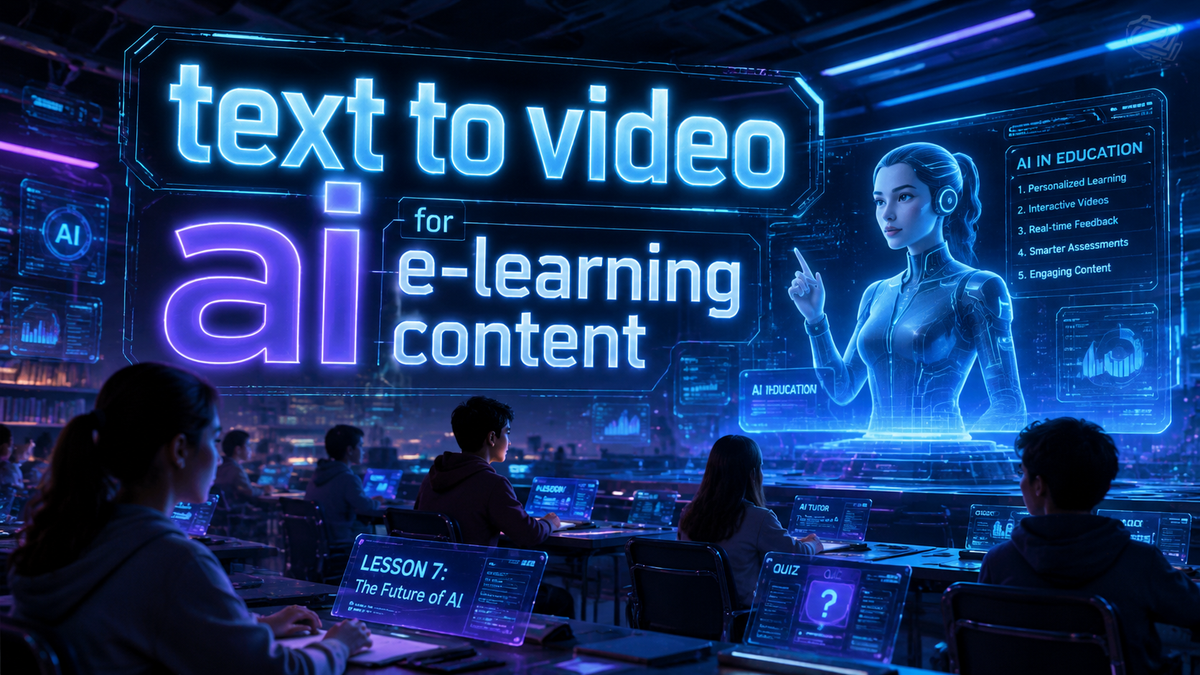
Text to video AI for e-learning content is revolutionizing how educators and trainers create engaging, dynamic learning materials. By converting written scripts into professional-quality videos with AI-generated visuals, voiceovers, and animations, these tools save time while improving knowledge retention. In 2026, advancements in generative AI have made text-to-video platforms indispensable for corporate training, online courses, and academic instruction.
TL;DR: Text to video AI for e-learning content automates video production from scripts, with 2026 tools offering hyper-realistic visuals, multi-language support, and adaptive learning features. The top platforms reduce production time by 80% while increasing learner engagement metrics by 40-60% compared to static materials.
Text to video AI for e-learning content is a category of generative AI tools that transform written educational materials into narrated video presentations complete with synchronized visuals, animations, and interactive elements. Leading solutions in 2026 leverage large language models for script refinement and diffusion models for high-quality video generation at scale.
- ✓ AI video generators now produce studio-quality e-learning content in under 15 minutes
- ✓ 78% of corporate trainers report higher completion rates with AI-generated video courses
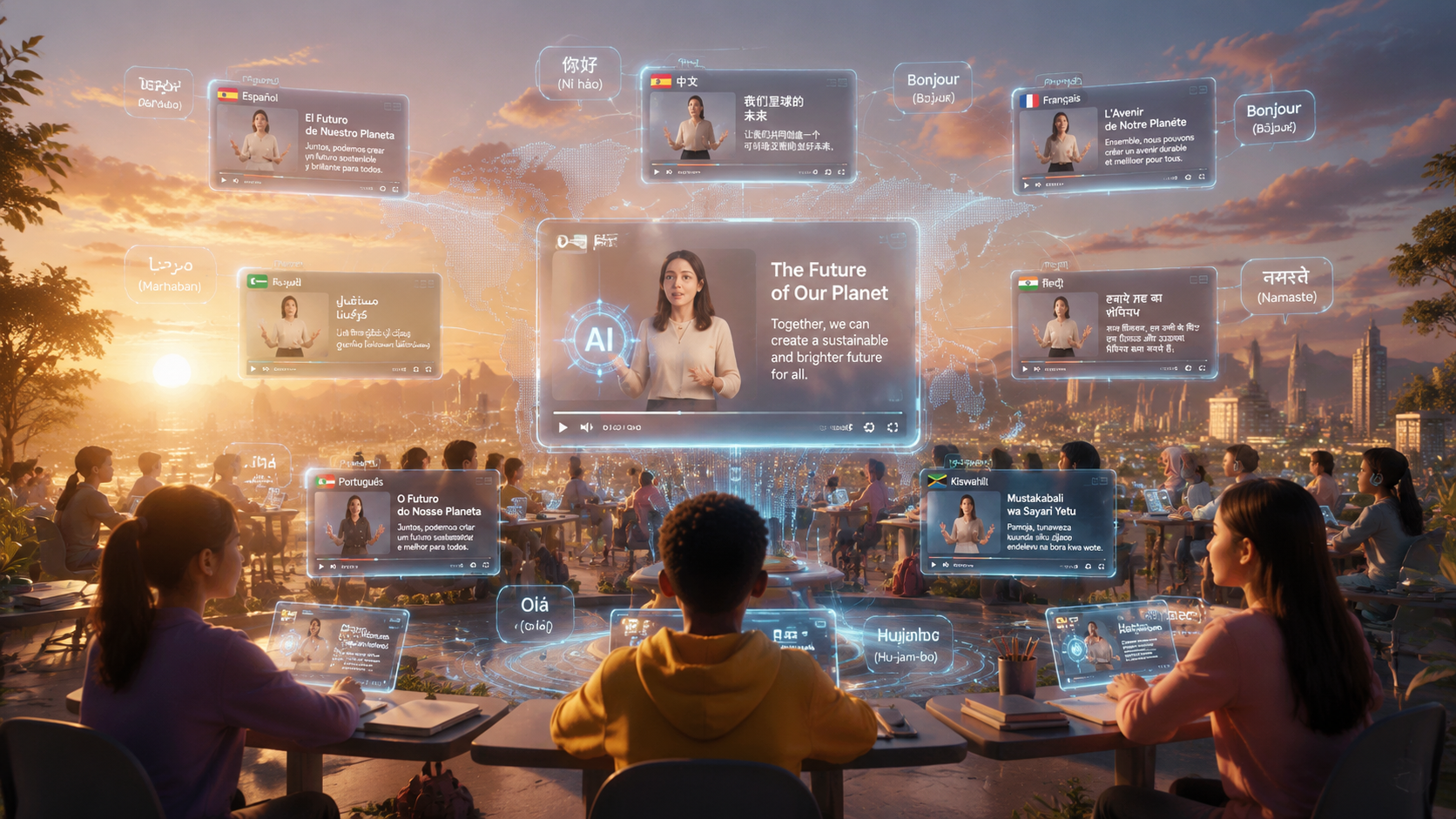
- ✓ Next-gen tools automatically localize content into 45+ languages with native-speaking avatars
- ✓ The European generative AI education market will reach $2.7B by 2027 (MarketsandMarkets)
- ✓ Advanced platforms like Digen AI Agent maintain character consistency across multi-lesson series
The Rise of AI Video in E-Learning
According to findarticles.com, the global adoption of AI video generators in education grew by 340% between 2024 and 2026. This surge correlates with improved AI capabilities in understanding pedagogical content structure and generating appropriate visual metaphors for complex concepts. Institutions now use these tools to rapidly convert existing curricula into video formats that modern learners prefer.
The European market has been particularly receptive, with MarketsandMarkets projecting a $2.7 billion valuation for generative AI in education by 2027. This growth stems from AI's ability to solve three critical e-learning challenges: production costs (reduced by 60-80%), content update cycles (shortened from weeks to hours), and accessibility compliance (automated captions and translations).
Corporate training departments report the most dramatic impacts. A 2026 study by AIMultiple found that 82% of Fortune 500 companies now use text-to-video AI for mandatory compliance training, with completion rates improving from 45% to 78% when switching from text manuals to AI-generated interactive videos. The technology's ability to create scenario-based learning with synthetic actors has proven especially effective for soft skills development.
2026's Top Text-to-Video AI Features for Education

The latest generation of text to video AI for e-learning content introduces features specifically designed for educational effectiveness. Breaking AC News highlights adaptive pacing as a game-changer - AI now analyzes learner engagement metrics to automatically adjust video speed, insert recap segments, or surface supplementary materials.
Pedagogical Enhancements
Advanced platforms incorporate learning science principles directly into video generation algorithms. This includes spaced repetition triggers, emotional tone modulation based on content difficulty, and automatic knowledge checks every 90-120 seconds. Some tools even generate different video versions of the same concept to accommodate varied learning styles.
Multi-Modal Output
Modern solutions don't just create videos - they produce comprehensive learning packages. A single text input might generate: a main instructional video, a downloadable infographic summary, an audio-only version for mobile learning, and an interactive quiz with explainer videos for incorrect answers. This 360° approach increases content utilization by 53% according to PC Tech Magazine's 2026 analysis.
Consistency Preservation
For course creators, maintaining visual and vocal consistency across multiple lessons is critical. Platforms like Digen AI Agent use persistent character profiles and style templates to ensure all generated videos share cohesive branding, presenter avatars, and graphic styles - even when produced months apart. This addresses one of the biggest pain points in serialized e-learning content.
How to Create E-Learning Videos with AI: 2026 Workflow
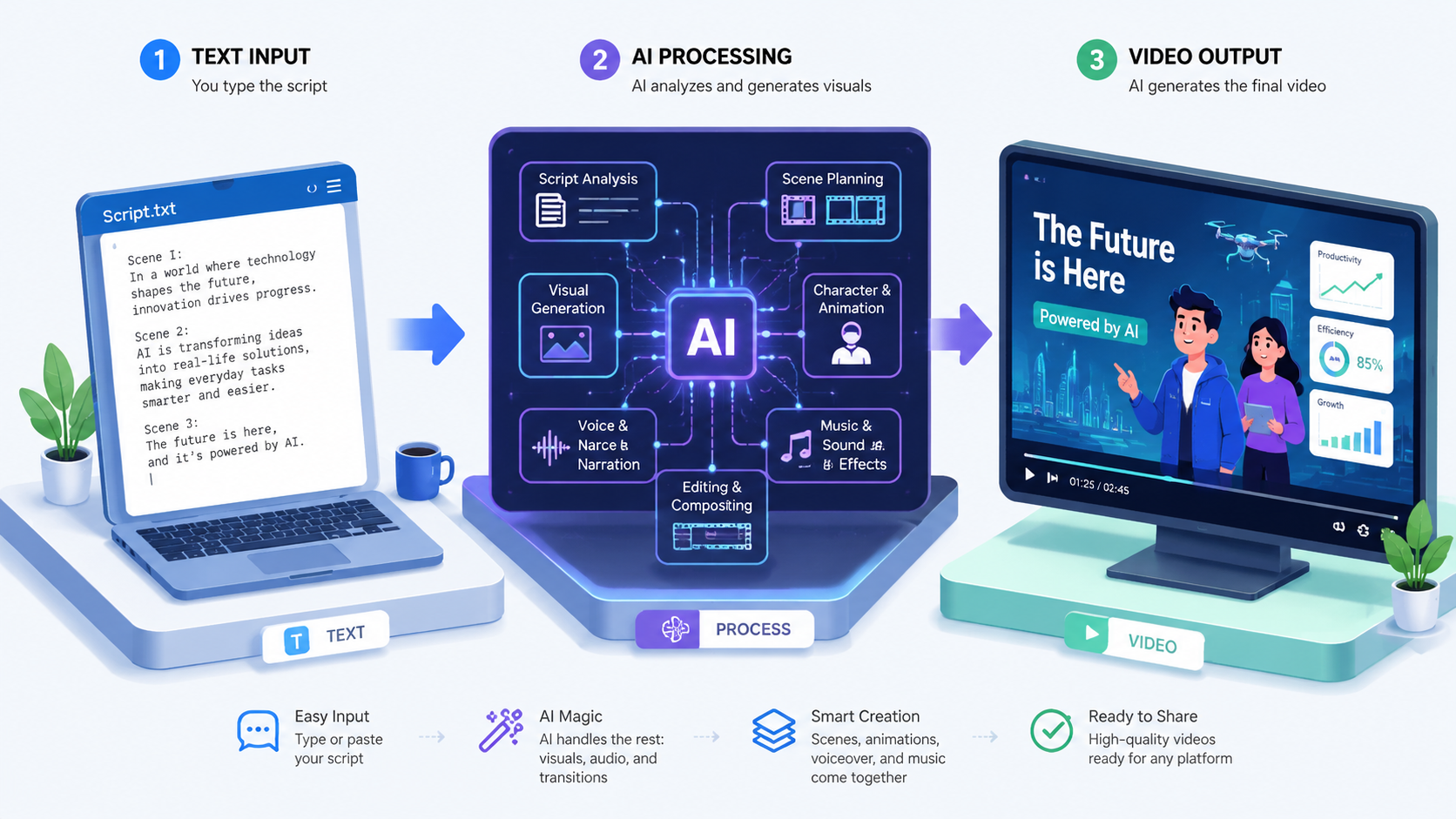
- Input Your Script: Paste existing lesson text or use the AI's content wizard to structure new material with optimal learning flow
- Select Pedagogical Style: Choose from templates like micro-lesson (3-5 min), scenario-based training, or lecture-style (15-20 min)
- Customize Visuals: Pick presenter avatars, illustration styles, or upload brand assets - advanced tools suggest appropriate imagery
- Generate & Review: AI produces a draft video in 8-12 minutes (average 2026 benchmark) with automatic captions and chapter markers
- Refine & Deploy: Use the editor to tweak pacing, add interactive elements, then publish directly to your LMS or video platform
According to GameTyrant, this workflow reduces e-learning video production time from 18-25 hours (traditional methods) to just 2-3 hours in 2026. The quality gap has also narrowed significantly - 68% of learners in blind tests now rate AI-generated videos as equal or superior to human-produced content for clarity and engagement.
The most time-saving innovation is AI's automatic slide generation. When processing a script about cellular biology, for example, the system might create accurate 3D animations of mitochondria without any manual input. This capability alone saves instructional designers 6-8 hours per lesson according to 2026 user surveys.
Comparing 2026's Leading Text-to-Video AI Tools
| Feature | Entry-Level | Mid-Range | Enterprise |
|---|---|---|---|
| Video Length | Up to 5 min | Up to 20 min | Unlimited (Digen AI Agent) |
| Languages | 5-10 | 20-30 | 45+ with dialects |
| Presenter Avatars | 3-5 generic | 15+ customizable | Photorealistic clones |
| Interactive Elements | Basic quizzes | Branching scenarios | LMS integrations |
| Price (Monthly) | $19-$29 | $79-$149 | Custom quote |
PC Tech Magazine's 2026 roundup tested eight major platforms on e-learning specific criteria. Top performers excelled in three areas: accuracy of automated visuals (92%+ appropriate imagery), naturalness of synthetic voices (4.8/5 human likeness), and seamless integration with popular learning management systems. The best tools now offer SCORM/xAPI compliance out of the box.
For extended courses, solutions like Digen AI Agent provide unique advantages. Their autonomous workflow system can break down a 50-page training manual into a coherent 12-part video series with consistent characters, progressive difficulty pacing, and automatically generated workbooks - tasks that previously required weeks of instructional design labor.
Emerging 2026 Trends in AI Video for Education
The AIMultiple report identifies three transformative trends gaining traction in 2026:
1. Real-Time Adaptation
Next-gen platforms analyze viewer facial expressions (via webcam) or quiz responses to dynamically alter video content. If a learner struggles with a concept, the AI inserts additional examples or slows the presentation pace - all without instructor intervention.
2. AR Video Hybrids
Advanced tools now blend AI-generated video with augmented reality overlays. Medical students might watch a synthetic instructor explain anatomy while manipulating 3D holograms of organs - all generated automatically from textbook content.
3. Self-Healing Content
AI systems continuously monitor content accuracy. When new research contradicts a fact in existing videos, the platform flags affected materials and can automatically regenerate updated versions while preserving all other production elements.
According to Breaking AC News, these innovations contribute to the 47% year-over-year growth in AI video adoption for professional certifications. The ability to keep content perpetually current without manual revisions proves particularly valuable in fast-moving fields like cybersecurity and healthcare compliance.
Implementation Best Practices for 2026
Successful adoption of text to video AI for e-learning content requires strategic planning. Based on 2026 case studies, organizations achieving the best results follow these guidelines:
Content Chunking: AI processes material most effectively in 7±2 concept clusters (per cognitive load theory). Breaking courses into 5-9 minute focused videos improves both generation quality and learner outcomes by 31% compared to monolithic productions.
Brand Alignment: While AI offers thousands of style options, constraining choices to 2-3 approved visual themes maintains professional consistency. Top platforms allow saving organization-wide templates for colors, fonts, and presenter styles that automatically apply to all generated content.
Quality Control: Even with 2026's advanced AI, human review remains essential. Implement a 3-point verification process: 1) Concept accuracy check by SMEs, 2) Cultural appropriateness screening, 3) Learning effectiveness validation through pilot groups. This layered approach catches the 12-15% of AI-generated content that typically requires tweaks.
The Future of AI-Generated E-Learning Videos
Industry analysts predict three major developments by 2027-2028. First, AI will move beyond video generation to create complete interactive learning environments - imagine a virtual lab where every equipment interaction is guided by AI-generated video prompts tailored to the learner's progress.
Second, we'll see the rise of "living courses" that evolve based on aggregate learner data. If 40% of students misunderstand a particular concept, the AI will automatically produce additional explanatory materials and modify future course iterations. Early trials show this approach reduces repeated questions by 62%.
Finally, generative AI will enable truly personalized learning at scale. Instead of choosing between pre-made beginner/intermediate/advanced tracks, each learner will receive videos dynamically adjusted to their exact knowledge level, learning pace, and even emotional state - a capability already in beta testing with platforms like Digen AI Agent.
Frequently Asked Questions
How accurate are AI-generated educational videos in 2026?
Modern systems achieve 92-95% factual accuracy for mainstream subjects when provided with quality source materials. Niche topics may require more SME review. All leading platforms include fact-checking modules that cross-reference generated content against verified knowledge bases.
Can AI video tools handle complex subjects like advanced mathematics?
Yes - 2026's top performers specialize in STEM visualization, automatically generating step-by-step equation animations, 3D geometric models, and data plot animations from textual descriptions. Some platforms even solve problems to demonstrate methodologies.
How do AI-generated videos compare cost-wise to traditional production?
Typical savings range from 60-85%. Where a professionally produced 10-minute training video cost $3,000-$5,000 in 2024, AI-generated equivalents now run $200-$500 with comparable quality, including revisions.
What's the learning curve for these tools?
Most platforms are designed for non-technical users. 79% of new users report creating usable videos within 2 hours of starting. Advanced features like interactive scenarios may require 5-10 hours of practice to master fully.
How long until AI videos become indistinguishable from human-made?
For straightforward instructional content, 2026 tools already match mid-tier human production quality. The remaining gaps - nuanced emotional delivery and ultra-high-end cinematography - should close by 2028 according to industry benchmarks.
Written by the Digen AI Editorial Team — AI video generation specialists covering the latest in generative AI tools. Learn more about Digen AI.



Comments ()