
Text to Video AI Commercial Use: 2026 Licensing Guide
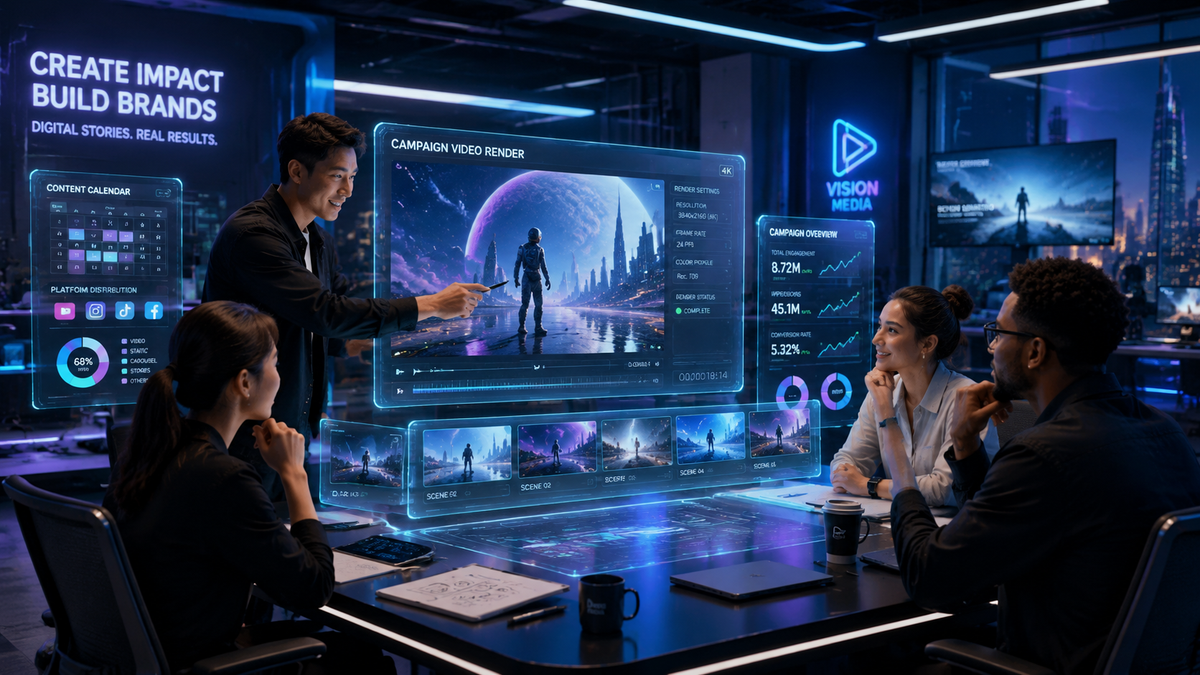
Navigating the legal landscape of text to video ai commercial use in 2026 requires a clear understanding of how licensing agreements have evolved to meet the demands of professional content creators. To use AI-generated video commercially, you must ensure that your subscription tier explicitly grants "Commercial Rights," which typically permits the use of generated assets in paid advertising, social media monetization, and corporate presentations. As of April 2026, major platforms like Shutterstock, Runway, and ByteDance have standardized these rights, provided that users adhere to specific ethical guidelines and disclosure requirements.
Text to video AI commercial use is the legal right to utilize AI-generated video content for profit-generating activities, such as marketing campaigns, product demos, or broadcast media. In 2026, this is generally secured through professional-tier subscriptions that offer indemnification against copyright claims and clear ownership of the output, distinguishing it from personal or "creative commons" usage tiers.
- ✓ Commercial rights are usually exclusive to paid "Pro" or "Enterprise" subscription tiers in 2026.
- ✓ New partnerships, such as Shutterstock’s integration with Google and Runway, provide vetted, "safe-for-work" commercial assets.
- ✓ ByteDance’s Seedance 2.0 has introduced cinematic-grade commercial licensing for multi-modal inputs.
- ✓ Legal indemnification is now a standard feature for top-tier AI video generation tools to protect businesses.
How to Secure Commercial Rights for AI Video in 2026
Securing the legal right to use AI video for business purposes is no longer a "gray area." By 2026, the industry has consolidated around a few specific steps that every marketing department or independent creator must follow to ensure compliance. Failure to secure the correct license can lead to DMCA takedowns or legal challenges from original data owners, especially as generative models become more sophisticated in their output.
- Select a Commercial-Grade Model: Choose a platform that offers a dedicated commercial license, such as Seedance 2.0 or the latest Runway AI builds integrated with stock libraries.
- Verify the Terms of Service (ToS): Read the 2026 updated ToS to ensure "Commercial Use" includes your specific intent, such as television broadcasting or third-party client work.
- Upgrade to a Paid Tier: Most free tiers, including the new "two free generations" offers from Shutterstock, are intended for testing and usually carry a "Personal Use Only" restriction.
- Document the Generation Process: Maintain a log of the prompts and seeds used, as some jurisdictions now require a "human-in-the-loop" audit trail for copyright registration.
- Apply Necessary Disclosures: Follow regional laws (such as the EU AI Act or US FTC guidelines) that may require a "Generated by AI" watermark or metadata tag for commercial advertisements.
Understanding the 2026 Licensing Landscape
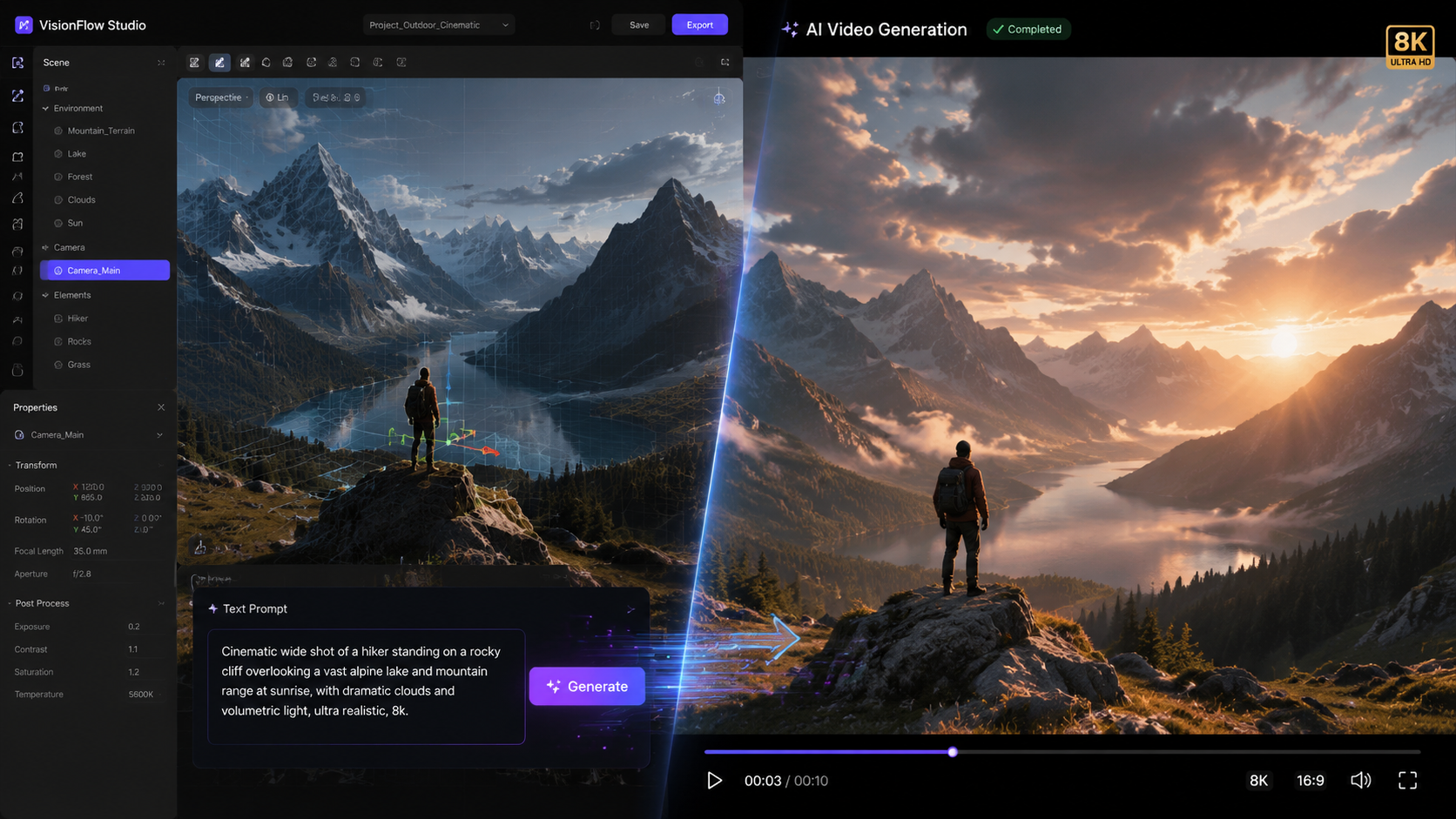
The landscape for text to video ai commercial use has been significantly reshaped by high-profile partnerships between tech giants and stock footage repositories. According to a report by Stock Titan released in April 2026, Shutterstock has successfully integrated Google’s latest video models and Runway AI into its ecosystem. This move allows creators to generate video directly within a licensed environment, ensuring that the training data is ethically sourced and that the resulting video is cleared for global commercial distribution.
The Rise of Ethical Training Sets
One of the biggest shifts in 2026 is the demand for "Clean AI." Businesses are moving away from "black box" models and toward platforms that disclose their training data sources. For instance, tools like Seedance 2.0 by ByteDance utilize cinematic-grade inputs that are pre-cleared for commercial applications. This reduces the risk of "accidental infringement," where an AI might generate a character or logo that too closely resembles protected intellectual property.
Indemnification and Corporate Safety
For enterprise users, the focus has shifted from mere generation to legal protection. Leading AI video generators now offer "Copyright Indemnification" as part of their enterprise packages. This means that if a company is sued for copyright infringement based on an AI-generated video, the software provider will cover the legal costs and damages. This has become a non-negotiable requirement for Fortune 500 companies looking to integrate AI into their 2026 marketing workflows.
Comparison of Top AI Video Tools for Commercial Use (2026)
Choosing the right tool depends on your budget, the required resolution, and the specific type of commercial rights you need. The following table compares the leading platforms based on the latest 2026 data from ALM Corp and Simplilearn.
| AI Video Generator | Primary Use Case | Commercial License Status | Key 2026 Feature |
|---|---|---|---|
| Seedance 2.0 (ByteDance) | Cinematic Commercials | Full Commercial (Paid) | Text/Image/Audio Multi-modal inputs |
| Runway AI (Gen-4) | VFX & Creative Media | Enterprise Grade available | Direct Shutterstock Integration |
| Google Video FX | Social Media Marketing | Included with Workspace Pro | Real-time style transfer |
| Sora (OpenAI Pro) | High-Fidelity Storytelling | Commercial Rights for Pro Users | 60-second continuous shots |
| Perfect Corp AI | Beauty & Fashion Ads | B2B Commercial Licensing | Hyper-realistic skin rendering |
Key Features Driving Text to Video AI Commercial Use
The technical capabilities of AI video generators in 2026 have reached a point where they are indistinguishable from traditional film in many contexts. According to Simplilearn, the primary drivers for commercial adoption are cost reduction and the ability to iterate on creative concepts in minutes rather than weeks. However, for a video to be commercially viable, it must meet high standards of consistency and resolution.
Multi-Modal Inputs and Seedance 2.0
ByteDance’s Seedance 2.0 has set a new benchmark for text to video ai commercial use by allowing users to input not just text, but also specific audio tracks and reference images. This "Multi-Modal" approach ensures that the generated video aligns perfectly with a brand's existing aesthetic. In a commercial context, this means a brand can upload their product photos and a voiceover script, and the AI will generate a perfectly synced video advertisement that is ready for broadcast.
Temporal Consistency and Quality Control
Earlier versions of AI video often suffered from "morphing" or "flickering" artifacts that made them unsuitable for professional use. By 2026, tools tested by Perfect Corp and ALM Corp have largely solved these issues. High-end models now maintain "temporal consistency," meaning characters and environments remain stable across the entire duration of the clip. This stability is essential for commercial use, where visual glitches can distract from the brand message and diminish the perceived quality of the product.
Legal and Ethical Considerations in 2026
While the technology has advanced, the legal requirements for text to video ai commercial use have become more stringent. Governments worldwide have introduced transparency mandates. According to Built In, over 28 top generative AI tools now include automated metadata tagging to identify AI-generated content. This is not just a legal requirement but a trust-building measure for consumers who are increasingly wary of deepfakes and synthetic media.
The Importance of "Human-in-the-Loop"
Current legal precedents in 2026 suggest that purely AI-generated content without human intervention may not be eligible for full copyright protection in certain jurisdictions. To combat this, commercial users are encouraged to employ a "Human-in-the-Loop" workflow. This involves using AI to generate the base footage but utilizing human editors to refine the pacing, color grading, and final composition. This hybrid approach not only improves quality but strengthens the legal claim to the final creative work.
Regional Variations in Licensing
It is crucial to remember that a commercial license valid in the United States may have different implications in the European Union or Asia. The EU's 2026 AI regulations require specific labels for "high-risk" AI applications, which can include certain types of targeted advertising. Businesses operating globally must ensure their AI video strategy accounts for these regional nuances to avoid heavy fines and brand damage.
Future Trends: What to Expect Beyond 2026
As we look toward the latter half of the decade, the integration of AI video into the standard marketing stack will only deepen. We are already seeing the emergence of "Personalized Commercials," where AI generates unique video variations for different audience segments in real-time. This level of hyper-personalization is the next frontier for text to video ai commercial use, moving beyond static ads to dynamic, data-driven visual experiences.
According to Perfect Corp's 2026 review of 22 leading generators, the "democratization of production" is the most significant outcome. Small businesses can now produce high-production-value video content that was previously only accessible to companies with million-dollar agency budgets. As licensing becomes more transparent and tools become more powerful, AI video will become the default medium for digital storytelling.
Can I use free AI video generators for my business?
Generally, no. Most free versions of tools like Runway or Seedance are for personal, non-commercial use. To use the videos in advertising or for profit, you must upgrade to a paid subscription that explicitly includes commercial licensing.
Do I own the copyright to the AI video I generate?
In 2026, ownership often depends on the "human effort" involved. While most platforms grant you a license to use the output commercially, the actual copyright may be limited unless you have significantly modified the video through human editing.
What is Seedance 2.0 and is it safe for commercial use?
Seedance 2.0 is ByteDance's cinematic AI video generator released in early 2026. It is designed for commercial use, offering high-fidelity outputs from text, image, and audio inputs, provided you are on a professional licensing tier.
Are there any restrictions on where I can post AI-generated commercials?
Most commercial licenses allow posting on social media, websites, and TV. However, platforms like YouTube and Meta now require you to disclose that the content was "Altered or Synthetic" if it appears hyper-realistic.
How does the Shutterstock and Runway partnership benefit creators?
This partnership, updated in April 2026, allows creators to generate AI video using Shutterstock's ethically sourced library. This provides a "safe" commercial path because the training data is fully licensed, reducing the risk of legal disputes.



Comments ()