
Text to Video AI Characters: 2026 Guide to Virtual Actors
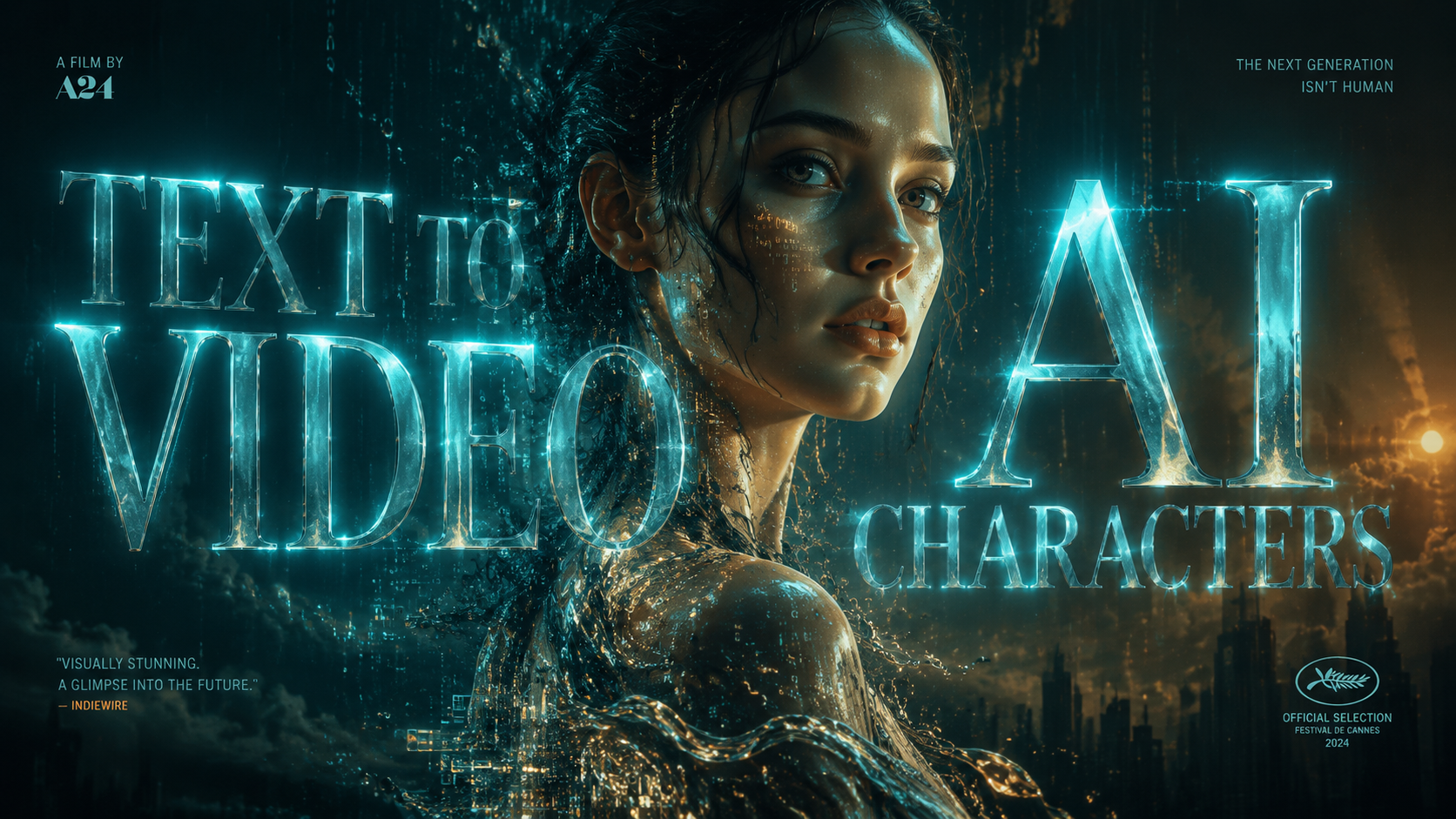
Text to video AI characters are hyper-realistic virtual actors generated from written prompts using deep learning models that synthesize motion, speech, and facial expressions. In 2026, this technology has evolved from simple lip-syncing to full-body performance capture, allowing creators to produce cinematic-quality footage without physical cameras or human talent. Using text to video ai characters effectively requires a balance of descriptive prompting and fine-tuning to ensure brand consistency and emotional resonance.
Text to video AI characters are digital entities created through generative artificial intelligence that transform text descriptions into moving, speaking avatars. These virtual actors are used in filmmaking, corporate training, and social media to provide a scalable, cost-effective alternative to traditional video production, leveraging advanced neural networks to simulate human-like movements and emotions in real-time.
- ✓ AI characters have transitioned from experimental "slop" to high-fidelity virtual actors capable of complex emotional performances.
- ✓ The 2026 landscape is dominated by specialized platforms like Cuty AI and Mango AI following the decline of early pioneers.
- ✓ Integration with real-time animation tools allows for seamless character consistency across different scenes and lighting environments.
- ✓ Ethical usage and "NSFW" filters remain a primary focus for enterprise-grade text-to-video tools.
The Evolution of Text to Video AI Characters in 2026
The year 2026 marks a significant turning point in the history of synthetic media. Earlier iterations of video AI were often criticized for the "uncanny valley" effect—a sense of unease caused by near-human but imperfect digital recreations. However, the current generation of virtual actors has largely overcome these hurdles. Today, text to video AI characters are indistinguishable from real humans in standard high-definition broadcasts, featuring micro-expressions, realistic hair physics, and naturalistic eye contact that was previously impossible to automate.
According to a recent report by Exploding Topics (April 2026), the market for AI video generators has bifurcated into high-end cinematic tools and accessible all-in-one creative suites. While the industry saw the dramatic exit of OpenAI’s Sora from the public and commercial spheres—including the dissolution of its high-profile deal with Disney—new leaders have emerged to fill the vacuum. These new platforms focus on "character persistence," ensuring that a virtual actor looks exactly the same across multiple shots, a feature that was the "holy grail" of AI video just two years ago.
The Rise of Specialized Virtual Actors
In 2026, we no longer see "one-size-fits-all" generators. Instead, creators utilize specialized engines for different niches. For example, some tools are optimized specifically for corporate presentations, while others, like Cuty AI, are marketed as all-in-one platforms that replace the entire creative toolbox, from scriptwriting to final color grading. This specialization allows for higher fidelity in specific movements, such as the intricate hand gestures required for instructional videos or the subtle facial tics needed for dramatic storytelling.
How to Create High-Quality Text to Video AI Characters
Creating a professional-grade virtual actor involves more than just typing a name. It requires a strategic approach to prompting and a deep understanding of the underlying engine's capabilities. Follow these steps to generate your first high-fidelity character:
- Define the Persona: Start with a detailed physical description, including age, ethnicity, clothing style, and specific features like "salt-and-pepper hair" or "weathered skin."
- Set the Emotional Tone: In your prompt, specify the character's mood. Instead of "a man talking," use "a confident executive delivering a keynote with a sense of urgency and warmth."
- Choose the Environment: Describe the lighting and background. For instance, "cinematic rim lighting in a futuristic boardroom" helps the AI calculate how light should reflect off the character's skin.
- Select a Voice Profile: Match the visual character with a synthetic voice that carries the correct accent, pitch, and cadence.
- Generate and Iterate: Use "seed numbers" to maintain consistency. If you like a specific character's face, lock the seed to use that exact model in different scenarios.
As noted by WebWire in January 2026, tools like Mango AI have introduced streamlined interfaces that allow users to visualize complex ideas through text prompts in seconds. This democratization of video production means that small businesses can now produce content that rivals the quality of major studios.
Comparing the Top AI Character Platforms of 2026
The competitive landscape has shifted dramatically this year. With the reported death of Sora at OpenAI, which IndieWire and Futurism characterized as a "disastrous" pivot for the company in March 2026, other players have seized the throne. The following table compares the leading platforms currently used for generating text to video AI characters.
| Platform | Primary Use Case | Key Feature | Character Realism |
|---|---|---|---|
| Cuty AI | Full Creative Production | Integrated Toolbox | Ultra-High |
| Mango AI | Visualizing Concepts | Rapid Prototyping | High |
| My Dream Companion | Personalized Animation | NSFW Integration | Stylized/Realistic |
| Exploding Topics Top 7 | Marketing & Social Media | Trend-Based Templates | Variable |
Why Character Consistency Matters
One of the biggest challenges in 2026 remains "temporal consistency." This refers to the AI's ability to keep a character's features stable from one frame to the next. High-end platforms now use "LoRA" (Low-Rank Adaptation) models that allow users to train a small data packet on a specific character's face, ensuring that whether they are laughing, crying, or running, they remain recognizable as the same individual. This is essential for long-form storytelling and brand mascot development.
Technical Breakthroughs in Virtual Actor Animation
The technology behind text to video ai characters has moved beyond simple 2D manipulation. In 2026, we are seeing the integration of 3D Gaussian Splatting and neural radiance fields (NeRFs) into the video generation pipeline. This allows the AI to understand the character as a three-dimensional object in space, rather than just a collection of pixels. When you prompt a character to turn around, the AI knows what the back of their head looks like because it has constructed a 3D understanding of that virtual actor.
Furthermore, the integration of real-time physics engines means that clothing and hair now react realistically to the virtual environment. If your prompt mentions a "windy day," the AI calculates the movement of the character's jacket and hair accordingly. According to The Jerusalem Post (February 2026), platforms like Cuty AI are leading this charge by offering "all-in-one" solutions that handle these complex physics calculations in the cloud, removing the need for users to own expensive local hardware.
Voice-to-Motion Synchronization
Another major leap in 2026 is the perfection of "phoneme-to-gesture" mapping. In previous years, AI characters often looked static while their mouths moved. Now, the AI analyzes the emotional subtext of the audio—whether generated from text or uploaded by a human—and automatically generates corresponding body language. A sigh in the audio will trigger a slump in the shoulders; a shout will cause the eyebrows to furrow and the hands to gesticulate wildly.
Ethical Considerations and the "Slop" Controversy
As the quality of text to video ai characters reaches its peak, the industry is grappling with the ethical implications of "deepfake" technology and low-quality automated content. In March 2026, Futurism reported on the backlash against what critics called "AI slop"—mass-produced, low-effort video content that flooded social media platforms. This led to a "quality over quantity" movement, where platforms began implementing stricter filters and better curation tools.
Moreover, the dissolution of the Disney-OpenAI deal highlighted the tension between traditional Hollywood and AI startups. Major studios are now opting to build their own proprietary models using "clean" data—footage they own or have licensed—to avoid the copyright pitfalls that plagued the early 2020s. For the average creator, this means that using licensed platforms like Mango AI or Cuty AI is safer than using "open" models that may have been trained on copyrighted material without permission.
The Role of NSFW and Personalized Content
The market has also seen a rise in personalized, niche applications. As reported by Iredell Free News in February 2026, integrations like "My Dream Companion" have found success by focusing on seamless animation for personalized characters. While controversial, these developments have pushed the boundaries of what is possible in terms of character interaction and responsiveness, leading to improvements in how all AI characters handle proximity and touch in virtual space.
Frequently Asked Questions
What is the best text to video AI for characters in 2026?
Cuty AI and Mango AI are currently the top-rated platforms. Cuty AI is preferred for professional, all-in-one production, while Mango AI is excellent for quick concept visualization and ease of use.
Can I use AI characters for commercial movies?
Yes, provided you use a platform that grants commercial usage rights and uses ethically sourced training data. Many studios in 2026 use these tools for background characters and complex visual effects shots.
Is OpenAI's Sora still available?
As of March 2026, reports from IndieWire and Futurism indicate that OpenAI has effectively ended the Sora project following a disastrous reception and the loss of major partnership deals.
How do I ensure my AI character looks the same in every video?
Use platforms that support "Character Consistency" features or "Seed Locking." By using the same seed number and reference images, the AI can recreate the same facial structure and body type across different prompts.
Do I need a powerful computer to generate AI videos?
No, most leading 2026 tools are cloud-based. All the heavy processing is done on the provider's servers, allowing you to generate high-quality 4K video from a standard laptop or even a mobile device.



Comments ()