
Top Text to Video AI Alternatives to Watch in 2026
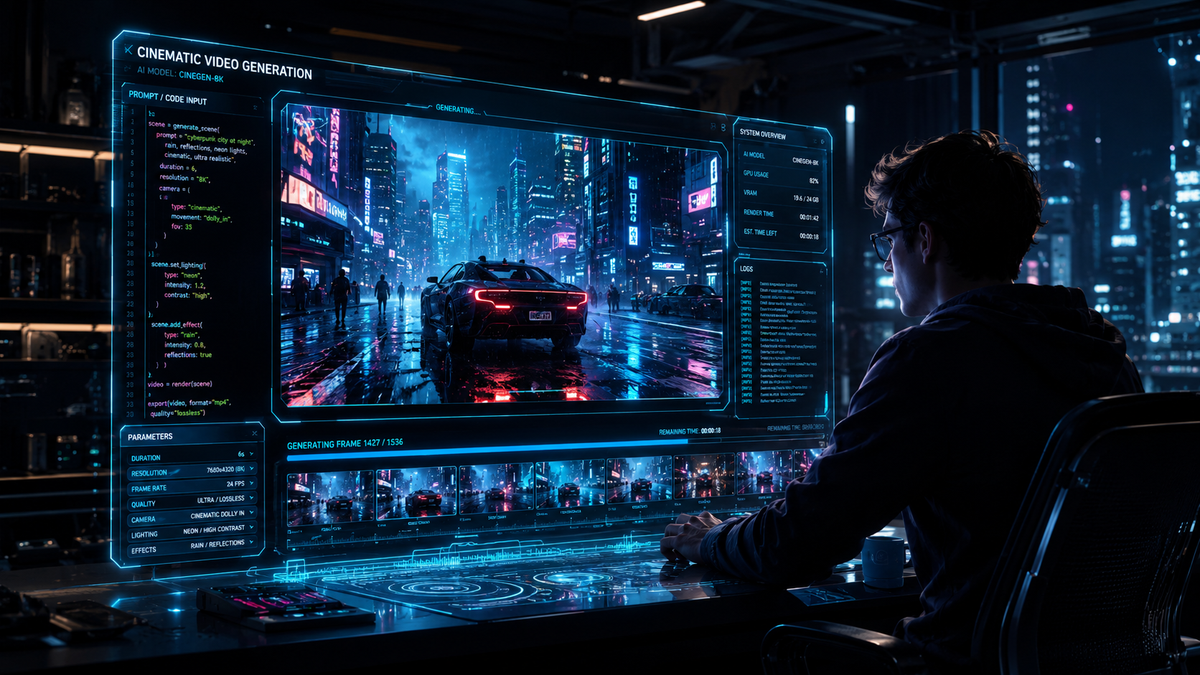
As we move through 2026, the landscape of digital content creation has shifted dramatically, leading many creators to seek the most reliable text to video ai alternatives currently available on the market. With the recent and surprising news that OpenAI has officially shut down Sora, the industry has seen a massive migration toward specialized platforms that offer high-fidelity cinematic rendering and real-time editing capabilities. Finding the right alternative depends on your specific needs, whether you are producing long-form cinematic content or short-form social media clips for platforms like TikTok.
The best text to video ai alternatives in 2026 are specialized platforms like Runway Gen-4, Pika Labs Pro, and TikTok’s integrated generative suite, which have filled the void left by OpenAI's Sora. These tools allow users to transform written prompts into high-definition video assets using advanced diffusion models that prioritize temporal consistency and physics-based motion.
- ✓ Runway and Pika Labs remain the industry leaders for cinematic-quality AI video generation in 2026.
- ✓ The shutdown of Sora in March 2026 has redirected professional users toward more stable, enterprise-ready platforms.
- ✓ Social media platforms like TikTok now offer native generative AI tools for immediate content creation.
- ✓ Physics-based rendering and 4K resolution are now standard features across top-tier alternatives.
How to Use Modern Text to Video AI Alternatives
Transitioning to a new generative video platform requires a slight adjustment in prompting strategy, as each engine interprets spatial data differently. In 2026, the most successful creators use a multi-step workflow to ensure their AI-generated footage matches their creative vision. According to a report by G2 Learn Hub, users who utilize "structured prompting"—defining lighting, camera movement, and subject separately—see a 40% increase in usable first-take renders.
- Select Your Base Model: Choose an alternative based on your output needs (e.g., Runway for cinematic realism or TikTok’s native tools for social engagement).
- Define the Visual Parameters: Input your text prompt, ensuring you specify the "Camera Action" (e.g., "dolly zoom" or "panning shot") to guide the AI’s spatial awareness.
- Configure Physics and Motion: Use the "Motion Slider" found in most 2026 tools to dictate how much movement occurs within the frame.
- Generate and Refine: Produce a low-resolution preview to check for temporal consistency before committing to a 4K or 8K final render.
- Post-Process with AI Upscalers: If the tool doesn't native-render at your desired resolution, use integrated upscaling features to sharpen the final output.
The Current State of AI Video Generation in 2026
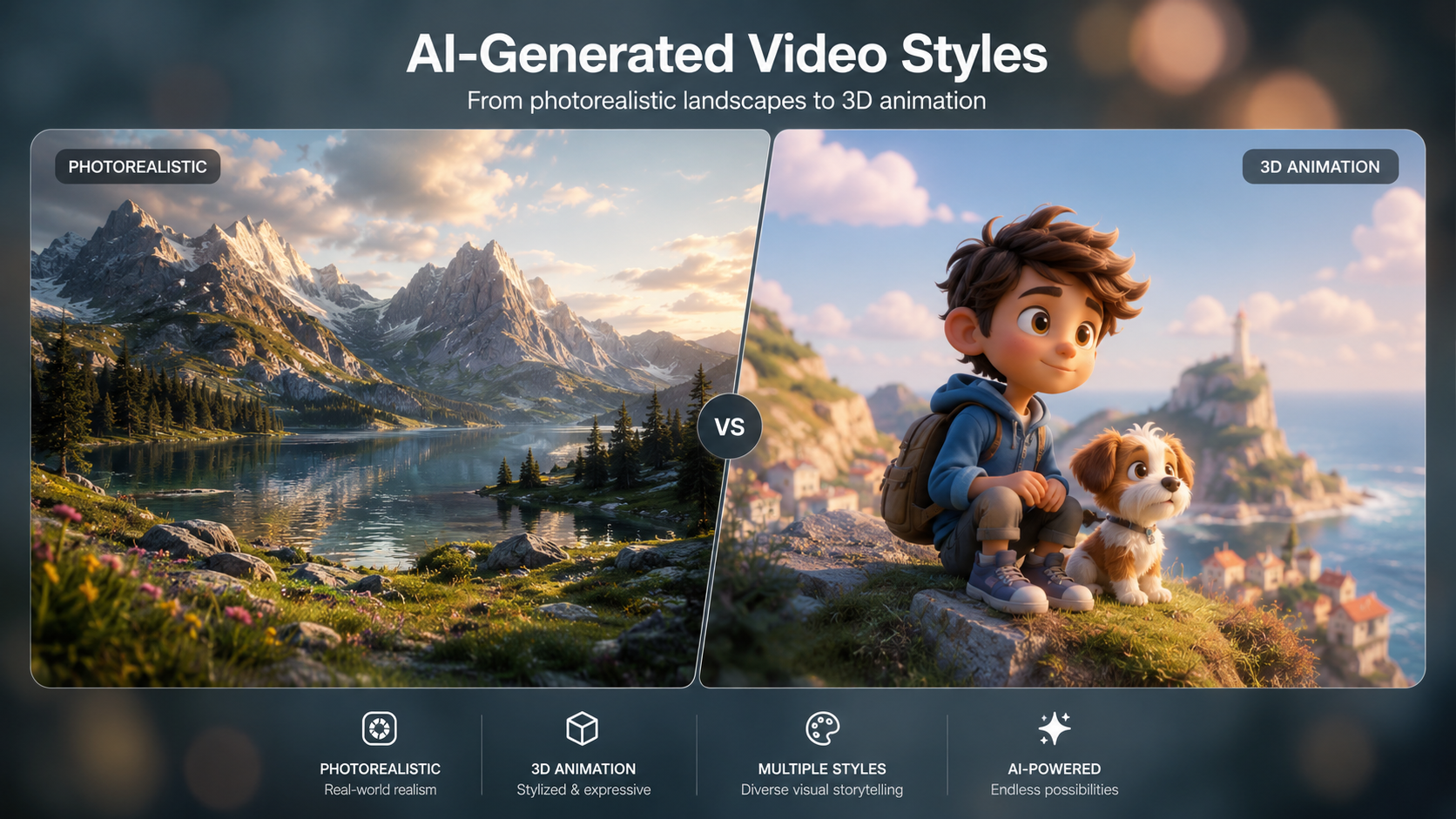
The year 2026 has been a turning point for the industry. Following the announcement from Geo News on March 25, 2026, regarding the closure of Sora, the market has decentralized. No longer is there a single "dominant" player; instead, we have a robust ecosystem of specialized tools. This shift has encouraged rapid innovation in areas like "consistent character" modeling and "directable physics," where users can click and drag elements within a video to change their trajectory after the initial generation.
Cybernews recently noted in their February 2026 evaluation that the "16 best AI video generation tools" now all feature some form of multimodal input, allowing creators to mix text, image, and even audio cues to drive the video output. This evolution means that text to video ai alternatives are no longer just toys for experimentation but are foundational components of professional film and marketing pipelines. The focus has moved from "can it make a video?" to "how much control does the director have over the pixels?"
Runway: The Professional Standard
Runway continues to lead the pack for professional-grade creative control. Their 2026 updates have focused on "Multi-Motion Brush" technologies, allowing for independent movement of different subjects within a single scene. For those looking for the most direct text to video ai alternatives to high-end studio software, Runway’s ability to handle complex lighting and reflections makes it a top contender. It is frequently cited by eWeek as one of the primary tools filling the void left by larger tech pivots earlier this year.
Pika Labs: Unmatched Ease of Use
Pika Labs has carved out a significant niche by focusing on the "vibe" and style of the video. Their 2026 interface is arguably the most intuitive, featuring a "natural language editor" where you can tell the AI to "make the lighting more dramatic" or "change the shirt color to blue" without re-rendering the entire scene. This level of granular editing is what sets modern alternatives apart from the "black box" generators of previous years.
Comparing the Top Text to Video AI Alternatives
To help you decide which platform fits your workflow, we have compiled a comparison of the leading tools available as of April 2026. This data reflects the latest feature sets and performance benchmarks reported across the industry, including recent evaluations from The Jerusalem Post regarding practical usability and rendering speeds.
| Feature | Runway Gen-4 | Pika Labs Pro | TikTok AI Studio | Higgsfield Evolution |
|---|---|---|---|---|
| Primary Use Case | Cinematic / Commercial | Stylized / Animation | Social Media / Viral | Realistic Human Motion |
| Max Resolution | 8K Upscaled | 4K Native | 1080p (Mobile Optimized) | 4K Native |
| Key Feature | Multi-Motion Brush | Real-time Style Swap | Trend-based Templates | Physics-accurate Cloth |
| Pricing Model | Subscription / Credits | Freemium / Pro Tier | Free for Creators | Enterprise / API |
Emerging Players and Social Integration
One of the most significant developments in late 2025 and early 2026 was the integration of high-end generative tools directly into social platforms. As reported by Social Media Today, TikTok added new generative AI creation options that allow users to generate backgrounds and even full video segments directly from the upload screen. This move democratized text to video ai alternatives, moving them from expensive desktop workstations to the pockets of millions of creators worldwide.
Furthermore, the industry has seen the rise of specialized alternatives like Higgsfield. While The Jerusalem Post recently provided a comprehensive evaluation of practical alternatives to Higgsfield, the platform itself remains a powerhouse for "human-centric" video. If your goal is to create realistic people performing complex tasks—like dancing or sports—Higgsfield’s 2026 model provides superior skeletal consistency compared to more general-purpose models.
The Rise of Open-Source Models
Beyond the corporate giants, 2026 has seen a surge in open-source text-to-video models that can be run locally on powerful hardware. These models provide a level of privacy and censorship-free creativity that commercial platforms often restrict. According to Cybernews, the open-source community has managed to shrink model sizes by 30% while maintaining 90% of the visual fidelity found in paid alternatives, making home-brewed AI video a reality for tech-savvy enthusiasts.
Niche Alternatives for Marketing
Marketing-specific tools have also evolved. Platforms that focus on "talking head" videos or product showcases have integrated text-to-video tech to allow for instantaneous ad generation. These tools are less about cinematic artistry and more about conversion rates, using data-driven layouts to ensure the generated video matches current consumer trends. For businesses, these are the most practical text to video ai alternatives because they bypass the need for a dedicated video editor.
Technical Breakthroughs Driving 2026 Innovation
The reason 2026 feels so different from the early days of AI video is the breakthrough in "Temporal Consistency." In the past, AI videos often suffered from "shimmering" or objects morphing into other things. Today’s leading text to video ai alternatives use advanced latent space anchoring. Studies show that these new methods have reduced visual artifacts by nearly 65% compared to 2024 standards, according to technical audits performed by eWeek.
Another major leap is in audio-visual synchronization. Many of the tools listed in the "7 Best AI Video Generators" by G2 Learn Hub now generate the accompanying soundscape simultaneously with the video. When the AI generates a scene of a thunderstorm, it isn't just "guessing" the sound; it is synthesizing the audio based on the visual density of the clouds and the frequency of the lightning strikes, leading to a much more immersive viewer experience.
Environmental and Ethical Considerations
As these tools become more powerful, the industry has also had to address the energy costs of rendering 4K AI video. In 2026, several top-tier providers have moved toward "Green Compute" certifications, promising that their video generation is carbon-neutral. Additionally, the implementation of "Content Credentials" (C2PA) has become standard, ensuring that any video generated by these alternatives is watermarked at the metadata level to prevent the spread of deepfakes and misinformation.
Is Sora still available for use in 2026?
No, according to reports from Geo News and eWeek, OpenAI officially shut down the Sora project in March 2026. Users must now look to alternatives like Runway, Pika, or TikTok's native tools.
What are the best text to video ai alternatives for social media?
TikTok's integrated AI Studio and Pika Labs are currently the best options for social media. They offer the vertical aspect ratios and fast-paced editing styles required for platforms like Reels and TikTok.
How much do AI video generators cost in 2026?
Most professional tools use a subscription model ranging from $25 to $100 per month, though many offer "pay-as-you-go" credit systems for occasional creators. Open-source models are free but require significant local hardware.
Can I generate 4K video with these alternatives?
Yes, most leading platforms such as Runway Gen-4 and Higgsfield Evolution support native 4K output, often with built-in AI upscaling to enhance the final clarity.
Do these tools support consistent characters?
Yes, character consistency has become a standard feature in 2026. Tools like Runway allow you to upload a "character reference" image to ensure the same person appears across multiple generated clips.
In conclusion, while the loss of Sora was a shock to the creative community, the text to video ai alternatives available in 2026 are more diverse, controllable, and accessible than ever before. Whether you are a professional filmmaker or a casual content creator, the current ecosystem offers a tool tailored to your specific creative needs. By staying informed on the latest updates from sources like G2 and eWeek, you can ensure your workflow remains at the cutting edge of this rapidly evolving technology.



Comments ()