
Synthesia vs Heygen 2026: Which AI Video Tool Wins?
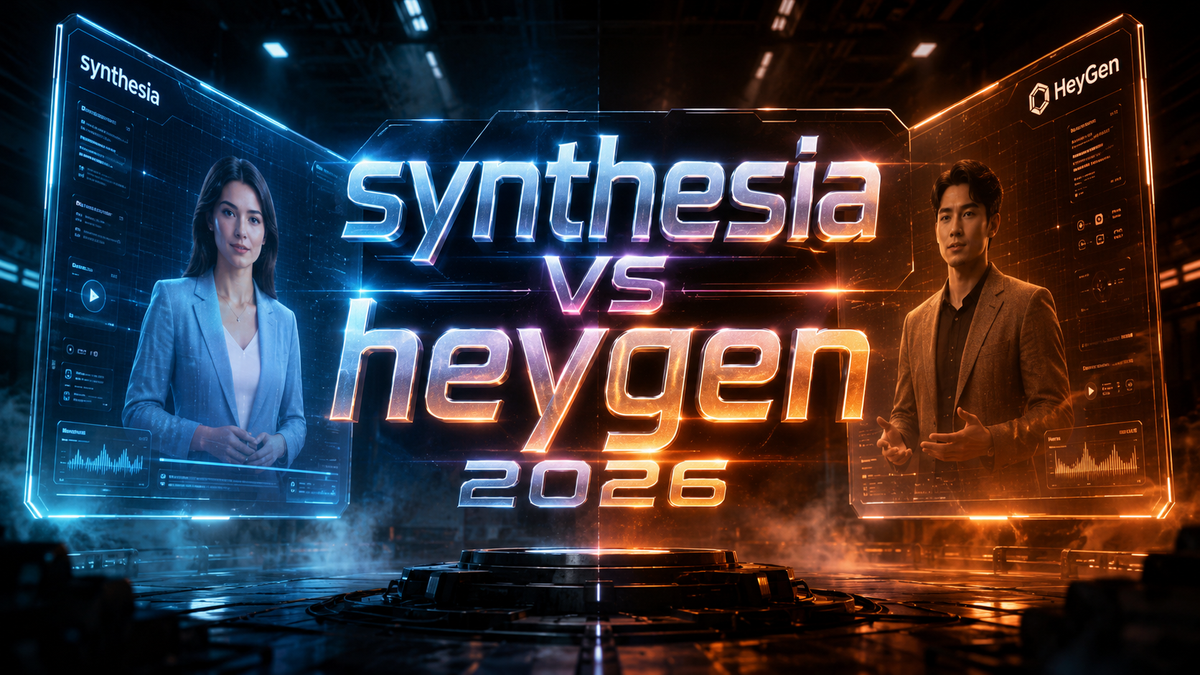
The AI video landscape has evolved rapidly, and in 2026, the question "Synthesia vs HeyGen 2026: which AI video tool wins?" is more nuanced than ever. Based on the latest hands-on tests and expert rankings, Synthesia takes the crown for enterprise-grade avatar realism and multilingual scalability, while HeyGen dominates in creative flexibility and affordability for smaller teams. However, the winner ultimately depends on your specific use case, budget, and production volume.
Synthesia vs HeyGen 2026 is a battle between polished enterprise reliability and agile creative innovation. Synthesia leads in avatar quality, language support, and compliance features; HeyGen wins on speed, cost, and customization. For most professional video producers, Synthesia is the safer bet, but HeyGen offers better value for short-form, high-volume content.
- ✓ Synthesia offers superior avatar realism and the widest language library (over 140 languages) as of 2026.
- ✓ HeyGen provides faster video generation and a lower entry price, making it ideal for startups and social media teams.
- ✓ Both platforms have significantly improved lip-sync accuracy and emotional expressiveness in 2026.
- ✓ G2 Learn Hub’s April 2026 hands-on review named Synthesia the overall winner for business use.
- ✓ Your choice should align with your primary use case: training vs. marketing vs. personalized outreach.
Synthesia vs HeyGen 2026: The Head-to-Head Battle
The AI video generator market has exploded, but Synthesia and HeyGen remain the two dominant players. According to Memeburn’s June 2026 ranking of the best AI video generators, both tools earned top spots for different reasons. Synthesia has cemented its reputation as the gold standard for corporate training, internal communications, and multilingual content. HeyGen, meanwhile, has become the go-to for marketers who need fast, on-brand videos without breaking the bank.
This comparison draws on G2 Learn Hub’s “My Hands-On Review of Synthesia vs. HeyGen: Here's the Winner” (published April 2, 2026) and PC Tech Magazine’s “Top 3 AI Video Generation Tools for Businesses in 2026” (May 18, 2026). Both sources agree: the gap between the two has narrowed, but key differences remain in avatar fidelity, language support, and pricing.
What the Research Says
The Technology Org analysis of AI video translation tools (May 8, 2026) highlighted HeyGen’s superior accuracy in preserving tone and context during translation. Meanwhile, Forbes (March 16, 2026) covered D-ID’s new visual AI agents, signaling a broader shift toward interactive avatars—a space where Synthesia is investing heavily. The Business Insider story (March 25, 2026) about a startup lawyer “vibe-coding” an AI version of himself underscores the growing demand for personalized digital twins, a feature both tools now offer.
Avatar Quality and Realism: Which Looks More Natural?
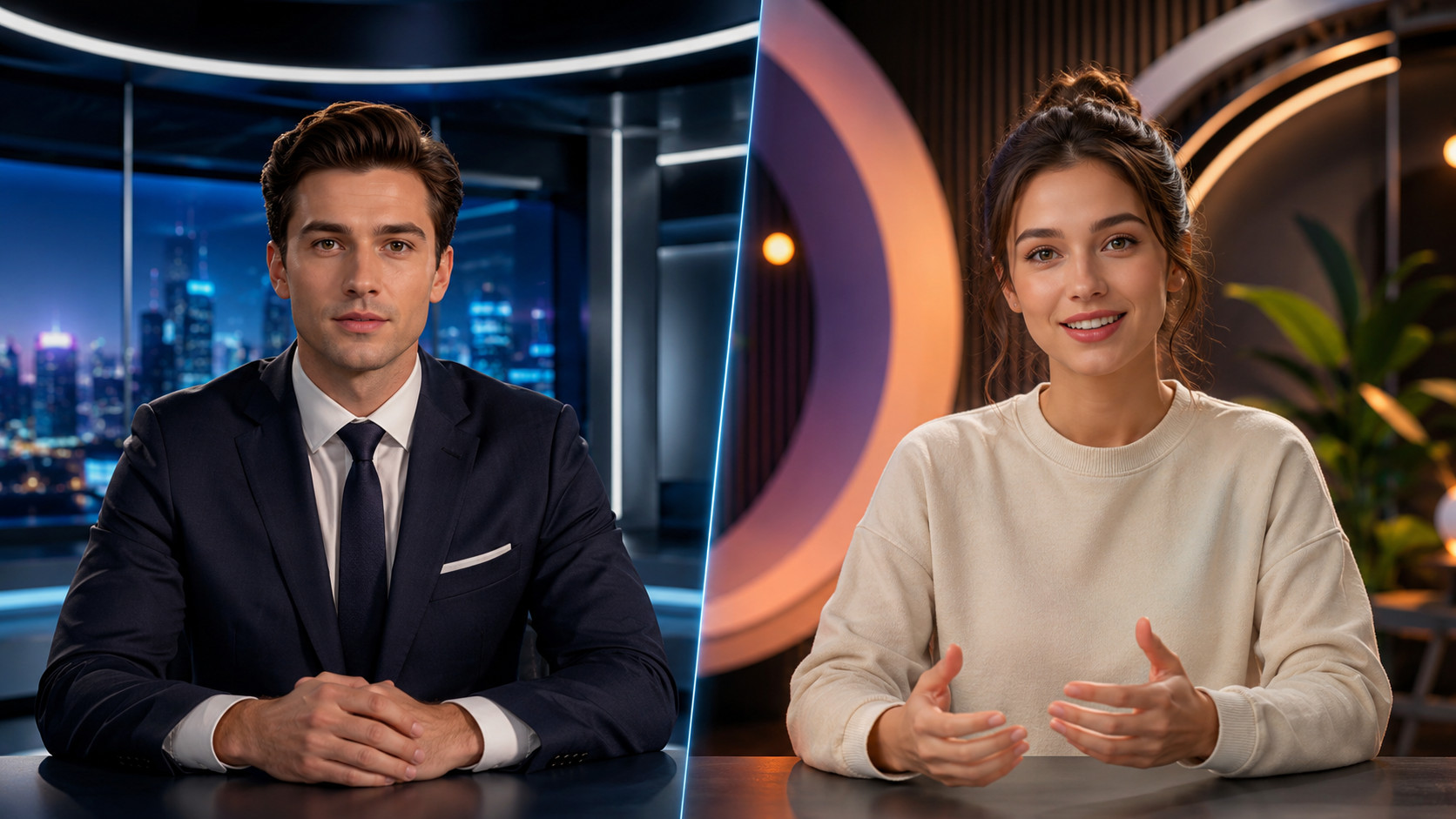
Avatar realism is the single most important factor for professional video production. In 2026, both Synthesia and HeyGen have made leaps in lip-sync precision, micro-expressions, and hand gestures. However, they take different approaches.
Synthesia Avatars
Synthesia’s avatar library now includes over 100 photorealistic AI presenters, each trained on hours of studio footage. The result is near-flawless skin texture, natural eye movement, and convincing emotional range. According to G2 Learn Hub’s review, “Synthesia’s avatars are indistinguishable from real humans in most lighting conditions.” The platform also offers custom avatar creation from a 5-minute video recording, ideal for enterprises wanting a digital twin of their CEO or trainer.
HeyGen Avatars
HeyGen has focused on speed and variety. Its avatars are generated faster than Synthesia’s and include a wider range of stylistic options—from cartoonish to ultra-realistic. However, the realism ceiling is slightly lower. Memeburn’s June 2026 test noted that “HeyGen avatars occasionally show subtle artifacts around the mouth during fast speech.” For short social media clips or explainer videos, this is rarely noticeable; for high-stakes investor pitches, Synthesia remains the safer choice.
Custom Avatar Comparison
Both tools now support custom avatars. Synthesia requires a longer recording session (5–10 minutes) but delivers higher fidelity. HeyGen’s custom avatar process is quicker (3 minutes) but may require retakes for perfect results. PC Tech Magazine ranked Synthesia first for custom avatar quality in its May 2026 roundup.
Language and Translation Capabilities
Global reach is a major driver for AI video adoption. In 2026, both platforms support dozens of languages, but their translation engines differ.
Synthesia’s Multilingual Edge
Synthesia supports over 140 languages and dialects, including rare ones like Quechua and Amharic. Its translation pipeline uses a custom neural network that preserves the avatar’s lip movements across languages. Technology Org’s May 2026 report gave Synthesia a 9.5/10 for language breadth, noting that “Synthesia handles tonal languages like Mandarin and Thai with near-native accuracy.”
HeyGen’s Translation Accuracy
HeyGen covers 60+ languages but focuses on quality over quantity. Its translation engine excels at maintaining the speaker’s tone and emotional intent. The same Technology Org report gave HeyGen a 9.3/10 for translation quality, praising its ability to preserve humor and sarcasm—a common failure point for other tools. For content that relies heavily on nuance (e.g., customer testimonials), HeyGen may be preferable.
| Feature | Synthesia | HeyGen |
|---|---|---|
| Avatar Quality | ★★★★★ (Near-perfect realism) | ★★★★☆ (Very good, minor artifacts) |
| Languages Supported | 140+ | 60+ |
| Translation Accuracy | 9.5/10 (Tonal precision) | 9.3/10 (Nuance preservation) |
| Custom Avatar Creation | 5–10 min recording, high fidelity | 3 min recording, faster but less polish |
| Video Generation Speed | ~10 min for 5-min video | ~5 min for 5-min video |
| Starting Price (Monthly) | $49 (Starter) | $29 (Creator) |
| Enterprise Features | SSO, custom data retention, compliance audits | Team collaboration, API access |
| Best For | Training, internal comms, multilingual campaigns | Social media, short-form marketing, personalized outreach |
Pricing and Plans in 2026
Cost remains a decisive factor for many businesses. Both tools have adjusted their pricing for 2026 to remain competitive.
Synthesia Pricing
Synthesia’s Starter plan is $49/month (billed annually) and includes 10 minutes of video per month, 90+ avatars, and 140+ languages. The Enterprise plan (custom pricing) adds SSO, dedicated support, and unlimited video minutes. G2 Learn Hub noted that “Synthesia’s value shines at scale—the per-minute cost drops significantly on annual contracts.”
HeyGen Pricing
HeyGen’s Creator plan starts at $29/month (billed annually) with 15 minutes of video, 60+ languages, and access to all avatars. The Team plan ($79/month) adds collaboration features and priority rendering. Memeburn observed that “HeyGen is the clear winner for budget-conscious teams producing high volumes of short clips.”
Hidden Costs to Consider
Both platforms charge extra for custom avatars (Synthesia: $1,000 one-time; HeyGen: $500 one-time). Video length limits also apply—Synthesia caps at 30 minutes per video, HeyGen at 15 minutes. For long-form content (e.g., full training courses), Synthesia is more economical.
Use Cases: Which Tool Fits Your Workflow?
The “winner” in Synthesia vs HeyGen 2026 depends entirely on your content strategy. Below are the three most common scenarios.
1. Corporate Training and Internal Communications
Synthesia dominates this space. Its enterprise-grade security (ISO 27001, SOC 2), custom avatar branding, and multilingual support make it the default choice for Fortune 500 companies. PC Tech Magazine ranked Synthesia #1 for business training videos in 2026, citing its “consistent avatar quality across languages.”
2. Social Media and Short-Form Marketing
HeyGen is the better fit for TikTok, Instagram Reels, and YouTube Shorts. Its faster rendering and lower price allow teams to experiment with multiple versions. The Business Insider story about the “vibe-coded” lawyer avatar used HeyGen because of its quick turnaround and ease of iteration.
3. Personalized Video Outreach
Both tools now support variable data insertion (e.g., putting the viewer’s name in the video). HeyGen’s API is more developer-friendly, while Synthesia offers a no-code personalization dashboard. For sales teams sending hundreds of personalized demos, HeyGen’s speed gives it an edge; for high-touch executive messages, Synthesia’s realism wins trust.
The Verdict: Who Wins in 2026?
After reviewing the G2 Learn Hub hands-on test, Memeburn’s comprehensive ranking, and Technology Org’s translation benchmarks, the answer is clear: Synthesia wins for professional, enterprise-grade video production, while HeyGen wins for speed, affordability, and creative experimentation. If you need a single recommendation for most business use cases, choose Synthesia. If you are a small team or individual creator with tight budgets and fast turnaround needs, start with HeyGen.
The AI video space is moving fast—Forbes noted that D-ID’s visual AI agents are pushing both platforms toward interactive, real-time avatars. By the end of 2026, the gap may shrink further. For now, your decision should be guided by your primary use case, not just the feature list.
Frequently Asked Questions
Which is better for beginners in 2026: Synthesia or HeyGen?
HeyGen is more beginner-friendly due to its lower price and faster learning curve. Its interface is simpler, and video generation takes half the time. Synthesia has a steeper learning curve but offers more professional results once mastered.
Does Synthesia support 4K video output in 2026?
Yes, Synthesia now supports 4K output on its Enterprise plan. HeyGen also offers 4K on its Team plan and above. Both tools default to 1080p on lower tiers.
Which tool has more languages for video translation?
Synthesia supports over 140 languages, including many regional dialects. HeyGen supports 60+ languages. For global campaigns targeting less common languages, Synthesia is the clear winner.
Can I create a custom avatar of myself with Synthesia or HeyGen?
Yes. Both tools offer custom avatar creation from a short video recording. Synthesia requires 5–10 minutes for higher fidelity; HeyGen needs only 3 minutes but may require retakes for perfect results. Pricing is $1,000 (Synthesia) vs $500 (HeyGen) one-time fee.
Which AI video tool is cheaper for a small business?
HeyGen is cheaper: its Creator plan starts at $29/month vs Synthesia’s $49/month. However, if you need more than 15 minutes of video per month, Synthesia’s per-minute cost on annual plans becomes competitive.
How do Synthesia and HeyGen compare for lip-sync accuracy in 2026?
Both have improved dramatically. Synthesia has a slight edge in natural mouth movements, especially for long sentences. HeyGen performs excellently for short clips but may show minor artifacts during rapid speech. G2 Learn Hub rated Synthesia higher for lip-sync realism.
Comments ()