
Sora vs HeyGen Comparison Review 2026: Which AI Wins?
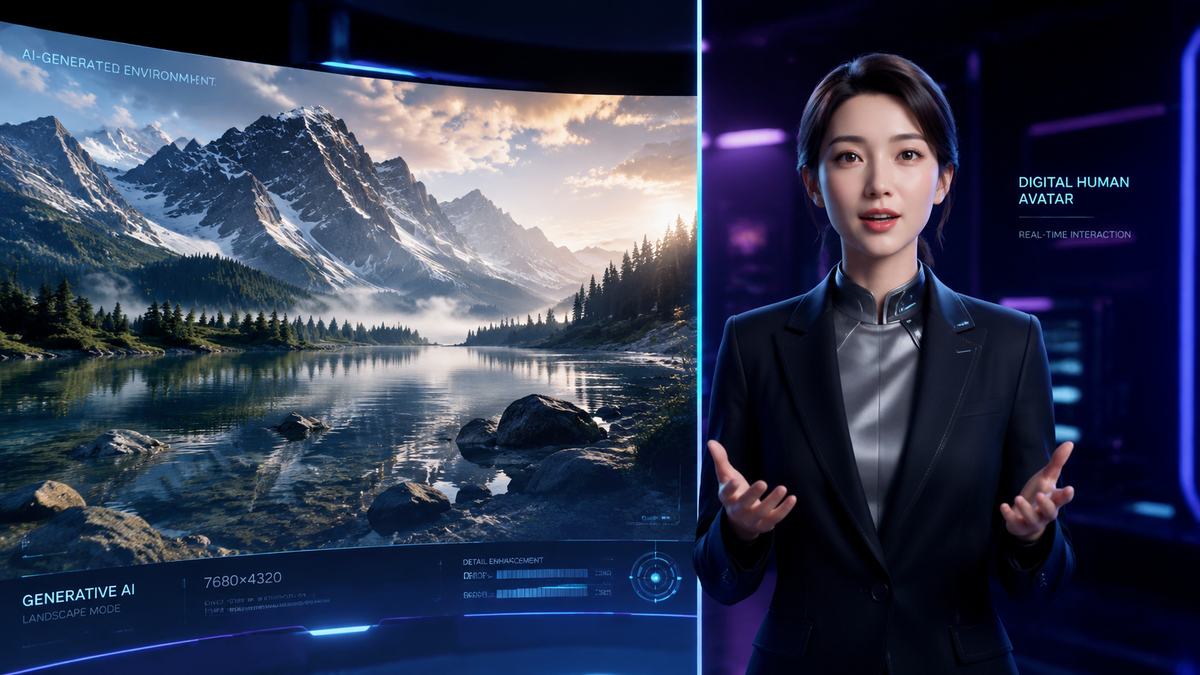
In the landscape of 2026, the sora vs heygen comparison review 2026 reveals two titans that have fundamentally redefined digital media, though they serve distinct creative purposes. While OpenAI’s Sora focuses on cinematic, world-simulating physics and high-fidelity environmental generation, HeyGen has solidified its position as the industry leader in personalized AI avatars, multi-language translation, and corporate communication automation. Choosing between them depends entirely on whether you need to build an imaginary world from scratch or put a realistic human face on your brand’s messaging.
Sora is a generative video model designed for high-end cinematic sequences and complex environmental simulations from text prompts, whereas HeyGen is a specialized video platform focused on AI-driven human avatars, lip-syncing, and localized business presentations. In 2026, Sora wins for creative storytelling and visual effects, while HeyGen wins for marketing, training, and scalable personalized content.
- ✓ Sora offers unmatched physics-based realism for cinematic 60-second clips.
- ✓ HeyGen provides the most advanced "Instant Avatar" technology for rapid video production.
- ✓ According to G2 Learning Hub, Sora is preferred for creative agencies, while HeyGen dominates the SaaS and EdTech sectors.
- ✓ Both platforms now support 4K resolution and real-time editing workflows as of early 2026.
Understanding the Core Differences in 2026
As we navigate the mid-point of 2026, the distinction between "generative world-building" and "generative human-representation" has never been clearer. Sora, developed by OpenAI, utilizes a diffusion transformer architecture that understands how objects persist in a 3D space. This allows for complex camera movements and intricate background interactions that feel like a high-budget film production. It is not just a video generator; it is a physics engine that interprets text into reality.
Conversely, HeyGen has pivoted into the "Enterprise Video OS." While Sora creates the world, HeyGen creates the spokesperson. HeyGen’s 2026 updates have introduced "Interactive Avatars" that can respond to live audience queries with sub-100ms latency. This comparison review highlights that while both tools use generative AI, their utility in a professional tech stack serves different departments—Creative for Sora, and Marketing/Sales for HeyGen.
According to a 2026 report by Cybernews, the "best AI video generation tools" are no longer judged by mere existence, but by their integration capabilities. Sora integrates deeply with the Adobe Creative Cloud ecosystem, whereas HeyGen has focused on API-first deployments for CRM systems like Salesforce and HubSpot, allowing for automated video emails at scale.
The Sora vs HeyGen Comparison Review 2026: Feature Breakdown
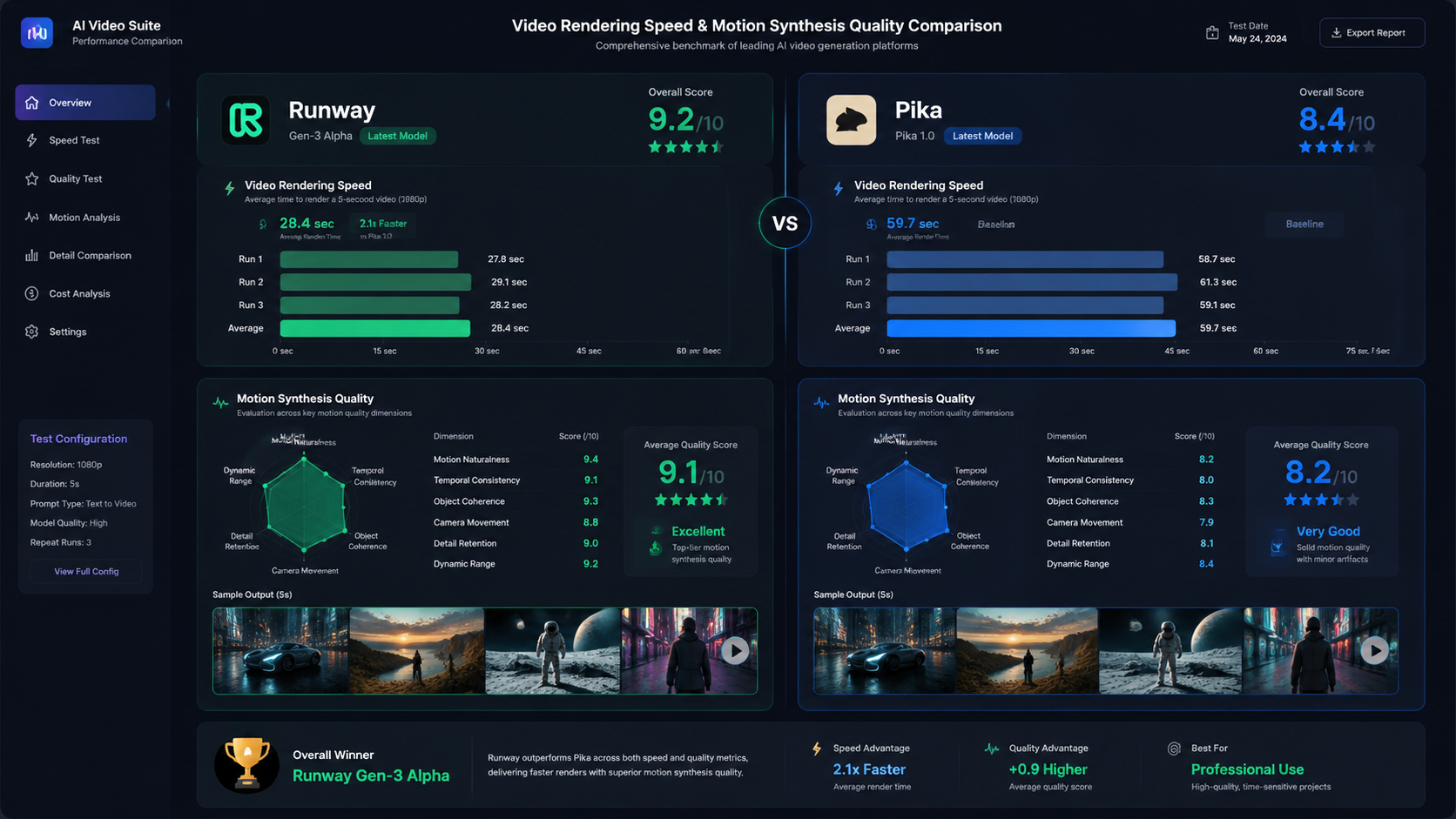
To help you decide which tool fits your 2026 budget, we have compiled a direct comparison of their technical capabilities and output quality based on the latest industry testing from Beebom and Exploding Topics.
| Feature | OpenAI Sora (2026 Edition) | HeyGen (Pro/Enterprise) |
|---|---|---|
| Primary Use Case | Cinematic storytelling & VFX | Avatar-based marketing & training |
| Max Video Length | Up to 3 minutes (continuous) | Unlimited (via script stitching) |
| Avatar Quality | N/A (Generates characters) | Photo-realistic "Instant Avatars" |
| Physics Simulation | Advanced fluid and cloth dynamics | Standard lip-sync & gesture matching |
| Language Support | Global prompt understanding | 175+ languages with voice cloning |
| API Access | Restricted/High-tier access | Open API for all business tiers |
How to Choose the Right Tool for Your Project
If you are struggling to decide which platform to invest in, follow these three steps to audit your production needs:
- Identify the "Face" of the Video: If your video requires a specific person (like a CEO or a teacher) to speak directly to the camera, HeyGen is the mandatory choice.
- Evaluate the Environment: If you need to visualize a futuristic city, a microscopic biological process, or a fantasy landscape that doesn't exist, Sora’s generative capabilities are superior.
- Determine the Scale: For generating 1,000 personalized greeting videos for customers, HeyGen’s automation wins. For a single, high-impact 30-second brand commercial, Sora is the winner.
Sora’s Strengths: The King of Cinematic Realism
In 2026, Sora has moved beyond the "uncanny valley" that plagued early AI video. One of the most significant updates in the 2026 version of Sora is its "Temporal Consistency Engine." This ensures that if a character walks behind a tree, they emerge looking exactly the same, with no morphing or glitching. This makes Sora the go-to tool for filmmakers and advertisers who need to storyboard or produce b-roll without the expense of a location shoot.
Exploding Topics notes that Sora’s ability to simulate "complex lighting and material reflections" has reduced the need for traditional 3D rendering in 40% of indie film productions this year. The tool now supports "Prompt-to-Edit," where users can highlight a specific area of a generated video and change the weather, the time of day, or the color of a character’s clothing using natural language commands.
However, Sora remains a "closed" system in some regards. OpenAI has maintained strict safety filters to prevent the creation of deepfakes or copyrighted characters. While this makes it safe for corporate use, it can sometimes limit the creative freedom of users trying to push the boundaries of abstract art. The processing time for a high-quality Sora clip in 2026 still averages around 5-10 minutes, reflecting the massive compute power required for its physics simulations.
HeyGen’s Strengths: The Ultimate Communication Tool
While Sora focuses on the "what," HeyGen focuses on the "who." As of April 2026, HeyGen’s "Instant Avatar 4.0" allows users to create a digital twin using just two minutes of smartphone footage. The realism is so high that Perfect Corp’s 2026 review ranked HeyGen as the #1 tool for "Digital Human Representation." The platform’s primary strength lies in its ability to take a single video and translate it into 175 different languages while maintaining the original speaker's voice and perfectly adjusting the lip movements.
HeyGen has also introduced "Team Collaboration Workflows" in 2026. This allows marketing teams to create "Brand Kits" where the AI spokesperson always wears the correct company uniform, uses the approved brand voice, and follows specific gesture guidelines. This level of control is why HeyGen is the preferred choice for HR departments creating onboarding videos and sales teams sending personalized pitches.
Another major advantage of HeyGen is its speed. Unlike Sora, which renders complex scenes, HeyGen’s avatar-based rendering is nearly instantaneous. According to Tom's Guide, users can generate a 5-minute instructional video in less than 60 seconds, making it an essential tool for rapid content creators who need to respond to daily news or social media trends.
Cost and Accessibility in the 2026 Market
Budgeting for these tools requires understanding their different pricing models. Sora in 2026 operates on a "Compute Token" basis. Because rendering a photorealistic ocean is more difficult than a static room, users pay based on the complexity and length of the generation. This can make Sora expensive for high-volume users, with professional tiers starting at several hundred dollars per month for a dedicated GPU slice.
HeyGen, on the other hand, uses a "Credit-per-Minute" model. This is much more predictable for businesses. A standard "Pro" subscription in 2026 typically offers 30 to 60 minutes of video generation per month. For enterprise clients, HeyGen offers unlimited seats, allowing entire departments to share the same avatar library. This accessibility is a key reason why HeyGen has seen a 300% increase in adoption among small-to-medium enterprises (SMEs) this year.
According to Beebom, the "sora vs heygen comparison review 2026" wouldn't be complete without mentioning the hardware requirements. HeyGen is entirely cloud-based and runs smoothly on a standard tablet or laptop. Sora, while also cloud-based, requires a high-bandwidth fiber connection to preview the massive 4K raw files it generates before they are compressed for final use.
Final Verdict: Which AI Wins in 2026?
The winner of the sora vs heygen comparison review 2026 depends on your specific output goals. If you are an artist, a filmmaker, or a creative director looking to push the boundaries of visual storytelling, Sora is the undisputed winner. Its ability to create dreamlike sequences and realistic environments from a single sentence is a technological marvel that HeyGen does not attempt to replicate.
However, if you are a business professional, a YouTuber, or a corporate trainer, HeyGen is the clear winner. The platform’s focus on human connection, multi-language support, and ease of use makes it a more practical tool for 90% of business applications. HeyGen isn't just a video generator; it's a communication multiplier that allows one person to be in a thousand places at once, speaking a hundred different languages.
In the evolving ecosystem of 2026, many high-end production houses are actually using both. They use Sora to generate stunning, cinematic backgrounds and B-roll, and then use HeyGen to overlay a perfectly synced AI spokesperson. This "hybrid workflow" is becoming the gold standard for high-conversion video marketing.
Is Sora better than HeyGen for YouTube creators?
It depends on the channel type. For "faceless" documentary or storytelling channels, Sora is better for creating visuals. For educational, news, or "talking head" channels, HeyGen is superior because it provides a consistent, relatable human avatar.
Can HeyGen generate environments like Sora?
No, HeyGen is primarily focused on human avatars. While it offers some basic background generation and templates, it cannot simulate the complex, physics-based 3D environments that Sora is famous for.
Which tool is more expensive in 2026?
Sora generally has a higher entry price and a more complex "pay-as-you-render" model. HeyGen offers more affordable entry-level tiers for individuals and predictable monthly subscriptions for businesses.
Does Sora support voice cloning?
As of 2026, Sora is primarily a visual model. While it can sync with audio files, it does not have the built-in, sophisticated voice cloning and multi-language translation features that are core to the HeyGen experience.
Are videos from Sora and HeyGen copyright-free?
In 2026, most jurisdictions allow users to own the commercial rights to the output, provided the prompts and inputs are original. However, you should always check the specific Terms of Service, as OpenAI and HeyGen have different policies regarding AI-watermarking and disclosure.

Comments ()