
Sora AI Alternatives for Video: Best 2026 Video Generators
With the unexpected news of OpenAI shutting down its video generation platform in March 2026, many creators are urgently seeking sora ai alternatives for video to maintain their production workflows. While Sora set a high benchmark for cinematic realism, the 2026 landscape has shifted toward specialized tools that offer better control over physics, temporal consistency, and high-definition rendering. The best alternatives currently available offer robust features for professional filmmakers, social media influencers, and marketing teams who need to fill the void left by OpenAI's exit from the video space.
Sora AI alternatives for video are generative artificial intelligence platforms designed to create high-fidelity video clips from text or image prompts. Following the 2026 shutdown of OpenAI's Sora, the leading alternatives include Runway Gen-4, Luma Dream Machine 2.0, and Kling AI, which provide advanced motion control, longer durations, and superior temporal consistency for professional-grade video production.
- ✓ OpenAI officially ceased Sora operations in late March 2026, leading to a surge in demand for competitive video generators.
- ✓ Modern alternatives now offer up to 20-second continuous clips with improved physics engines compared to 2024-era models.
- ✓ Key features to look for in 2026 include multi-camera control, consistent character seeding, and integrated lip-syncing.
- ✓ Most top-tier alternatives utilize a credit-based subscription model with "Pro" tiers starting around $30 per month.
How to Transition to Sora AI Alternatives for Video
Moving your creative pipeline from Sora to a new platform requires a slight adjustment in prompting techniques and workflow management. Because each engine handles "motion tokens" differently, the way you describe camera movement and environmental physics must be tailored to the specific architecture of the new tool. Most professional creators are now adopting a hybrid approach, using different generators for specific shot types—such as using one for landscapes and another for human-centric close-ups.
- Export Your Prompt Library: Before losing access to your historical data, save the successful text prompts you used in Sora to use as a baseline for testing new models.
- Select a Primary Engine: Choose a tool like Runway or Luma based on whether you prioritize cinematic realism or creative flexibility.
- Configure Character Seeds: Utilize the "Character Consistency" features now standard in 2026 models to ensure your subjects look the same across multiple generated clips.
- Adjust Motion Sliders: Unlike Sora's "black box" approach, most 2026 alternatives allow you to manually set the intensity of motion and camera panning.
- Upscale and Post-Process: Use integrated AI upscaling tools to bring 720p or 1080p generations up to 4K resolution for professional delivery.
Top Sora AI Alternatives for Video in 2026: A Comparative Analysis
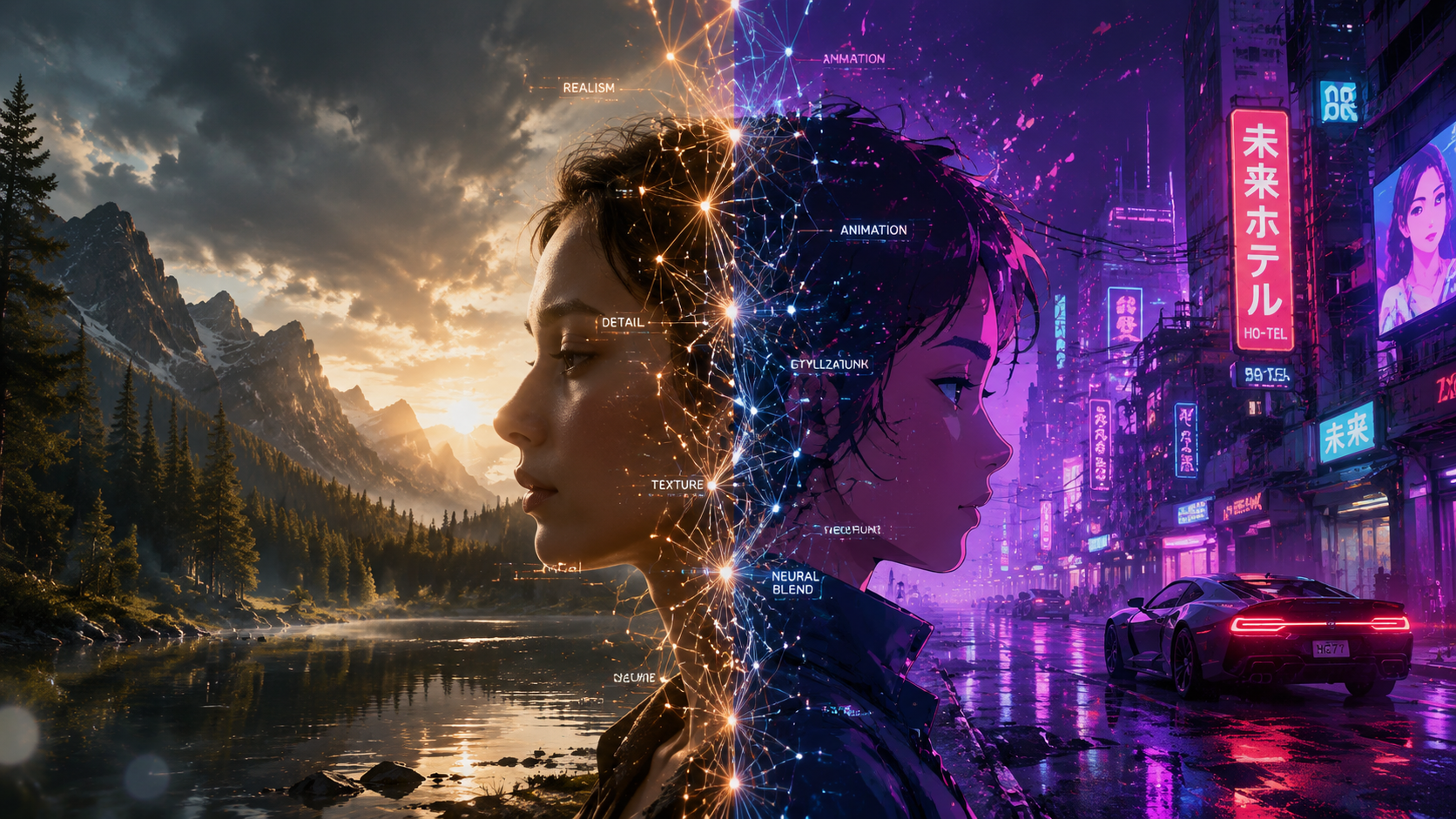
The market for AI video has matured significantly since the early prototypes of 2024. According to Mashable, the sudden shutdown of Sora has paved the way for two primary competitors to dominate the high-end market, while several niche players cater to specific industry needs. These tools have moved beyond "uncanny valley" glitches and now offer physics-accurate liquid simulations and complex human interactions that were previously difficult to render.
According to eWeek, six major AI video tools have successfully filled the void left by Sora in 2026, with some platforms reporting a 400% increase in user sign-ups within the first week of OpenAI's announcement. These platforms are not just clones; they offer "Director Modes" that give users granular control over focal length, lighting conditions, and even specific artistic styles ranging from 35mm film to hyper-realistic 3D animation.
| Platform | Max Clip Length | Key Strength | Best For |
|---|---|---|---|
| Runway Gen-4 | 20 Seconds | Multi-Motion Brush Control | Professional Filmmaking |
| Luma Dream Machine 2.0 | 15 Seconds | Physics & Object Permanence | Product Demos & Action |
| Kling AI (Global) | 10 Seconds | Hyper-realistic Human Anatomy | Social Media & Portraits |
| Pika Labs Pro | 12 Seconds | Integrated Sound FX & Lip Sync | Animated Shorts |
Why the 2026 Shift Away from Sora Occurred
The news that OpenAI "killed" its Sora AI short video generator, as reported by Vice, sent shockwaves through the tech community. While Sora was a pioneer in demonstrating what was possible with diffusion transformers, the operational costs and the emergence of more agile competitors made it difficult for OpenAI to maintain its lead. The 2026 market now favors tools that provide "instant" previews and collaborative features, which Sora lacked in its initial closed-beta iterations.
The Rise of Open-Source Video Models
While proprietary tools like Runway lead the pack, 2026 has also seen the rise of powerful open-source alternatives. These models allow studios to run video generation on their own local hardware, ensuring data privacy and reducing the long-term costs of subscription fees. According to Geo News, these open-source variants have become the preferred choice for enterprise-level companies that require strict security protocols for their intellectual property.
Advancements in Temporal Consistency
One of the biggest complaints about early video AI was "hallucinating" or flickering backgrounds. The sora ai alternatives for video available today have largely solved this through advanced temporal attention mechanisms. As noted by TechRadar, testing these tools reveals that modern engines can now maintain the structural integrity of a complex object—like a bicycle or a lace pattern—even during fast-moving camera pans, a feat that was hit-or-miss just two years ago.
Evaluating the Best Sora AI Alternatives for Video Performance
When choosing a replacement for Sora, performance is measured by more than just visual fidelity. Professional workflows require reliability and the ability to iterate quickly. Vocal Media highlights that the "Sora 2" alternatives currently on the market have focused heavily on reducing "prompt drift," where the AI ignores parts of a user's instruction. The 2026 models are significantly better at following complex, multi-sentence prompts that describe both the subject and the lighting environment.
Runway Gen-4: The Industry Standard
Runway remains the most formidable competitor in the space. Its Gen-4 model, released in early 2026, introduced a "Global Lighting" feature that allows users to change the time of day in a video after it has been generated. This level of post-generation control is what sets it apart from the original Sora model. For many who were waiting for Sora's public release, Runway has become the de facto home for high-end AI cinematography.
Luma Dream Machine 2.0: The Physics King
Luma AI's latest iteration focuses on the "feeling" of weight and momentum. In comparative tests, Luma's engine outperformed others in simulating realistic collisions and gravity. If your video needs to show someone pouring a drink or a car driving through mud, Luma provides the most realistic fluid dynamics currently available in the consumer AI market. This makes it an essential sora ai alternative for video for those in the advertising and product visualization sectors.
Future Trends in AI Video Generation Beyond 2026
As we look past the immediate aftermath of the Sora shutdown, the trend is moving toward "Multimodal Orchestration." This involves AI systems that don't just generate video, but also generate the accompanying spatial audio, dialogue, and metadata for 3D environments simultaneously. The goal is no longer just a "video clip," but a fully interactive scene that can be viewed from multiple angles or imported into game engines like Unreal Engine 6.
Furthermore, the ethical landscape has evolved. By 2026, most major sora ai alternatives for video have implemented mandatory C2PA watermarking, which provides a digital trail of the video's AI origins. This has helped stabilize the industry's reputation, making AI-generated content more acceptable for mainstream broadcast and news organizations who were previously wary of deepfakes and misinformation.
Is Sora AI still available to the public?
No, according to multiple reports from March 2026, OpenAI has officially shut down the Sora project. Users are encouraged to migrate their projects to alternative platforms like Runway, Luma, or Kling AI.
Which AI video generator is best for realistic humans?
Kling AI is currently regarded as the leader for realistic human movement and facial expressions. It excels at maintaining anatomical correctness, such as the correct number of fingers and natural walking gaits, which were common issues in earlier models.
Can I generate videos longer than 10 seconds?
Yes, several sora ai alternatives for video in 2026, such as Runway Gen-4, allow for clips up to 20 seconds. Many platforms also offer "extend" features that allow you to chain clips together for much longer sequences while maintaining visual consistency.
Are there any free Sora alternatives?
Most high-end video generators offer a limited free trial or a daily "daily credits" system. However, for professional-quality, watermark-free video, a paid subscription is typically required due to the high computational costs of 2026-era GPU rendering.
Do these alternatives support 4K resolution?
While most initial generations occur at 720p or 1080p to save time, almost all major 2026 platforms include integrated AI upscalers that can bring the final output to 4K resolution with enhanced detail and sharpness.



Comments ()