
Sora 2 Alternatives 2026: Tested Options
The landscape of generative artificial intelligence has shifted dramatically in early 2026. While the release of Sora 2 in late 2025 promised a new era of social-integrated video creation, the industry was recently rocked by OpenAI's announcement regarding the platform's future. As of March 24, 2026, the tech world is navigating the sunsetting of one of the most talked-about video models in history. Understanding the capabilities of Sora 2, its unique social features, and the timeline for its decommissioning is essential for creators and developers who have integrated these tools into their workflows.
Sora 2 is the second generation of OpenAI's text-to-video model, released in September 2025 with integrated social media features. Following a strategic pivot by OpenAI in March 2026, the Sora app is scheduled to shut down on April 26, 2026, while the API will remain active until September 24, 2026.
- ✓ Sora 2 introduced social media functionality directly into the video generation app.
- ✓ The platform uses copyrighted material by default unless creators specifically opt out.
- ✓ The Sora app will officially close to all users on April 26, 2026.
- ✓ Developers using the Sora API have until September 24, 2026, to migrate their projects.
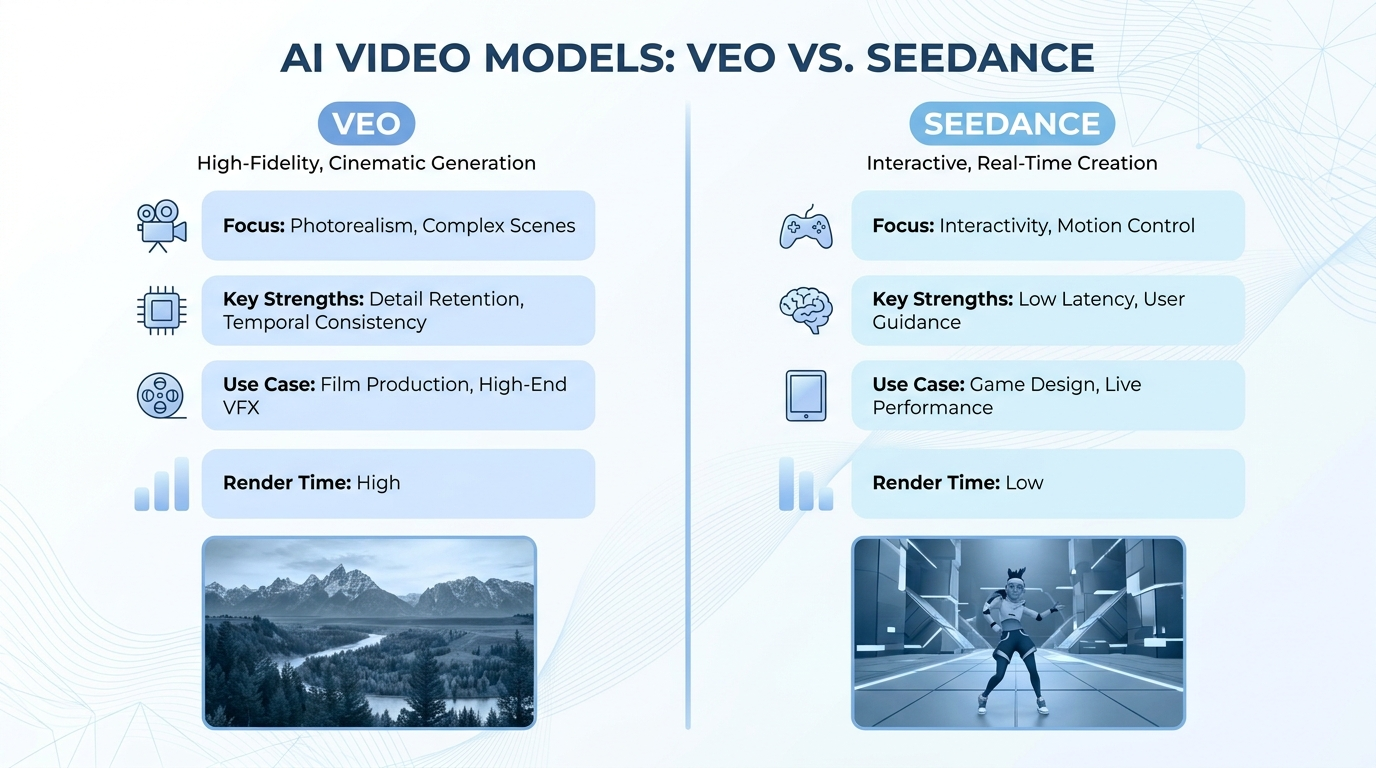
- ✓ Competitive models like Seedance 2.0 and Veo 3 remain as primary alternatives in the market.
The Evolution and Release of Sora 2
The journey of OpenAI’s video generation technology has been both rapid and controversial. After the initial preview in February 2024, the first generation of Sora was released to ChatGPT Plus and Pro users in December 2024. However, it was the launch of Sora 2 at the end of September 2025 that truly aimed to revolutionize the space. Unlike its predecessor, which focused primarily on raw generation, version 2.0 integrated social media features directly into the application, allowing users to share, remix, and collaborate on AI-generated clips within a native ecosystem.
According to research from Wikipedia, Sora 2 was initially limited to select users in the United States and Canada during its rollout phase. This version was designed to be more than just a tool; it was an attempt to build a "One-Stop AI Shop" for video content. By allowing users to extend existing clips and apply complex prompts to still images, OpenAI briefly held a dominant position in the creative tech sector. However, this dominance was short-lived as the company faced increasing pressure regarding data usage and market sustainability.
Key Features and Capabilities of Sora 2
Advanced Video Generation and Extension
Sora 2 stood out for its ability to maintain temporal consistency across longer clips compared to the 2024 version. It allowed users to take a five-second clip and extend it seamlessly while maintaining the physics and lighting of the original scene. This made it a favorite for small-scale advertisers and social media influencers who needed high-quality b-roll without the costs of traditional production. Studies show that by early 2026, the "no watermark" accessibility for certain users allowed for rapid ad creation, as noted in recent reports regarding sports marketing content.
The Social Media Integration Layer
One of the defining characteristics of Sora 2 was its pivot toward a social platform. Users could follow other creators, "fork" their prompts to see how different AI seeds would interpret the same text, and engage with a feed of generated content. This move was intended to keep users within the OpenAI ecosystem, moving away from a purely utility-based model to an engagement-based one. However, critics often referred to this as an "AI Slop Shop," arguing that the sheer volume of low-effort content diluted the platform's value.
The 2026 Shutdown: Why OpenAI is Pulling the Plug
The announcement on March 24, 2026, came as a shock to many in the creative community. OpenAI confirmed that the Sora app and its accompanying API would be discontinued throughout the year. According to Yahoo Finance, the decision can be traced back to two primary factors: the massive compute costs associated with maintaining high-fidelity video generation and the complex legal landscape surrounding training data. The default setting for Sora 2 utilized copyrighted material unless holders opted out, a policy that led to significant friction with major media entities.
The shutdown is being executed in two phases. First, the consumer-facing app—where social features and the primary user interface reside—will go dark on April 26, 2026. Following this, the API, which powers third-party integrations and enterprise tools, will be shut down on September 24, 2026. This staggered approach is intended to give businesses time to transition to other models, though it marks a significant retreat for OpenAI in the generative video market.
Comparing Sora 2 with 2026 Alternatives
As Sora 2 prepares to exit the market, several other models have stepped up to fill the void. Google has been particularly active, with its Veo 3 model offering not just video, but integrated high-fidelity audio generation as of May 2025. Meanwhile, ByteDance’s Seedance 2.0, released in February 2026, has gained traction for its efficiency and mobile-first approach, making it a direct competitor to the social features Sora 2 once championed.
| Model Name | Developer | Latest Version | Key Strength |
|---|---|---|---|
| Sora 2 | OpenAI | V2.0 (Sept 2025) | Social integration (Shutting down 2026) |
| Veo 3 | Google DeepMind | V3.0 (May 2025) | Integrated audio generation |
| Seedance 2.0 | ByteDance | V2.0 (Feb 2026) | Mobile optimization and speed |
| Dream Machine | Luma Labs | 2024/2025 Updates | High-quality still-to-video animation |
| VideoPoet | Google Research | 2023/2024 | Multi-modal inputs (Text/Image/Video) |
The Copyright Controversy and Training Data
A major point of contention during the Sora 2 lifecycle has been its approach to intellectual property. Unlike some competitors who moved toward licensed-only datasets, Sora 2 continued to use a broad scrape of the internet. According to Tech Policy Press, this "opt-out" rather than "opt-in" system for copyright holders became a legal lightning rod. While it allowed the model to generate incredibly diverse and recognizable styles, it ultimately created a "cautionary tale" for the AI industry regarding the sustainability of such practices.
Many analysts believe that the shutdown is a move to reorganize and potentially relaunch a more legally compliant model in the future. However, for the current year of 2026, the focus for most creators has shifted toward platforms that provide clearer pathways for commercial rights and ethical sourcing. The "Hollywood-ready" promise of Sora 2 often clashed with the reality of production legalities, leading to its eventual decline in professional environments.
How to Migrate from Sora 2 in 2026
If you are currently using the Sora 2 API for your business or creative projects, the September 24, 2026 deadline is your most critical date. Migration involves more than just switching endpoints; it requires testing how different models interpret your existing prompts. For instance, Seedance 2.0 might require more descriptive lighting prompts, whereas Google's Veo 3 might handle cinematic requests with more nuance but different aspect ratio constraints.
According to recent industry guides, the best practice for migration in 2026 is to utilize a "model-agnostic" prompting strategy. By keeping your core creative concepts in a structured format, you can easily adapt them to the newer models released by Luma Labs or ByteDance. As the Sora app closes in April, users are encouraged to download their generated archives and social data, as OpenAI has not guaranteed long-term cloud storage for these assets following the platform's termination.
When does Sora 2 officially shut down?
The Sora app is scheduled to shut down on April 26, 2026, while the Sora API will remain operational for developers until September 24, 2026.
What made Sora 2 different from the first version?
Sora 2 introduced social media features directly into the app and offered improved video extension capabilities, though it continued to use an opt-out copyright model.
Can I still use Sora 2 for commercial ads in 2026?
Yes, until the shutdown dates, though users should be aware that the model uses copyrighted material by default, which may present legal risks depending on your jurisdiction.
What are the best alternatives to Sora 2?
The top alternatives in 2026 include Google’s Veo 3, ByteDance’s Seedance 2.0, and Luma Labs’ Dream Machine, all of which offer robust text-to-video features.
Why did OpenAI decide to close the Sora platform?
While OpenAI hasn't cited a single reason, analysts point to high computational costs, legal challenges regarding training data, and a shift in corporate strategy as the primary drivers.
Comments ()