
Runway ML vs Luma Dream Machine: 2026 Comparison Guide
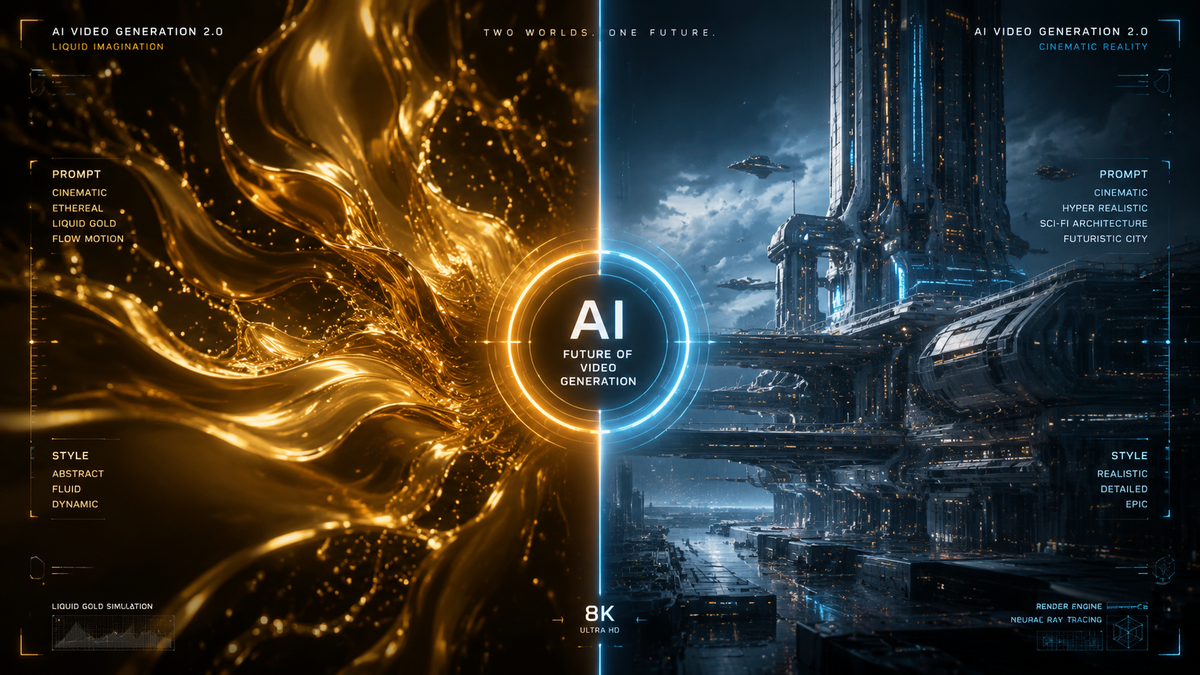
When comparing Runway ML vs Luma Dream Machine in 2026, the choice depends on whether you prioritize professional-grade control or cinematic fluidity. Runway ML remains the industry standard for high-end creative control with its Gen-3 Alpha Turbo model, while Luma Dream Machine leads in physics-based realism and intuitive motion. Both platforms have evolved significantly since their mid-2024 debuts, now offering real-time rendering and hyper-realistic 4K outputs that challenge traditional cinematography.
The comparison between Runway ML and Luma Dream Machine hinges on workflow: Runway ML is a comprehensive creative suite offering advanced tools like Gen-3 Alpha Turbo for rapid, controlled video generation, whereas Luma Dream Machine is a specialized engine focused on high-fidelity physics and "mind-blowing" cinematic realism for prompt-to-video creators.
- ✓ Runway ML offers superior "Turbo" speeds, generating high-quality video faster than most users can type.
- ✓ Luma Dream Machine excels in complex physics and consistent character movement across scenes.
- ✓ Runway provides a broader ecosystem of editing tools, including Inpainting and Motion Brush.
- ✓ Both platforms now support hyper-realistic 4K resolution and extended video durations up to 10 seconds per clip.
Understanding the Evolution of AI Video: Runway ML vs Luma Dream Machine
As we navigate 2026, the landscape of generative video has shifted from experimental clips to production-ready assets. Runway ML has solidified its position as the veteran in the space, having moved through several iterations from Gen-1 to the current Gen-3 Alpha series. According to reports from VentureBeat, the introduction of the Gen-3 Alpha Turbo model marked a turning point in efficiency, allowing creators to iterate on visual concepts in near real-time. This speed is critical for professional environments where time-to-delivery is as important as visual fidelity.
Luma Dream Machine, on the other hand, entered the market as a formidable challenger that prioritized the "wow" factor of physics. Early testers on Medium described the experience as "mind-blowing" due to the engine's ability to understand how light, gravity, and textures interact in a 3D space. While Runway focuses on the breadth of the creative suite, Luma has doubled down on the depth of the generation itself, ensuring that every frame feels like it was captured by a physical camera rather than synthesized by an algorithm.
How to Choose Between Runway and Luma
- Define your project requirements: Do you need a single cinematic shot (Luma) or a suite of tools for a full marketing campaign (Runway)?
- Evaluate your hardware: Both are cloud-based, but Runway’s interface is optimized for desktop professional workflows.
- Test the motion: Use Luma if your prompt involves complex human movement or liquid physics.
- Check the speed: Use Runway Gen-3 Alpha Turbo if you need to generate dozens of iterations in a single hour.
- Review the pricing: Compare the credit-to-second ratio, as both platforms have moved toward subscription-based tiers in 2026.
Core Feature Comparison: Runway ML vs Luma Dream Machine
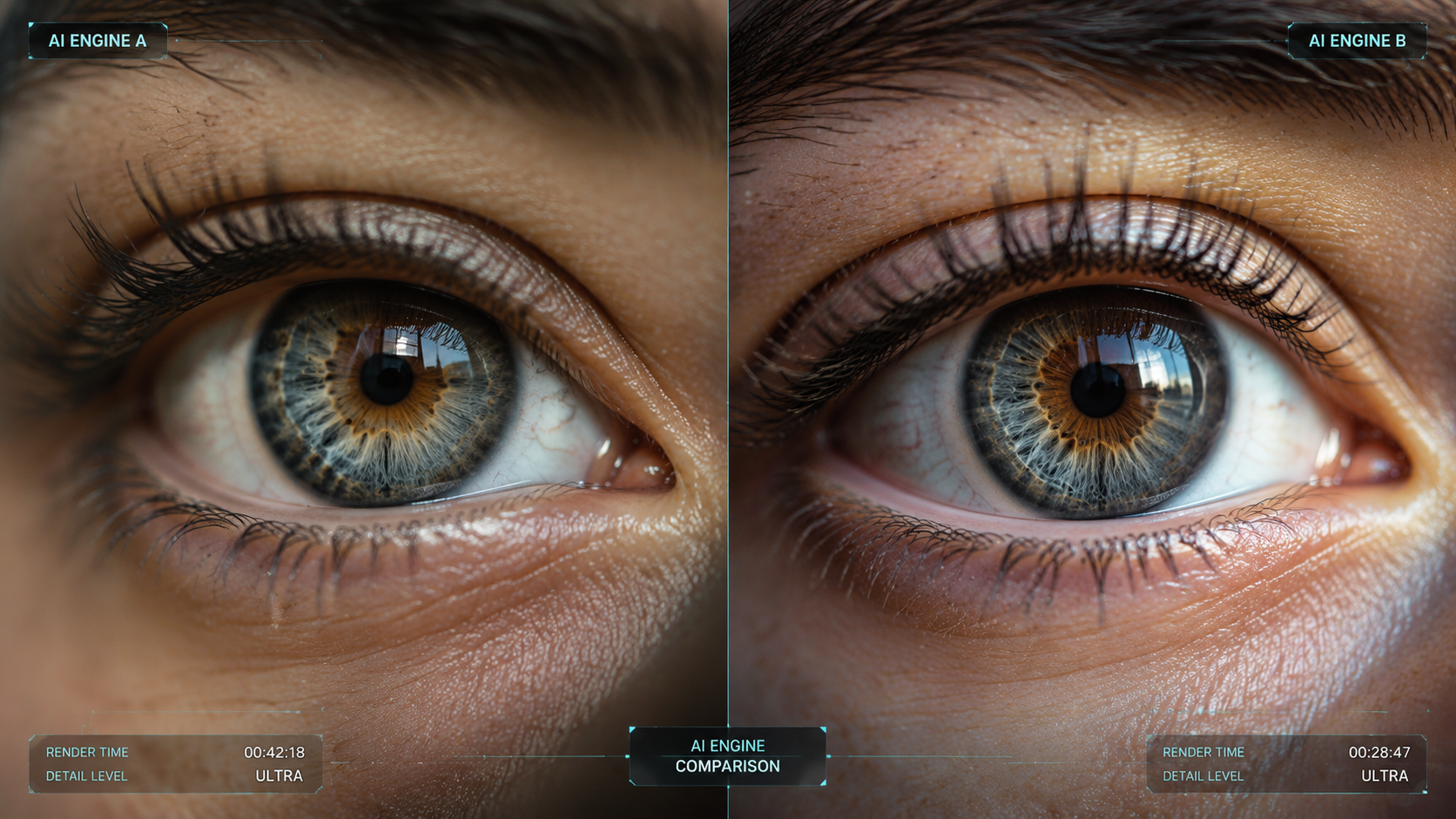
The technical architecture of these two giants reveals different philosophies. Runway ML is designed as a "Creative Collaborator." It isn't just a video generator; it is a full-stack video editing platform. Features like the Motion Brush allow users to paint specific areas of a static image to dictate where movement occurs. This granular control is what sets Runway apart for directors and VFX artists who need to match specific storyboards.
Luma Dream Machine operates more like a "Director’s Eye." It excels at understanding the nuance of a text prompt. If you ask for a "slow-motion shot of a glass shattering on a marble floor," Luma’s engine calculates the trajectories of the shards with startling accuracy. According to IEEE Spectrum, Luma is consistently ranked among the top 5 AI video generators specifically for its ability to maintain structural integrity in complex scenes, a feat that many other models still struggle with in 2026.
Key Specifications and Performance Metrics
| Feature | Runway ML (Gen-3 Alpha) | Luma Dream Machine |
|---|---|---|
| Primary Strength | Speed & Professional Control | Physics & Cinematic Realism |
| Generation Speed | Ultra-Fast (Turbo Mode) | Standard (High Quality) |
| Max Resolution | 4K Upscaling | Native 2K/4K Output |
| Control Tools | Motion Brush, Camera Control, Director Mode | Advanced Prompting, Keyframe Animation |
| Best For | Ad Agencies & VFX Studios | Indie Filmmakers & Concept Artists |
The Power of Runway Gen-3 Alpha Turbo
Runway’s Gen-3 Alpha Turbo represents the pinnacle of efficiency in the 2026 AI market. By optimizing the diffusion process, Runway has managed to reduce the latency between prompt and preview to just a few seconds. This is a significant leap from the early days of AI video where creators would wait minutes for a single 4-second clip. The "Turbo" aspect isn't just about speed; it's about the democratization of the creative process, allowing for a "flow state" that was previously impossible in high-end video production.
Furthermore, Runway has integrated its video generation with its existing suite of AI tools. An artist can generate a background in Gen-3, use the Inpainting tool to remove an unwanted object, and then apply a consistent style filter—all within the same ecosystem. This vertical integration makes the runway ml vs luma dream machine debate a matter of workflow preference. If you need an all-in-one studio, Runway is the clear winner.
Advanced Control with Motion Brush
One of Runway’s standout features is the Motion Brush. In 2026, this tool has evolved to support multi-layered motion. You can select a river and give it a flowing horizontal motion while simultaneously selecting clouds and giving them a slow vertical drift. This level of intentionality is why No Film School highlighted Runway as a top competitor to Sora, noting its "hyper-realistic" capabilities paired with user-driven precision.
Luma Dream Machine: The Cinematic Powerhouse
While Runway wins on speed, Luma Dream Machine often wins on the "soul" of the video. The clips generated by Luma have a certain weight to them. The lighting transitions are smooth, and the "hallucinations"—those strange AI glitches—are significantly less frequent in Luma’s 2026 build. For creators looking to produce short films or high-end social media content, Luma provides a level of polish that often requires no further editing.
Luma has also made strides in "Keyframe Intelligence." Users can provide a starting image and an ending image, and the Dream Machine will "hallucinate" the most logical, physics-compliant path between them. This makes it an essential tool for animators who want to automate the tedious process of in-betweening. Tom's Guide, after 200 hours of testing, noted that Luma remains a top pick for those who prioritize the aesthetic quality of the final render over the speed of the generation process.
Physics-Based Rendering in 2026
The "Dream Machine" moniker is well-deserved. Its internal world model understands that when a person walks, their clothes should move in sync with their limbs, and shadows should shift according to the light source. This "world-model" approach is what allows Luma to compete with the likes of Sora and Runway. In 2026, Luma's ability to handle "human-centric" prompts—people talking, eating, or performing complex tasks—remains its greatest competitive advantage.
Integration and Professional Workflow
In the professional sphere, the runway ml vs luma dream machine choice is often dictated by the existing pipeline. Runway ML has built-in integrations with Adobe Premiere Pro and After Effects, allowing editors to pull AI-generated assets directly into their timelines. This makes it a favorite for commercial editors who are working on tight deadlines. According to The AI Journal, Runway's enterprise features, including team collaboration and shared asset libraries, make it the preferred choice for large-scale creative agencies.
Luma, conversely, has focused on a more "API-first" approach. Many third-party apps and indie game developers use Luma’s engine to power their own internal creative tools. While Luma’s web interface is clean and user-friendly, its true power lies in its ability to be integrated into custom workflows. For the solo creator or the small boutique studio, Luma’s pay-as-you-go model often proves more flexible than Runway’s tiered subscription plans.
Quality vs. Quantity: The 2026 Verdict
If your goal is to produce a high volume of content—such as daily social media posts or rapid prototyping for clients—Runway ML is the superior investment. Its Gen-3 Alpha Turbo model is unmatched in throughput. However, if you are crafting a single masterpiece, a music video, or a cinematic trailer where every pixel must be perfect, Luma Dream Machine’s superior physics engine will likely serve you better. Both platforms represent the cutting edge of AI, and in 2026, the "best" tool is simply the one that fits your specific creative friction points.
Is Runway ML Gen-3 Alpha better than Luma Dream Machine?
It depends on your needs. Runway ML Gen-3 Alpha is better for speed and professional editing control, while Luma Dream Machine is often cited for having superior physics and more realistic motion in cinematic shots.
Which AI video generator is faster in 2026?
Runway ML’s Gen-3 Alpha Turbo is currently the fastest high-end video generator on the market. It is designed to generate video clips in seconds, specifically optimized for rapid iteration and professional workflows.
Can I use Luma Dream Machine for free?
As of 2026, Luma Dream Machine typically offers a limited number of free generations for new users to test the platform. However, high-resolution exports and commercial usage rights generally require a paid subscription.
Does Runway ML support 4K video?
Yes, Runway ML supports 4K upscaling and high-definition output within its Gen-3 Alpha framework. This allows creators to use AI-generated content in professional film and advertising projects.
What is the maximum video length for Runway vs Luma?
In 2026, both platforms typically generate clips in 5 to 10-second increments. However, both offer tools to extend these clips or stitch them together using "Extend Video" features to create much longer sequences.



Comments ()