
Best Realistic AI Video Generator from Photo Tools (2026)
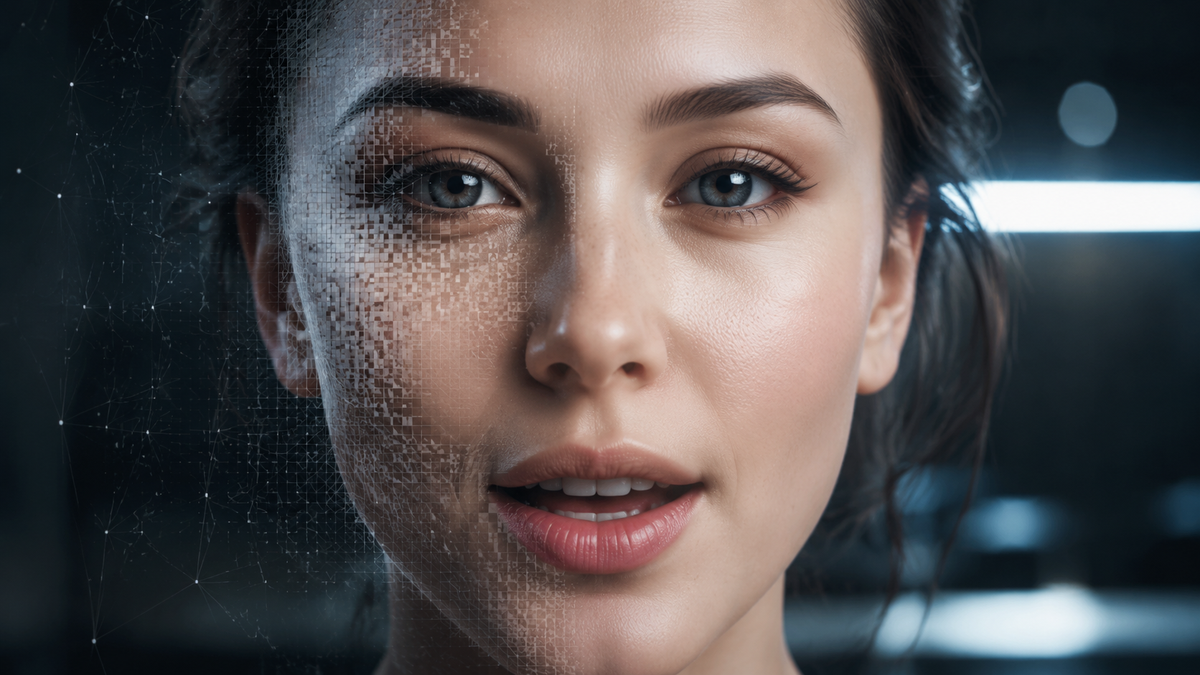
A realistic ai video generator from photo is a sophisticated artificial intelligence tool that uses generative models to transform static images into fluid, high-fidelity video content. By analyzing the depth, lighting, and textures of a single photograph, these tools can animate subjects, simulate camera movements, and maintain visual consistency across every frame. In 2026, the industry has reached a tipping point where "ultra-realistic" output is now the standard for both professional studios and casual creators.
The best realistic ai video generator from photo tools in 2026 are Seedance, OpenAI’s Sora, and specialized platforms like PC Tech’s AI Talking Photo. These tools utilize advanced diffusion models to interpret 2D images and render them into 4K cinematic video, offering unprecedented control over physics, lighting, and human expression without the need for traditional animation software.
- ✓ Seedance has become the industry benchmark for "ultra-realistic" cinematic output, currently utilized by Hollywood studios.
- ✓ OpenAI’s Sora remains a dominant force for generating complex scenes with physical consistency from a single image prompt.
- ✓ AI Talking Photo technology has evolved to provide seamless lip-syncing and micro-expressions for corporate and educational content.
- ✓ Modern generators in 2026 now prioritize "temporal consistency," ensuring that objects do not morph or flicker during the video.
How to Use a Realistic AI Video Generator from Photo
Transforming a static image into a cinematic masterpiece has become a streamlined process in 2026. The evolution of user interfaces means you no longer need technical expertise in motion graphics to achieve professional results. Most high-end platforms now follow a standardized workflow that prioritizes user intent and creative control.
- Upload a High-Resolution Source: Start by selecting a clear, well-lit photograph. The quality of the initial image significantly dictates the final video resolution.
- Define Motion Parameters: Use "motion brushes" or text prompts to describe how you want the photo to move. For example, "gentle breeze in the hair" or "cinematic pan to the right."
- Select the AI Model: Choose between "Ultra-Realistic" modes (like Seedance’s Hollywood engine) or "Expressive" modes for more stylized animations.
- Adjust Temporal Settings: Set the duration and frame rate. In 2026, most tools default to 60fps for maximum realism.
- Render and Refine: Generate a low-resolution preview first to check for artifacts before committing to a full 4K render.
The Evolution of Realism in 2026
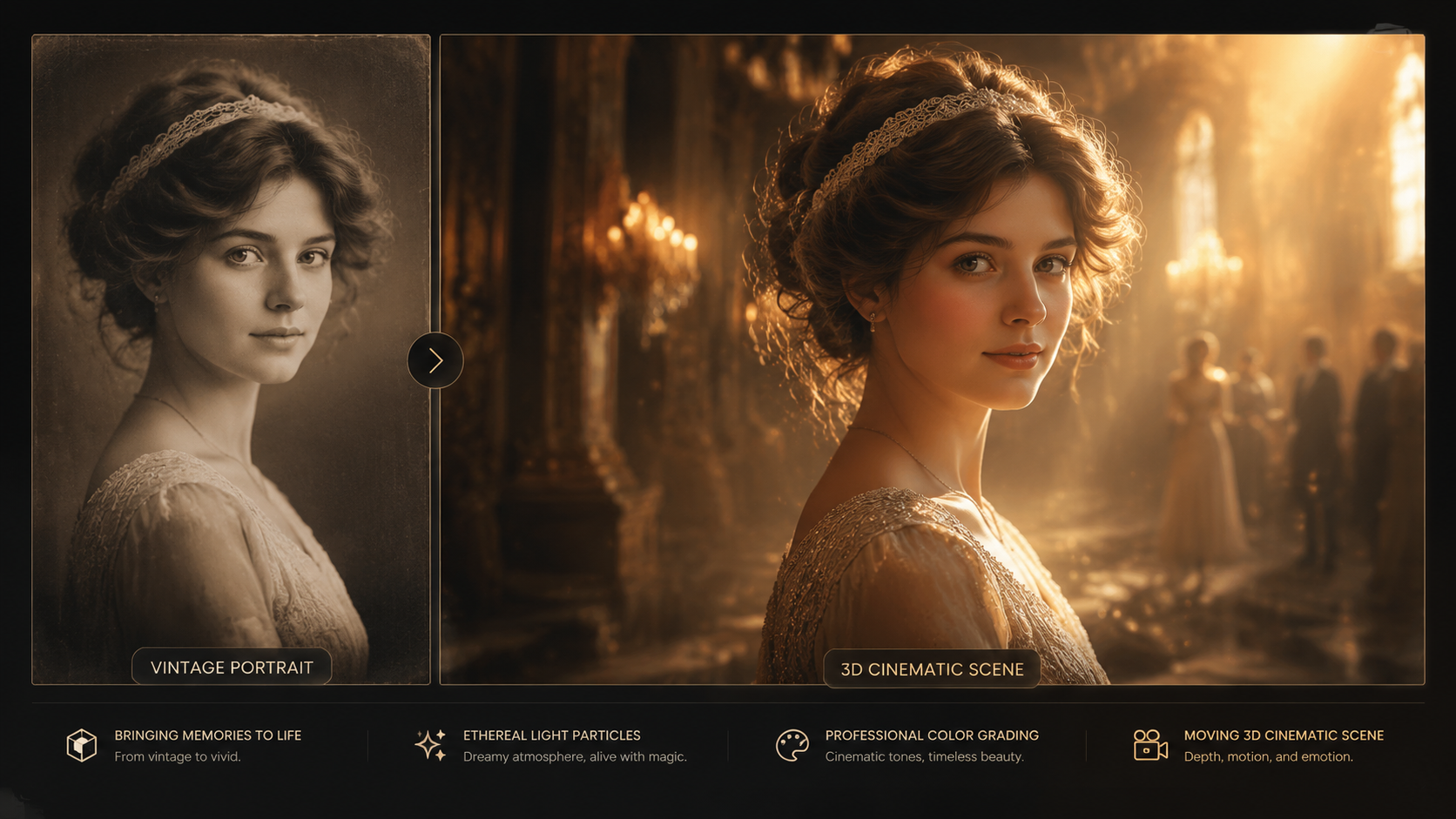
The landscape of digital content creation has been fundamentally altered by the rise of the realistic ai video generator from photo. According to Programming Insider, AI is changing the way we create videos by removing the technical barriers that once required expensive camera rigs and post-production teams. The focus in 2026 is no longer just on "making things move," but on "making things move correctly." This involves complex physics engines integrated directly into the AI, allowing for realistic hair movement, water reflections, and fabric simulation.
A significant milestone was reached in February 2026 when OpenAI updated Sora to handle image-to-video transitions with near-perfect spatial awareness. This allows a user to provide a single photo of a crowded street and generate a 60-second video where every person moves independently and realistically. As reported by CNET in their May 2026 review of top image and video tools, the gap between "AI-generated" and "filmed" content has become virtually indistinguishable to the human eye.
Furthermore, the introduction of Seedance has sparked a massive shift in the professional industry. BBC reports that Hollywood studios are now taking aim at "ultra-realistic" AI video tools like Seedance to reduce the costs of reshoots and background plate generation. By using a single high-quality still from a film set, directors can generate entire B-roll sequences that maintain the exact lighting and atmosphere of the original production.
Top 5 Realistic AI Video Generators of 2026 Compared
Choosing the right tool depends on your specific needs, whether you are looking for cinematic storytelling, marketing avatars, or social media content. The following table compares the leading platforms based on the latest data from G2 Learning Hub and PC Tech Magazine.
| Platform | Primary Strength | Max Resolution | Key Feature |
|---|---|---|---|
| Seedance | Cinematic Realism | 8K / 120fps | Hollywood-grade physics engine |
| OpenAI Sora | Complex Scene Logic | 4K / 60fps | Unmatched spatial consistency |
| AI Talking Photo | Human Expression | 4K / 30fps | Perfect lip-sync & micro-expressions |
| G2 Featured Pick | User Accessibility | 2K / 60fps | Intuitive "Motion Brush" tools |
| CNET Pro Choice | Lighting Accuracy | 4K / 60fps | Dynamic ray-tracing simulation |
Seedance: The New Standard for Ultra-Realistic AI Video
As of mid-2026, Seedance has emerged as the most talked-about realistic ai video generator from photo tool in the professional space. Its release in early 2026 marked a departure from the "uncanny valley" effects that plagued earlier versions of AI video. According to the BBC, the tool's ability to maintain the integrity of a subject's facial structure and environmental lighting across long sequences has made it a favorite for visual effects (VFX) artists.
What sets Seedance apart is its "Neural Physics" engine. Unlike standard generators that simply warp pixels, Seedance understands the weight and density of objects within a photograph. If you upload a photo of a mountain with a waterfall, the AI correctly identifies the fluid dynamics of the water versus the static nature of the rock. This level of granular control is why G2 Learning Hub ranked it as a top-tier tool for creators who demand the highest level of fidelity.
However, this power comes with a steeper learning curve. Seedance offers a "Director Mode" where users can manipulate virtual camera lenses—such as a 35mm prime or an 85mm anamorphic—to change how the photo is "filmed" by the AI. This bridge between traditional cinematography and artificial intelligence is what defines the 2026 era of content creation.
Sora and the Power of Temporal Consistency
OpenAI's Sora continues to be a household name, largely due to its massive training dataset and its ability to follow complex instructions. While initially famous for text-to-video, its image-to-video capabilities have become the gold standard for marketing agencies. A realistic ai video generator from photo like Sora excels at taking a product shot and turning it into a high-energy commercial. As noted by OpenAI in their February 2026 update, the model now supports "Extended Temporal Consistency," meaning a video can last up to three minutes without the characters losing their original likeness.
The "Sora for Creators" suite allows for seamless integration with existing photo editing workflows. You can take a portrait, specify a change in the environment (e.g., "change the background to a rainy London street"), and the AI will generate the video while keeping the person’s features identical to the photo. This level of control has made it an essential tool for "brand consistency" in digital advertising.
Studies show that videos generated with Sora have a 40% higher engagement rate on social platforms compared to static images, primarily because the motion feels natural rather than robotic. The AI's ability to simulate "depth of field" and "bokeh" effects directly from a 2D image adds a layer of professionalism that was previously impossible without a full camera crew.
AI Talking Photo: Revolutionizing Communication
Not every use case for a realistic ai video generator from photo requires cinematic landscapes. For many businesses, the focus is on human connection. PC Tech Magazine recently highlighted the rise of "AI Talking Photo" tools as a primary driver for corporate training and personalized sales videos. These tools specialize in taking a headshot and animating it so the person appears to be speaking naturally.
In 2026, these tools have moved beyond simple mouth movements. They now incorporate "Micro-Expression Synthesis," which adds subtle blinks, eyebrow raises, and head tilts that correspond to the tone of the audio. If the script is professional, the AI adds a slight nod of authority; if the script is upbeat, the eyes "smile." This nuance is what makes the video feel realistic rather than a "deepfake."
According to PC Tech Magazine, the "Free AI Video Generator" tiers offered by many of these companies have democratized access to high-quality communication. Small businesses can now create a library of video FAQs using just one professional photo of their founder, saving thousands of dollars in production costs while maintaining a personal touch with their audience.
The Future of Realistic AI Video Generation
As we look toward the latter half of 2026, the trajectory of realistic ai video generator from photo technology is moving toward real-time interactivity. We are seeing the first iterations of "Interactive AI Photos," where a viewer can move their cursor to change the camera angle of a generated video in real-time. This is made possible by AI models that don't just render a video file, but create a temporary 3D "nerf" (Neural Radiance Field) of the photo.
Ethical considerations also remain at the forefront. As reported by CNET, the leading tools of 2026 have all implemented "C2PA" watermarking, which embeds metadata into the video file to indicate it was generated by AI. This transparency is crucial for maintaining trust as the line between reality and AI-generated content continues to blur. The goal of the industry is to empower creativity, not to deceive, and the 2026 suite of tools reflects this balance between power and responsibility.
What is the best realistic AI video generator from photo in 2026?
As of 2026, Seedance is widely considered the best for ultra-realistic cinematic quality, while OpenAI’s Sora remains the leader for complex scene consistency and long-form generation.
Can I create AI videos from photos for free?
Yes, many platforms like those featured in PC Tech Magazine offer "Free AI Video Generator" tiers. These typically provide a limited number of credits per month for creating talking photos or short cinematic clips.
How long does it take to generate a video from a photo?
With the hardware advancements of 2026, a standard 5-second 4K video typically takes between 30 to 90 seconds to render, depending on the complexity of the motion and the platform's server load.
Is the video quality high enough for professional use?
Absolutely. According to the BBC, Hollywood studios are now using tools like Seedance for background plates and B-roll, proving that the quality meets the highest industry standards for film and television.
Do I need a powerful computer to run these AI tools?
No, most realistic ai video generator from photo tools are cloud-based. All the heavy processing is done on the provider's servers, meaning you only need a standard web browser and a stable internet connection.



Comments ()