
Professional AI Video Creation Guide: 2026 Masterclass
A professional AI video creation guide is a comprehensive roadmap for using generative artificial intelligence to produce high-quality, cinematic, or commercial-grade video content from text, image, or audio inputs. In 2026, this process has evolved from simple experimentation into a sophisticated workflow that integrates tools like Sora 2, S2V.ai, and advanced text-to-video generators to scale content production for startups and enterprise creators alike.
Professional AI video creation is the strategic use of generative AI models to automate scriptwriting, visual generation, and post-production. By leveraging 2026-era tools like Sora 2 and dedicated AI music video platforms, creators can produce "faceless" viral content or cinematic shorts at a fraction of the traditional cost and time required by manual editing.
- ✓ AI video generation in 2026 focuses on "Sora 2" level consistency and high-fidelity physics.
- ✓ Scaling content via AI is now a primary strategy for lean startups to compete with major studios.
- ✓ Text-to-video tools have mastered the "faceless" short-form video niche for platforms like TikTok and YouTube.
- ✓ Professional workflows now include dedicated AI music production and visual synchronization.
How to Use a Professional AI Video Creation Guide in 2026
The landscape of digital media has shifted dramatically as we move through 2026. According to Business Model Analyst, lean startups are now successfully scaling their content output by 500% using AI video workflows, allowing small teams to produce volume that previously required entire creative departments. To master this, one must understand the synergy between prompt engineering and the technical capabilities of modern generators.
Whether you are aiming to create a viral "faceless" short or a high-end music video, the methodology remains consistent: it starts with a clear conceptual framework followed by iterative generation. The following steps outline the professional standard for video production in the current year.
- Conceptualization and Scripting: Use an LLM to generate a structured script, ensuring you define the visual style (e.g., cinematic, 2D animation, or hyper-realistic).
- Platform Selection: Choose a tool based on your output needs. For example, use S2V.ai for Sora 2-level realism or specialized tools for music videos.
- Prompt Engineering: Input your scene descriptions into the AI generator, utilizing "camera movement" tags and lighting descriptors to guide the AI.
- Iterative Refinement: Use "seed" numbers to maintain character consistency across different shots—a critical feature in 2026 AI models.
- Audio Integration: Generate or sync AI-driven music and voiceovers that match the emotional arc of your visuals.
- Post-Production Upscaling: Run your final render through an AI upscaler to ensure 4K or 8K clarity for professional distribution.
The Evolution of AI Video Tools: A 2026 Comparison
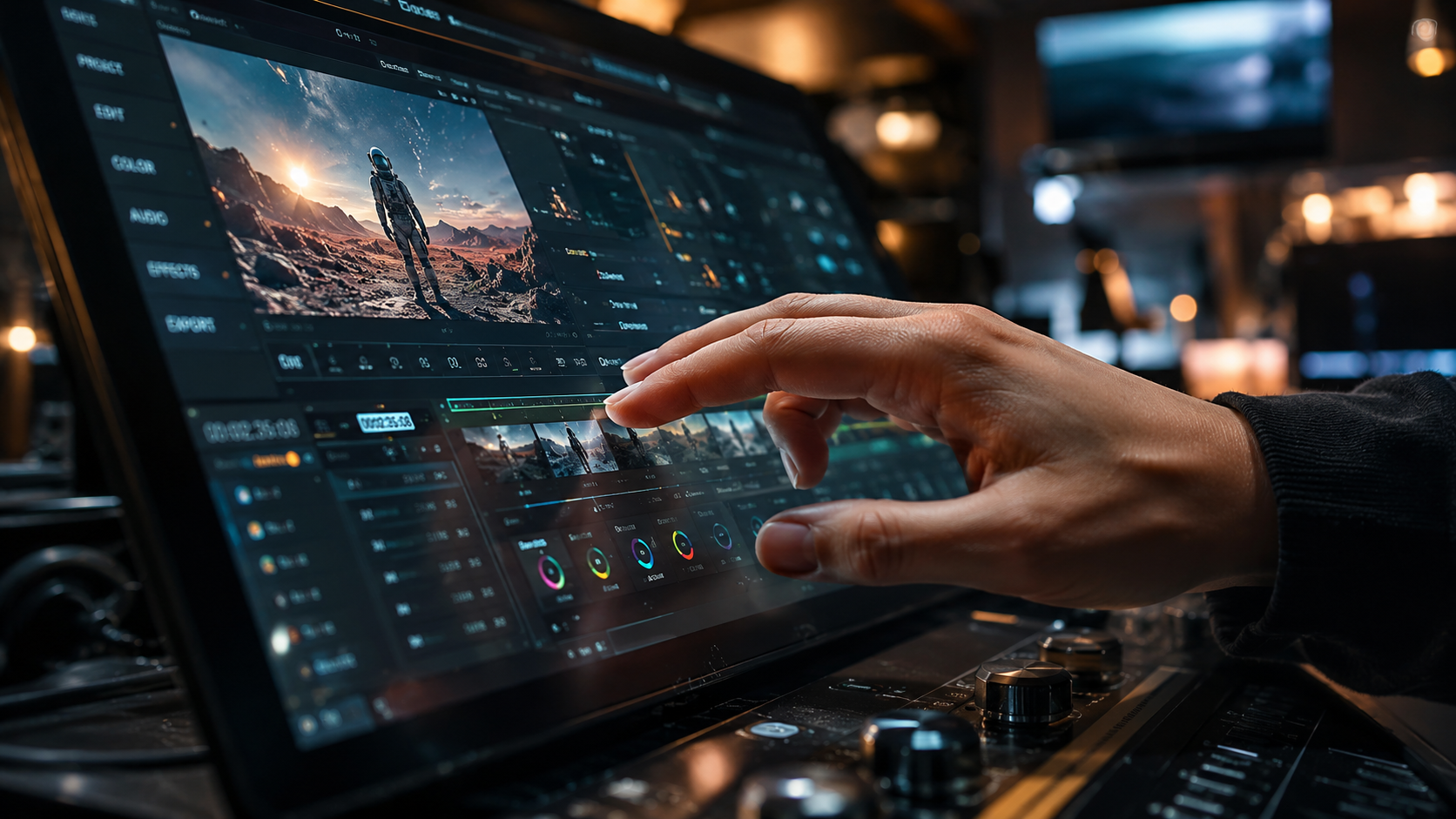
As noted by Breaking AC News in their recent comparison of the top 15 AI video generators, the market has bifurcated into "generalist" tools and "specialist" tools. Generalist tools like Sora 2 provide unparalleled realism, while specialists focus on niche markets like "faceless" social media content or music video production. Understanding these distinctions is vital for any professional ai video creation guide.
According to OCNJ Daily, the release of Sora 2 and its integration into platforms like S2V.ai has set a new benchmark for temporal consistency. This means characters no longer "morph" between frames, a common issue in earlier versions of AI video technology. This leap in stability has made AI a viable tool for long-form storytelling and commercial advertising.
| Tool Category | Primary Use Case | Key Feature (2026) | Target Audience |
|---|---|---|---|
| Sora 2 / S2V.ai | Cinematic Realism | Advanced Physics & Consistency | Filmmakers & Ad Agencies |
| Text-to-Shorts Tools | Faceless Social Media | Auto-Captioning & Viral Hooks | Content Creators & Influencers |
| AI Music Video Tools | Modern Visual Production | Rhythm-Synced Visuals | Musicians & Labels |
| Startup Scaling Tools | Corporate Training & Marketing | Bulk Batch Processing | Lean Startups & SMBs |
Mastering the Professional AI Video Creation Guide for Social Media
The rise of "faceless" channels has become a dominant trend in 2026. As TyN Magazine reports, beginners are now using text-to-video AI tools to create viral shorts without ever appearing on camera. This democratization of content creation allows individuals to build massive audiences based purely on the quality of their AI-generated storytelling and visual aesthetics.
Creating Viral Faceless Content
To succeed in the faceless niche, your professional ai video creation guide must focus on "The Hook." In 2026, AI tools can analyze trending topics and automatically suggest visual metaphors that stop the scroll. The integration of high-quality AI voiceovers that carry emotional weight—rather than sounding robotic—is the differentiator between amateur and professional content.
Scaling with Lean Startup Methodologies
For businesses, AI video is not just about creativity; it is about efficiency. Business Model Analyst highlights that the "Lean Startup" approach to video involves testing multiple ad creatives simultaneously. By using AI to generate 20 variations of a single concept, companies can identify the most effective visual triggers in real-time, optimizing their marketing spend with surgical precision.
Advanced Techniques in AI Music Video Production
Music video production has undergone a radical transformation. As detailed in Vocal.media’s 2026 guide, modern visual production tools now allow for "Audio-Visual Fusion." This technology enables the AI to "listen" to a track and generate visuals that react to the frequency and tempo of the music, creating a seamless psychedelic or cinematic experience that was once cost-prohibitive for independent artists.
Synchronizing Visuals with AI Audio
Professional creators now use specific AI layers to separate the background from the foreground, allowing for complex "parallax" effects generated entirely by algorithms. This level of control ensures that the AI-generated world feels lived-in and responsive to the soundtrack, providing a professional polish that rivals traditional big-budget productions.
The Role of S2V.ai and Sora 2
According to OCNJ Daily, the power of Sora 2 lies in its ability to understand complex prompts that involve multiple characters and specific environmental interactions. In a professional ai video creation guide, it is essential to mention that these tools now support "In-Painting" and "Out-Painting," where users can modify specific parts of a video frame without regenerating the entire sequence, saving hours of render time.
Ethics and Best Practices in Professional AI Video
As we navigate the 2026 landscape, ethical considerations are at the forefront of the professional ai video creation guide. Transparency regarding the use of AI is becoming a standard practice, with many platforms now requiring "AI-generated" watermarks or metadata to maintain trust with audiences. This is particularly important in news and documentary filmmaking.
Furthermore, the "beginner’s guide" provided by INQUIRER.net USA emphasizes that while AI handles the execution, the human element—the "creative director"—is more important than ever. AI can generate frames, but it cannot yet replicate the unique human perspective required to tell a story that truly resonates on a deep emotional level. Professionals must view AI as a sophisticated brush, not the artist itself.
Maintaining Brand Consistency
One of the biggest challenges in AI video is keeping a consistent "look and feel." Professionals solve this by creating custom LoRA (Low-Rank Adaptation) models or using specific style references within their chosen AI platform. This ensures that every video produced for a brand maintains the same color palette, lighting style, and character design, which is crucial for long-term brand recognition.
Technical Requirements for 2026 Workflows
While cloud-based generation is standard, many professionals in 2026 are opting for local hybrid setups to maintain data privacy. High-speed fiber connections are necessary for handling the massive file sizes associated with 8K AI renders, and a deep understanding of video codecs remains a foundational skill for any creator looking to move beyond basic social media posting.
What is the best AI video generator in 2026?
While there are many options, Sora 2 and its integration via S2V.ai are currently considered the industry gold standard for cinematic realism and temporal consistency. For social media, tools specialized in "faceless" shorts are often more efficient for rapid production.
Can I create a full-length movie with AI in 2026?
Yes, professional creators are now using a "shot-by-shot" approach to assemble full-length features. By using consistent character seeds and advanced prompt engineering, it is possible to maintain a narrative arc across an entire film.
Is AI video creation expensive?
According to recent market reports, the cost of AI video production has dropped significantly. While high-end tools require subscriptions, they are still 70-90% cheaper than hiring a traditional production crew for complex visual effects.
How do I ensure my AI videos don't look "fake"?
Focus on "physics-based" prompting and use tools like Sora 2 that have a deep understanding of real-world movement. Additionally, post-production color grading and adding subtle film grain can help mask the "too perfect" look often associated with AI.
Do I need a powerful computer for AI video creation?
Most professional AI video creation is handled via cloud-based servers (SaaS), meaning you only need a stable internet connection and a standard computer to manage the prompts and final edits.



Comments ()