
Pika Labs vs Runway ML 2026: Which AI Video Tool is Best?
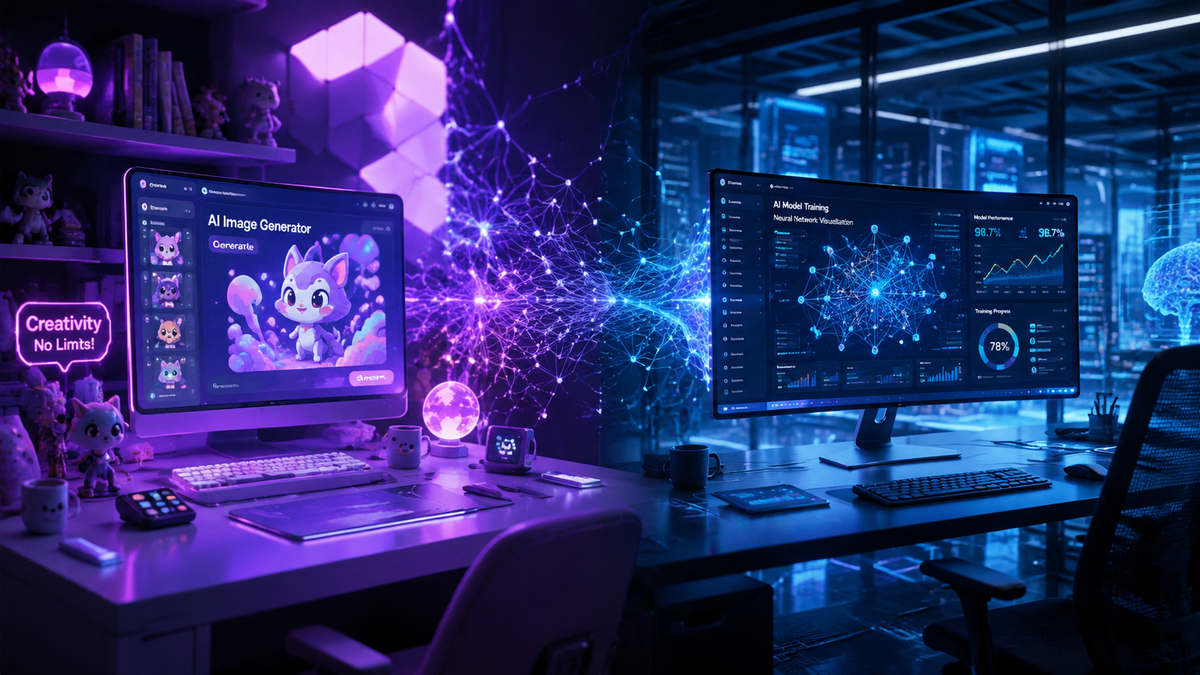
When comparing pika labs vs runway ml in 2026, the choice depends on your specific creative needs: Runway ML is the premier choice for professional-grade cinematic realism and granular control, while Pika Labs leads the industry in stylized animation, physics-based effects, and user-friendly creative experimentation. As of February 2026, both platforms have evolved into multi-modal powerhouses that transform text and images into high-fidelity video in seconds.
The pika labs vs runway ml debate centers on workflow: Runway ML is an enterprise-level suite offering Gen-3 Alpha technology for hyper-realistic film production, whereas Pika Labs is a specialized powerhouse for AI animation, offering superior character consistency and integrated sound effects that appeal to social media creators and independent animators.
- ✓ Runway ML offers superior photorealism and professional camera control tools.
- ✓ Pika Labs excels in stylized aesthetics, "Sound Effects" integration, and ease of use.
- ✓ Both platforms now support high-definition 4K upscaling and extended video durations.
- ✓ Runway is preferred for commercial VFX, while Pika is the leader for creative social content.
The Evolution of AI Video: Pika Labs vs Runway ML in 2026
The landscape of artificial intelligence has shifted dramatically since the early days of generative video. In 2026, we are no longer looking at grainy, flickering clips, but at high-definition, temporally stable cinema. The competition between pika labs vs runway ml has pushed both companies to innovate at a breakneck pace. According to a recent 2026 review by Cybernews, these two platforms remain the gold standard for AI animation, each carving out a distinct niche in the creative economy.
Runway ML has solidified its position as the "Adobe of AI," providing a comprehensive suite of tools that go beyond simple video generation. With the maturation of Gen-3 Alpha, Runway focuses on the physics of light, texture, and human movement. On the other hand, Pika Labs has doubled down on the "fun" and "creative" aspects of video generation. Pika’s unique features, such as localized lip-syncing and physics-defying animation triggers, make it a favorite for those who want to push the boundaries of digital surrealism.
How to Choose and Use Your AI Video Tool
- Define your project goal: Choose Runway for realism or Pika for stylized animation.
- Prepare your assets: High-quality image prompts result in better video outputs on both platforms.
- Input your prompt: Use descriptive language focusing on lighting, camera movement, and subject action.
- Refine with regional editing: Use Runway's "Inpainting" or Pika's "Modify Region" to fix specific details.
- Upscale and Export: Use the built-in 4K upscalers to prepare your footage for professional use.
Core Feature Comparison: Pika Labs vs Runway ML
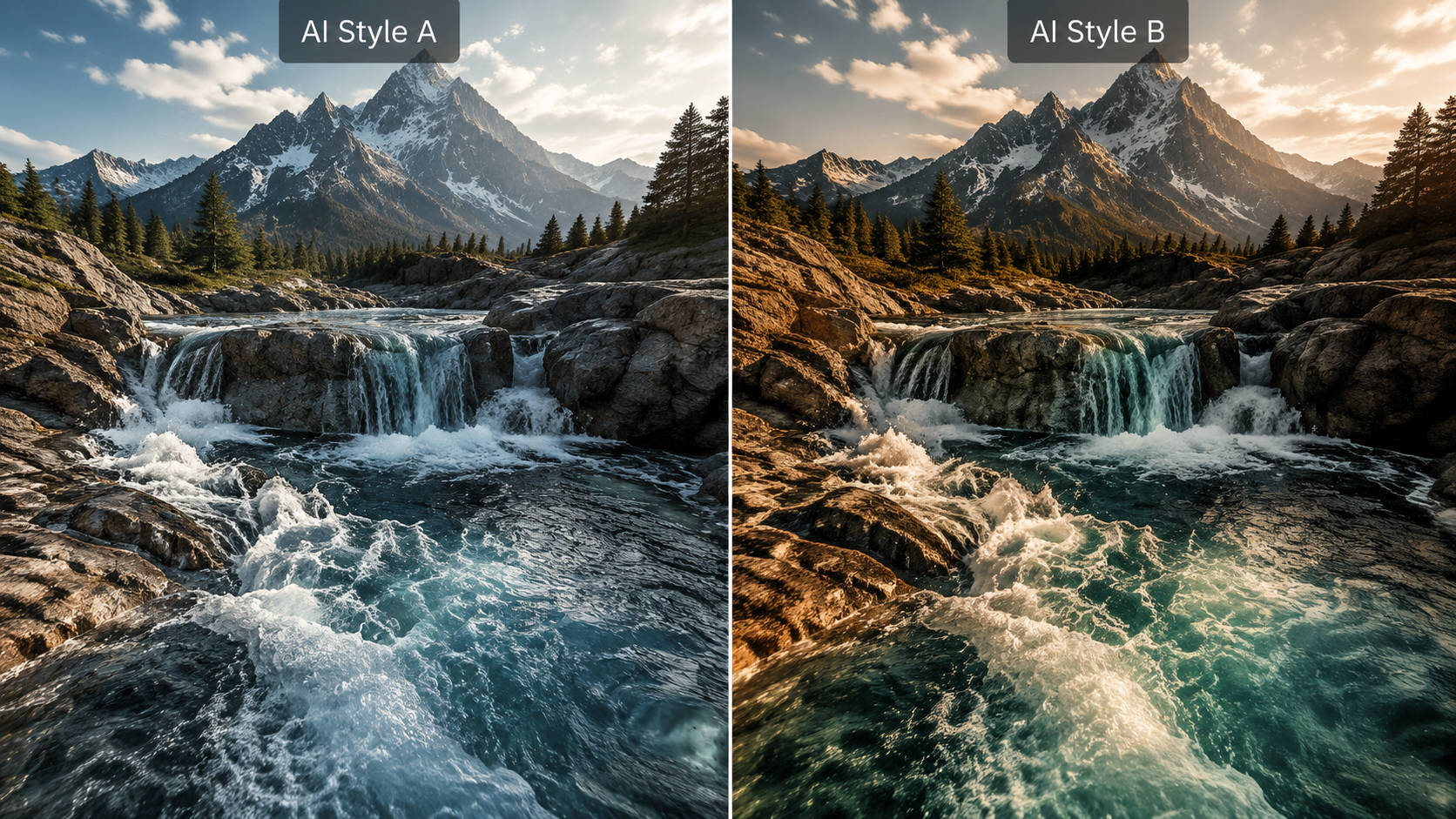
To understand which tool fits your workflow, it is essential to look at the technical specifications. Runway ML has traditionally led in "Image-to-Video" capabilities, a sentiment echoed by No Film School in their long-term industry tracking. However, Pika Labs has closed the gap by introducing "Pika Effects," which allow users to melt, crush, or inflate objects within a video—features that are currently unmatched in the Runway ecosystem.
In terms of accessibility, Pika Labs continues to thrive with a multi-platform approach, including a robust web interface and its original Discord-based community. Runway ML has moved toward a more traditional SaaS (Software as a Service) model, focusing on a streamlined web dashboard that integrates with professional editing software. Tom's Guide reports after 200 hours of testing that Runway’s "Director Mode" provides the most precise control over pan, tilt, and zoom functions currently available on the market.
| Feature | Runway ML (Gen-3 Alpha) | Pika Labs (Pika 2.0) |
|---|---|---|
| Primary Strength | Photorealism & Cinematic Control | Stylized Animation & Physics Effects |
| Max Resolution | 4K Upscaled | 4K Upscaled |
| Audio Integration | Advanced Lip-Sync | Integrated Sound Effects (SFX) |
| Ease of Use | Professional/Intermediate | Beginner-Friendly |
| Camera Controls | Advanced "Director Mode" | Simplified Motion Sliders |
Professional Workflows and Cinematic Realism
For filmmakers and advertising agencies, the pika labs vs runway ml debate often ends in favor of Runway. The release of Gen-3 Alpha marked a turning point in AI video, offering "next-generation" temporal consistency. This means that characters and environments remain stable across multiple seconds of footage, a feat that was previously difficult to achieve. According to Runway's technical documentation, their model is trained on a massive dataset of high-end cinematography, allowing it to understand complex lighting prompts like "golden hour" or "chiaroscuro" with incredible accuracy.
Runway’s suite also includes "Multi-Motion Brush," a tool that allows users to select specific areas of an image and dictate their movement independently. This level of granularity is vital for high-end commercial work where a director might want a character’s hair to blow in the wind while the background remains perfectly still. This professional-grade control is why Runway remains the top choice for those looking to integrate AI into existing film pipelines.
The Pika Labs Creative Edge
While Runway chases the "real," Pika Labs has mastered the "imaginative." Pika’s animation style is often described as more vibrant and fluid. In 2026, Pika Labs has introduced significant updates to its "Image-to-Video" engine, allowing for better character preservation. If you are creating an animated short film or a social media campaign that requires a specific "Pixar-like" or "Studio Ghibli" aesthetic, Pika Labs is generally the superior tool. Its ability to interpret artistic styles without losing the essence of the original prompt is a significant advantage for creators.
Integration of Sound and Motion
One of the most significant developments in the pika labs vs runway ml rivalry is the integration of audio. Pika Labs was a pioneer in this space, introducing a feature that automatically generates sound effects to match the action in the video. If you generate a video of a balloon popping, Pika creates the corresponding "pop" sound. This "all-in-one" approach simplifies the content creation process for many users, particularly those working on short-form content for platforms like TikTok or Instagram.
Runway ML has responded with its own advanced audio tools, focusing heavily on lip-syncing and voice cloning. While Pika focuses on environmental sounds, Runway focuses on the human element. This makes Runway the preferred choice for creators making "talking head" videos or narrative films where dialogue is central. The Decoder noted in their analysis of new features that the ability to sync realistic facial movements with cloned voices has made Runway a powerful tool for localization and dubbing in 2026.
Stability and Duration in 2026
Duration has long been a hurdle for AI video. In 2026, both tools have made strides, but their approaches differ. Runway ML allows for the extension of clips up to 10-15 seconds with high stability, while Pika Labs offers a "loop" feature and "extend" button that works seamlessly for shorter, punchier social clips. Studies in the Cybernews review show that Runway’s clips tend to have less "morphing" over longer durations, making them more suitable for professional editing where long takes are required.
Pricing and Accessibility for Creators
The cost of pika labs vs runway ml is a major factor for many independent creators. Runway ML operates on a credit-based system with several tiers, including a "Pro" and "Unlimited" plan aimed at heavy users and enterprises. Their pricing reflects their position as a professional tool. Pika Labs, while also moving toward a subscription model, offers more generous free tiers and daily credit refreshes, maintaining its reputation as the more accessible tool for the hobbyist community.
Furthermore, Pika’s presence on Discord remains a unique selling point. It allows for a collaborative environment where creators can see each other's prompts and learn in real-time. Runway’s move to a private, browser-based editor offers a more focused and "quiet" workspace, which is often preferred by professional editors who need to manage complex projects without the distraction of a social feed.
The Verdict: Which Should You Use?
Ultimately, the "best" tool depends on your output. If you are a professional filmmaker or a VFX artist looking for a tool that can produce photorealistic footage that fits into a 4K timeline, Runway ML is the clear winner. Its control features and temporal stability are the best in the industry as of 2026. However, if you are a content creator, an animator, or someone who loves to experiment with surreal and stylized visuals, Pika Labs offers a more intuitive and creative playground. The "Pika Effects" and integrated sound design make it a faster, more "fun" tool for rapid content production.
Is Pika Labs better than Runway ML for beginners?
Yes, Pika Labs is generally considered more beginner-friendly due to its intuitive interface and automated features like integrated sound effects. Its Discord community also provides a wealth of shared knowledge for those just starting out with AI video.
Can I use Runway ML for free?
Runway ML offers a limited free trial with a set amount of credits, but professional features like Gen-3 Alpha and 4K upscaling typically require a paid subscription. In 2026, their "Unlimited" plan is the standard for power users.
Which tool is better for lip-syncing?
Runway ML is currently the leader in lip-syncing technology, offering highly realistic facial movements that sync perfectly with uploaded or cloned audio files. It is the preferred choice for narrative content involving dialogue.
Does Pika Labs support 4K video?
Yes, as of 2026, Pika Labs includes a high-quality upscaling feature that allows users to export their generated animations in 4K resolution, making them suitable for high-definition displays and social media.
Can these tools replace traditional video editing?
While both tools are revolutionary, they are currently designed to augment rather than replace traditional editing. They are best used to generate b-roll, special effects, or specific animated sequences that are then compiled in software like Premiere Pro or DaVinci Resolve.



Comments ()