
Pika Art vs Sora 2026: The Ultimate AI Video Showdown
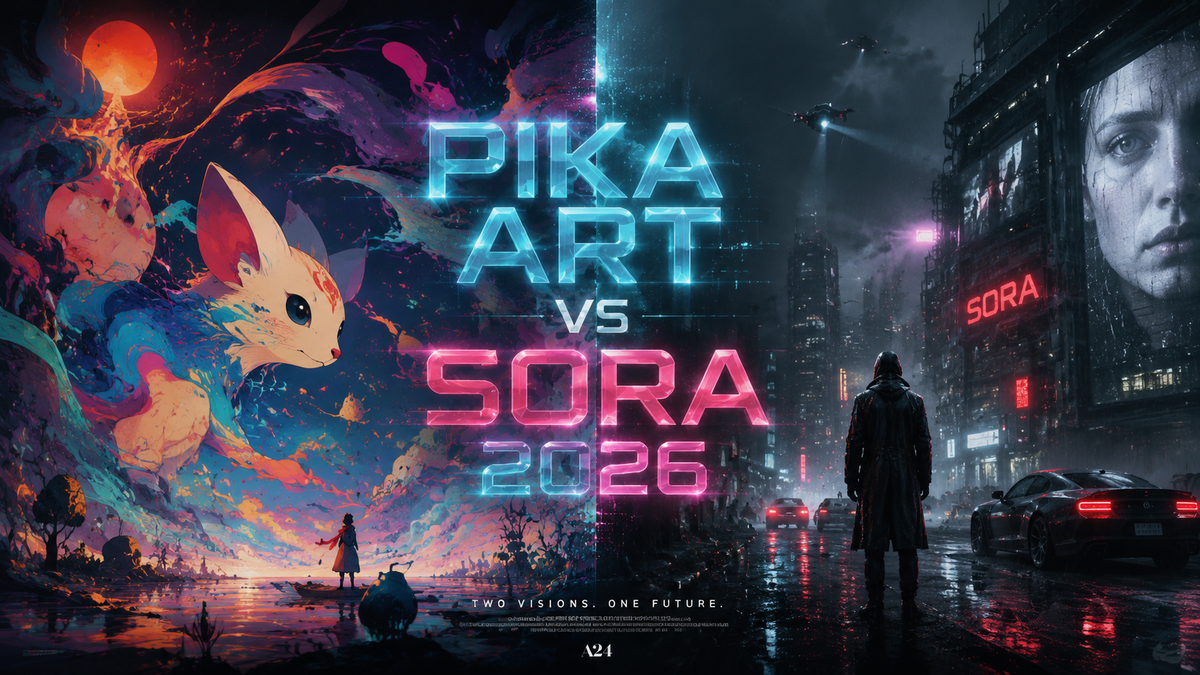
The 2026 landscape of generative media has reached a fever pitch, and the pika art vs sora 2026 debate is at the center of the creative revolution. While OpenAI’s Sora remains the industry titan for hyper-realistic, long-form cinematic generation, Pika Art has solidified its position as the premier tool for stylized animation and granular physics control. Choosing between them in 2026 depends entirely on whether your project requires the raw computational power of a world-simulator or the precise, artistic touch of an animation studio.
Pika Art vs Sora 2026 is a comparison of two distinct philosophies: Sora is a high-fidelity "world simulator" capable of generating photorealistic minutes-long sequences via ChatGPT integration, while Pika Art is a specialized animation engine focused on physics-based movement, Lip Sync, and precise character consistency for creators and marketers.
- ✓ Sora dominates in photorealism and video duration, often used for high-end commercial production.
- ✓ Pika Art leads in user-controlled physics (Pika Effects) and intuitive character animation.
- ✓ According to 2026 industry reports, Sora is now fully integrated into ChatGPT for seamless prompting.
- ✓ Pika Art remains the more accessible and affordable choice for independent creators and social media managers.
The State of AI Video in 2026: A New Creative Era
As we navigate through 2026, the capabilities of AI video generators have surpassed the "uncanny valley" that plagued early versions. We are no longer looking at flickering images; we are looking at fluid, high-definition motion that is indistinguishable from traditional cinematography. According to The AI Journal in their January 2026 report, the industry has shifted from simple text-to-video toward comprehensive multimodal workflows where users can direct every pixel.
The competition between Pika Art and Sora has driven innovation at an unprecedented rate. While Sora has focused on scaling its neural network to understand complex physical interactions—like the way light refracts through a glass of water—Pika Art has focused on the "Director's Experience." This includes advanced features like Sound Effects (SFX) generation that automatically syncs with on-screen action and a sophisticated "Inpainting" tool that allows users to change specific elements of a video without regenerating the entire scene.
How to Use AI Video Generators in 2026
- Define Your Concept: Start with a highly descriptive prompt. In 2026, natural language is better than "prompt engineering." Describe the lighting, camera angle, and emotional tone.
- Select Your Model: Choose Sora for photorealistic realism or Pika Art for stylized, high-motion animation.
- Refine with Image-to-Video: Upload a reference image (using tools like Midjourney or DALL-E 3) to maintain character consistency.
- Apply Physics Controls: Use Pika’s "Modify Region" or Sora’s "Camera Control" to dictate specific movements.
- Export and Upscale: Use the built-in 4K or 8K upscalers now standard in both platforms for professional-grade output.
Pika Art vs Sora 2026: Feature Comparison
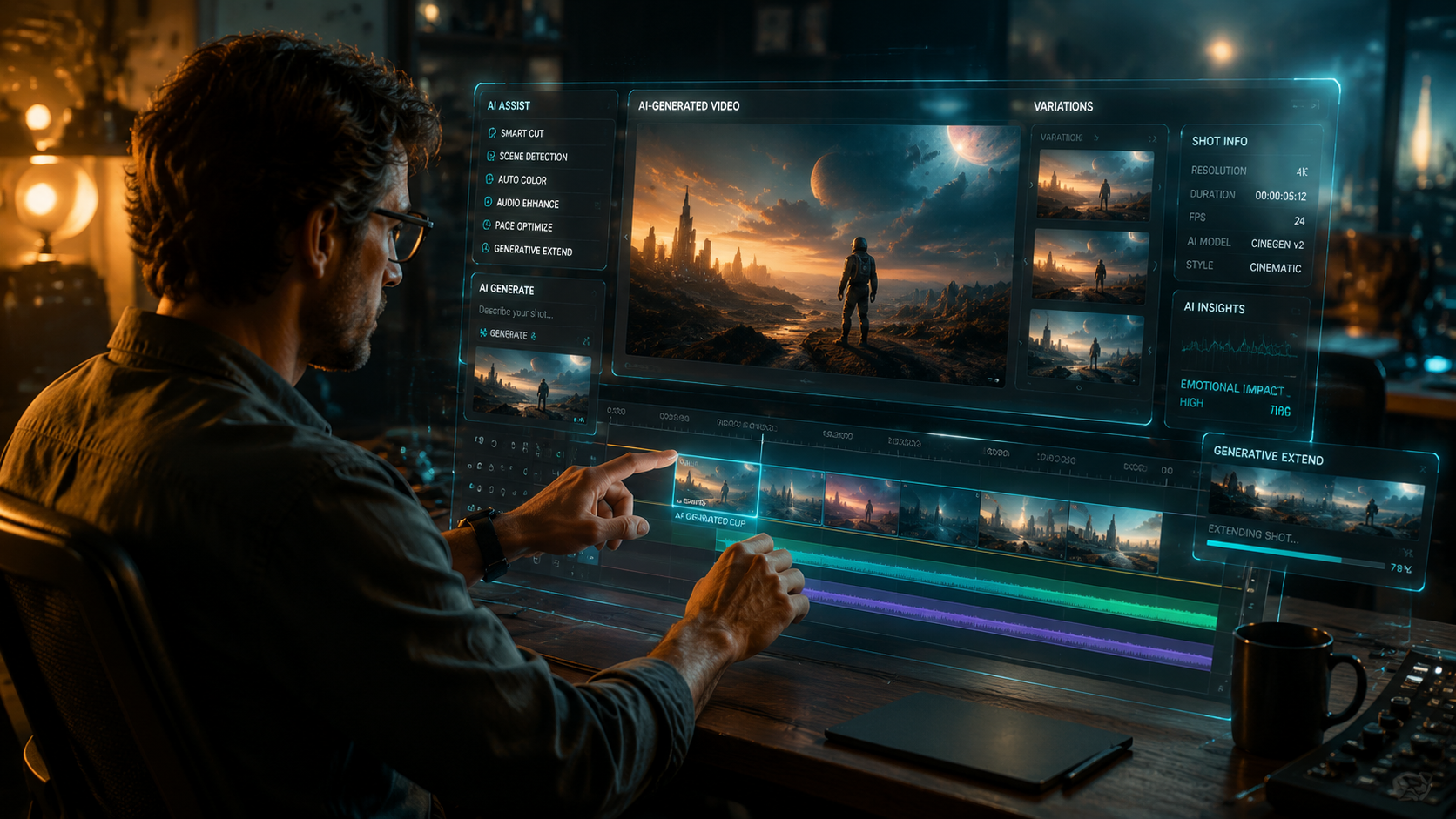
To understand which tool fits your workflow, we must look at the technical specifications. Sora, backed by OpenAI’s massive compute, offers a "Black Box" of realism. You provide a prompt, and it generates a masterpiece. Pika Art, however, offers a "Toolbox." It gives you the sliders and brushes needed to tweak the output until it matches your vision perfectly. Perfect Corp recently highlighted that Sora’s integration with ChatGPT has made it the most user-friendly for beginners, while Pika’s Discord and Web interfaces cater to the power user.
| Feature | OpenAI Sora (2026) | Pika Art (2026) |
|---|---|---|
| Max Duration | Up to 5 Minutes | Up to 1 Minute (Extendable) |
| Visual Style | Hyper-Photorealistic / Cinematic | Stylized / 3D Animation / Anime |
| Physics Engine | Simulated (Neural) | Controllable (Pika Effects) |
| Audio Integration | Standard Background Audio | Advanced Lip Sync & Adaptive SFX |
| Accessibility | ChatGPT Plus / Enterprise | Web, Discord, & Mobile App |
Sora 2026: The Power of the World Simulator
Sora has evolved significantly since its initial previews. In 2026, it is no longer just a video generator; it is a world simulator. According to IEEE Spectrum, Sora’s underlying architecture now understands "object permanence," meaning if a character walks behind a tree, they emerge on the other side looking exactly the same. This was a major hurdle in earlier years that Sora has successfully cleared.
The integration of Sora into the ChatGPT ecosystem has changed how we think about video production. Users can now have a back-and-forth conversation with the AI to refine a scene. For example, you can tell ChatGPT, "Make the sunset more purple and slow down the camera pan," and Sora will update the video in real-time. This level of semantic understanding makes Sora the go-to tool for educational content, high-end advertisements, and even conceptual filmmaking.
The ChatGPT-Sora Synergy
One of the standout features of Sora in 2026 is its ability to generate consistent characters across different scenes. By using the "Memory" feature of ChatGPT, Sora remembers the facial structure, clothing, and gait of a character, allowing for the creation of episodic content without the visual "drifting" that used to plague AI video. This has made it a favorite for YouTubers and digital storytellers who need to maintain a brand identity over several minutes of footage.
Pika Art 2026: The Director’s Digital Studio
Pika Art has carved out a massive niche by focusing on what the "creator" wants: control. While Sora might give you a perfect video, Pika Art gives you a video you can edit. The 2026 version of Pika Art features "Pika Effects 2.0," which allows users to apply specific physical properties to objects. You can tell the AI to make an object "squishy," "explode," or "melt," and the engine calculates the physics with stunning accuracy.
According to Tom's Guide, which spent over 200 hours testing these platforms, Pika Art remains the leader in "Lip Sync" technology. By uploading an audio file, Pika can animate a character’s mouth and facial expressions to match the speech perfectly, including micro-expressions like eye blinks and eyebrow raises. This makes it the superior choice for social media creators, meme-makers, and independent animators who need high levels of character expression.
Pika Effects and Creative Granularity
The "Area Modification" tool in Pika Art is a game-changer for 2026. Instead of regenerating a whole video because a character's shirt is the wrong color, you can simply highlight the shirt and prompt "change to blue silk." This granular control saves hours of rendering time and credits, making Pika Art a more efficient choice for iterative design work. Additionally, Pika’s native integration with sound effect generation means that a "car crash" video will automatically include the sound of crunching metal and shattering glass.
Key Differences in Use Cases
When deciding on pika art vs sora 2026, you must look at your end goal. Sora is essentially a high-end production house in a box. It is best for those who need a finished product that looks like it was shot on a RED camera with a million-dollar budget. It excels in nature documentaries, architectural visualizations, and cinematic trailers where realism is paramount.
Pika Art is more akin to a sophisticated animation suite. It is the tool of choice for the "Remix Culture." If you are creating content for TikTok, Instagram Reels, or animated web series, Pika’s stylized models and rapid-fire iteration tools are superior. Dataconomy notes that Pika's API has also become a favorite for developers building third-party creative apps, further expanding its ecosystem in 2026.
Cost and Accessibility Considerations
Pricing remains a major factor in 2026. Sora is typically bundled with high-tier OpenAI subscriptions, making it a premium product. Pika Art offers a more flexible "Freemium" model, allowing casual users to generate high-quality clips for free with a watermark, while offering affordable tiers for professional creators. For small businesses and solo entrepreneurs, Pika Art often provides the best "bang for your buck" in the AI video space.
The Future of Video: Beyond 2026
As we look toward the end of 2026 and into 2027, the line between these two giants may continue to blur. Both companies have hinted at "Real-Time Generation," where video is rendered as fast as it is prompted. This would open the door for AI-generated video games and interactive cinema. For now, the pika art vs sora 2026 rivalry ensures that creators have the best possible tools at their fingertips, whether they are seeking the perfect reality of Sora or the creative flexibility of Pika Art.
In conclusion, 2026 is the year where AI video moved from a novelty to a necessity. Whether you choose Sora for its breathtaking realism or Pika Art for its unparalleled creative control, you are participating in a fundamental shift in how human stories are told. As Dailyhunt reported in May 2026, the best AI animation generators are those that empower the user's imagination rather than replace it.
Is Sora or Pika Art better for beginners in 2026?
Sora is generally better for beginners because of its integration with ChatGPT, allowing users to generate high-quality video using simple conversational language. Pika Art, while user-friendly, offers more complex tools that require a bit more experimentation to master.
Can I use Pika Art and Sora for commercial projects?
Yes, both platforms offer commercial licensing in their paid tiers as of 2026. However, always check the specific terms of service for OpenAI and Pika Art, as they frequently update their policies regarding AI-generated content ownership.
Which tool is better for making long videos?
Sora is the clear winner for duration, capable of generating continuous clips up to 5 minutes long in 2026. Pika Art is better suited for shorter, punchier clips (up to 1 minute) that can be stitched together in post-production.
Do these AI tools support 4K resolution?
Yes, both Pika Art and Sora support 4K resolution exports in 2026. Sora's native output is often higher quality, but Pika Art includes a very effective built-in upscaler to bring its animations to professional standards.
What is the "Pika Effects" feature?
Pika Effects is a specialized toolset in Pika Art that allows users to apply physics-based animations to objects, such as making them melt, crush, or inflate. This provides a level of specific motion control that Sora currently lacks.



Comments ()